Top

Blockchain Solutions Provider Block Odyssey Launches NFT Ticket Service, “MakeDrop”

Web3 & Enterprise·August 01, 2023, 2:50 AM

Korean blockchain solutions startup Block Odyssey said Monday it is launching an NFT-based ticket issuance service dubbed “MakeDrop” in an effort to revolutionize ticketing and event services in the era of Web3.
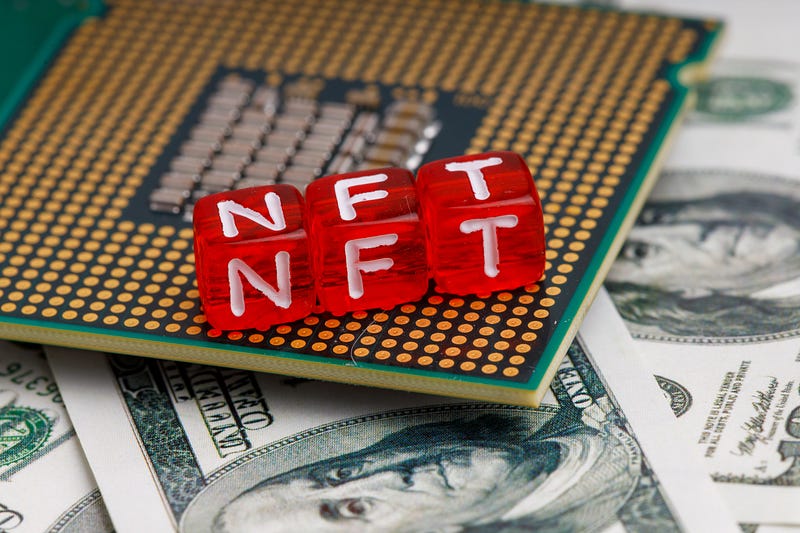
Photo by Andrey Metelev on Unsplash


Limitations of traditional digital tickets

Until now, major ticket reservation platforms have made it challenging for event organizers to streamline the ticketing process for events such as corporate or campus gatherings, concerts, festivals, and more.

Event organizers have thus had to manually send notifications via text messages and emails, print paper tickets, and directly manage overall ticket sales and distributions. The absence of tools to identify ticket holders from attendees also makes it difficult to accurately determine participation and contribution ratios.


Blockchain meets ticketing

But with the rapid advancement of digitized ticket issuance, NFT tickets have been gaining traction as a transparent and secure solution to such challenges. These tickets are verified and stored on a blockchain, setting them apart from traditional forms of digital tickets such as barcodes.


About MakeDrop

Block Odyssey’s MakeDrop is an open service that allows anyone to easily create, issue, and manage one-of-a-kind NFT tickets with individual ownership rights and transaction history. If secondary ticket transactions occur, all ownership changes can be verified on the blockchain, making it possible to block attempts at fraudulent or repetitive secondary trading.

The service is particularly convenient for users, as they can automatically generate a wallet address for storing their NFTs by logging in to social media accounts without having to install a separate cryptocurrency wallet.

As for event organizers, they can swiftly issue mobile tickets without using third-party ticket reservation platforms. Ticket invitations are sent to recipients via KakaoTalk, South Korea’s most popular messaging app, making the service more accessible as well. Those who have not received an invitation can still apply for participation if the event is public. Upon acceptance by the organizer, they will receive an approval notification through KakaoTalk, Block Odyssey explained.

Participants can then present the NFT ticket’s QR code on the day of an event, and organizers can conduct real-time validation using the QR check feature provided by MakeDrop.

Notably, while traditional ticket reservation platforms often do not share ticket holder information with event organizers, MakeDrop allows independent information management for all events. This allows organizers to identify low-engagement or idle members and offer more benefits to loyal participants.

As part of its website launch promotion, MakeDrop is currently holding an event to distribute 100,000 free NFT tickets. The company also plans to release a mobile app in the future after incorporating user feedback and enhancing functionalities.

More to Read
View All
Web3 & Enterprise·

Sep 25, 2023

WEMIX PLAY Launches NFT Auction Service

WEMIX PLAY Launches NFT Auction ServiceWEMIX PLAY, the global blockchain gaming platform operated by South Korean gaming publisher Wemade, has officially launched its non-fungible token (NFT) auction service dubbed “Drops”.Photo by Choong Deng Xiang on UnsplashNFT biddingDrops will serve as a platform for auctioning game NFTs and special NFTs, catering to the growing demand for unique digital collectibles. Auctions on Drops will follow an English auction format where the highest bidder wins, which is also used on NILE, a decentralized autonomous organization (DAO) and NFT platform based on the company’s decentralized blockchain network WEMIX3.0. Users can participate using WEMIX dollars (WEMIX$), the official stablecoin issued on the WEMIX3.0 mainnet.The first three games to launch NFTs on Drops are Melting Earth, Ballies, and Yield KingZ. Melting Earth collections are currently available for sale online, and the latter two will be released soon, according to WEMIX PLAY.Revolutionizing GameFiThe company’s introduction of Drops reflects the growing popularity and value of NFTs within the gaming world, providing gamers and collectors with an opportunity to acquire unique and rare in-game assets through an accessible and transparent auction platform, thus offering a more interactive gameplay experience while leading innovation in the gaming finance (GameFi) sector.

news
Web3 & Enterprise·

Dec 18, 2023

Miracle Play and HAVAH team up to expand Web3 ecosystem

Miracle Play and HAVAH team up to expand Web3 ecosystemWeb3 e-sports tournament platform Miracle Play has signed a business agreement with the interchain platform HAVAH to exchange technologies and build a joint ecosystem, according to an official announcement on Miracle Play’s Medium page on Monday (KST).“With our interchain technology, we expect to play a pivotal role in the expansion and organic interoperability of the Web3 e-sports ecosystem, and we will actively cooperate with Miracle Play in building a leading ecosystem and infrastructure,” said Lim Young-kwang, CEO of HAVAH.Photo by Mateo on UnsplashNavigating the interchain landscape and blockchain gamingLaunched in January, HAVAH is an L1 interchain platform that allows users to freely move their digital assets across multiple blockchains. It features multiple decentralized applications (dApps) such as HAVAH Wallet and HAVAH Scan, and houses some 500,000 users.Miracle Play uses smart contract technology to ensure that anyone and everyone can hold various types of gaming tournaments in the form of PC, mobile and console games. It is currently in the open beta phase, with a cumulative participation rate of about 30,000 players. Although it is only supported on Polygon as of now, it will eventually be available on a total of nine major networks including Avalanche, XPLA, Solana and more, to facilitate cross-network gaming tournaments.Collaborative synergyThe two companies plan to collaborate on multiple fronts. Miracle Play will adopt HAVAH’s various mechanisms including the Mitter Protocol, which will allow the platform to implement one-click bridging services on the Miracle Play website and mobile app; as well as its interchain mechanism to bring multi-chain services to Miracle Play.HAVAH also aims to provide technical support for distributing and utilizing in-game rewards across networks on Miracle Play. Miracle Play tournaments will also be available via GameFi dApps in HAVAH’s ecosystem.“We will continue to work with companies in various fields to strengthen the interconnection of the blockchain ecosystem and expand the base of WEB3 Esport by making it conveniently accessible to everyone,” said Kim Hyun, CEO of Miracle Play.

news
Policy & Regulation·

Dec 01, 2023

KCC sets guidelines for user protection on metaverse platforms

KCC sets guidelines for user protection on metaverse platformsThe Korea Communications Commission (KCC) has established its latest guidelines for ensuring the protection and safety of users of metaverse platforms, dubbed the “Basic Principles for the Protection of Metaverse Users”.Photo by GuerrillaBuzz on UnsplashNavigating the metaverse landscapeAlthough metaverse platforms can create new economic and business opportunities by linking reality with the virtual realm and providing users with a realistic and immersive experience, the agency argued that various problems may arise due to the use of anonymous profiles or avatars.In response, the KCC assembled six voluntary principles for metaverse service providers to apply to their operations through discussions with a policy advisory group for metaverse ecosystem user protection. The group is composed of 29 members, including academics, legal experts and domestic and overseas companies. It has been active since last year.Fostering ethical metaverse environmentsThe principles cover topics like ensuring free yet respectful communication between users; granting users a platform for voicing their opinions on issues related to their rights and interests; and ensuring that transactions involving digital products and services are conducted on proper terms. They also urge companies to give users the right to use and manage their own data along with that of the metaverse.On a less technical level, the last principle mentions that companies should make efforts to study the long-term impact of the metaverse on users’ physical and mental health, and on society, culture, environment and economy.The agency has also proposed to draft a code of practice outlining more specific measures to protect users, such as prohibiting sexual harassment and stalking, reporting and punishing cyberbullying and transferring the right to purchase NFTs.Responsible governanceMajor metaverse platform operators like Naver, SKT and Meta, who are members of the agency, agreed to apply the guidelines and include them in their relevant terms and conditions documents and service operation regulations. The KCC stated that it plans to monitor whether or not these commitments are met.Although not mandatory, the guidelines are recommended as measures to resolve user inconvenience, enhance service reliability and provide standards for user protection. User protection includes that of children, adolescents and personal privacy.

news
Loading