Top

Philippines follows through on Binance ban

Policy & Regulation·March 26, 2024, 1:51 AM

The Philippines' financial regulator announced that it is implementing what amounts to a ban on Binance in the Southeast Asian nation by blocking local access to the leading global cryptocurrency exchange.


This decision, publicized via a press release on March 25, comes as the Securities and Exchange Commission (SEC) raised concerns last November over Binance's operations in the country, citing a lack of necessary licenses for certain investment products.


According to the press release, the SEC revealed that it sought assistance from the National Telecommunication Commission (NTC) to enforce the ban, expressing worries about the security of Filipino investors' funds on the platform.


In a letter addressed to the NTC, SEC Chairman Emilio Aquino stated:

"The SEC has identified the aforementioned platform and concluded that the public's continued access to these websites/apps poses a threat to the security of the funds of investing Filipinos.”

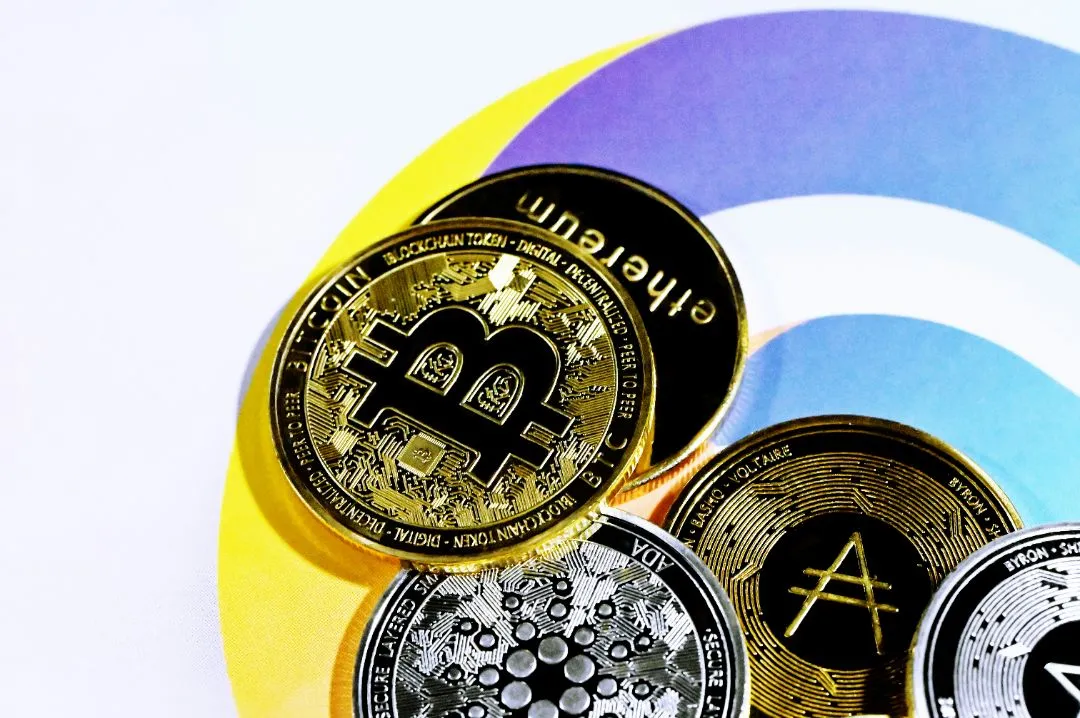
https://asset.coinness.com/en/news/659840d06e4b95b21b00a65a9789a35a.webp
Photo by Krisia on Pexels

A similar move was taken last December by the Financial Intelligence Unit (FIU) in India, as it acted to block access to what it deemed to be non-compliant global crypto exchanges.


Unlicensed services

The SEC alleges that Binance offers services like leveraged trading and crypto savings accounts without the required licenses, violating the country's Securities Regulation Code. Consequently, the ban is set to be implemented within three months, allowing investors time to exit their positions held through Binance.


Furthermore, the SEC has requested Google and Meta to restrict Binance-related advertisements targeted at Filipino users on their platforms, extending the regulatory measures to online advertising as well. A similar stance was taken by authorities in Thailand last August with the Ministry of Digital Economy and Society (MDES) engaging in talks with Facebook in an effort to curb questionable crypto-related advertising on the platform.


Regulatory setback

This move by the Philippines' financial watchdog marks another regulatory setback for Binance, which has faced increasing scrutiny globally. In December 2023, a U.S. court ordered Binance to pay significant fines to the Commodity Futures Trading Commission (CFTC) for evading federal law and operating an illegal derivatives exchange.


As part of the settlement, Binance's former CEO, Changpeng Zhao (CZ), agreed to step down from his position, with Zhao also facing civil and criminal charges related to anti-money laundering laws.


The SEC's cautionary stance against Binance dates back to November 2023, shortly after Zhao's legal troubles in the U.S. emerged. At that time, the SEC expressed its intention to ban Binance in the Philippines, though the execution was postponed due to changes in the leadership of the regulatory body.


Notably, Kenneth Stern, who headed up Binance's operations in the Philippines, exited the company in July 2023, amidst mounting regulatory pressures and legal challenges. Binance had seen many leading executives part ways with it in the lead-up to the company’s settlement with the U.S. Department of Justice (DoJ) last year.


With regulatory actions tightening around Binance globally, the future of the exchange in various jurisdictions remains uncertain. The ban in the Philippines adds to the ongoing regulatory challenges faced by the company and underscores the growing importance of compliance within the cryptocurrency industry.

More to Read
View All
Policy & Regulation·

Sep 18, 2023

Korean Experts Advocate for Global Crypto Info Exchange to Combat Tax Evasion

Korean Experts Advocate for Global Crypto Info Exchange to Combat Tax EvasionIn a recent event held to discuss the tax regime in South Korea, law professors offered a suggestion to combat tax evasion associated with cryptocurrencies. They proposed the implementation of a global cryptocurrency information exchange system for more effective response measures.Kim Beom-jun, a professor at the University of Seoul Law School, and Kim Seok-hwan, a professor at Kangwon National University Law School, delved into this matter last Friday at the tax administration forum that took place at the Korea Federation of Small and Medium-sized Enterprises (KBIZ).Photo by Karolina Grabowska on PexelsRising crypto adoptionAccording to their report, the cryptocurrency market is currently facing challenges stemming from the Terra-Luna incident and the broader economic downturn caused by rising interest rates and inflation. However, it’s worth noting that in Korea alone, there are approximately 6.27 million cryptocurrency exchange users, with a collective market capitalization of around KRW 19.4 trillion ($14.6 billion). This suggests that cryptocurrencies continue to integrate into our everyday lives.Crypto tax starting in 2025Starting in 2025, South Korea is set to impose taxes on income from cryptocurrency trading. However, before the tax is put into effect, there is a pressing need for administrative enhancements aimed at preventing tax evasion involving cryptocurrencies. These initiatives encompass the development of crypto-tracking technology and the allocation of sufficient staff and budgets to enable tax authorities to effectively address crypto-related issues.Foreign exchanges and DeFi platformsDuring the forum, experts voiced concerns about the possibility of tax evasion through the use of overseas crypto exchanges and decentralized platforms.Tax specialists pointed out that it’s difficult to expect people to fully meet their tax obligations when they’re trading on international exchanges. They also emphasized the challenges in collecting accurate tax information from crypto users who report transactions in overseas financial accounts.OECD’s initiativeIn August 2022, the Organization for Economic Co-operation and Development (OECD) gave the greenlight to the Crypto-Asset Reporting Framework (CARF). This framework aims to standardize the reporting of tax information related to crypto-asset transactions and facilitate the automatic exchange of such information. During the forum, researchers proposed that in the future, if Korea decides to participate in the OECD’s CARF, it should not only establish a cooperative system between virtual asset service providers (VASPs) and regulatory authorities but also revisit and amend pertinent laws.Additionally, presenters at the forum underlined the necessity of obligating taxpayers to furnish essential tax information for effective virtual asset taxation. They also stressed the importance of implementing appropriate sanctions in cases where taxpayers fail to comply with these reporting requirements.Commissioner Kim Chang-ki of the National Tax Service (NTS) stated that the agency is committed to enhancing tax accountability and transparency. He added that the NTS will take strong measures against malicious tax evasion activities, especially those involving online platforms.Furthermore, Commissioner Kim mentioned that the tax agency is boosting its investigative capabilities using scientific methods to combat emerging forms of tax evasion, like those related to virtual assets. He also said the NTS is expanding its international collaboration and devising other measures.

news
Web3 & Enterprise·

Apr 02, 2024

Bithumb lowers fees and enhances UX to bolster competitiveness

One of South Korea's prominent cryptocurrency exchanges, Bithumb, has doubled down on its effort to solidify its position as a leading crypto trading platform in the country. Bithumb has recently announced its policy to offer the lowest withdrawal fees among all local crypto exchanges, while enhancing its user experience by upgrading the user interface (UI) and adding more features to its app, according to the local media outlet Kyunghyang Games.  Already one of the few qualified fiat-to-crypto exchanges in Korea and a member of Digital Asset eXchange Alliance (DAXA) – a consultation group of the top five local crypto exchanges – Bithumb aims to further strengthen its competitiveness in the market. Photo by Traxer on UnsplashLower withdrawal fees with trading fees already at 0.04%According to the press, Bithumb has announced to offer the lowest withdrawal fees in the local crypto scene to win the hearts and minds of investors. Under the updated fee policy, users are now charged 0.0008 BTC for withdrawing Bitcoin and 0.009 ETH for Ether. The exchange has also been known for offering one of the lowest trading fees at 0.04%.  Making the deposit limit increase easierBithumb has long been getting complaints from users over its relatively unfavorable user experience and cumbersome processes required to increase the deposit limit of their real-name accounts. In response, Bithumb has introduced a new in-app feature that simplifies such procedures, so that users can raise their deposit limit with ease.  Among users who joined Bithumb in March, those whose initial deposits have passed 30 days and who purchased crypto assets valued at over KRW five million ($3,700), are now eligible for the deposit limit raise, allowing them to deposit and withdraw up to KRW 500 million per day.  Enhanced user interface and user experience One of the newly added features is the "Even Faster Chart," which provides users with four times faster response times following its transition from "Web view" to "Native view."  Bithumb's Chief Operating Officer (COO), Moon Seon-il, stated that the exchange is improving its service in multiple ways, including offering the lowest fees, supporting multichain transactions and enhancing UI for users.  

news
Web3 & Enterprise·

Nov 02, 2023

Hong Kong’s HaskKey launches app following regulatory approval

Hong Kong’s HaskKey launches app following regulatory approvalHong Kong-based cryptocurrency firm HashKey has unveiled the HashKey Exchange app, which has received the approval of the Securities and Futures Commission (SFC).News of the app launch emerged following insights shared by HashKey’s Chief Operating Officer, Livio Weng, in an interview with The Block recently.Photo by Manson Yim on UnsplashAppealing to retail tradersThe HashKey Exchange app went live on Wednesday, having received regulatory clearance from Hong Kong’s securities regulator the previous Friday. This achievement allows the app to offer full mobile trading capabilities. Prior to this milestone, HashKey had been primarily catering to professional investors under a voluntary licensing scheme.With the new app, Hongkongers can now conveniently purchase bitcoin and ether, utilizing either Hong Kong dollars or US dollars, directly from their local bank accounts. The app launch is significant as HashKey has become one of Hong Kong’s first fully compliant retail-facing crypto trading platforms. “We’ve recorded large trading volume since we began to serve retail users,” Weng stated. The move aligns with the Hong Kong government’s efforts to bolster the virtual asset sector, which was set in motion one year ago with various policy shifts.These shifts included the introduction of a mandatory licensing scheme for cryptocurrency platforms, enabling them to offer tokens with large market capitalizations to retail traders. The new licensing regulations officially took effect in June, with a one-year grace period, though no new exchanges have been approved to date. HashKey and its rival, OSL, had their previous licenses upgraded in August.Developmental challengesHong Kong has faced several challenges on this journey. While the new regulations are largely in line with international norms, the process has been notably expensive, particularly against the backdrop of a bearish crypto market.The lingering fallout from the JPEX scandal, a cryptocurrency exchange allegedly involved in fraudulent activities, continues to impact Hong Kong’s virtual asset landscape. The SFC first raised concerns about JPEX in mid-September, and since then, it has moved to tighten regulation in response, having received thousands of complaints in relation to JPEX.Despite these challenges, HashKey Group has reported significant activity on its retail platform since its launch in August, with a total trading volume exceeding US$600 million. On October 30, the 24-hour trading volume exceeded US$100 million.Planned token launchIn a move designed to incentivize new users, HashKey Exchange has introduced its platform token, HSK, which is slated to be officially listed on the exchange next year. With a total supply of 1 billion HSK, the company has specified that these tokens will not be initially sold to retail investors, emphasizing its long-term vision for the project.Established in Hong Kong in 2018, HashKey Group operates a digital asset brokerage and a venture capital arm. HashKey Exchange earned the distinction of becoming Hong Kong’s second licensed exchange in November of the previous year, following in the footsteps of OSL. Notably, five companies have applied for the new licensing scheme, according to the SFC, while several other exchanges have expressed their intent to pursue similar approval.

news
Loading