Top

Metaplanet aims for 10K Bitcoin stockpile

Web3 & Enterprise·January 08, 2025, 2:12 AM

Metaplanet, a Japanese Bitcoin treasury company listed on the Tokyo stock exchange, is targeting a holding of 10,000 BTC in 2025.

2025 target

Taking to the X social media platform on Jan. 5, the company’s CEO, Simon Gerovich, set out a number of objectives which the company will strive to reach in 2025. Among them is the objective to expand the company’s Bitcoin holdings to 10,000 BTC.


Gerovich said that the expansion of the firm’s Bitcoin holding would be achieved “by utilizing the most accretive capital market tools available to us.” He followed up on Jan. 6 with an announcement that Metaplanet has completed its 12th series stock acquisition rights. Gerovich claimed that the successful completion of the stock issuance marked “a milestone in Metaplanet’s financing and Bitcoin acquisition strategy.”


The 12th series stock issuance was first announced back in November, with a six-month exercise period opening on Dec. 17. Additionally, the company issued 4.5 billion yen ($28,562,451) and 5 billion yen ($31,736,057) in ordinary bonds, with a maturity date of June 2025.


Other objectives the company has set out for 2025 include enhancing transparency and shareholder engagement through new initiatives. Furthermore, Metaplanet intends to leverage its partnerships to advance Bitcoin adoption in Japan and further afield. Gerovich said that Metaplanet will explore innovative opportunities to grow the firm’s impact in Japan and within the Bitcoin ecosystem.
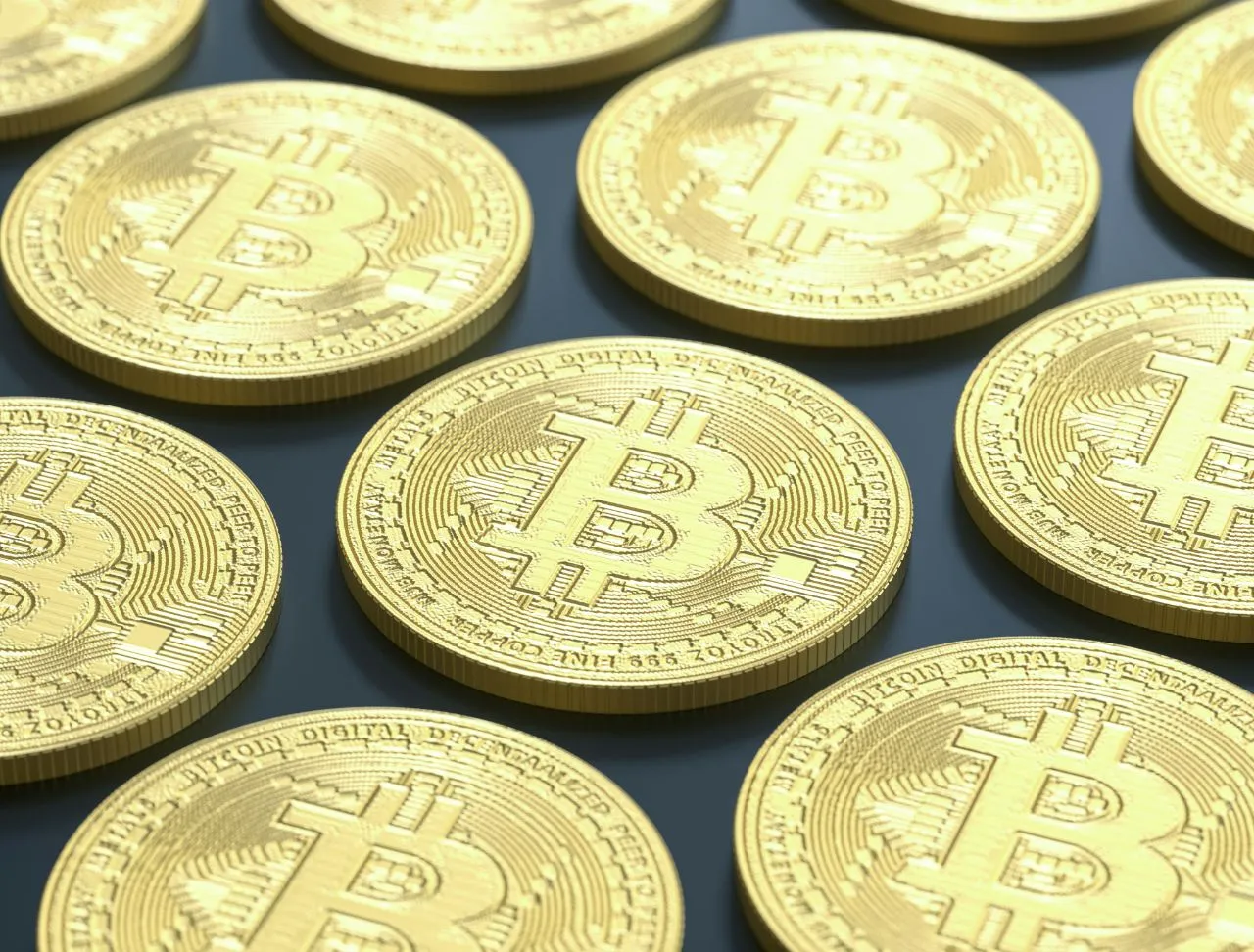
https://asset.coinness.com/en/news/2d3363e7bb016e0cb859c1f093bfd027.webp
Photo by Vasilis Chatzopoulos on Unsplash

2024 ‘transformational’

The Metaplanet CEO claimed that 2024 had been “transformational” for the company. He added: “We broke records, expanded our Bitcoin treasury, and reinforced our position as Asia’s leading Bitcoin Treasury Company.”


Shifting its attention to 2025, the firm is focused on its efforts to drive greater value for shareholders. Metaplanet’s fortunes are now heavily dependent upon the performance of Bitcoin. In an interview at a New Year’s Eve party held in Miami by Microstrategy founder Michael Saylor, Gerovich commented on Bitcoin adoption, stating:

"I’m slowly but surely seeing Bitcoin becoming a topic of discussion at the highest levels of government. Corporations around the world are beginning to adopt it as a Bitcoin standard."


The Metaplanet CEO is optimistic that the U.S. will adopt a strategic Bitcoin reserve once the Trump administration commences. Should that happen, he believes that other countries will follow. He sees Japan as one of those countries where they do look to the U.S. as a guide on such matters. “So I think if President Trump does adopt it as a strategic reserve, then Japan and many countries in Asia will do the same,” he stated.


Metaplanet is understood to be pursuing a business model very similar to the one pioneered by Microstrategy in the United States. The company increased the rate at which it acquired Bitcoin in H2 2024. Metaplanet made its first Bitcoin purchase in April 2024. At that time, its stock was trading at $1.90. Just as the Bitcoin unit price surged, so too did Metaplanet stock, closing the year at $22.05 per share.


More to Read
View All
Policy & Regulation·

Jan 20, 2024

China establishes metaverse working group with Chinese tech giants

China's Ministry of Industry and Information Technology (MIIT) has stepped into the realm of the metaverse by forming a working group tasked with setting standards for the burgeoning technology.Photo by Li Yang on UnsplashChinese corporate participationThe announcement, made on Friday, revealed that the working group would comprise representatives from the government, academic institutions and major corporations. In its statement, MIIT explained that the establishment of the metaverse working group aligns with the nation's emphasis on industrial development within the technology sector. Notably, the group will feature key figures from major Chinese tech corporations, including Huawei, Ant Group, ZET, Tencent, Baidu, NetEase, Sense Time and others. Public feedback on the selection of group members is invited until Feb. 18, although the specific areas of focus for the group are not detailed in the document. Initial in-roadsThe working group’s headline tech participants have all made some initial in-roads into metaverse technology. Baidu established its own metaverse project, XiRang, in 2021. Late last year it partnered with Qualcomm on the use of extended reality (XR) technology for use on a new metaverse platform. Huawei is paying attention to the promising metaverse space by building up a catalog of metaverse-related patents. Like Baidu, Tencent is focusing on developing XR technology with metaverse development in mind. Last year NetEase collaborated with a Chinese liquor brand to launch a winery-themed metaverse, while issuing NFTs linked to liquor bottles. Establishing metaverse standardsChina has been contemplating the formulation of metaverse standards for some time. In September 2023, MIIT advocated for the creation of a dedicated working group to address the ongoing challenges in metaverse technology. The government's overarching objective is to ensure the healthy and orderly development of the metaverse industry through standardization and guidance, reducing redundant investment costs and fostering collaborative forces for industrial development. Analysts from JPMorgan foresee a potential uptick in the value of Chinese tech stocks if the metaverse gains traction in the country. According to their analysis, Chinese web giants like Tencent and NetEase stand to benefit significantly from metaverse development. Even non-web companies such as China Mobile, Sony and Agora could witness positive impacts should the technology gain widespread adoption. In fact, China Mobile led the development of a metaverse industry alliance in China in 2023. Regional developmentIn a December document, MIIT outlined plans to formulate strategy documents clarifying the development path of Web3.Last year, several local governments in China committed to the development of the metaverse industry. Sichuan, a province once known as a crypto mining hub, aims to reach a market size of 250 billion yuan ($35.1 billion) in the metaverse industry by 2025. Last May, the city of Zhengzhou announced policy proposals to support metaverse companies. The same month, the province of Henan established a $21.7 million fund to support metaverse-related projects. The following month, an initiative was established in Nanjing to nurture metaverse development. Additionally, Shandong province has plans to grow its metaverse-related initiatives to achieve a market size of 150 billion yuan by 2025. 

news
Web3 & Enterprise·

Aug 01, 2023

Hong Kong’s Largest Bank in Lackluster Crypto Embrace

Hong Kong’s Largest Bank in Lackluster Crypto EmbraceFor all of its pro-crypto initiatives Hong Kong has been struggling with banking crypto companies. A recent report from the Hong Kong Economic Journal cited Lin Yansheng, Director of Commercial Banking at Hang Seng Bank, Hong Kong’s largest local bank, in outlining that the bank will accommodate crypto but that support is conditional.Photo by Florian Wehde on UnsplashCrypto in a high rates environmentYansheng shared his insights on interest rates, stating that he believes that interest rates will rise but reassures that any increase will be temporary in nature.The Commercial Banking Director acknowledged that Hong Kong’s current high-interest rates, in contrast to those of mainland China and neighboring regions, have caused a slowdown in the overall demand for bank loans. He predicts that loan growth will face pressure this year. However, he also offers a glimmer of hope, stating that a reduction in interest rates may not be far off. He suggests that next year’s expected interest rate cuts could lead to an improvement in loan growth.Data published recently by the Hong Kong Monetary Authority (HKMA) shows that annualized loan growth has been negative since May. It currently stands at -1.1%. Yansheng explained that as borrowing rates decrease in mainland China, Hong Kong’s banking industry is experiencing a downturn in loan growth. The high Hong Kong dollar interbank offered rate (HIBOR) currently limits the volume of corporate borrowing.The rising concerns over interest rates have prompted Hang Seng Bank to acknowledge the importance of cryptocurrencies.Unconvincing crypto embraceThe bank recently outlined the regulatory framework for virtual asset businesses seeking to operate within its purview. To open standard banking accounts, these businesses must obtain an Approval-in-Principle (AIP) license from the Securities Regulatory Commission (SRC), as per the bank’s announcement.The first issue is that obtaining an AIP license has proven to be incredibly difficult. Currently, only OSL and HashKey, two virtual asset trading platforms, have managed to obtain the required clearance. Hang Seng Bank acknowledges that it hasn’t received many inquiries about crypto-banking, attributing it to that challenging process of obtaining AIP certification. Meeting the demanding requirements for such permission poses a significant hurdle for most businesses.Getting beyond this obstacle, Yansheng clarified that even then crypto companies will only be able to obtain a “simple” bank account. He didn’t clarify what services would be excluded but Hang Seng’s embrace of crypto-related business sounds very much like it’s lacking in conviction.Both the China Securities Regulatory Commission and the Hong Kong Monetary Authority have conducted roundtable meetings to address the difficulties faced by virtual asset businesses. Yansheng reiterated Hang Seng’s commitment to complying with the regulators’ instructions and accommodating these companies. However, it’s clear that difficulties remain.Last month, it was reported that Hang Seng Investment Management Co., a wholly-owned subsidiary of Hang Seng Bank and the largest exchange-traded fund (ETF) manager in Hong Kong, was looking to add digital assets to its product line.

news
Web3 & Enterprise·

Nov 10, 2023

Bitget enhances crypto exchange app with Web3 wallet and swap service

Bitget enhances crypto exchange app with Web3 wallet and swap serviceSeychelles-incorporated crypto derivatives and copy trading platform Bitget has advanced its DeFi capabilities by integrating a Web3 wallet and swap service into its crypto exchange application.Photo by Shubham’s Web3 on UnsplashEnhancing platform app featuresThis new feature empowers users to seamlessly swap their tokens and access DeFi services through the platform’s Web3 wallet, according to a press release the company published concerning the development earlier this week. Bitget outlined that the primary goal of the integration is to offer users diverse options for trading their crypto assets within the exchange ecosystem.Bitget Managing Director Gracy Chen set out the significance of the recently ushered in changes. Chen stated:“Integrating Web3 services into our CEX platform marks a significant milestone for Bitget. By offering users the freedom to access various DeFi services alongside the convenience and security of our CeFi platform, we are empowering them with a unique experience. Bitget aims to provide a comprehensive ecosystem that caters to the evolving needs of our users, all while maintaining the highest standards of security and reliability.”Service offering expansionFurthermore, the app is set to expand its services, gradually incorporating a non-custody wallet, an NFT marketplace and decentralized applications (dApps), Chen confirmed. Bitget users can now experience enhanced flexibility in their trading activities, as the exchange plans to make most listed currencies available in the Web3 wallet for DeFi trading. The swap feature, a core element of this integration, aggregates liquidity from 10 decentralized exchanges (DEXs), including popular platforms like Uniswap, PancakeSwap and Curve Finance. Chen confirmed further details to Cointelegraph, stating:“At the core of the recent integration is our Web3 Wallet, which facilitates the secure storage, management, and control of their digital assets. Alongside the wallet, we’ve launched a Swap service, which is an advanced DeFi aggregator.”The firm acquired the BitKeep crypto wallet earlier this year, with the product subsequently having been officially rebranded to the Bitget Wallet in August. The move has worked out well for the firm, with it confirming at the end of July that it had achieved 20 million users as a consequence. The more recent integration not only facilitates asset management services but also provides native storage solutions for users.$100 million fundThis initiative aligns with Bitget’s ongoing efforts to establish a strong foothold in the crypto space. The exchange has consistently pursued expansion, launching multimillion-dollar funds to support the growth of the Web3 ecosystem. At an event in Singapore recently, Bitget introduced a $100 million fund dedicated to supporting venture firms and investing in the next generation of Web3 projects.Earlier this week, the company committed a $10 million fund towards the objective of nurturing high-potential crypto startup projects in India.

news
Loading