India’s RBI Cites Stablecoin Risks With Call for Global Regulation
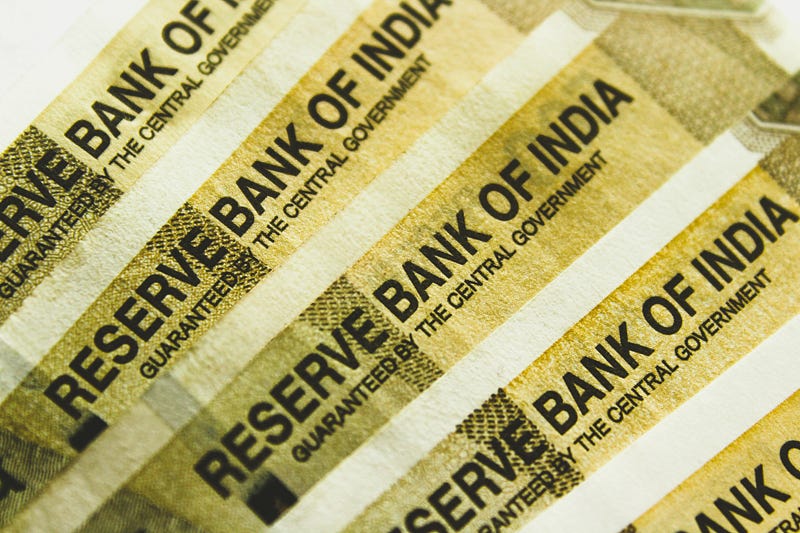
In its latest Financial Stability Report released on Wednesday, the Reserve Bank of India (RBI) expressed concerns about the potential harm stablecoins could inflict on emerging markets and developing economies (EMDE).
Perennial critic
The RBI has been a consistent critic of cryptocurrencies, but particularly so in the case of stablecoins, from an EMDE perspective. However, the lack of authenticated data and inherent data gaps in the crypto ecosystem hindered a comprehensive assessment of financial stability risks.
According to the report, one of the ways stablecoins could pose a threat to an EMDE is through currency substitution. Since the underlying assets of stablecoins are generally denominated in freely convertible foreign currencies, the widespread adoption of stablecoins could lead to currency mismatches on the balance sheets of banks, firms, and households, resulting in an increased risk to the economy.
Monetary policy headache
Furthermore, the presence of stablecoins in the economy could create challenges for an EMDE’s central bank in setting domestic interest rates and managing liquidity conditions. The decentralized, borderless, and pseudonymous characteristics of crypto-assets make them potentially attractive instruments for circumventing capital flow management measures.
Another concern highlighted by the RBI is that stablecoins could undermine credit risk assessment and interfere with banks’ ability to mobilize money and create credit by offering an alternative to the domestic financial system. Additionally, the report emphasized the difficulty in tracking peer-to-peer transactions, on the basis that they increase the potential for illicit activities.
In light of these risks, the RBI reiterated its call for global coordination and regulation. It emphasized the need for a globally coordinated approach to analyze the risks posed to EMDEs compared to advanced economies (AEs). As India holds the G20 presidency, one of its priorities is to establish a framework for the global regulation of unbacked crypto-assets, stablecoins, and decentralized finance (DeFi).
Establishing a CBDC
While the RBI has been cautious about cryptocurrencies, it has shown more enthusiasm for central bank digital currencies (CBDCs). In November, the RBI launched a wholesale digital rupee pilot project. It followed that up in February with a retail digital rupee pilot project. In March, it signed an agreement with the Central Bank of the United Arab Emirates to study a CBDC bridge aimed at facilitating trade and remittances.
By calling for global regulation and highlighting the risks associated with stablecoins, the RBI aims to foster a safer and more secure environment for financial transactions while exploring the potential benefits of CBDCs in facilitating trade and remittances.
As the discussions around stablecoins and CBDCs continue, we’re likely to see ever greater collaboration between regulators, policymakers, and international organizations with a view towards establishing a comprehensive regulatory framework that addresses the challenges and harnesses the potential of digital assets on a global basis.