Top

Bitcoin-Yen pair sets new record amid pressure on Japan’s fiat currency

Markets·February 16, 2024, 5:33 AM

Early on Thursday bitcoin surged to a record high in terms of its valuation in Japanese yen, outpacing its valuations in other leading fiat currencies such as U.S. dollars, euros, British pounds and Australian dollars.


Currency devaluation

This increase in yen valuation can be attributed to the recent depreciation of the Japanese currency against the backdrop of continued money printing by the Bank of Japan (BoJ) and resurging inflation, which have collectively weakened sentiment surrounding the yen.


Fiat currencies, including the Japanese yen, lack backing by hard assets and derive their value solely from market perceptions. The current rally of bitcoin is indicative of the prevailing market sentiments, with the yen exhibiting particular vulnerability among major fiat currencies.


For instance, early market activity on Thursday witnessed bitcoin, often hailed by proponents as digital gold, hitting a fresh all-time high of 7.9 million yen on Tokyo-based cryptocurrency exchange bitFLYER. In contrast, the cryptocurrency's dollar-denominated price hovered above $52,000, still 32% below its peak of $69,000 in November 2021. This price disparity underscores the strain on the Japanese yen, fueled by the Bank of Japan's persistent liquidity easing measures, rising inflationary pressures and indications of economic fragility.
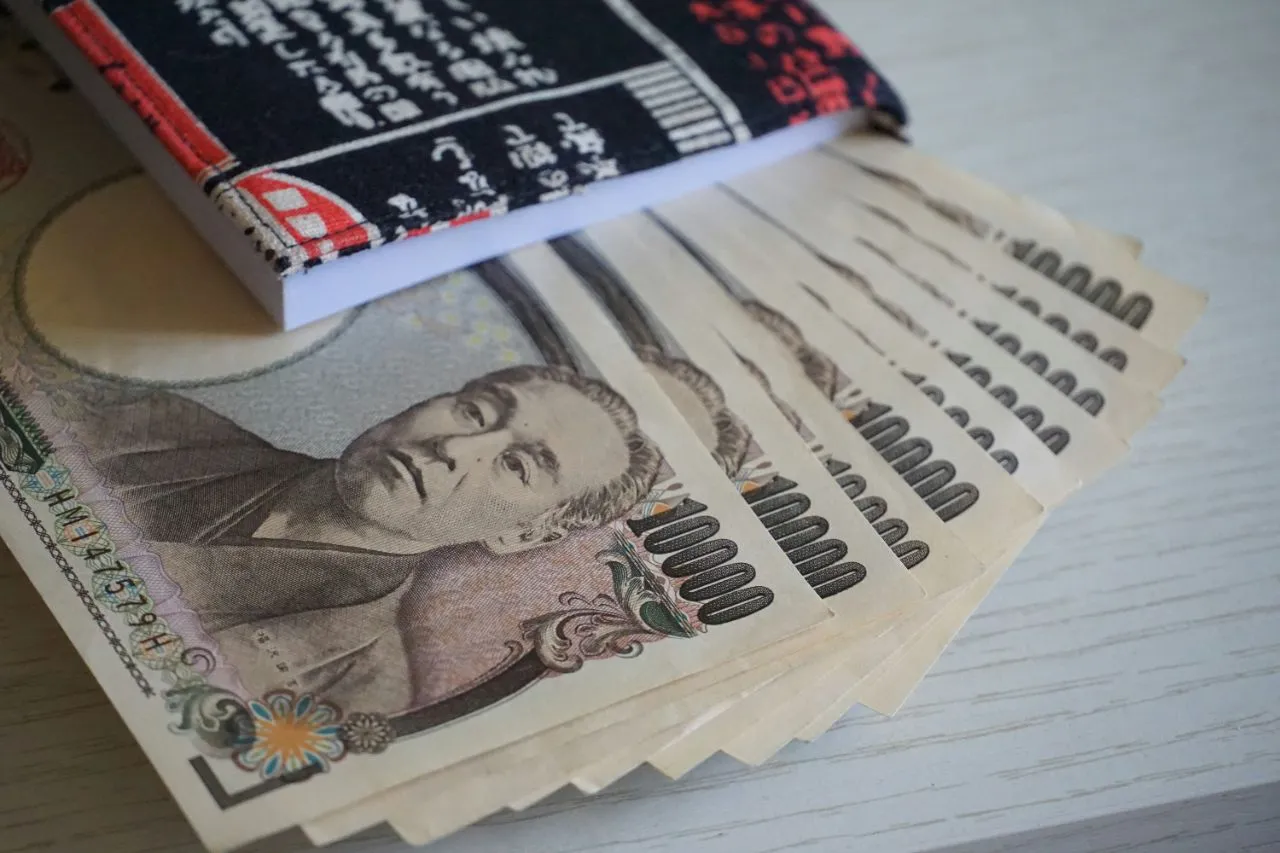
https://asset.coinness.com/en/news/3be884245fbab4f63de5365d4dd38b12.webp
Photo by jun rong loo on Unsplash

Entering recession

This recent surge coincides with reports confirming Japan's descent into an economic recession by the end of the previous year, slipping to fourth place behind Germany in terms of the world’s largest economies.


While central banks worldwide, including the Federal Reserve, aggressively raised interest rates in attempts to curb inflation, the Bank of Japan maintained near-zero interest rates and continued printing fiat currency. A recession characterized by inflation without corresponding growth prompts investors to seek refuge in safer havens like gold and digital gold. With that, there could be further opportunities for bitcoin to make further in-roads in Japan.


In 2023, Japan's core inflation, excluding volatile food and energy components from the consumer price index (CPI), rose by 3.1%, marking its most significant increase since 1982. Consequently, the yen depreciated to a 33-year low against the dollar, declining by 13% and 7.5% against the dollar previously, with an additional 6.4% decrease this year.


Bitcoin's persistent premium in Japanese yen terms suggests that it may continue to maintain higher valuations unless the Bank of Japan accelerates its exit from the ultra-loose monetary policy it has been pursuing. That would make yen holdings relatively more attractive compared to other assets.


Although a complete regulatory framework for digital assets in Japan is still lacking, the country has recently moved to make tax rules more crypto-friendly. Bitcoin's elevated valuation against the Japanese yen underscores the challenges facing Japan's fiat currency, driven by monetary policy decisions and economic uncertainties.

More to Read
View All
Policy & Regulation·

Dec 19, 2023

Palau proceeds with Ripple to Phase 2 of PSC currency program launch

Palau proceeds with Ripple to Phase 2 of PSC currency program launchThe Ministry of Finance of Palau has officially initiated the second phase of its Palau Stablecoin (PSC) program, a move aimed at expanding the digital ecosystem and enhancing user engagement.The launch was confirmed by Jay Hunter Anson, a cybersecurity consultant in Palau and adviser to the Ministry of Finance. Taking to the X social media platform on Friday, Anson outlined that “the Republic of Palau Ministry of #Finance seeks to expand accessibility and user participation, reaching a wider audience through educational initiatives.”PSC is a digital currency issued and managed by the Palau Ministry of Finance. It’s pegged to the United States dollar and operates on Ripple’s XRP Ledger. It first emerged that the authorities in Palau were collaborating with Ripple on this project back in July.Photo by Kurt Cotoaga on UnsplashBuilding on phase 1 successIn this next phase, Palau seeks to extend its collaboration with Ripple, leveraging Ripple’s central bank digital currency (CBDC) platform and technical expertise.The Ministry of Finance in Palau had previously announced the success of the first phase of the PSC program earlier this month. This initial three-month phase involved 168 volunteers from government employees who received 100 PSC each to use at local retailers participating in the program. Payments were made through mobile phones by scanning a QR code, and both retailers and volunteers provided positive feedback about their experience with the digital currency.Anson highlighted that the focus of the second phase of the PSC pilot program includes establishing new collaborations for marketing and sustainable development goals. Furthermore, the program prioritizes the development of a digital ecosystem and increased user engagement, with a strong emphasis on regulatory compliance.Anthony Welfare, CBDC Strategic Adviser at Ripple, shared his insights on the launch of the PSC pilot program’s second phase via social media. He underscored the advantages of blockchain-based digital currency, citing reduced transaction fees and the potential to address the environmental impact of money circulation. However, Welfare also acknowledged specific challenges, including the complexity of moving traditional currencies across Palau’s 340 islands and the high mobile data costs in the country.Welfare pointed out a notable feature of PSC, emphasizing that Palau residents can conduct offline transactions using this blockchain-based digital currency, even during power outages.Agile technological adoptionEarlier this month Ripple President Monica Long was featured by the New York Times in an article where she set out expectations for 2024. Long articulated that she believes that “people cannot maintain their faith in a financial system that relies on systems built decades ago to move money.”With the rise of cryptocurrency and blockchain technologies, it’s clear that our financial rails can and will be internet-native, in turn bringing greater accessibility and affordability to financial services for everyone,” Long added.Smaller nations like the Micronesian Republic of Palau have been more nimble in adjusting to the changes that Long refers to. This PSC stablecoin project demonstrates that reality.Palau is not alone. It emerged a few weeks ago that the Solomon Islands had entered into a collaboration with Japanese blockchain technology firm Soramitsu. As part of that project, a CBDC named Bokolo Cash has been unveiled as a proof of concept.

news
Web3 & Enterprise·

Nov 27, 2024

Hong Kong’s ZA Bank brings crypto trading to 800K retail customers

Zhong An Bank (ZA Bank), Hong Kong’s largest digital bank, has announced that it is now offering crypto trading services to its 800,000 retail customers. The bank set out details of its latest offering in a press release published to its website on Nov. 25. With that, ZA Bank claims to be the first Asian bank to offer crypto trading services to retail customers. Singapore’s DBS Bank was the first conventional bank in Asia to offer crypto services, although in that case, its offering was confined to institutional and accredited investors. It has yet to launch crypto trading for its retail customers.Photo by Traxer on UnsplashHashKey Exchange partnership While DBS built its own crypto exchange platform, in this instance, ZA Bank has decided to partner with local regulated crypto platform, HashKey Exchange. To begin with, the bank will offer Bitcoin and Ethereum in HKD and USD trading pairs. To promote the service, users are being offered commission-free trading during the first three months. A minimum investment level of HKD 600 ($70) has been set. Essentially, ZA Bank customers can access this trading feature through the ZA Bank banking app. Commenting on the partnership, HashKey Exchange CEO Livio Weng stated:”Our collaboration goes beyond technical synergies; it also reflects our shared commitment to upholding the highest regulatory standards. Looking ahead, HashKey Exchange will continue to work closely with ZA Bank to drive the development of the Web3 ecosystem, while delivering more diversified financial services to our users. Together, we aim to usher in a new era of wealth management.” HashKey Exchange is one of three virtual asset exchanges in the Chinese autonomous territory that have been fully regulated and licensed. Facilitating retail demand The bank cited a recent Hong Kong Association of Banks survey, which suggested that 70% of respondents believe that banks offering virtual asset trading services would mean greater convenience for people in accessing cryptocurrencies. Consequently, it would lead to further adoption of cryptocurrencies and it’s on this basis that ZA Bank has launched this latest service, catering to an emerging demand from its customers. Speaking to that, ZA Bank's Alternate Chief Executive Calvin Ng stated:“The rise of cryptocurrency presents investors with more diverse asset allocation opportunities.” On X, Neo blockchain co-founder Da Hongfei described the development as “noteworthy.” In particular, he highlighted the fact that ZA Bank supports account openings not just for Hong Kong residents but also mainland China residents living in Hong Kong. Notwithstanding that, crypto services still remain out of bounds for mainland China residents.  Hongfei also pointed out that the offering doesn’t allow the customer to transfer crypto purchased via the app off the platform. It is strictly limited to trading of crypto between digital assets and fiat currency. This offering by ZA Bank has been in the works for quite a while, with the bank having indicated that an app-based crypto retail offering was in development last December.  In September the bank received approval from the China Securities Regulatory Commission to add digital asset transactions to its Type 1 license. The bank is owned by ZA Global, an affiliate company of Chinese insurance company Zhong An.

news
Policy & Regulation·

Aug 23, 2023

Oman’s Crypto Mining Expansion Signals Further Economic Diversification

Oman’s Crypto Mining Expansion Signals Further Economic DiversificationOman has recently unveiled a state-of-the-art digital asset mining facility, as it continues in its quest to diversify its economy beyond oil exports.$150 million facilityThis cutting-edge mining facility was recently inaugurated, valued at around 135 million Omani rials, approximately $150 million, as a result of collaboration between Exahertz, an Omani company, and Moonwalk Systems, a Dubai-based blockchain solutions firm.Situated within the Salalah Free Zone, a hub that offers tax benefits to corporate entities, the facility is powered by mining hardware provided by leading Chinese mining equipment manufacturer Bitmain Technologies and is primed to house 2,000 machines, making for an 11-megawatt facility.Photo by Anusree Mohan on UnsplashExpansion plansSam Ferdows, the CEO of Moonwalk Systems, hailed the project, emphasizing the company’s dedication to expanding the facility’s capacity. Ferdows shared that plans are already in motion to increase the mining operation’s capacity to accommodate 15,000 miner units by October, with aspirations to expand to multiple cities. Recognizing the importance of corporate social responsibility relative to sustainability, Moonwalk Systems aims to train citizens through dedicated programs, further promoting the growth of the digital asset sector.Engineer Said Hamoud, Oman’s Minister of Transport, Communications, and Information Technology, who led the inauguration of the project, underscored its significance as a pivotal step in the nation’s digital transformation. He expressed confidence that the new mining facility would contribute to Oman’s growing digital economy.Second mining projectThis marks Oman’s second major move into the cryptocurrency mining space within nine months. Back in November 2022, the country inaugurated its first mining facility with a price tag of approximately $389 million. The combined investment in these ventures totals $740 million, which aligns with the broader regional push toward embracing the opportunities presented by blockchain and Web3 technologies.In the Middle East, several governments are actively investing in blockchain-related infrastructure. The United Arab Emirates, a neighbor to Oman, has notably begun to accept applications from Web3-related companies. The Virtual Assets Regulatory Authority (VARA), the local regulator in Dubai, has rolled out comprehensive regulatory directives that govern licensing requirements, company operations, and compliance.Oman, for its part, is not just focusing on infrastructure. It is also addressing regulatory aspects by requiring registered digital asset firms to establish a presence within the country. Evidence of those efforts emerged earlier this month when the Omani regulator, the Capital Market Authority (CMA), invited public feedback on a consultation paper that feeds into the development of a virtual asset regulatory framework in Oman. This versatile approach suggests that the Sultanate is making a conscious commitment to fostering a thriving blockchain ecosystem within the country.As Oman attempts to position itself as a regional blockchain hub, it recognizes the transformative power of cryptocurrencies and blockchain technology in propelling its economy forward. On that basis, the Middle Eastern country is making a resolute pivot from its oil-based past to a blockchain-enabled future.

news
Loading