Top

Hong Kong considers rules for fiat-backed stablecoin issuers

Policy & Regulation·December 28, 2023, 1:18 AM

The Financial Services and the Treasury Bureau (FSTB) and the Hong Kong Monetary Authority (HKMA) are charting new regulatory territory with the release of a comprehensive consultation paper outlining their proposal to accept and regulate fiat-referenced stablecoins (FRS) within the Chinese autonomous territory.

https://asset.coinness.com/en/news/9d50fa6c29f64f1d91793a2ff076311a.jpg

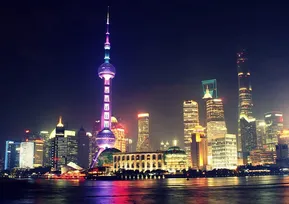
Photo by Ben Cheung on Pexels

Consultation process

The proposal has been published to the FSTB website in the form of a consultation paper titled “Legislative Proposal to Implement the Regulatory Regime for Stablecoin Issuers in Hong Kong.” Separately, the HKMA has published a press release on the topic. This development seeks to establish a regulatory framework for stablecoin issuers and address associated risks. The consultation period is scheduled to conclude on Feb. 29 of next year.


At the heart of this legislative proposal is the requirement for companies actively marketing the issuance of FRS to the public of Hong Kong to obtain a specific local license from the HKMA. The proposed criteria for obtaining this license are robust and include key elements such as maintaining reserves “at least equal to the par value” of all circulating stablecoins. This measure ensures that stablecoins remain fully backed, contributing to their stability and reliability.


The legislation also places a strong emphasis on the segregation and secure safekeeping of reserve assets, enhancing the protection of users’ funds and preventing misuse. Furthermore, issuers will be mandated to provide transparent disclosure and regular reporting, fostering accountability and transparency within the stablecoin ecosystem.


It is noteworthy that the proposed regulations explicitly exclude algorithmic stablecoins from obtaining an HKMA license, underlining a preference for stablecoins with solid reserve backing. No doubt the spectacular collapse of the UST algorithmic stablecoin in 2022 has informed the Hong Kong regulator’s decision to exclude consideration of algorithmic stablecoins in this instance.


Need to establish Hong Kong presence

To underscore their commitment to regulatory compliance, stablecoin issuers seeking an HKMA license will also be required to establish a registered office in Hong Kong. This office must have a chief executive, senior management team and key personnel in place, aligning with Hong Kong’s efforts to ensure that all activities related to stablecoin issuance are conducted responsibly.


The proposed licensing regime for FRS aligns with Hong Kong’s broader strategy to foster the growth of the Web3 ecosystem within the region. Christopher Hui, Secretary for Financial Services and the Treasury, highlighted the significance of this move, stating:


“With the implementation of the licensing regime for VA trading platforms from June this year, the legislative proposal to regulate FRS is another important measure facilitating Web3 ecosystem development in Hong Kong.”


Market competition

Back in February, the HKMA signaled its intent to regulate stablecoins when it issued a discussion paper considering various regulatory approaches. Competition is on an upward trajectory relative to stablecoin issuance and use. In June, Hong Kong-based qualified custodian First Digital Trust announced that it was gearing up to launch "First Digital USD," a U.S. dollar-backed stablecoin regulated in Asia rather than the United States.


Leading stablecoin issuer Circle has been active in furthering its product offering in Asia during 2023. It successfully attained licensing approval in Singapore while in Japan, it joined forces with SBI Holdings in an effort to propel further growth of its USDC stablecoin within the Japanese market.

More to Read
View All
Policy & Regulation·

Jun 16, 2023

Tether Critics Point to Previous Chinese Securities Backing

Tether Critics Point to Previous Chinese Securities BackingUSDT stablecoin issuer Tether (USDT) has long faced persistent scrutiny and criticism due to the lack of transparency surrounding the assets backing their digital currencies. The latest allegations come in the form of a report by Bloomberg on Friday suggesting that the world’s largest stablecoin was once backed by securities issued by Chinese companies.Photo by Manuel Joseph on PexelsNYAG releases documentsThese findings were based on documents made public by the New York Attorney General (NY AG). The documents disclosed that Tether had listed securities issued by China’s state-owned Industrial and Commercial Bank of China, China Construction Bank, and Agricultural Bank of China as part of its reserves backing the USDT stablecoin.Rumors about USDT’s exposure to Chinese securities have circulated for a number of years. In 2021, a Bloomberg research report revealed that Tether’s reserves reportedly included billions of dollars in short-term loans to China-based companies, as well as a significant loan to the collapsed crypto lender Celsius Network.However, in February 2021, Tether reached a settlement with the NY AG’s office over accusations of providing misleading information about its reserves and losses. To address these concerns, Tether handed over documents such as letters, bank accounts, reserve holdings, and wallet addresses through the law firm Steptoe.Attestation reportTether’s latest attestation report for Q1 2023, released on May 10, offered further details about its reserves. According to the report, Tether’s reserves were valued at $81.8 billion at the end of the quarter, a significant increase from the earlier period of $14.8 billion. These reserves consisted of $53 billion in US Treasuries, $1.5 billion in Bitcoin, and $5.3 billion in loans described as “over-collateralized.”The disclosure of Tether’s previous backing by Chinese securities adds another layer of complexity to the stablecoin landscape, raising questions about the risk exposure and potential impact on the stability of these digital assets. Using Chinese commercial paper to back a US dollar stablecoin is a risky endeavor.It raises the same issues as we’ve seen with the plethora of crypto lenders that went bankrupt in 2022. In those cases, they were using customer money to speculate and turn a profit. That’s fine when it works but when it goes wrong, it is customers who suffer. In its defense, Tether has stated that it only held A1 rated banking sector Chinese commercial paper in 2022 in state-owned Chinese companies like Industrial & Commercial Bank of China Ltd., China Construction Bank Corp., and Agricultural Bank of China Ltd. It reduced this exposure to zero later that year.With the cryptocurrency community and regulators seeking greater transparency and accountability, the industry is likely to face increased scrutiny and calls for enhanced regulations to ensure the integrity of stablecoin operations moving forward.As regulators continue to assess and navigate the evolving crypto market, it remains to be seen how the industry will address these concerns and establish clearer guidelines for stablecoin issuers to ensure the trust and confidence of market participants.

news
Web3 & Enterprise·

Jun 28, 2023

Amberdata Expands into Asia-Pacific with New Hong Kong Office

Amberdata Expands into Asia-Pacific with New Hong Kong OfficeAmberdata, a provider of digital asset data and analytics for institutional customers, is making significant strides in expanding its presence with the announcement of a new office in Hong Kong, marking its entry into the Asia-Pacific (APAC) region.Photo by Pixabay on PexelsMarket data offeringThe company published a press release on Tuesday, providing details on the milestone. The strategically positioned Hong Kong office will provide local sales and support to APAC customers, granting them access to Amberdata’s suite of products. These offerings include extensive on-chain, DeFi, spot, and derivatives market data, along with valuable market intelligence.Tongtong Gong, the COO and Co-Founder of Amberdata of the US-based firm, will spearhead the company’s operations in the region. Gong, expressing her excitement about returning to her home country, shared her aspirations to contribute to the growth of Amberdata’s presence in Asia.She highlighted the burgeoning development of Web3 in Hong Kong, which benefits from a clear regulatory environment and strong government support, making it an exceptional location for the new office.Industry trends eastwardsThe expansion into APAC by Amberdata aligns with the global trend of accelerating institutional adoption of cryptocurrencies and digital assets. By addressing the increasing demand for institutional-grade data infrastructure and analytics, Amberdata is positioned to serve as a crucial partner to financial institutions.The company’s foray into APAC is yet another demonstration of a trend among US-based digital assets companies to establish themselves in the east, where the regulatory environment is developing in a much more progressive, forward thinking way by comparison with the United States.Shawn Douglass, the CEO of Amberdata, said that the move was with a view towards expanding its presence in Asia, “to deliver the highest quality digital asset data and analytics to institutional investors in the region.”Hong Kong’s crypto credentialsHe emphasized the growing prominence of Hong Kong as one of Asia’s leading crypto hubs and highlighted the city’s suitability as the location for their new office. The establishment of a local office enables the company to effect a more direct sales and support pipeline to both new and existing customers within APAC.Amberdata holds a paramount position as the leading provider of digital asset data. Their comprehensive insights into blockchain networks, crypto markets, and decentralized finance seek to empower financial institutions with invaluable data for research, trading, risk assessment, analytics, reporting, and compliance.Also on Tuesday, the company added new product features. Taking to Twitter, Amberdata outlined the addition of derivatives data relative to a well-known trading and futures options platform, the Chicago Mercantile Exchange (CME). Service users are also now being given complete visibility on externally owned accounts and wallets within lending and borrowing protocols.As financial institutions increasingly enter the digital asset class and participate in digital asset markets, Amberdata’s robust infrastructure is being positioned as a vital component, enabling them to make informed decisions and navigate the dynamic landscape effectively.

news
Policy & Regulation·

May 03, 2023

Korean Gov’t Encourages Discussions on Tax Imposition within the Metaverse

Korean Gov’t Encourages Discussions on Tax Imposition within the MetaverseThe South Korean government is planning to hold an open forum in August, encouraging citizens to discuss the possibility of imposing taxes within the metaverse, according to News1.New social frameworkOn Tuesday, Korea’s Ministry of Science and ICT (MSIT) announced the government’s plan to develop a new social framework in the digital age. To achieve this, the government will set up an open digital forum and draft a digital bill of rights.Topics to be covered in the forum include generative artificial intelligence, the metaverse, and self-driving cars.Regulation-free metaversesThe idea of imposing taxes within the metaverse has piqued the interest of cryptocurrency users. The government has reportedly decided to exempt community-based metaverses from regulations to encourage growth. This policy will enable metaverse users to provide gaming content and engage in economic activities such as trading items and distributing giveaways. However, the potential surge in economic activities in the metaverse has brought up the issue of whether tax implementation is necessary in this virtual world.Though community-based metaverses are still premature, the government acknowledges the importance of discussing potential tax imposition.While the current agenda is focused on metaverses, it remains unclear whether discussions will extend to loosening regulations for blockchain-based games.Strict gaming restrictionsCurrently, Korean law prohibits trading game items for cash to deter gambling behavior, prompting Korean game developers to publish their titles overseas first. In fact, Netmarble launched blockchain-based mobile board game Meta World: My City in regions other than Korea last month. This has led to concerns that Korea is falling behind in the global gaming industry due to strict regulations.Digital bill of rightsFollowing the open forum in August, MSIT will collaborate with other relevant government agencies, including the Culture Ministry and the Land Ministry, to draft a digital bill of rights in September.MSIT Minister Lee Jong-ho said that the government will conduct regular surveys to identify areas for improvement, assess the societal impact of technological advancements, monitor each ministry’s measures, and review public opinions.© Pexels/Nataliya Vaitkevich

news
Loading
