Top

Com2uS to sell Flashman NFTs on X-PLANET to raise funds for subway ad 

Web3 & Enterprise·February 19, 2024, 8:43 AM

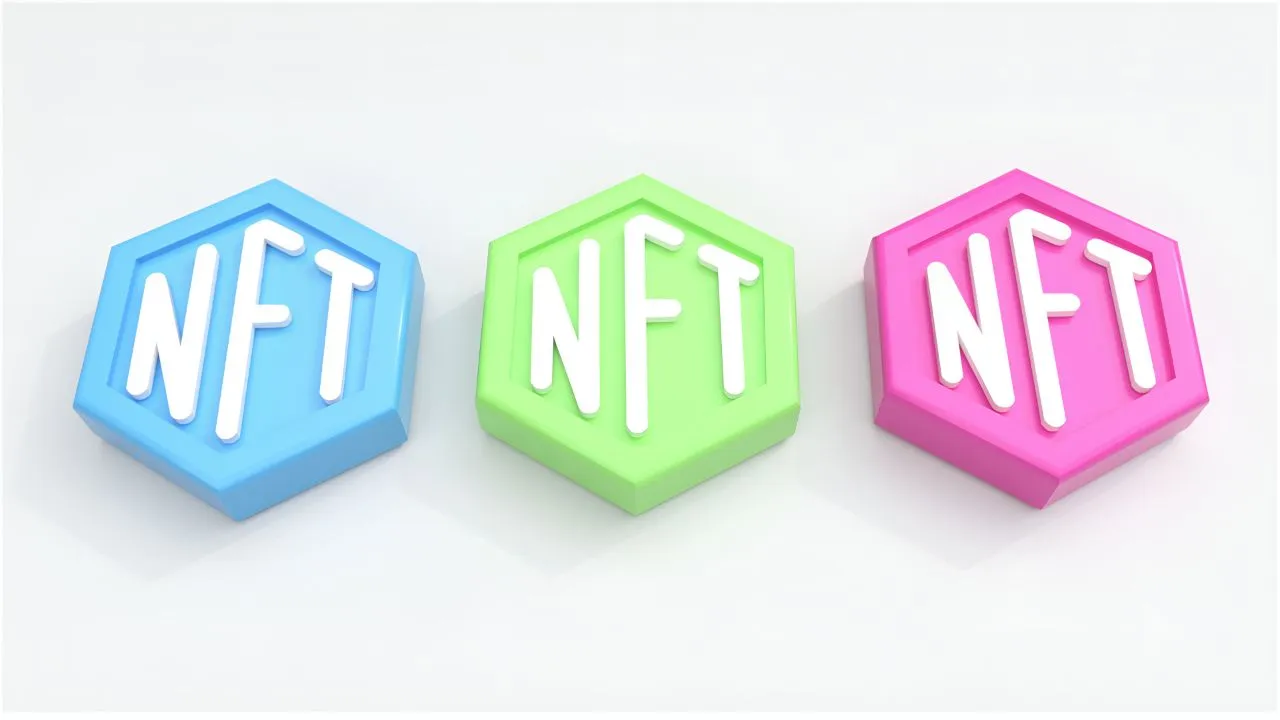
Com2uS Platform, a blockchain subsidiary of South Korean game company Com2uS Holdings, announced today that it will sell NFTs to fund subway advertisements celebrating the upcoming fan meeting of Choushinsei Flashman, a Japanese live-action superhero series produced by Toei Animation. This year marks the 35th anniversary of the show’s introduction to Korea. 
https://asset.coinness.com/en/news/97b0ed5801b7229f592fc3be546beb32.webp
Photo by Choong Deng Xiang on Unsplash

Special event for South Korean fans

This “Cosmo Sword NFTs” campaign has been launched by Com2uS Platform, backed by local fans’ voluntary participation and their enthusiasm towards the series. It has a special meaning for the fandom as it is the first time that the stars of Choushinsei Flashman are visiting Korea. The entire proceeds will be used to put advertisements on subway stations. This promotion is expected to attract a lot of fans as they can take selfies against the advertisement display or put paper notes containing messages for Flashman actors on the board. 


Fan meeting to take place in April 

The Flashman fan meeting is planned to be held on April 20 at Sky Art Hall located in Gangseo-gu, Seoul. The event will feature seven actors and actresses from Flashman, including Tarumi Tota who starred as “Red Flash,” a main protagonist, and Hagiwara Sayoko who performed as the villain “Ray Nefel.” Participants will be able to enjoy on-site giveaway events and collective exhibitions. 


Blockchain-enabled event tickets 

Fan-meeting NFT tickets can be exclusively purchased from X-PLANET, an NFT marketplace. VIP seats have already been sold out. The NFT tickets utilize blockchain technology which allows only ticket buyers to enjoy the show. They are resistant to forgery or counterfeiting since every process from purchasing to admission is recorded onchain, keeping scalpers at bay. 


Run by Com2uS Platform, X-PLANET strives to showcase various artworks in the realms of games and K-pop to NFT enthusiasts in the global Web3 market. The platform is committed to producing high-quality NFT content in collaboration with skillful artists and various organizations.



More to Read
View All
Web3 & Enterprise·

Apr 29, 2025

Stacks establishes foundation within UAE’s ADGM

The Stacks Asia DLT Foundation, an organization associated with the Stacks Bitcoin layer-2 network, has become the first Bitcoin-based foundation to establish itself within, and be recognized by, the Abu Dhabi Global Market (ADGM). ADGM is a free zone and international financial centre located on Al Maryah Island within the capital of the United Arab Emirates (UAE). In a press release published on April 28, the foundation set out that it has established itself within the ADGM in an effort to further grow the adoption of the Bitcoin layer-2 network within Asia and the Middle East, while leveraging the positive regulatory environment that has been established by the ADGM with regard to distributed ledger technology (DLT).Photo by Joshua Woroniecki on UnsplashAttracting DLT foundationsThe ADGM has played a significant role in positioning the UAE as a go-to location for crypto startups and projects. The Berlin-based IOTA Foundation, developer of the IOTA DLT project, was among the first to establish a foundation within the ADGM to promote use of its network in the Middle East region back in November 2023.Since then, others have followed. In 2024 DLT foundations were established related to blockchain projects such as Kaia, Aptos and Beam. Last month DeFi protocol project NEOPIN announced that it had established a DLT foundation within the ADGM.  The free zone has proven popular not just among DLT foundations, but among crypto startups too. Projects such as Polygon Labs, Chainlink Labs and TON have established a presence there. Regulatory frameworkThe ADGM has its own regulator, the Financial Services Regulatory Authority (FSRA), and it established a framework for blockchain foundations in 2023. In establishing the Stacks Asia Foundation within the ADGM, the project would have had to register as a DLT Foundation, while meeting all local legal and regulatory requirements.Kyle Ellicott, interim Executive Director of the Stacks Asia DLT Foundation, commented on the development, providing an insight into why the ADGM was chosen:”We chose to establish our presence in ADGM because of its unparalleled commitment to fostering innovation in the blockchain space. Their forward-thinking approach to policy-making aligns perfectly with the Stacks ecosystem’s history of creating pathways for Bitcoin builders.”  Bitcoin programmabilityThe foundation asserts that it will play a “pivotal role” in forging the future of Bitcoin programmability and its adoption in that respect within Asia and the Middle East.  Referring to Bitcoin while speaking at the Abu Dhabi Digital Assets Forum, Ellicott said that “the once sleepy asset, seen only as a store of value, is now yielding with Layer 2s," through Stacks Bitcoin (sBTC), a 1:1 Bitcoin-backed asset hosted on the Stacks blockchain network. Stacks believes that the next wave of growth for Bitcoin will come through Bitcoin layer-2s. The project claims that unlike wrapped Bitcoin (wBTC), sBTC doesn’t rely on centralized intermediaries. The asset has been designed to extend Bitcoin’s utility, enabling Bitcoin-adjacent DeFi applications and smart contracts. While the project highlights the importance of Bitcoin layer-2 going forward, back in February, Stacks co-founder Muneeb Ali forecast that a shakeout of Bitcoin layer-2 projects will occur, with only a handful of such projects surviving over the course of the next three years.

news
Web3 & Enterprise·

Jan 13, 2024

Telcoin makes users whole in exploit recovery

Singapore-regulated Telcoin, a developer of financial applications for mobile users, has successfully restored user balances following an exploit that saw approximately $1.2 million worth of funds transferred from affected accounts.Photo by Martin Sanchez on UnsplashUnauthorized withdrawal of assetsThe incident, which occurred in late December, was attributed to an error in the interaction between Telcoin's digital wallet and a proxy contract on Polygon. In a blog post which was published on Wednesday, the company shared a full post-mortem analysis report which it commissioned Hong Kong-based blockchain security firm BlockSec to carry out, relative to the exploit. The fault in the proxy contract's implementation caused a technical conflict that allowed for the unauthorized withdrawal of assets. Fortunately, no admin keys were compromised, ensuring that the broader Telcoin ecosystem remained unaffected. In response to the security breach, Telcoin took action by immediately freezing the use of its application as a precautionary measure. The team initiated an investigation and committed to releasing updates promptly to address the issue and restore normalcy. The identified address associated with the exploit was 0x35d2775e5f95596509951b140d68fc5b9185ff98. TEL token freefallDespite the initial market turbulence, with the price of the Telcoin (TEL) token plummeting, the cryptocurrency has demonstrated resilience. On Dec. 25, TEL fell from a peak price of $0.00235146 to $0.00122535, representing a 48% decrease. At the time of writing, the price has slightly rebounded, trading at $0.001335. Nevertheless, it's still down 40% over the course of the past month's trading. In a social media direct message to CoinDesk recently, Telcoin's founder and CEO, Paul Neuner, expressed pride in how his team responded to the issue, stating: “Making the decision to preemptively restore affected user wallets from our company treasury was a no-brainer, and I’m proud of the team for making that happen in record time.” Regulatory standingTelcoin's regulatory standing played a crucial role in instilling confidence during this challenging time. Although headquartered in Tokyo, the company is regulated in Singapore as a Major Payment Institution (MPI) by the Monetary Authority of Singapore (MAS). The firm is also registered and regulated in other global markets, including Canada and Australia. Telcoin maintains offices in Singapore, Tokyo, Dubai and Los Angeles. The company had been active in trying to shape regulation in the United States in 2023, with company executives having made repeated visits to Washington D.C. to meet with Financial Services Committee members and staffers on Capitol Hill. In April of last year, the company extended its service offering to the European market, starting out initially in Lithuania.It appears that the restoration of Telcoin's application services led to a significant boost in user confidence. The company reported a 400% increase in deposits compared to the previous month. Users responded favorably to Telcoin's swift resolution of the security breach, with a ratio of $3.60 being deposited for every $1 withdrawn in the first day since the service restoration. Telcoin's measures, collaboration with security experts and the surge in user deposits appear to have resulted in a resilient recovery. The saga highlights the importance of prompt and transparent responses in maintaining trust in the face of crypto security issues.  

news
Policy & Regulation·

Feb 07, 2024

Hong Kong’s SFC appeals to digital asset investors to verify licenses

As Hong Kong approaches the culmination of the Securities and Futures Commission's (SFC) deadline for cryptocurrency exchanges to seek licenses, the regulator issued a reminder to investors about the potential risks associated with trading on unlicensed platforms.Photo by Jarrod Erbe on UnsplashUrging cautionIn a notice released on Monday, the SFC emphasized the importance of engaging exclusively with SFC-licensed virtual asset trading platforms (VATPs) to ensure investor protection. With only one month remaining for exchanges to apply for a license under the city's virtual asset regulation, the SFC urged investors to exercise caution when dealing with platforms that have not yet received approval.The SFC suggested that investors check the list of regulated platforms, which it maintains on its website. Within the notice, the regulator outlined that in the past, some platforms have claimed to be regulated entities when they were not compliant platforms and not adhering to existing regulations within the Chinese autonomous territory. The advisory comes after the fallout from a high-profile fraud incident involving the JPEX trading platform last fall, resulting in substantial losses of $192 million. Growing list of VATP license applicantsLast month, four additional crypto exchanges, including the KuCoin-affiliated HKVAEX and Singapore-based Bybit, joined the list of official VATP license applicants. The SFC began publishing this list in response to the JPEX scandal, underscoring the importance of regulatory compliance in the cryptocurrency sector. Hong Kong's virtual asset regulation, enacted as an amendment to the Anti-Money Laundering and Counter-Terrorist Financing Ordinance last year, stipulates that companies engaged in selling or marketing cryptocurrencies to Hong Kong residents must apply for a license by Feb. 29. Those failing to do so must cease business operations in the city by May 31. Currently, OSL and HashKey are the only licensed exchanges in Hong Kong, having received an earlier voluntary license that was later upgraded to include retail investors. These exchanges are operating under an interim solution permitted by the SFC, allowing retail investors to trade on their platforms. Setting a high barWhile 14 companies have formally submitted license applications to date, Patricia Ho, General Counsel for blockchain company Scroll, told the South China Morning Post (SCMP) that the stringent requirements set by Hong Kong have led to a selective process. Ho explained that the city has intentionally set a high bar for application submission, resulting in only the most committed and resourceful entities progressing to the application stage. Last month, it emerged that the SFC had acted to bolster investor protection by introducing a minimum insurance requirement of 50% for licensed crypto exchanges that handle customer funds. It is also planning to introduce a regulatory framework relative to crypto over-the-counter (OTC) trading desks. The SFC is also monitoring individual crypto projects, as last week, the regulator issued a stern warning to those behind the offering of the Floki and TokenFi staking programs. As the deadline approaches, Ho anticipates potential enforcement actions against smaller platforms operating in legal gray areas. Larger platforms, on the other hand, have already begun restricting access from Hong Kong. 

news
Loading