Top

Two Russians caught in $42M USDT cross-border transfer case in South Korea

Policy & Regulation·May 22, 2025, 6:30 AM

Two Russian nationals have been referred to prosecutors in South Korea for allegedly facilitating the illegal transfer of roughly 58 billion won ($42.2 million) to Russia using USDT, a U.S. dollar-pegged stablecoin. According to a report by KBS News, the Seoul branch of the Korea Customs Service (KCS) announced the charges on May 22, citing violations of the country’s Foreign Exchange Transaction Act. The suspects, a man and a woman both in their 40s, reportedly operated an unauthorized money exchange business to carry out the transactions.
https://asset.coinness.com/en/news/8c791aa85554ecb878fe696beaaa3ad0.webp
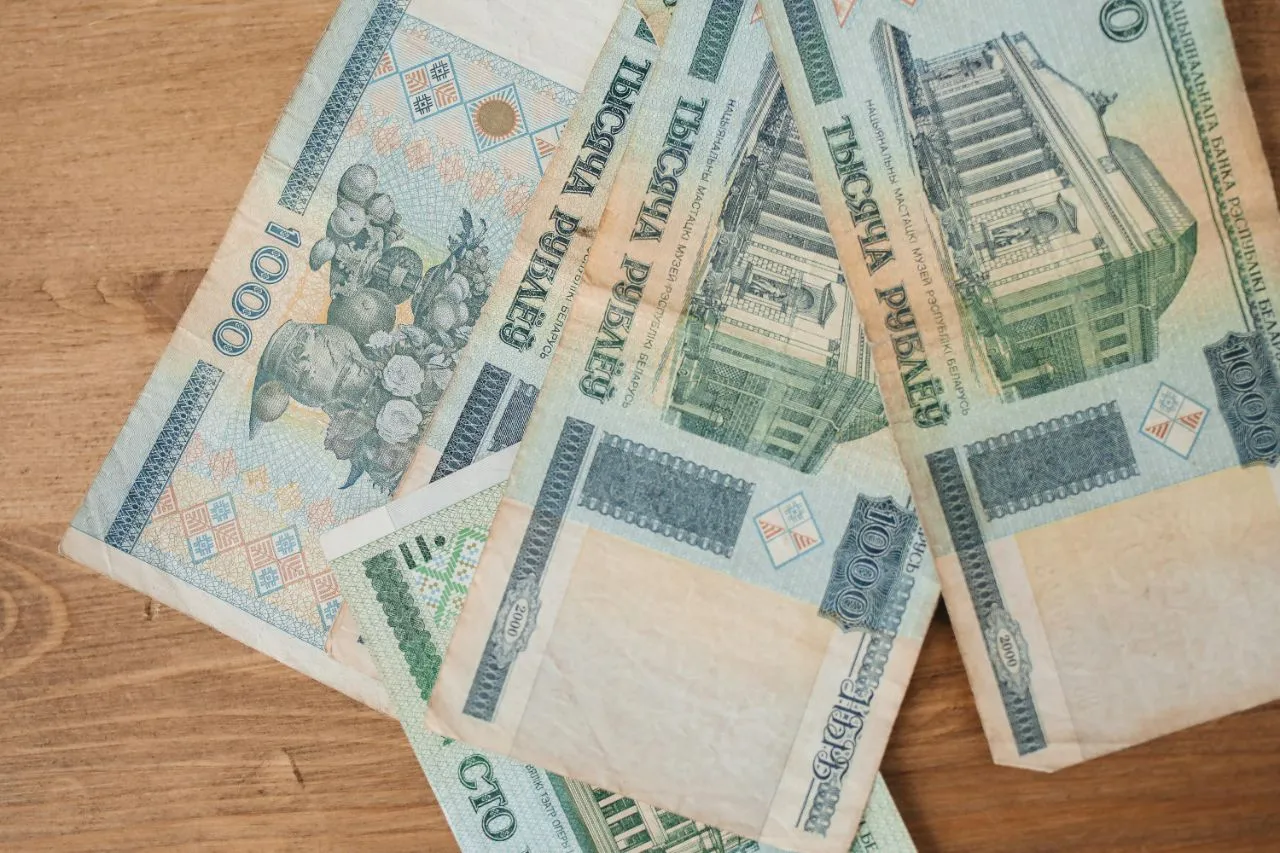
Photo by Polina Tankilevitch on Pexels

Over 6K transactions

Authorities suspect the pair of repeatedly using USDT to conduct cross-border transfers between South Korea and Russia. From January 2023 to July 2023, the duo allegedly completed 6,156 illegal remittance transactions, either sending funds abroad or receiving payments on behalf of others, totaling the full 58 billion won in question.


Investigators revealed that the two suspects, who hold permanent residency in South Korea and have overseas Korean status, used the messaging app Telegram to solicit clients. When transferring money to Russia, they reportedly collected funds via kiosks in convenience stores that allow users to send money without a bank account. The collected cash was then used to purchase USDT to complete the remittances.


According to customs officials, the suspects would either send the cryptocurrency directly to a crypto wallet specified by the customer, or forward it to accomplices in Russia. These accomplices would then convert the crypto to cash and distribute rubles to recipients through local channels.


Illicit crypto use by businesses

 The operation also handled export payments for South Korean businesses. The suspects reportedly accepted payments from Russian importers on behalf of Korean used car dealers and cosmetics exporters. In these cases, associates in Russia would collect ruble payments from importers, convert the funds into USDT and send the cryptocurrency to contacts in Korea. The funds were then exchanged for Korean won and deposited into the accounts of the businesses.


Customs officials believe that the group’s services became particularly appealing after the start of the Russia-Ukraine war in 2022. In the wake of U.S. and international sanctions against Russia, legitimate financial channels for cross-border transactions became restricted, prompting some companies and individuals to turn to illegal alternatives. The Korean export companies involved in these transactions have been fined.


The Seoul Customs Office emphasized that illegal money exchange operations are often exploited for criminal activities such as drug trafficking, voice phishing and gambling. In response, the agency committed to stronger enforcement and pledged to spare no effort in combating unlawful financial operations.


Scams grow inside the border

The surge in crypto-related financial crimes in South Korea extends beyond cross-border transactions. According to a recent report by Maeil Business Newspaper, Kakao Pay—a local mobile payment platform—has detected around 70,000 cases of malicious apps linked to virtual assets over the past month. Of those, 80% were associated with Ponzi schemes, where fraudsters lure victims with promises of high returns before disappearing with the funds. A Kakao Pay spokesperson noted that new forms of security threats are emerging alongside the rapid growth of the crypto market, adding that the company is prioritizing the development of stronger security systems.


 

More to Read
View All
Web3 & Enterprise·

Oct 03, 2023

Laser Digital Expands Global Presence with New Tokyo Office

Laser Digital Expands Global Presence with New Tokyo OfficeLaser Digital Asset Management, the digital asset subsidiary of Japanese financial giant Nomura, is taking significant steps in its global expansion strategy by opening a new office in Tokyo, Japan. That’s according to a statement published by the firm on Monday.Photo by Jaison Lin on UnsplashNomura executive appointmentTo lead this strategic move, Hideaki Kudo, a seasoned professional with a distinguished career at Nomura, has been appointed as the Representative Director and Head of Laser Digital’s Japanese operations.Kudo’s impressive journey within the Nomura Group began in 2007 when he joined Nomura Asset Management, where he later held the position of Senior Portfolio Manager. Over the years, he played a pivotal role in contributing to the group’s success. His expertise caught the attention of Nomura’s Digital Company, where he served as an Executive Director, responsible for shaping the group’s digital asset strategy. Kudo’s track record includes spearheading essential projects such as the development of security tokens and orchestrating Japan’s first-ever real estate security token offering.Commenting on his new role at Laser Digital, Kudo expressed his excitement, stating:“It’s exciting to join Laser as they expand operations to Japan. Since 2019, I have been managing Nomura’s advancements into the digital asset space, and I am delighted to now join the Laser team on their journey.”Earlier this year the firm strengthened its venture capital arm through the appointment of industry veteran Florent Jouanneau as a new partner.Zurich-headquartered Laser Digital, launched by Nomura last autumn, is led by Co-Founders Steven Ashley and Jez Mohideen. Ashley, a former leader of Nomura’s wholesale division, emphasized the importance of having 24/7 operational management to optimize support for their trading business.Setting their sights on Japan for expansion into the Far East, Kudo’s extensive experience at the Digital Company is expected to be invaluable for Laser Digital’s development and growth. Laser Digital uniquely combines the discipline and capabilities of global investment banking with the expertise of a crypto-native team.Broader expansion strategyLaser Digital’s expansion into Japan aligns with a broader trend of crypto companies seeking growth opportunities in Asia, as noted by Laser Digital CEO Jez Mohideen. In a recent interview, Mohideen expressed optimism about the crypto ecosystems in Japan and Hong Kong, highlighting the potential for significant growth in the region.He also emphasized the importance of regulatory clarity in Asia and the Middle East, suggesting that these factors would play a pivotal role in driving crypto adoption. In August, Laser Digital secured a crypto license from Dubai’s virtual asset regulatory authority, enabling the provision of virtual asset broker-dealer and investment services from its Dubai entity. Last month the company received in-principle approval from the Abu Dhabi Global Market (ADGM), further solidifying its presence in the Middle East.As Laser Digital continues to expand its global footprint, the appointment of Hideaki Kudo and the establishment of a new office in Tokyo mark significant milestones in the company’s journey to provide comprehensive digital asset solutions to clients worldwide. With Kudo’s leadership and Nomura’s backing, Laser Digital is attempting to position itself for further success in the burgeoning crypto industry.

news
Policy & Regulation·

May 17, 2023

Cross Trading of LUNA Tokens Uncovered on Three Korean Crypto Exchanges

Cross Trading of LUNA Tokens Uncovered on Three Korean Crypto ExchangesAccording to a report by the Maeil Business Newspaper on Wednesday, it was discovered that cross trading of LUNA tokens took place on three South Korean cryptocurrency exchanges: Bithumb, Coinone, and GoPax.Three crypto exchangesAn indictment by the Seoul Southern District Prosecutors’ Office against Terraform Labs co-founders Do Kwon and Daniel Shin, along with interviews conducted within the cryptocurrency industry, revealed that Bithumb, Coinone, and GoPax were involved in cross trading LUNA tokens with a combined value of $598 million. Specifically, Bithumb accounted for $224 million, Coinone for $299 billion, and GoPax for $74 billion.The prosecution has confirmed that cross trading continued until the end of February 2022, a period marked by significant demands for virtual asset legislation from both the market and academia. Despite widespread calls for regulations to curb unfair trading practices, these instances of cross trading went undetected.Classification of LUNAMoreover, it is reported that legal punishment for the $598 million worth of cross trading is challenging unless LUNA tokens are officially recognized as securities by the court. Under the Korean Capital Markets Act, only cross trading involving tokens identified as securities can be subject to penalties as a form of market manipulation.During a plenary session of the National Assembly’s Legislation and Judiciary Committee on Tuesday, Justice Minister Han Dong-hoon made a statement suggesting that LUNA tokens could be considered securities due to their backing by real-world assets. However, he said that this distinction might not apply to other tokens.On April 25, the Seoul Southern District Prosecutors’ Office indicted Shin and others as accomplices to Kwon, assuming that LUNA tokens were indeed securities. This case now revolves around whether the prosecution can successfully establish the classification of LUNA tokens as securities during the trial, making it the central issue in the case.Photo by Kanchanara on UnsplashCrypto investor protection legislationLast Thursday, the National Assembly’s National Policy Committee approved a bill known as the “Virtual Assets User Protection Act,” signaling an accelerated legislative process. However, there are arguments suggesting that the definition of cross trading should be further clarified in either the legislation or enforcement decree.A representative of a law firm specializing in virtual assets stated that the implementation of the User Protection Act would take another year even after its promulgation, making it challenging to retrospectively penalize cross trading practices that had already occurred.

news
Web3 & Enterprise·

Aug 14, 2023

Next Month’s Hackathon Event in Seoul Draws Attention from Ethereum Developers

Next Month’s Hackathon Event in Seoul Draws Attention from Ethereum DevelopersTickets for Ethcon Korea 2023, a conference dedicated to Ethereum developers and hackathon enthusiasts, are now available for purchase.Photo by DrawKit Illustrations on UnsplashTickets now availableThe Ethcon Korea organizing committee announced today that tickets are now on sale through the official event website. Participation in the hackathon is open to programmers who stake $79, while conference enthusiasts can buy their tickets at the price of $69.With the goal of expanding the Ethereum development ecosystem, Ethcon Korea is the only non-profit Ethereum developer conference in Korea, benefiting from the sponsorship of the Ethereum Foundation. This year’s event will take place in Seoul between September 1 and 3, consisting of four main parts: the conference, an educational workshop, a hackathon, and a demo day.Vitalik Buterin to deliver a keynote speechAt the conference, Ethereum co-founder Vitalik Buterin is set to deliver a keynote speech, which will be followed by presentations of prominent developers and researchers from both home and abroad. Industry experts will participate in the workshop to share valuable insights, bolster participants’ technical skills, and cultivate a collaborative environment, encouraging them to showcase their potential in hackathon projects.Hackathon backed by quadratic fundingThe three-day hackathon will be backed by the quadratic funding method, an idea initially proposed by Vitalik Buterin together with Harvard economist Zoë Hitzig and Microsoft researcher E. Glen Weyl. Quadratic funding is a democratic and inclusive funding mechanism that puts more emphasis on smaller contributions from a larger group of contributors.The organizing committee noted that Ethcon Korea 2023 will not only encourage developers to pursue learning but will also drive growth within the blockchain industry. The group also added that the event will play a role in increasing the global recognition and understanding of the Korean Ethereum community.Ethcon Korea 2023 is sponsored by many renowned organizations including Ethereum layer-2 projects Optimism and Polygon, decentralized oracle network Chainlink, and blockchain investment group Hashed. Contributions from these sponsors and proceeds from ticket sales will be allocated towards event operations and the establishment of a prize pool.The organizing committee is recruiting individuals who are interested in contributing as volunteers or offering their expertise as hackathon advisors. Those interested in participating in these roles can apply through the official event website. The application window for these roles will remain open until the end of this month.

news
Loading