Top

LDP Working Group Proposes Web3 Industry Plan to Japan’s Prime Minister

Policy & Regulation·May 12, 2023, 8:15 AM

Japan’s ruling Liberal Democratic Party (LDP) announced that its Working Group for Digital Society Promotion presented a proposal related to the Web3 industry to Prime Minister Kishida Fumio on Tuesday. The information was made public on the party’s website and later reported by the Korean crypto media outlet Tokenpost.

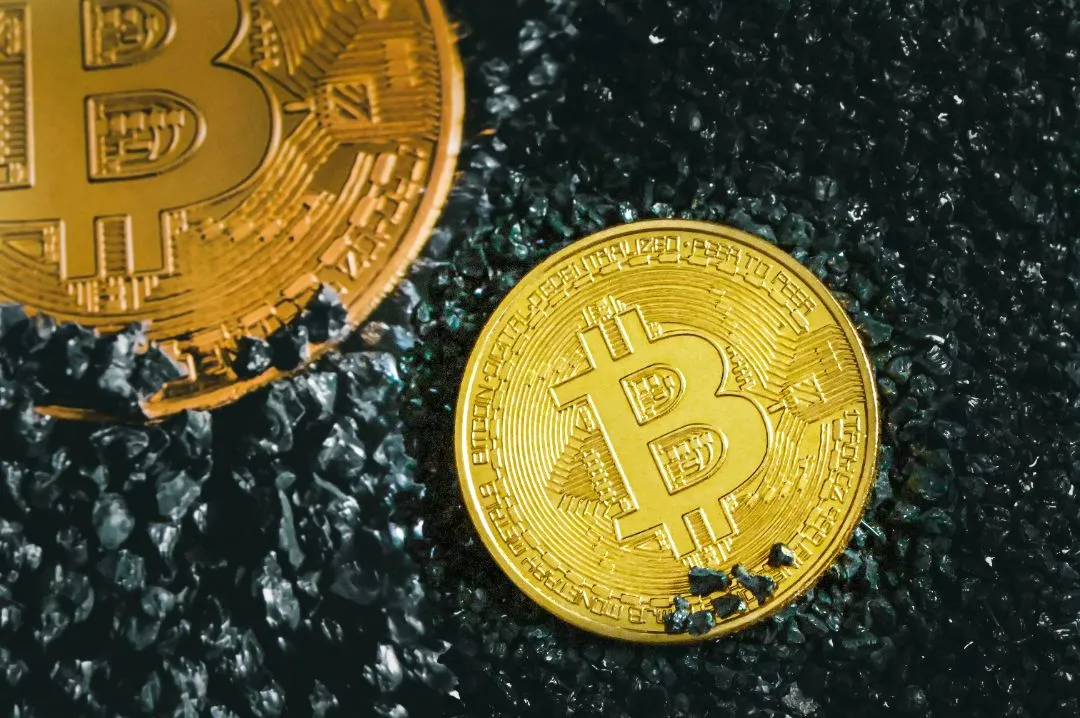
Photo by Jezael Melgoza on Unsplash


Improved crypto regulations

The comprehensive 35-page study favorably reviewed the enhanced cryptocurrency regulations implemented by the Japanese government following the 2014 Mt. Gox breach and the 2018 Coincheck hack. The study credits these improved regulations for nurturing Japan’s robust Web3 ecosystem, which received global attention amidst the recent crypto winter. This term refers to a period marked by a sustained downturn in cryptocurrency values.

Japanese crypto exchanges demonstrated prudence by refraining from listing most of the problematic tokens on their platforms, thereby averting panic within the market. This cautious approach was supported by Japanese law, which mandates crypto exchanges to securely store customers’ staked tokens separately. As a result, they were shielded from the repercussions of the FTX bankruptcy, which arose due to a liquidity crisis of FTT, the global crypto exchange’s native token.


Significance of security tokens

The paper optimistically projected that Japan could lead the way in passing through the crypto winter ahead of other countries, citing the nation’s track record of overcoming numerous challenges in the industry. The authors highlighted the exit of speculative projects from the sector, balanced by the rise and continuous growth of new blockchain-based businesses. The report underscored the significance of tradable security tokens, which leverage blockchain technology to represent assets or rights.

The adaptable nature of blockchain technology was emphasized, particularly its potential to incentivize social activities like volunteering. This versatility enables the broader public to actively participate in monitoring and addressing issues related to deteriorating infrastructure, thereby reducing associated management costs across society.


Crypto taxation

The proposal also addressed the issue of crypto taxation, arguing for enhancements to the token investment environment to bolster blockchain-driven businesses. Currently, Japan taxes tokens held by corporations, discouraging domestic investment and stifling the growth of the Japanese Web3 ecosystem. To rectify this, the paper suggested exempting tokens issued by a third party from taxation if they are not intended for short-term trading.

Moreover, the authors addressed the high taxation rates facing retail investors in Japan, which can reach up to 55% on income from crypto trading. This stricter tax regime compared to other countries has led many taxpayers to seek investment opportunities abroad. The authors suggested improvements to create a more investor-friendly environment.


Token listing procedure

The proposal also included recommendations concerning token listings. In Japan, crypto exchanges are currently obligated to undergo a preliminary review conducted by the Japan Virtual and Crypto Assets Exchange Association (JVCEA) before listing tokens. It was suggested that the review process should be further refined to enhance efficiency.


Yen stablecoins

The authors emphasized the importance of introducing and circulating yen stablecoins to foster the growth of the Japanese Web3 industry, necessitating the development of a sustainable business model for these stablecoins.


Content & Web3

Furthermore, the proposal underscored the need for clear guidelines to discourage gambling behaviors and promote responsible usage within the NFT space. It advocated for the establishment of an industry organization bridging the content industry and the Web3 industry, which would facilitate collaboration and collective efforts towards a robust NFT ecosystem in Japan. Measures to protect Japanese content and data from unauthorized monetization by foreign entities were also recommended.

According to an industry official who spoke with Tokenpost, Japan’s extensive preparations for the Web3 initiative have instilled confidence in the sector. The official highlighted that the country is currently exploring ways to establish connections between these new projects and existing industries, with the goal of maximizing their economic potential and generating fruitful outcomes.

More to Read
View All
Policy & Regulation·

Apr 14, 2023

Hong Kong Enticing Crypto Firms from Mainland China

Hong Kong Enticing Crypto Firms from Mainland ChinaIn the wake of various scandals and high-profile bankruptcies, some governments have shunned the cryptocurrency industry, but Hong Kong is instead embracing mainland China crypto companies, urging them to relocate to the city in a bid to bolster its status as a financial hub.©Pexels/RODNAE ProductionsEmbracing cryptoAfter enduring an exodus of bankers amid a China security crackdown and stringent COVID curbs, Hong Kong is now making a concerted effort to revitalize its finance sector by embracing crypto. Top Hong Kong government officials, including Chief Executive John Lee, have voiced their support, and the city is planning to hold 100 crypto-related conferences and lavish parties throughout April. Hong Kong is “very serious about building an international virtual asset center,” said Xiao Feng, chairman of Hong Kong crypto exchange HashKey, which drew 13,000 people on the first day of its Hong Kong Web3 Festival, the most significant conference of the month.HashKey obtained a license to operate in Hong Kong last November, making it one of two licensed crypto exchanges in the city, alongside rival exchange OSL. Xiao told Reuters that many people in the crypto industry had initially assumed that Hong Kong would inevitably adopt the same regulations as mainland China. However, the government is now emphasizing that Hong Kong operates under the “One Country, Two Systems” framework and enforces distinct laws.SkepticsDespite this, many remain skeptical of Hong Kong’s promise of a stable regulatory regime on cryptocurrencies. One crypto venture capitalist, who spoke to Reuters on the condition of anonymity due to the sensitive nature of the matter, expressed concern over China’s crypto ban, which still looms large in the background. “If Hong Kong can suddenly claim to be crypto-friendly, that switch can be flipped off just as quickly should things become challenging,” he said.Crypto licensing interestNevertheless, at least 10 companies with Chinese founders, including OKX, Bybit, and Huobi, have announced or are planning to announce their bid for licenses in Hong Kong. These firms, which have exited countries like Canada and the UK, are among the sponsors of the most glamorous Hong Kong parties this week. Bybit held a private dinner for industry heavyweights, and OKX reserved a rooftop venue overlooking Victoria Harbour, where guests could enjoy a stunning view.At one event on Tuesday, Tron founder Justin Sun, addressed a mainly Chinese-speaking audience, stating, “I can’t believe that we are having such conferences on Chinese soil.” Sun has been charged with fraud by the US Securities and Exchange Commission (SEC), but he argued that the charges lacked merit and accused the regulator of targeting crypto players. “Hopefully, one day, we will have such events in Shanghai and Beijing,” he remarked.Despite the lingering concerns, Hong Kong is committed to establishing itself as a leading finance hub in the cryptocurrency industry and is sparing no effort to achieve its goals.

news
Policy & Regulation·

Jun 14, 2023

North Korean Hackers Take Off With $100M Atomic Wallet Honeypot

North Korean Hackers Take Off With $100M Atomic Wallet HoneypotHaving reported last week on a $35 million hack of Atomic Wallet users’ funds, an update on the matter reveals that the situation is much worse than originally thought, with losses now exceeding $100 million.Photo by Kenny Eliason on Unsplash5,500 wallets compromisedThe attack has sent shockwaves throughout the crypto community, raising concerns about the security of decentralized wallets. Atomic Wallet, an Estonia-based project known for its non-custodial approach where users take full responsibility for storing their assets securely, has been hit hard by this unforeseen breach.Elliptic, a crypto compliance analysis company, published an update on the situation on Tuesday. According to that blog article, it estimates that approximately 5,500 crypto wallets have been compromised, meaning that losses have risen to more than $100 million, highlighting the severity of the attack.Despite the significant impact on users, Atomic Wallet has yet to provide an explanation regarding the root cause of these substantial losses. Users have taken to social media in frustration, demanding clarification from the company. Surprisingly, the company’s last direct update on Twitter dates back to June 7, leaving users feeling even more anxious.User frustrationOne user, Ezra Carlson, expressed frustration, questioning why Atomic Wallet didn’t warn users when they were aware of the ongoing hack. Carlson tweeted: “@AtomicWallet why won’t AM give me a straight answer about why they didn’t warn me, knowing full well that they were being hacked, that it was not safe to use AM last week before I made a transfer to my wallet that was then hacked.”Another user, “Real Deal Crypto,” criticized Atomic Wallet’s lack of updates, stating: “Your last update was five days ago — SERIOUSLY?!?!”Although Atomic Wallet acknowledged reports of compromised wallets on June 3, downplaying the impact by claiming that less than 1% of users were affected, the staggering sum of losses indicates a significant breach. Its last communication on the matter came on June 11 when, in responding to a user, the firm said that it continued to investigate and to await Twitter updates on the matter.Hack tied to North Korea’s Lazarus GroupElliptic has connected this heist to the notorious Lazarus Group, a cyber-criminal organization with ties to the North Korean regime, responsible for stealing over $2 billion in crypto assets through various thefts. This attribution marks the first time a significant crypto heist has been openly linked to the Lazarus Group since their $100 million exploit of Horizon Bridge in June 2022.In response to the heist, Elliptic has been collaborating with international investigators and exchanges, mobilizing resources to recover the stolen assets. Their efforts have reportedly led to the freezing of over $1 million worth of funds. However, the thief has adapted its behavior in response to the freezing of assets, turning to the Russia-based Garantex exchange to launder the stolen assets, as noted by Elliptic.This recent attack adds to a series of notable breaches in the crypto industry. Jimbos Protocol experienced an exploit resulting in a loss of $7.5 million, and Tornado Cash faced a malicious proposal that seized control of its governance in May. According to a report by Chainalysis, crypto hackers made off with an estimated $3.8 billion in 2022, with North Korea being responsible for a significant portion of the attacks.

news
Policy & Regulation·

Feb 12, 2025

Japan orders Apple, Google to remove unregistered crypto exchange apps

Japan’s Financial Services Agency (FSA), a government agency and financial regulator responsible for overseeing banking, securities and exchange, has ordered both Apple and Google to remove specified unregistered crypto exchange apps from the Japanese versions of their app stores.Photo by Louie Martinez on UnsplashFive exchange apps specifiedIt is understood that the request was made at the beginning of this month, with the regulator specifically calling for the removal of the ability of Japanese consumers to download apps related to Bybit, MEXC Global, LBank Exchange, KuCoin and Bitget. In response to a query from The Block, Bitget Chief Legal Officer (CLO) Hon Ng said that the company is “aware of the issue and sincerely apologize for any inconvenience caused by the temporary removal of the Bitget app from the iOS App Store in Japan." The Bitget CLO went on to state that the company is working with Apple and regulators to resolve the matter. News of the regulator’s request emerged via a report published by Japanese financial media platform Nikkei on Feb. 7.  Apple had removed the apps from its App Store on Feb. 6. Reclassification of digital assets as securitiesA subsequent report by Nikkei on Feb. 10 suggests that the FSA is considering classifying digital assets as financial products akin to securities. The objective of the move is to protect Japanese investors as it would mean increased disclosure requirements from those that offer crypto-related investment products. Last August, FSA Commissioner Hideki Ito told Bloomberg that any decision to approve crypto-linked exchange-traded funds (ETFs) requires “careful consideration.” At the time Ito said that many people believe that digital assets “do not necessarily contribute to the wealth creation of the Japanese people in a stable and long-term manner.” The Japanese have been far more cautious in their approach to virtual assets by comparison with other Asian centers such as Hong Kong, which had approved spot Bitcoin and Ether ETFs some time ago. It appears that Japan’s FSA is wary of the volatility of cryptocurrencies and risks associated with the nascent assets. It’s understood that the FSA will announce crypto policy reforms by June 2025. Legislative amendments would then follow in the following parliamentary session in 2026. The change would mean a lifting of the current prohibition related to crypto ETFs. Another aspect likely to be reformed is taxation as it relates to crypto. It’s thought that a reduction from the existing 55% tax rate on crypto to 20% is on the cards. This is not the first occasion when a regulator has leaned on Apple and Google to cut off access to crypto exchange apps. In January 2024 Apple India blocked access to eight exchanges which had been subject of a show-cause notice from India’s Financial Intelligence Unit (FIU). Following a seven month ban, access to the Binance app was subsequently restored once it had come back into compliance in India. In April 2024 the Securities and Exchange Commission (SEC) in the Philippines had ordered both Google and Apple to remove the Binance app from their app stores on the basis that it posed a risk to Filipino investors at the time.

news
Loading