Top

Indonesian authorities crack down on illegal crypto mining facilities

Policy & Regulation·December 30, 2023, 3:22 AM

Recent reports from local media outlets indicate that Indonesian authorities have conducted raids on crypto mining sites, accusing them of illicitly siphoning electricity from the utility poles of the state-owned electricity company. The government’s intervention comes as part of a broader effort to address energy theft and regulate the cryptocurrency mining industry in the country.

https://asset.coinness.com/en/news/69ff257db7c47c5688e6b49580353f21.jpg

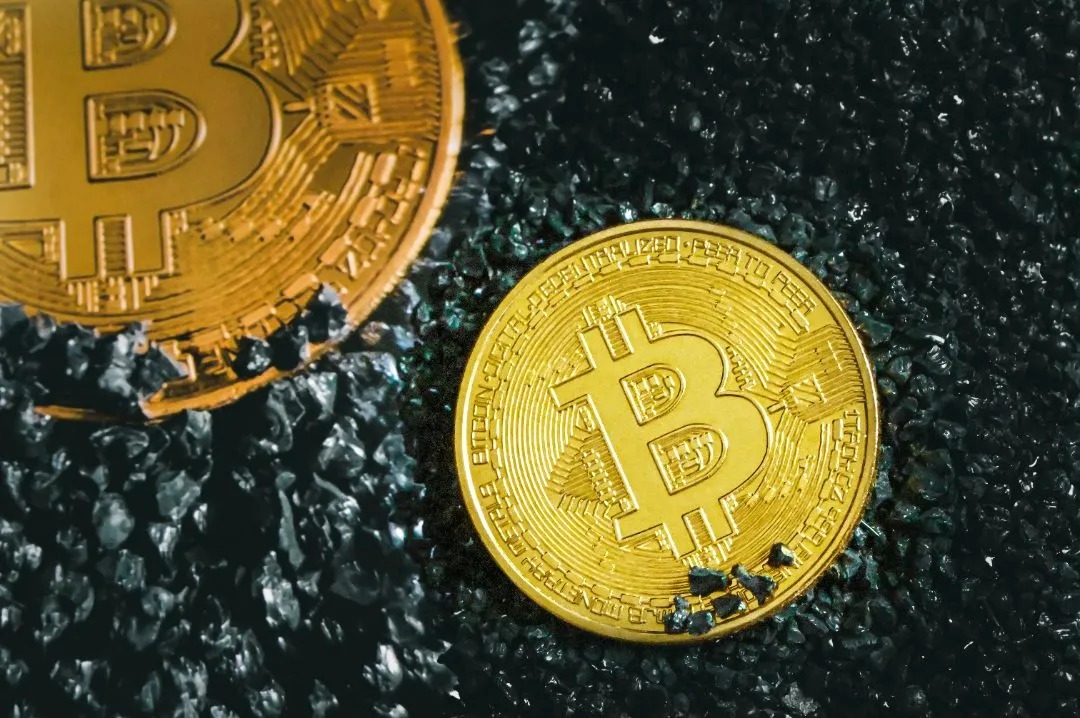
Photo by Fré Sonneveld on Unsplash

Ten mining sites raided

Officials from the state-owned electricity company PLN highlighted the importance of coordinated efforts in exposing the unauthorized mining operations that were tapping into the national grid without approval. According to the reports, the ten illegal bitcoin mining sites which were raided incurred a financial loss of approximately 1.4 billion Indonesian rupees, equivalent to $100,000 for the state.


The impact of energy theft extended beyond financial concerns, raising environmental and community-related concerns. Local students, alarmed by the potential consequences, urged PLN and regional police to investigate the mining operations. Subsequent action revealed that the theft was indeed taking place, prompting PLN officers from the Bukit Barisan Customer Service Implementation Unit (UP3) to conduct a raid. However, the officers faced threats and resistance, leading to a close coordination between PLN and the North Sumatra Regional Police.


The raid uncovered a total of 1,300 bitcoin mining machines engaged in illegal operations, with each machine consuming a substantial 1,800 watts of electricity. Inspector General Agung Effendi, the North Sumatra Police Chief, disclosed that the illicit activities had been ongoing for an estimated six months, resulting in the arrest of 26 individuals across the ten locations.

PLN reassured stakeholders of continued collaboration with the police to prevent further electricity theft and safeguard the national grid from such unauthorized activities.


Worldwide concern

The incident in Indonesia reflects a global concern over the energy consumption of cryptocurrency mining operations generally, but also with regard to illegal activity. In recent years, the environmental impact of these operations has become a focal point in public policy debates, with climate activists emphasizing the harm caused. Government officials, on the other hand, express concerns about the potential disruption to the total distribution network if not properly regulated.


In September, neighboring Malaysia identified illegal crypto mining activities in the state of Sarawak as the reason for recurrent power disruption. Meanwhile, in Singapore in August, authorities uncovered a crypto mining scam that cheated investors out of $1.3 million dollars.


Indonesia joins other countries that have conducted raids on crypto mining operations accused of running large-scale, unregistered facilities. Malaysia has witnessed multiple arrests related to digital asset mines, while in Venezuela, authorities seized bitcoin machines and weapons from a recaptured prison controlled by a criminal gang.


Legitimate mining potential

Notably, this marks the first such incident in Indonesia, and energy theft charges in the country are punishable by up to five years in prison or 200% of the stolen energy’s value. Despite these problems, Indonesia also understands the opportunity that exists where legal bitcoin mining is carried out. In May, Ridwan Kamil, Governor of the province of West Java, participated in a fireside chat titled “The Indonesia Bitcoin Mining Campaign.”


During that event, Governor Kamil recognized the potential that bitcoin mining offers Indonesia. He stated: “[Indonesia has] the second most geothermal potential in the world — more than 800 rivers with hydropower. As bitcoin allows the transformation of energy into money, bitcoin could be transformative for Indonesia.”


The global trend of addressing energy consumption in crypto mining is evident in Kazakhstan, where regulators seek to limit miners’ access to the national grid unless they operate solar-powered mines. Indonesia, with its pro-crypto population, is also moving towards increased regulation, mandating all crypto exchanges to register with the Commodity Futures Exchange (CFX) to continue operations beyond August 2024.



More to Read
View All
Web3 & Enterprise·

Apr 16, 2025

Bitdeer pivots amid onset of Trump’s tariff war

In response to U.S. President Donald Trump’s imposition of tariffs on foreign imports into the United States, Singapore-based and Nasdaq-listed Bitdeer has pivoted in an effort to handle this latest challenge. In a discussion with Bloomberg, Jeff LaBerge, the company’s head of capital markets and strategic initiatives, said that rather than concentrating on sales and exporting crypto mining rigs, the company plans to utilize those rigs itself within its own mining operations.Photo by Traxer on UnsplashLaBerge stated: “Our plan going forward is to prioritize our self-mining.” 90-day windowThe company is also planning to take advantage of a 90-day tariff suspension period that the Trump administration put in place earlier this month, to ship mining machines from Southeast Asia to the United States.  In tandem with this short-term push on U.S. exports, it is expected that miners will focus on buying hardware during this time. Jaran Mellerud, CEO of Hashlabs Mining, told Cointelegraph last week that in the short term, there is likely to be a spike in mining rig imports into the U.S. Some reports have suggested that U.S.-based mining firms have chartered flights in an effort to quickly import mining equipment and avoid tariffs of up to 104%. Additional capital overheads for U.S. minersOver the longer term, the crypto mining services company CEO believes that tariffs will hurt U.S.-based miners, increasing their capital costs to a greater extent than in the case of overseas-based mining operations. Earlier this month Kristian Csepcsar, chief marketing officer (CMO) at Bitcoin mining technology firm, Braiins, similarly claimed that Trump administration tariff policy would likely harm domestic mining companies, while benefiting those located in regions such as Russia and Kazakhstan.  In another effort to deal with the challenge of tariffs on its products entering the United States, Bitdeer anticipates that it will begin production of its mining equipment in the U.S. sometime during H2 2025. Much has changed for the Singapore-based firm over the course of a short period of time. A month ago LaBerge told CoinDesk about its efforts to challenge the leading ASIC Bitcoin mining equipment manufacturers, Bitmain and MicroBT. He said that Bitdeer wants to become “the top player in the market,” while believing that it has the technology and know-how to do so. Challenging market conditionsEven before this tariff war bubbled over recently, the environment for Bitcoin miners was already proving to be difficult. Miners had been selling off Bitcoin reserves in recent weeks, taking profits while anticipating lower Bitcoin prices in the near future. American multinational financial services firm JPMorgan estimated recently that the market cap of the 14 U.S.-listed Bitcoin miners had fallen by 25% in March, writing off $6 billion in value in what was the third worst month for miners on record. Last month Bernstein analysts cut their 2025 price targets for a range of publicly-listed Bitcoin miners. Miners have been adapting to their business environment by upgrading equipment, cutting costs and diversifying into AI data hosting.

news
Web3 & Enterprise·

Jun 29, 2023

KuCoin Ups Compliance via Mandatory KYC

KuCoin Ups Compliance via Mandatory KYCKuCoin, the Seychelles-headquartered global cryptocurrency exchange, has unveiled plans to strengthen its Know Your Customer (KYC) system by introducing mandatory identity checks.In an official announcement on Wednesday, KuCoin stated that this upgrade aims to ensure compliance with global anti-money laundering (AML) regulations. Effective from July 15, KuCoin will require all new users to undergo KYC authentication as part of the registration process. Those who fail to complete the KYC process will be unable to access KuCoin’s wide range of products and services, according to the exchange.Photo by Markus Winkler on UnsplashExisting and new usersFurthermore, existing users who registered prior to July 15, 2023, will also be required to complete the KYC process to access certain features on KuCoin. Withdrawals will remain unaffected for these users. However, they will no longer be able to deposit new funds, the announcement outlines.Despite the introduction of mandatory KYC, KuCoin’s existing non-KYC users will still be able to utilize services such as spot trading sell orders, futures trading deleveraging, and margin trading deleveraging. Additionally, other available services for existing non-KYC users include redemptions at KuCoin’s staking and lending hub, KuCoin Earn, and exchange-traded funds’ redemption.Johnny Lyu, the CEO of KuCoin, explained the KYC process, stating: “A complete KYC process requires users to provide their name, identification number, and identification photo, and undergo facial recognition.” Lyu emphasized that KuCoin carefully verifies customer identification and collects the necessary data in compliance with the laws and regulations of applicable jurisdictions.He added: “Typically, we require customer identification information including information on the customer’s name and further identifiers such as a physical address, date of birth, and national ID number.”Risk profile data collectionIn accordance with regulatory requirements, KuCoin also collects additional information regarding a customer’s business and risk profile. This includes details about the nature and volume of trading activity and the origin of virtual funds deposited, according to Lyu.Lyu underscored that KYC has always been a principle adhered to by KuCoin and that identity recognition is an established part of its process. He further highlighted that KuCoin’s KYC policy is designed to align with regulations in applicable jurisdictions, as there is no unified global KYC regulation at present.KuCoin has also made it clear that the exchange does not support the United States KYC requirements based on their current or updated KYC rules. This new mandatory KYC update will impact a significant number of cryptocurrency users globally. As of July 2022, KuCoin reported over 20 million registered accounts on its platform.Leading global exchangeKuCoin is also recognized as one of the world’s largest cryptocurrency exchanges in terms of trading volumes. At the time of writing, KuCoin’s daily trading volumes exceed $540 million, with more than 8 million monthly visits, according to data from CoinGecko. For comparison, major United States-based exchange Kraken receives approximately 5 million visits per month, with a daily trading volume of around $380 million.This move by KuCoin follows a trend of increasing KYC policies among cryptocurrency exchanges. In May, Dubai-based Bybit restricted non-KYC users from withdrawing more than 20,000 Tether (USDT) monthly. It has been reported that cybercriminals have taken advantage of KYC requirements, selling hacked and verified crypto accounts on the darknet for as low as $30 as of April 2023.

news
Policy & Regulation·

Jun 21, 2023

Singapore Regulator Awards CMS License to AsiaNext

Singapore Regulator Awards CMS License to AsiaNextAsiaNext, a joint venture between Tokyo-based financial services company SBI Digital Asset Holdings and Switzerland’s SIX Group AG, has received regulatory approval for its institutional-grade digital asset exchange in Singapore. The Monetary Authority of Singapore (MAS) granted AsiaNext an in-principle approval for a Capital Markets Services (CMS) license, marking a significant milestone for the company.Photo by Davis Sánchez on PexelsTaking to LinkedIn last week, the firm said that the achievement is a testament to the efforts it has made in terms of rigorous regulatory compliance. With this CMS license, AsiaNext is poised to become a trusted digital asset exchange catering specifically to institutional investors in Asia and globally. The joint venture, which was finalized in September 2021, brings together the expertise and networks of SBI Digital Asset Holdings and SIX Group AG to meet the growing demand for trading public and private digital assets.Singapore-based joint ventureChong Kok Kee, appointed as the CEO of AsiaNext in March 2022, and Neil Thomas, serving as the Chief Commercial Officer, lead the team. Their combined experience in the financial industry positions AsiaNext to deliver a comprehensive suite of services that meet the rigorous standards of institutional investors.The primary goal of AsiaNext is to bridge the gap between traditional finance and the digital asset space. Chong emphasized the importance of a secure, transparent, and compliant platform that instills confidence in market participants during an interview with Hubbis in 2022. The exchange aims to provide integrated listing, trading, and post-trade services for various digital assets, including digital payment tokens.AsiaNext recognizes the increasing demand for trading digital assets among institutional investors. To address this demand, the joint venture will leverage the extensive networks and expertise of SBI Digital Asset Holdings in Asia and SIX Digital Exchange in Switzerland and Europe. Both partners have already demonstrated their leadership in global digital asset markets through investments, issuances, and initiatives.By securing the CMS license, AsiaNext, which is based in Singapore, has taken a crucial step towards becoming a trusted platform for institutional investors in Singapore and beyond.SBI partnershipsFor its part, SBI has favored joint ventures and partnerships when it comes to its increasing involvement in the digital assets space. It has entered into a joint venture with Zodia Custody, a digital assets custodian which has been spun up by UK-based financial services giant Standard Chartered, to take on the Japanese market. Additionally, it has increased its shareholding in the custodian in recent months.Its crypto exchange subsidiary, SBI VC Trade, recently formed a partnership with the project team behind the XDC Network blockchain with a view towards making inroads into the Japanese market.AsiaNext is now focused on preparing for the launch of its digital asset exchange, which is scheduled to commence later in 2023. Having now established itself on a firm regulatory footing, and the support of its strategic partners, AsiaNext appears to be well-positioned in meeting the evolving needs of institutional investors in the Asian region.

news
Loading