Top

Japan’s GMO Coin Announces Special SGB Airdrop for XRP Holders

Web3 & Enterprise·September 23, 2023, 12:05 AM

GMO Coin, a prominent cryptocurrency exchange operating as part of the Japanese IT conglomerate GMO Internet Group, has unveiled a unique opportunity for XRP holders. Eligible GMO Coin clients who have previously invested in XRP will receive an exclusive airdrop of Songbird (SGB) tokens.
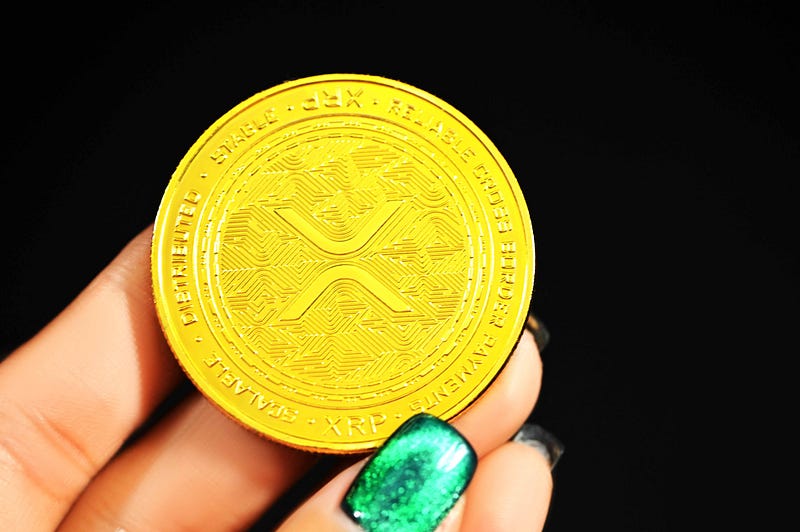
Photo by Kanchanara on Unsplash


SGB token distribution

The distribution of these SGB tokens is slated for completion by September 29, offering a promising opportunity for XRP enthusiasts. To qualify for this airdrop, customers must have held XRP in their GMO Coin accounts at 09:00 on December 12, 2020. The airdrop is also being extended to those utilizing crypto asset lending services on the platform.

To take advantage of the opportunity, eligible clients will need to provide a snapshot of their XRP holdings. While the exact pricing mechanism for the distribution remains undisclosed, it will be revealed at a later date. Presently, SGB is trading at approximately $0.0045, according to Malaysian cryptocurrency data aggregator CoinGecko.

GMO Coin has assured its clients that they are free to manage their XRP holdings as they see fit after submitting the necessary proof. The distributions will ultimately be converted into Japanese yen and made available to clients by the end of the month.


Ripple’s mixed fortunes

This development comes in the wake of a roller-coaster year for XRP holders. Ripple’s native token experienced substantial price fluctuations in response to various developments and events.

One noteworthy instance occurred in mid-July when XRP surged by more than 70%. This surge followed a favorable ruling in a legal dispute between Ripple and the United States Securities and Exchange Commission (SEC).

While regulatory pushback has featured strongly in the US, Ripple has sought to expand its business elsewhere with the Asian region featuring within that strategy. In June, the blockchain-based payments firm obtained in-principle approval from the Monetary Authority of Singapore (MAS) to offer its services within the city-state.

Earlier this month, Ripple struck a deal with SBI Remit Co., a subsidiary of Japanese financial services conglomerate SBI Group, to enable the remittance company to utilize Ripple’s XRP cryptocurrency as a bridge currency, connecting bank accounts in the Philippines, Vietnam, and Indonesia.


Songbird network

The Songbird network serves as a canary blockchain on the Flare layer one network. Essentially, the blockchain plays a crucial role in allowing the facility to enable network architecture testing on the Flare network, including the Flare Time Series Oracle, F-Asset systems, and StateConnector.

GMO Financial Holdings, the parent company behind GMO Coin, bought a 10% stake in AWR Capital, a multi-strategy crypto hedge fund, in April. Following that investment, AWR became a market maker at GMO Coin. The Japanese exchange business is ranked ninth on Forbes Digital Assets’ list of the world’s largest crypto exchanges.

As GMO Coin prepares to distribute SGB tokens to eligible XRP holders, this airdrop marks a great opportunity for relevant stakeholders. It showcases the platform’s willingness to reward its customers and foster engagement within the crypto community.


More to Read
View All
Policy & Regulation·

Apr 10, 2023

Korea’s Internet Agency Encourages More Blockchain Tech Adoption to Overcome Crypto Winter

Korea’s Internet Agency Encourages More Blockchain Tech Adoption to Overcome Crypto WinterVirtual asset and blockchain technology needs to be more broadly adopted to overcome crypto winter, an official from the Korea Internet and Security Agency (KISA) said at the 2023 Blockchain Meetup Conference on Wednesday.©Pexels/Helena LopesUser-friendly apps and regulatory supportPark Sang-hwan, the leader of the blockchain technology promotion group at KISA, encouraged the blockchain industry to develop user-friendly applications to give positive impressions, adding that blockchain-based apps should be faster and efficient to meet users’ expectations.He also said the blockchain industry needs regulatory support, explaining that regulatory issues can hinder the growth of the industry’s growth.KISA’s support for blockchain industryAccording to Park, the quasi-government internet agency introduced a business quality control system to offer advice on legal, technological, and business issues to companies, as well as to provide them with business problem-solving support. KISA will continue driving the development of key blockchain technologies, create new business plans for Web 3.0, and devise a mid- to long-term roadmap for research and development, he said.Blockchain projects in KoreaDuring his speech at the conference, Park presented several KISA-led public sector projects that will unfold this year, as reported by the Korean economics newspaper Hankyung. They include blockchain-based online voting systems, the establishment of digitally formed national licenses, and the verification of personal identification.Endeavors in the private sector were also revealed, including NFT-based concert tickets, oil waste disposal systems, and identification using soulbound tokens.

news
Policy & Regulation·

Jun 03, 2023

Huobi Aims for Hong Kong License Within 6–12 Months

Huobi Aims for Hong Kong License Within 6–12 MonthsAccording to Justin Sun, the founder of layer one blockchain Tron and advisor to Huobi, the cryptocurrency exchange could have obtained a crypto trading license in Hong Kong by the end of the year.Photo by Pixabay on PexelsApplication submissionIn an interview with CoinDesk TV on Friday, Sun revealed that Huobi recently submitted an application to become a virtual asset service provider (VASP) in Hong Kong. While the approval process typically takes up to 18 months, Sun expressed optimism that a decision could be reached within the next six to twelve months.A legacy Chinese cryptocurrency exchange was driven out of the country a few years ago following the implementation of a crypto trading ban, and is now a Seychelles-headquartered company which currently has offices in Singapore, Japan, South Korea, and the United Kingdom.It had been previously understood that at least 10 companies with Chinese founders, including OKX, Bybit, and Huobi, had either announced or were known to be planning to announce their bid for licenses in Hong Kong. Sun’s comments today add clarity to the matter.Sun highlighted that during this grace period, which spans the next 18 months, the specific details of regulations will be developed. This includes guidelines on compliance with customer withdrawals and anti-money laundering requirements. He further explained that with the approval, Huobi Hong Kong will be able to operate, onboard customers, establish banking relationships, and serve its user base effectively.In a strategic move, Huobi relocated its headquarters from Singapore to Hong Kong, driven by the city’s aspirations to become a leading virtual asset hub as early as this summer. The exchange’s decision to establish a presence in Hong Kong positions it favorably to leverage the emerging opportunities in the region.Expectations of more applicantsWhile it’s not entirely clear who else has applied, Sun speculated that five to six other major players could follow suit. Among the potential contenders mentioned were OKX, Gate.io, Bitget, and ByBit. This suggests a potential wave of interest in Hong Kong as a regulatory-friendly jurisdiction for virtual asset trading.When asked about Huobi’s plans to enter the Canadian market and compete with established players like Coinbase and Kraken, Sun made it clear that Huobi has no immediate intentions to operate in Canada. He emphasized the importance of prioritizing friendly jurisdictions, with a specific focus on regions like the Caribbean, Hong Kong, and Japan.Hong Kong’s regulatory approach towards cryptocurrencies and virtual asset service providers has gained attention in recent months. The city’s commitment to establishing a robust framework for digital asset trading and ensuring compliance with international standards has drawn interest from industry players seeking regulatory clarity and stability.As Huobi progresses through the application process and awaits a decision on its VASP license, the outcome will have significant implications not only for the exchange itself but also for the broader crypto ecosystem in Hong Kong. The successful acquisition of a license by Huobi could set a positive precedent, attracting more exchanges to establish a presence in the region and further solidifying Hong Kong’s position as a leading virtual asset hub in Asia.The developments in Hong Kong’s regulatory landscape will be closely monitored by industry participants as they shape the future of virtual asset trading in the city.

news
Policy & Regulation·

Aug 22, 2023

Bitget Adopts Stricter KYC Measures in Line with Global Regulations

Bitget Adopts Stricter KYC Measures in Line with Global RegulationsBitget, the cryptocurrency derivatives exchange registered in Seychelles, has announced a significant update to its Know Your Customer (KYC) requirements.Announced via a blog post published to its website on Sunday, the move is aimed at enhancing user security and ensuring compliance with evolving global regulatory guidelines, joining other exchanges like KuCoin and OKX in tightening its KYC policies.Photo by Brett Jordan on UnsplashChanges taking effect in SeptemberStarting from September 1, Bitget will enforce level 1 KYC verification for all new users accessing its services, including depositing and trading digital assets. Existing users are also required to complete this level 1 verification by October 1. After this deadline, users who have not completed the verification will have limited functionality on the Bitget platform, including only being able to withdraw, cancel orders, redeem subscriptions, and close positions. They will be unable to initiate new trading orders.The KYC process involves verifying users’ identities and is commonly used by regulated entities to assess risk. Bitget emphasizes the importance of this verification process to maintain a secure trading environment and comply with regulatory recommendations.Following an industry trendBitget’s decision to reinforce its KYC standards aligns with the broader trend observed across the cryptocurrency exchange landscape. In the wake of increased regulatory scrutiny earlier this year, many exchanges have taken steps to strengthen their verification procedures. KuCoin, for instance, introduced mandatory identity checks in July to align with global Anti-Money Laundering (AML) regulations. Similarly, OKX is implementing a KYC process for identity verification, with a deadline also set for September.As regulatory frameworks evolve worldwide, cryptocurrency exchanges are under increased pressure to align with stricter standards. Bitget’s decision to enhance its KYC measures signifies its intention to maintain a secure and compliant trading environment for users, and to appease global regulators. This announcement follows a series of proactive steps taken by the exchange this year, indicating its dedication to navigating the changing regulatory landscape and promoting user security.Bitget has made headlines throughout the year for various developments, including the inclusion of Liquid Staking Derivatives (LSDs) as a margin option for crypto futures customers. As recently as last week, the platform garnered attention within the crypto sector, having gotten itself embroiled in a legal dispute with crypto influencer Evan Luthra.Earlier this year the platform acquired the Singapore-based BitKeep cross-chain wallet business. It’s believed that acquisition has assisted the company in achieving further growth in 2023, with 20 million users.Bitget invested $10 million in Fetch.ai, an artificial intelligence platform, and launched a referral program to expand its user base. Moreover, Bitget’s collaboration with comedian Adam Devine for a promotional campaign underscored its innovative marketing strategies.Bitget’s adoption of stricter KYC measures reflects the broader trend of exchanges bolstering their verification procedures in response to global regulatory changes. As regulatory expectations continue to evolve, exchanges worldwide are revisiting their policies to ensure a secure and trustworthy trading environment for their users.

news
Loading