Top

KuCoin Report Points to Marked Increase in Crypto Investors in Turkey

Policy & Regulation·September 01, 2023, 1:16 AM

As part of its “Into The Cryptoverse: Understanding Crypto Users” series, Seychelles-based crypto exchange KuCoin published a report on Thursday that identifies a significant increase in the number of crypto investors in Turkey over the course of the past eighteen months.
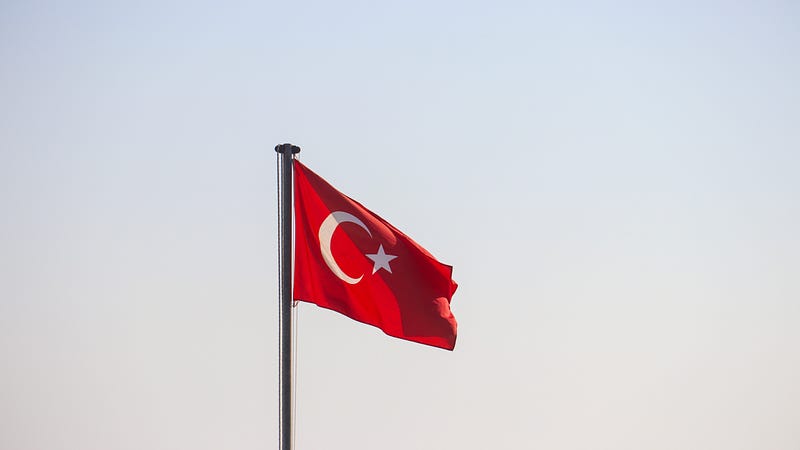
Photo by Dima Rogachevskiy on Unsplash


Crypto adoption surge

The report, the fifteenth such report produced by KuCoin as part of this series, reveals that there has been a substantial surge in crypto adoption among Turkish adults, with an impressive 52% of the adult population participating in crypto investments.

Since November 2021 there has been a 12% increase in the number of crypto investors aged 18 to 60. These statistics underscore the growing interest and acceptance of cryptocurrencies in Turkey. It’s not likely to be a coincidence that this surge in adoption has come about against the backdrop of the local currency, the Turkish lira, losing more than 50% of its value against the US dollar.

Here are some of the key insights that the report identified:

Growing Crypto Adoption Among Turkish Adults: The survey indicates a significant upswing in the number of Turkish adults investing in cryptocurrencies. The percentage of adults embracing crypto has surged from 40% to 52% over the last year and a half, despite the overall crypto market finding itself in the doldrums within that time frame.

Increased Female Participation: While male investors continue to dominate at a rate of 57%, the survey points to a notable trend of increasing participation among women, particularly in the younger age brackets. Approximately 47% of female crypto investors are between the ages of 18 and 30.

Youth-Driven Growth: Younger generations are leading the crypto adoption charge, with investors aged 31 to 44 constituting the largest group at 48%. Furthermore, a significant proportion of investors under 30 joined the market within the past year, indicating the influence of youth within the crypto space.

Many have expressed the view that crypto adoption will come about through the younger demographic. It’s a factor that has not gone unnoticed by crypto platforms, including fellow Seychelles-based exchange Bitget.

Motivations for Crypto Investments: The report delves into the motivations behind crypto investments among Turkish adults. A substantial 58% express the desire to create long-term wealth, transcending generational boundaries. This suggests a widespread belief in crypto’s potential as a tool for financial freedom.

Popular Cryptocurrencies: Bitcoin remains a favored choice, capturing 71% of overall investor interest. Ethereum follows closely with 45% interest, while stablecoins garnered the attention of 33% of surveyed participants.

Crypto Trading Dominates: A significant 70% of Turkish participants use crypto for trading, indicating the prevalent use of cryptocurrencies as investment instruments. Meanwhile, 22% have ventured into buying NFTs.

Influence of Personal Connections: Personal relationships play a pivotal role in driving crypto adoption in Turkey. About 57% of participants learned about crypto through family and friends, highlighting the significance of these connections in introducing newcomers to the crypto world.

This finding resonates with a similar finding relative to a recently published report covering crypto adoption in Vietnam.

The report has been based upon online surveys carried out by KuCoin between May 5 and May 12 of this year.


More to Read
View All
Web3 & Enterprise·

Dec 10, 2024

GRVT snags license to become world’s first regulated DEX

GRVT, a hybrid cryptocurrency exchange platform that bases its operations in Singapore, has secured a trading license in Bermuda which the project claims, makes it the first regulated decentralized exchange (DEX).  In a press release published on the project’s behalf by PR Newswire on Dec. 6, the project, which aspires to be “Goldman Sachs on blockchain,” announced the acquisition of a Class M Digital Asset Business License from the Bermuda Monetary Authority (BMA). Photo by GuerrillaBuzz on UnsplashAiming for further licensingThe license puts the firm on a path to operate as a fully regulated DEX. Securing this Class M license isn’t the end of the project’s regulatory compliant endeavors, however. Class M confers a “modified” exchange license under the Bermuda Digital Asset Business Act (DABA). Class M covers pre-operational activities while the service remains within a sandbox environment. The company hopes to have acquired Class F or “Full” licensing designation by mid-2025. At that point, GRVT will be in a position to take its service from a sandbox environment to full launch of its institutional-grade perps DEX in a regulatory compliant manner. On X GRVT suggested that this licensing is pivotal in the movement of decentralized finance (DeFi) towards mainstream adoption. “With this milestone, DeFi evolves - safer for users and institutions alike,” the project wrote. Hybrid approachAs a hybrid DEX, GRVT combines the decentralization of DeFi with the structure and compliance required for the participation of institutional investors. Commenting on this latest development, GRVT CEO Hong Yea stated:”We've always believed compliance should be the foundation for crypto and DeFi, not an afterthought. Without it, earning institutional trust—and bringing revolutionary technologies to the mainstream—becomes nearly impossible." Yea told Cointelegraph that in two weeks time, the project will officially launch its mainnet to all users. “Our trading volume will then be available through major external data providers,” he added. In preparation for that mainnet launch, the project announced in September that it had partnered with 16 market makers including Galaxy Trading, Amber Group, QCP and others, in order to ensure that the platform has sufficient liquidity in place to enable a smooth launch. Users have been testing the platform following its Open Beta Testnet launch in August. The GRVT CEO believes that the project can “unify cryptocurrency and mainstream finance, creating a system where assets move freely and all forms of value coexist in one integrated ecosystem.”   A regulated yet decentralized offeringReferring to the two main components baked into the GRVT offering, he said that “decentralization distributes control away from central authorities, promoting transparency, security, and user empowerment.” Meanwhile, “regulation establishes standards to protect users, ensure market integrity and promote fair practices.” In successfully pursuing licensing in Bermuda, GRVT joins a list of more than 30 firms in the digital assets sector who have obtained licensing in the British overseas territory. In October global cryptocurrency exchange platform Kraken launched a Bermuda-based derivatives trading business having obtained licensing from the BMA. USDM stablecoin issuer Mountain Protocol received a Class F license from the BMA in July. Other entities successfully licensed by the BMA include Coinbase, HashKey, Circle, Bittrex and Zero Hash.

news
Web3 & Enterprise·

Jul 17, 2023

CertiLife Secures Funding for Blockchain-Based Medical Device Warranties

CertiLife Secures Funding for Blockchain-Based Medical Device WarrantiesCertiLife, a South Korean startup that specializes in blockchain-based warranty services for medical devices, has recently secured seed funding from dentists and the blockchain industry. The amount of the investment remains undisclosed, as reported by local media outlet Mirakle Ahead.Photo by Jonathan Borba on UnsplashBlockchain advantagesCertiLife leverages the power of blockchain technology to issue warranties for medical devices. Unlike traditional physical warranties, CertiLife’s digital warranties are not only environmentally friendly but also offer cost-saving benefits to medical device manufacturers. This is achieved by eliminating the need for physical resources.Through messaging appCertiLife’s blockchain-powered warranties are issued through South Korea’s popular messaging app KakaoTalk, providing convenience to clinics and patients. They can be easily managed using Klip, a digital asset wallet developed by GroundX, a blockchain subsidiary of Kakao Corp.One of the investors expressed expectations that blockchain-based warranties would address the inconvenience and risk of loss associated with traditional warranties. The investor said that CertiLife’s digital warranties will ensure secure data management, save time, and offer improved convenience.CEO Kim Do-hee of CertiLife emphasized the company’s commitment to utilizing investment funds to enhance its services. Kim said that CertiLife is actively preparing to collaborate with various medical device manufacturers and also exploring opportunities to expand into international markets later this year.

news
Web3 & Enterprise·

Dec 27, 2023

Blockchain investment firm Hashed invests $28.4 million in 29 projects in 2023

Hashed, a blockchain-focused investment firm with bases in Seoul and San Francisco, announced on Tuesday (KST) that it has invested a total of KRW 36.8 billion ($28.4 million) in 29 distinct projects over the course of this year, as reported by Korean news outlet Etoday.Photo by Mathieu Stern on UnsplashInfrastructure, gaming and financeThe Web3 investor has distributed its funds across various sectors, allocating 21% each to infrastructure, gaming and finance. Geographically, their investments were also diverse: South Korea has received 38% of the funds, North America 21% and Europe 7%. Other Asian countries, including Singapore, accounted for 34%. Of the 29 investments Hashed undertook, 20 were new additions. The company participated in seed funding rounds for a variety of ventures: Radius, a shared sequencing layer; Decentralised Gaming Ventures, a builder of Web3 games; AnotherBall, the company behind the VTuber platform Izumo; and Delabs Games, a studio focused on Web3 gaming.The remaining nine were follow-up investments. Among these projects were Archway, a Cosmos-based layer 1 blockchain; Payhere, a provider of mobile point-of-sale (POS) systems; and Dfns, an API-first key management solution. Hashed Ventures, the company’s investment arm, oversees two funds: one with a capital of KRW 120 billion and the other with KRW 240 billion. Through these funds, Hashed has invested in a total of 86 portfolio companies. This year, some of their notable investments include public chain project Aptos, Web3 startup Story Protocol and decentralized exchange dYdX. It’s also noteworthy that 55% of the larger fund has been allocated to Korean companies. Blockchain community and talent developmentHashed’s impact in the blockchain sector extends beyond just financial investments. The Web3 company has supported the organization of approximately 80 meet-ups, including university hackathons and academic blockchain conferences. A notable example of their initiatives is Korea Blockchain Week, co-hosted annually with Web3 ecosystem builder Factblock since 2018. This event has become one of Asia’s largest blockchain gatherings, drawing over 10,000 visitors. In addition to these events, Hashed has been keen on nurturing talent in the blockchain space. Their Protocol Camp, a boot camp aimed at developing Web3 builders, has successfully produced 59 developers across five sessions. Furthermore, Hashed Open Research, the firm’s research division, is actively involved in shaping the blockchain landscape. They engage in research, organize seminars, and publish findings, all with the goal of offering policy recommendations and advancing understanding in the field. Hashed has reinforced its management system for portfolio companies, focusing on supporting early-stage startups. Their efforts include building a community dedicated to startup support, aiding in recruitment and business development strategies, providing data analysis services and engaging in promotional activities. Reflecting on the past year, Simon Seojoon Kim, CEO of Hashed, acknowledged that 2023 posed challenges for startups. However, he pointed out that the relatively calm market conditions provided Hashed with opportunities to uncover a range of innovative ideas. These ideas, according to Kim, have the potential to make significant contributions to the development of blockchain infrastructure and its applications in real-world scenarios. Looking forward, Kim expressed optimism about the growth prospects of their portfolio companies in the coming year. This optimism is partly based on the potential approval of spot bitcoin ETFs, which he believes could usher in robust participation from institutional investors. Additionally, Kim anticipates further growth driven by the expected launch of wallets by major global platforms, indicating a promising and dynamic future for the blockchain industry and Hashed’s investments.

news
Loading