Top

MEVerse and XPLA forge partnership to herald new era of blockchain gaming

Web3 & Enterprise·December 20, 2023, 3:48 AM

MEVerse, the blockchain metaverse platform operated by South Korean gaming company ME2ON Group, and global layer 1 blockchain XPLA have established a partnership to share their respective technologies and create content to popularize Web3 gaming, according to an official announcement on XPLA’s Medium on Wednesday (KST). Their larger goal outlines a commitment to redefining the industry’s landscape by creating a dynamic and engaging metaverse for users worldwide.

Photo by Scott Graham on Unsplash


High hopes

“XPLA aims to broaden the horizons of the Web3 industry and contribute to the popularization of blockchain through collaboration with various projects. We plan to work closely with the MEVerse platform, which has secured a high-level lineup of Web3 games, to provide participants with an even richer experience,” said Paul Kim, Team Leader at XPLA.


Seamless metaverse experience

MEVerse is known for leveraging its high-speed blockchain technology, which can process 9,000 transactions per second, to help users immerse themselves in the metaverse and enjoy the content it has to offer. Notably, it employs a Proof of Formulation (PoF) consensus algorithm developed by blockchain service platform FLETA — a more eco-friendly alternative to Proof of Work (PoW) that prevents forks by confirming blocks and transactions in real time. The platform also implements cross-chain technology to enhance scalability and interoperability.

MEVerse’s blockchain infrastructure includes the Web3 P2E casual game portal MEVerse GameZ, non-fungible token (NFT) marketplace MEVerse DEX, blockchain explorer MEVerse Scan, and more. It also features games like X Heroes: NFT War and Pocket Battles: NFT War.

This development is the newest partnership in XPLA’s growing lineup. The platform recently teamed up with Study-to-Earn (S2E) project EDUM and Game and Earn (G&E) platform PERPLAY in an effort to branch out its business.


More to Read
View All
Policy & Regulation·

Jul 01, 2025

Kazakhstan establishing national crypto reserve

Kazinform, the state-owned official news agency of Kazakhstan, has reported that the central Asian republic is working towards the establishment of a national crypto reserve. The news agency revealed that in answering an inquiry from a member of the Kazakhstan parliament, Timur Suleimenov, Governor of the National Bank of Kazakhstan, said that the central bank is currently studying information related to the formation and management of a national crypto reserve. Photo by engin akyurt on UnsplashFollowing best international practicePlans are being devised for a crypto reserve on the basis that best international practice as applied to sovereign wealth fund management is adopted. In this respect, guidelines related to transparency of accounting and secure crypto custody will be followed. The reserve will be established through an affiliate entity of Kazakhstan's central bank, specializing in alternative investments. In responding to the parliamentary inquiry, Suleimenov also revealed the likely source of funding for the fund. He stated: “International practice shows that the sources for such a reserve may include confiscated crypto-assets, as well as  cryptocurrencies mined by a crypto miner partially owned by the government.” Suleimenov outlined that while crypto assets have proven to be volatile and riskier than other asset classes, having the reserve controlled and managed by a central bank affiliate would result in the required levels of risk management and overall oversight being applied. According to Kursiv, a news organization focused on the Central Asian region, the authorities in Kazakhstan plan to amend relevant legislation so as to enable the effective management of the crypto reserve. Suleimenov stated that the central bank is open to discussing potential legislative amendments with members of Kazakhstan's parliament. The National Bank of Kazakhstan's governor also warned that misinformation by pseudo-business coaches related to cryptocurrencies needs to be curbed. He feels that in order to protect investors, and particularly young people, legal measures will be necessary in an effort to bring about greater transparency within the country’s crypto market. The authorities in Kazakhstan currently have a crypto regulatory framework in place that requires crypto trading platforms that extend their services to local users to have acquired a trading license from the Astana International Financial Centre (AIFC).  In May, it emerged that the Central Asian republic is planning to establish a pilot project for cryptocurrencies called “CryptoCity.” At the time, Kazakhstan’s president, Kassym-Jomart Tokayev, delivered a speech at the Astana International Forum outlining that the CryptoCity project would facilitate the use of crypto for the payment of goods and services within a specific geographical zone. Crypto hub potentialEarlier that month, the country’s First Vice-Minister of Digital Development, Innovation and Aerospace Industry, Kanysh Tuleushin, said that Kazakhstan had the potential to emerge as a leading cryptocurrency hub within the Central Asian region. Following the implementation of a ban on crypto mining in China in 2021, Kazakhstan experienced an influx of miners, attracted by cheap electricity. However, the arrival of miners was unplanned for, putting extreme pressure on the local electricity grid, resulting ultimately in brownouts and protests. The country once accounted for 27% of global Bitcoin mining. However, regulations introduced in 2023 led to the activity being scaled back considerably.

news
Web3 & Enterprise·

Dec 30, 2023

Japan's Monex acquires majority stake in Canadian crypto firm

Monex Group, a well-known securities broker in Japan’s financial services sector, is delving further into the digital currency space through the acquisition of a majority stake in 3iQ Digital Holdings, a Canadian crypto asset management company. Whilst the acquisition was announced via a joint press release on Thursday, the specific details of the deal were not disclosed.Photo by sebastiaan stam on UnsplashAchieving growth through cryptoYuko Seimei, the CEO of Monex Group, emphasized the long-term strategy of strengthening their asset management business. By incorporating 3iQ into their portfolio, the aim is to achieve substantial growth by catering to the evolving crypto asset management needs of institutional investors and crypto exchanges globally. Monex Group is already a key player in the Japanese crypto landscape, owning the Coincheck exchange. Coincheck is one of the largest cryptocurrency exchanges in Japan. It has regained market dominance after a cyber attack resulting in the theft of $534 million in digital assets in 2018. Monex collaborated with Japanese telecommunications firm NTT DOCOMO in October, forming Monex Securities as a holding company containing Coincheck, while selling NTT DOCOMO a 49% stake. ETF focusThe acquisition of 3iQ marks Monex’s strategic move to extend its exposure to the North American crypto industry. This adds to the conglomerate’s existing presence in the United States through the ownership and operation of TradeStation, an American brokerage firm. 3iQ, operating under a Canadian license, has come to prominence in the crypto-sphere for launching two exchange-traded funds (ETFs) in Canada. Notably, it introduced Bitcoin and Ethereum ETFs on the Toronto Stock Exchange, showcasing innovation in a region where regulatory approval is awaited by U.S.-based companies. Spot bitcoin ETFs have been hotly tipped to offer the next form of crypto adoption, potentially facilitating the in-flow of massive amounts of money currently within the domain of traditional finance. While the focus has been largely on the United States in that regard, other centers such as Hong Kong are similarly gearing up towards offering spot ETF crypto products to both institutions and retail investors. Amid that background, this acquisition by Monex didn’t go unnoticed by ETF sector professionals. Bloomberg Intelligence ETF Research Analyst James Seyffart took to social media platform X on Thursday to draw attention to the deal. Frederick Pye, the Chairman and CEO of 3iQ, expressed enthusiasm about joining forces with Monex Group. With Monex already owning Coincheck, a crypto exchange powerhouse in Japan, Pye highlighted the potential synergy. The collaboration is seen as an opportunity to enhance Coincheck’s offerings, particularly for institutional investors. Pye characterized the partnership as a groundbreaking collaboration that promises to reshape the crypto industry. Monex’s acquisition of 3iQ is aligned with its broader vision of being a key player in the global crypto asset management landscape. The move not only expands their reach into North America but also positions them to capitalize on the growing demands of institutional investors in the evolving digital currency market.

news
Web3 & Enterprise·

Mar 09, 2024

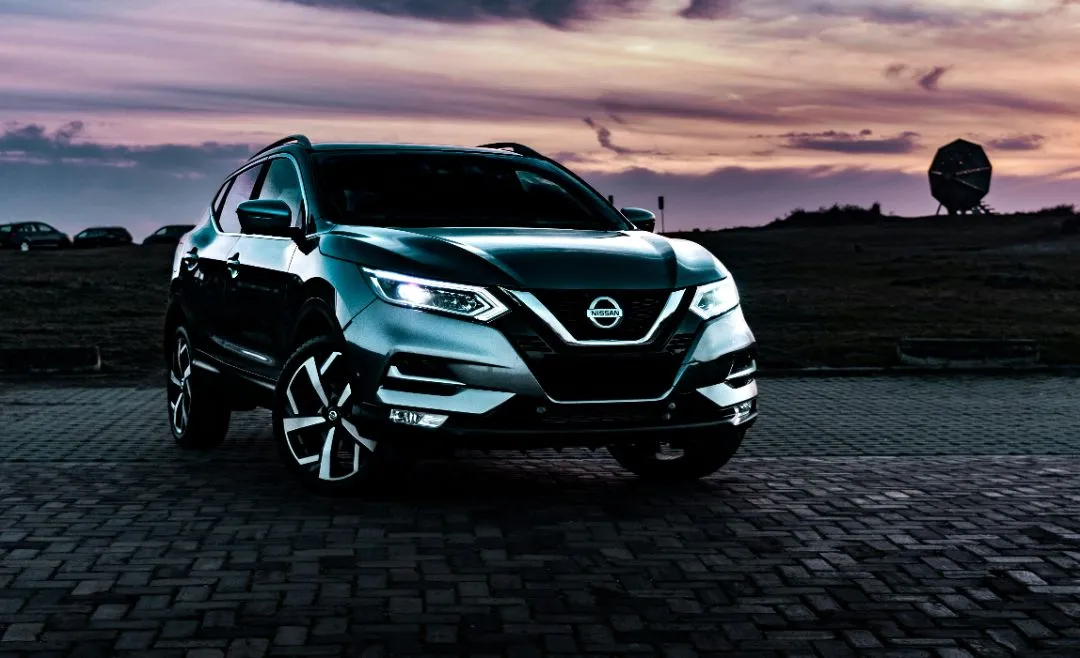
Nissan delves into metaverse on a heritage and safety theme

On March 7, Nissan Motor Co. introduced an innovative metaverse experience titled the "Heritage Cars & Safe Drive Studio," blending elements of automotive history with interactive safety education.Photo by Matthijs Waanders on UnsplashMarking 90 years in businessThe studio, launched to commemorate Nissan's 90th anniversary, features three iconic models from the company's past, recreated in virtual environments to reflect their respective eras. Among the showcased vehicles is the Silvia Q’s S13, renowned globally for its role in drifting culture. Users can explore this historic car from the 1980s while learning about the influence of pedestrian clothing colors on driver visibility. In another exhibit, users engage in a mini-game designed to educate on driver field-of-view and the impact of multitasking on safety. Alongside, the Skyline 2000GTX-E, famous for its presence in popular media like the Gran Turismo video game series and Fast and Furious movies, adds a touch of nostalgia and excitement, transporting users to the 1970s era. In a 1950s and 60s American diner and drive-in theater setting, the final exhibit offers a hands-on steering wheel spin exercise. These experiences aim to merge Nissan's heritage with vital safety knowledge, such as understanding the significance of pedestrian attire and the dangers of distracted driving. Developed in collaboration with Japanese university researchers, these immersive experiences are accessible through Meta Quest headsets, marking Nissan's continued exploration of virtual and augmented reality for customer engagement and education. Previous forays into the metaverseThis initiative aligns with Nissan's ongoing efforts to enhance its presence in the metaverse. It’s not the carmaker's first rodeo where the metaverse is concerned. It introduced its first virtual test drive and a virtual unveiling of its Sakura model in 2022. That same year, the company suggested it was interested in providing more in the way of virtual events, even going as far as to suggest the development of virtual customer support offices for clients. It followed that up in December 2023 with a revamp of four existing metaverse worlds, a project that also formed part of its 90th-anniversary celebrations. Nissan's latest foray into the metaverse coincides with advancements in augmented reality (AR) and virtual reality (VR) hardware. The recent launch of Apple's inaugural mixed-reality headset in February 2024 signals intensified competition among tech giants like Meta and Microsoft, who have been gradually expanding into consumer and enterprise AR/VR markets over the past decade. Broader auto industry interestNissan isn’t alone in the auto industry in taking initial steps into the metaverse. Rival Toyota has taken a different approach, pursuing an interest in creating remote workspaces for staff so that meetings can be held in the metaverse. Hyundai experimented with entering the metaverse as early as 2021. Through a partnership with Naver Z, the company offered virtual test drives of its Sonata model. Meanwhile Renault Korea has tipped its toes in the metaverse by offering consumers the ability to custom-build virtual cars on a metaverse platform. Through these metaverse updates, Nissan aims to stay at the forefront of automotive innovation, utilizing immersive experiences to engage customers and promote safety awareness in an increasingly digital world. 

news
Loading