Top

MANTRA snags VASP license in Dubai

Web3 & Enterprise·February 26, 2025, 7:29 AM

MANTRA, a real-world asset (RWA) tokenization blockchain project headquartered in Hong Kong, has announced that it has been awarded a Virtual Asset Service Provider (VASP) license in the United Arab Emirates (UAE).


In a community update published on its website, MANTRA co-founder and CEO John Patrick Mullin outlined that Dubai regulator, the Virtual Assets Regulatory Authority (VARA), had awarded the company the VASP license, meaning that the project is now entitled to act as a virtual asset exchange. Additionally, it is authorized to offer broker-dealer and investment management services. 
https://asset.coinness.com/en/news/ca74e2751c8cb77b33b4b9de8fa660c0.webp
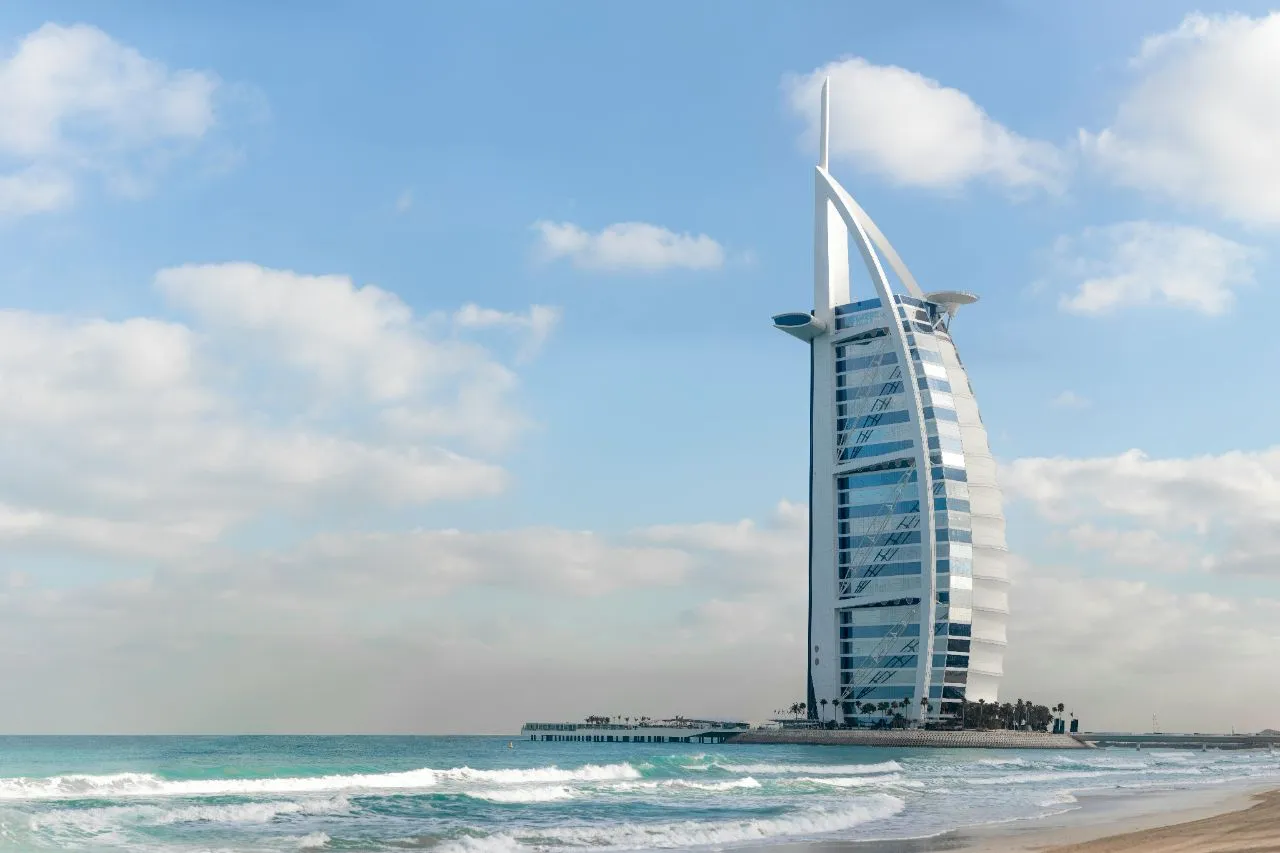
Photo by Aleksandar Pasaric on Pexels

Mullin claimed that the milestone is huge for both the company and the broader industry. He stated:

”It’s a major step in our objective to bring the world’s financial ecosystem onchain by being the preferred ledger of record for real world assets. It’s a validation of our purpose,which is to provide developers and institutions with a purpose-built RWA Layer 1 Blockchain, that’s capable of adhering to real world regulatory requirements.”


Scaling operations in the Middle East

The project sees the license as a key step in broadening MANTRA’s global footprint and scaling its operations within the Middle East. Mullin outlined that both the UAE and broader Middle East & North Africa (MENA) have become “a progressive global hub and thriving ecosystem for Web3 and virtual assets owing to their regulatory initiatives and frameworks.” Mullin added that the license not only strengthens the project’s presence regionally, but it also “positions us internationally to deliver unique DeFi products that bridge the gap between decentralized finance and traditional finance.” 


Shorooq Partners, a Dubai-based venture capital firm and investor in the project, commented on the announcement on X. It said that the license would mean that MANTRA would set a new standard for compliant and secure DeFi solutions. It emphasized the importance of regulatory compliance in enabling institutional DeFi adoption on a global scale.


The venture capital firm was the lead investor in an $11 million funding round completed by MANTRA in March 2024. At the time, Shane Shin, founding partner at Shorooq, said that he liked MANTRA’s strategic focus on key markets like Hong Kong and Dubai, adding that the investment implicated a future where digital and traditional assets converge seamlessly.


The project intends to launch DeFi-based products that have been formulated to meet investors' needs by combining the benefits of DeFi with the structure and security provided by conventional finance.


Token's price performance

The OM token is a utility and governance token within the MANTRA decentralized autonomous organization (DAO). It was the best-performing layer-1 token as of Feb. 17. At the time of writing, it’s trading at $7.59, according to CoinMarketCap data. The project also announced a $1 billion deal with UAE-based DAMAC Group, a property development company, last month.

More to Read
View All
Markets·

Jun 30, 2023

Survey Reveals 45.9% of Korean Crypto Investors Reporting Losses

Survey Reveals 45.9% of Korean Crypto Investors Reporting LossesAccording to a recent survey, more than half of South Korean adults have experience of owning cryptocurrency. Most of them bought crypto for investment purposes, with 33% of respondents making gains and 45.9% losing money.Photo by RDNE Stock project on Pexels2,500 respondentsThe Korea Financial Consumers Protection Foundation, a public research and education institute, conducted an online survey to assess the prevalence and trends of cryptocurrency ownership among South Koreans. The study, conducted between March 3 and March 24, 2023, encompassed 2,500 participants between the ages of 20 and 69 residing in Seoul, its suburbs, and the six major metropolitan areas. The results shed light on the crypto landscape, including ownership patterns, investment purposes, asset holdings, funding sources, and the future intentions of respondents.Crypto ownership trendsAccording to the survey, 30% of the participants currently own cryptocurrency, while 23% revealed they had previously owned crypto assets but no longer possess them, indicating that more than half of the respondents have had exposure to cryptocurrencies at some point in their lives.Among current crypto holders, 74.5% stated that they had acquired their first digital assets between 2020 and 2022, which suggests a surge in crypto purchases during the COVID pandemic period.Purpose of holding cryptoRegarding the purpose of holding crypto, 80.9% of respondents who either currently own or have previous experience owning cryptocurrency (representing approximately 43% of all participants) cited investment as their primary motivation. Furthermore, 17.4% viewed crypto as a trading instrument, while 17.8% held it for specific service utilization. (Individuals were allowed to choose multiple options.) From this result, the authors estimated that around 24.2% of all respondents currently hold crypto for investment purposes.The survey revealed the distribution of virtual asset holdings among respondents, with the values quoted in Korean Won (KRW). Among the participants, 21.5% owned less than 1 million KRW ($760), while 45.8% held more than 1 million KRW ($760) but less than 10 million KRW ($7,600). Additionally, 28.8% possessed between 10 million KRW ($7,600) and 100 million KRW ($76,000), and 3.9% held more than 100 million KRW ($76,000) in crypto assets.Funding sourcesWhen asked about the sources of funds used to purchase virtual assets, 82.5% of individuals with previous crypto ownership experiences mentioned utilizing spare funds from deposits or other sources. Meanwhile, 17.7% disclosed that they had liquidated other assets, such as stocks or real estate, to invest in cryptocurrencies. (Individuals were allowed to choose multiple options.) In addition, 7.8% of respondents acknowledged borrowing from acquaintances, with a higher rate of 11.8% among those in their 20s. The proportion of respondents who borrowed from loans was 6.2%.Among those who borrowed funds to invest in crypto, 47.6% are currently facing difficulties in repaying their loans, while 28.6% experienced repayment challenges in the past. This data suggests that a significant portion of individuals who borrowed to purchase cryptocurrencies encounter difficulties in loan repayment.Regarding the financial institutions from which respondents borrowed, 57.1% borrowed from the banking sector, while the remaining 42.9% obtained funds from non-banking entities. Encouragingly, no respondents reported borrowing from loan sharks.Cumulative returnsRegarding the cumulative returns on crypto assets, 33% of respondents who currently hold crypto reported gains, with an average cumulative return of 25%. Conversely, 45.9% reported losses, experiencing an average cumulative loss of 41.5%.When liquidating their crypto assets, 24.7% of traders made a profit, while 47.9% incurred losses. The data reveals that the proportion of individuals who suffered losses in their crypto investments was nearly twice as high as those who reported gains. Furthermore, higher age groups exhibited a higher percentage of losses compared to younger respondents. Among those who profited, the average return was 38.4%, while those who suffered losses reported an average loss of 37.5%.Future intentionsThe survey also inquired about the future intentions of respondents regarding their crypto holdings. Among current crypto holders, 80.8% expressed their intention to continue holding crypto assets. On the other hand, among those who do not currently own any crypto assets, 72.8% stated that they do not plan to purchase cryptocurrencies in the future.

news
Web3 & Enterprise·

Aug 22, 2023

Dunamu Pushes for Biodiversity Conservation Through NFT Project

Dunamu Pushes for Biodiversity Conservation Through NFT ProjectDunamu, the fintech company operating South Korea’s leading crypto exchange Upbit, said Monday that it signed a memorandum of understanding (MOU) with the Korea Arboreta and Gardens Institute (KoAGI) and the Korea Green Foundation (KFG) to drive a non-fungible token (NFT) biodiversity project over the course of three years. This comes as part of efforts to ramp up biodiversity conservation efforts.Photo by Eelco Böhtlingk on UnsplashThe MOU was signed at Dunamu’s headquarters in Gangnam, southern Seoul, with Dunamu CEO Lee Sirgoo, Director Ryu Kwang-soo of the KoAGI, and Lee Mi-kyung, Head of the KFG, in attendance.“This partnership serves as a starting point for Dunamu to actively utilize our technology to conserve biological resources — especially trees — and collaborate with various communities,” said Lee Sirgoo, CEO of Dunamu.Conservation meets NFTsThe project will involve creating NFTs from images of plant seeds stored in the Seed Vault — a conservation facility managed by KoAGI — which will then be issued through Upbit NFT, the exchange’s NFT trading platform. Owners of these NFTs will have the opportunity to engage in various events such as quizzes, Dunamu said, thereby promoting biodiversity conservation and fostering awareness about the importance of forests.Additionally, certain plant species that have been issued as NFTs will be selected to be placed in plant conservation facilities built in collaboration with botanical gardens located near the plants’ natural habitats.“Given the irreplaceability of both NFTs and flora and fauna, we will continue to do our utmost to fulfill our environmental responsibilities,” CEO Lee emphasized.The involved parties are also looking to establish an online community where they could directly gather the NFT owners’ opinions through methods such as polling to help plan for more upcoming projects. This integration of online projects with offline conservation activities is expected to contribute to local development and biodiversity.Boosting ESG effortsAs a key part of its ESG strategy, Dunamu has been focusing on trees while leading efforts for environmental protection and forest restoration. Earlier this year, the company teamed up with KoAGI to issue NFTs and contributed its entire sum of sales proceeds and transaction fees of around KRW 20 million (approximately $14,800) to establish an endangered plant protection fund.The company also held a campaign back in March with the Korea Forest Service and the Korea Forest Welfare Institute called “2nd foRest,” dedicated to restoring forests affected by fires. For every virtual tree planted in Dunamu’s metaverse, 2ndblock, two real trees were planted.The following month, Dunamu donated KRW 500 million in aid for the recovery of areas hit by the large-scale forest fires in Gangneung, Gangwon Province. The company also established virtual reality healing gardens at the Geumcheon Fire Station and Seoul Rehabilitation Hospital.

news
Web3 & Enterprise·

Jul 26, 2023

Axie Infinity Teams Up with CyberKongz in Blockchain Gaming Revival

Axie Infinity Teams Up with CyberKongz in Blockchain Gaming RevivalIn a bid to reinvigorate the world of blockchain gaming, Sky Mavis, the company behind the groundbreaking play-to-earn (P2E) blockchain game Axie Infinity, has announced an exciting partnership with CyberKongz, an Ethereum-based non-fungible token (NFT) collection.Together, they are set to develop a more comprehensive gaming ecosystem for the Ronin blockchain. Sky Mavis originated in Vietnam and came to prominence for developing the first major breakthrough for blockchain gaming within the crypto space. The company’s ties with Vietnam continue although it has since established its headquarters in Singapore.While the announcement, made via a blog post published on Tuesday, has sparked curiosity about a brand-new game on the horizon, specific details remain under wraps. Kathleen Osgood, Sky Mavis’ Head of Business Development, revealed that the upcoming game will be designed to be interoperable, seamlessly integrating with existing Axie Infinity experiences.Photo by Bestami Sarıkaya on UnsplashMoving to the Ronin blockchainBut the partnership goes beyond just creating a new game. It also includes the migration of CyberKongz’s popular Play & Kollect game, which is based on the Polygon blockchain. The move to the Ronin blockchain opens up new opportunities for CyberKongz to expand its user base and tap into Ronin’s thriving gaming community.Axie Infinity first captured the gaming world’s imagination in 2021 when it introduced the “play-to-earn” concept. This groundbreaking model allowed players to earn valuable cryptocurrency tokens while playing the game. It quickly became the leading project by sales volume in the burgeoning NFT space, according to data from CryptoSlam. On the other hand, CyberKongz also made headlines in 2021 when it impressively burned $4 million worth of Ether.However, since the NFT craze of 2021, interest in blockchain gaming has seen a decline, with some crypto-based games, such as Neopets, even transitioning to a non-crypto approach.Play-to-earn deficienciesSky Mavis Co-Founder, Aleksander Larsen, acknowledged earlier this year that the play-to-earn model needed improvement to thrive. He emphasized that games must prioritize fun and feature a robust economic system that enables players to earn rewards. Despite this, Kathleen Osgood remains optimistic that the blockchain gaming space can experience a revival through an experience that truly understands the motivations driving users towards Web3.According to Osgood, many teams in the space have merely attempted to replicate what worked in Web2, which may not be enough to drive explosive growth. Instead, she believes that attracting a massive audience lies in taking an innovative approach to leverage the unique offerings of Web3, appealing to users who are naturally drawn to its decentralized and rewarding nature.Gaming evolutionSky Mavis has started opening up its infrastructure to the Web3 ecosystem through the Ronin blockchain. By doing so, it hopes to create gaming communities that are not only more rewarding but also longer-lasting, fostering an environment of engagement and enthusiasm among players.As blockchain gaming continues to evolve, partnerships like the one between Sky Mavis and CyberKongz signal renewed efforts to iteratively improve on previous blockchain gaming models. With a new game on the horizon and the migration of CyberKongz to the Ronin blockchain, the stage is set for a new era of immersive and rewarding blockchain gaming experiences, building upon past efforts.

news
Loading