Top

KuCoin Report Points to Marked Increase in Crypto Investors in Turkey

Policy & Regulation·September 01, 2023, 1:16 AM

As part of its “Into The Cryptoverse: Understanding Crypto Users” series, Seychelles-based crypto exchange KuCoin published a report on Thursday that identifies a significant increase in the number of crypto investors in Turkey over the course of the past eighteen months.
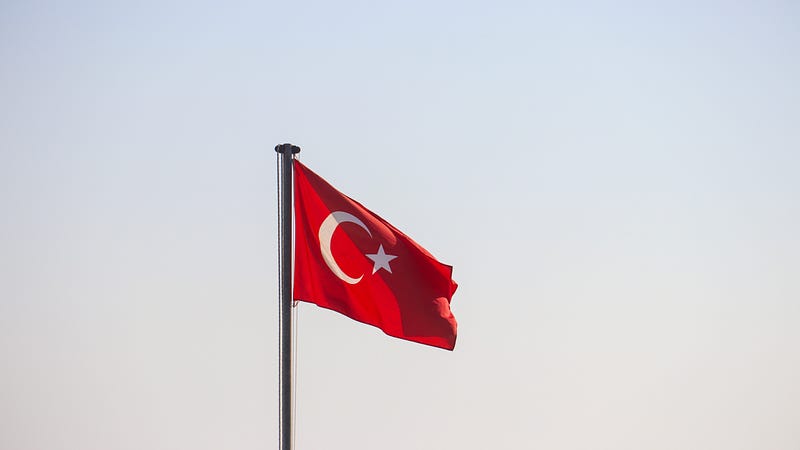
Photo by Dima Rogachevskiy on Unsplash


Crypto adoption surge

The report, the fifteenth such report produced by KuCoin as part of this series, reveals that there has been a substantial surge in crypto adoption among Turkish adults, with an impressive 52% of the adult population participating in crypto investments.

Since November 2021 there has been a 12% increase in the number of crypto investors aged 18 to 60. These statistics underscore the growing interest and acceptance of cryptocurrencies in Turkey. It’s not likely to be a coincidence that this surge in adoption has come about against the backdrop of the local currency, the Turkish lira, losing more than 50% of its value against the US dollar.

Here are some of the key insights that the report identified:

Growing Crypto Adoption Among Turkish Adults: The survey indicates a significant upswing in the number of Turkish adults investing in cryptocurrencies. The percentage of adults embracing crypto has surged from 40% to 52% over the last year and a half, despite the overall crypto market finding itself in the doldrums within that time frame.

Increased Female Participation: While male investors continue to dominate at a rate of 57%, the survey points to a notable trend of increasing participation among women, particularly in the younger age brackets. Approximately 47% of female crypto investors are between the ages of 18 and 30.

Youth-Driven Growth: Younger generations are leading the crypto adoption charge, with investors aged 31 to 44 constituting the largest group at 48%. Furthermore, a significant proportion of investors under 30 joined the market within the past year, indicating the influence of youth within the crypto space.

Many have expressed the view that crypto adoption will come about through the younger demographic. It’s a factor that has not gone unnoticed by crypto platforms, including fellow Seychelles-based exchange Bitget.

Motivations for Crypto Investments: The report delves into the motivations behind crypto investments among Turkish adults. A substantial 58% express the desire to create long-term wealth, transcending generational boundaries. This suggests a widespread belief in crypto’s potential as a tool for financial freedom.

Popular Cryptocurrencies: Bitcoin remains a favored choice, capturing 71% of overall investor interest. Ethereum follows closely with 45% interest, while stablecoins garnered the attention of 33% of surveyed participants.

Crypto Trading Dominates: A significant 70% of Turkish participants use crypto for trading, indicating the prevalent use of cryptocurrencies as investment instruments. Meanwhile, 22% have ventured into buying NFTs.

Influence of Personal Connections: Personal relationships play a pivotal role in driving crypto adoption in Turkey. About 57% of participants learned about crypto through family and friends, highlighting the significance of these connections in introducing newcomers to the crypto world.

This finding resonates with a similar finding relative to a recently published report covering crypto adoption in Vietnam.

The report has been based upon online surveys carried out by KuCoin between May 5 and May 12 of this year.


More to Read
View All
Policy & Regulation·

Dec 30, 2023

Indonesian authorities crack down on illegal crypto mining facilities

Recent reports from local media outlets indicate that Indonesian authorities have conducted raids on crypto mining sites, accusing them of illicitly siphoning electricity from the utility poles of the state-owned electricity company. The government’s intervention comes as part of a broader effort to address energy theft and regulate the cryptocurrency mining industry in the country.Photo by Fré Sonneveld on UnsplashTen mining sites raidedOfficials from the state-owned electricity company PLN highlighted the importance of coordinated efforts in exposing the unauthorized mining operations that were tapping into the national grid without approval. According to the reports, the ten illegal bitcoin mining sites which were raided incurred a financial loss of approximately 1.4 billion Indonesian rupees, equivalent to $100,000 for the state. The impact of energy theft extended beyond financial concerns, raising environmental and community-related concerns. Local students, alarmed by the potential consequences, urged PLN and regional police to investigate the mining operations. Subsequent action revealed that the theft was indeed taking place, prompting PLN officers from the Bukit Barisan Customer Service Implementation Unit (UP3) to conduct a raid. However, the officers faced threats and resistance, leading to a close coordination between PLN and the North Sumatra Regional Police. The raid uncovered a total of 1,300 bitcoin mining machines engaged in illegal operations, with each machine consuming a substantial 1,800 watts of electricity. Inspector General Agung Effendi, the North Sumatra Police Chief, disclosed that the illicit activities had been ongoing for an estimated six months, resulting in the arrest of 26 individuals across the ten locations.PLN reassured stakeholders of continued collaboration with the police to prevent further electricity theft and safeguard the national grid from such unauthorized activities. Worldwide concernThe incident in Indonesia reflects a global concern over the energy consumption of cryptocurrency mining operations generally, but also with regard to illegal activity. In recent years, the environmental impact of these operations has become a focal point in public policy debates, with climate activists emphasizing the harm caused. Government officials, on the other hand, express concerns about the potential disruption to the total distribution network if not properly regulated. In September, neighboring Malaysia identified illegal crypto mining activities in the state of Sarawak as the reason for recurrent power disruption. Meanwhile, in Singapore in August, authorities uncovered a crypto mining scam that cheated investors out of $1.3 million dollars. Indonesia joins other countries that have conducted raids on crypto mining operations accused of running large-scale, unregistered facilities. Malaysia has witnessed multiple arrests related to digital asset mines, while in Venezuela, authorities seized bitcoin machines and weapons from a recaptured prison controlled by a criminal gang. Legitimate mining potentialNotably, this marks the first such incident in Indonesia, and energy theft charges in the country are punishable by up to five years in prison or 200% of the stolen energy’s value. Despite these problems, Indonesia also understands the opportunity that exists where legal bitcoin mining is carried out. In May, Ridwan Kamil, Governor of the province of West Java, participated in a fireside chat titled “The Indonesia Bitcoin Mining Campaign.” During that event, Governor Kamil recognized the potential that bitcoin mining offers Indonesia. He stated: “[Indonesia has] the second most geothermal potential in the world — more than 800 rivers with hydropower. As bitcoin allows the transformation of energy into money, bitcoin could be transformative for Indonesia.” The global trend of addressing energy consumption in crypto mining is evident in Kazakhstan, where regulators seek to limit miners’ access to the national grid unless they operate solar-powered mines. Indonesia, with its pro-crypto population, is also moving towards increased regulation, mandating all crypto exchanges to register with the Commodity Futures Exchange (CFX) to continue operations beyond August 2024.  

news
Web3 & Enterprise·

Jun 12, 2023

SBINFT and JPNFT Collaborate to Establish A Secure NFT Market in Japan

SBINFT and JPNFT Collaborate to Establish A Secure NFT Market in JapanSBINFT, a Japanese company specializing in NFT consulting and marketplace services, has joined forces with JPNFT, a Japanese platform dedicated to establishing a secure NFT market by combating unauthorized NFTs, according to a press release. Together, these entities are working towards the development of a marketplace that ensures users have access to secure and authorized NFTs, with the overarching aim of promoting the distribution of legitimate digital assets.Photo by Choong Deng Xiang on UnsplashRise of NFTsThe advent of blockchain technology has revolutionized the way digital assets are valued and their ownership is determined. This transformative technology has enabled the creation of non-fungible tokens (NFTs), which now serve as digital representations of various creations and are actively traded on dedicated marketplaces.Unauthorized NFTsSince 2021, numerous new players have entered the global NFT landscape. As of March 2023, OpenSea, the world’s largest NFT marketplace, boasts a monthly trading volume of $430 million. While this growth signals promising market development, it also brings forth challenges stemming from the proliferation of pirated and unauthorized NFTs. Considering Japan’s esteemed international reputation in the realms of art and content, the country possesses the potential to emerge as a significant player in the NFT market. However, to realize this potential, appropriate measures must be swiftly implemented to guarantee security and authenticity within the industry.License check & certification markIn order to tackle this challenge, SBINFT and JPNFT have joined forces to establish a safe and sound NFT market that ensures the availability of genuine NFTs for users. As part of this collaboration, content NFTs registered on the NFT disclosure information platform called “jpnft” will undergo a verification process for authenticity when traded on the “SBINFT Market.” This verification process will involve an official license check as well as the inclusion of a JPNFT certification mark.The launch of jpnft content on the SBINFT Market is planned for the summer of 2023. The jpnft platform plays a crucial role in distinguishing between licensed NFTs and unauthorized ones by publishing official information related to NFTs based on Japanese intellectual properties. Licensed NFTs will be either issued directly by rights holders or authorized by them. It’s worth noting that the jpnft platform was developed as a project supported by the subsidy for “Japan content localization and distribution (J-LOD)” in the 2021 Supplementary Budget of the Japanese Ministry of Economy, Trade and Industry.Previously known as nanakusa, the SBINFT Market is built on two public chains (Ethereum and Polygon) and is committed to becoming a global open marketplace and. With a focus on providing a secure trading environment, the SBINFT Market meticulously reviews NFTs to safeguard users from potential risks such as fraud and hacking.Both SBINFT and JPNFT share a common philosophy that emphasizes the security of NFTs and the healthy development of the industry. With this shared vision, the SBINFT Market aims to enhance its content offerings and position itself as an authorized NFT marketplace that handles NFTs on jpnft.Government initiativeLast month, the Working Group for Digital Society Promotion under Japan’s ruling Liberal Democratic Party (LDP) presented a proposal to Prime Minister Kishida Fumio regarding the Web3 industry. This proposal recommended the implementation of measures to safeguard Japanese content and data from unauthorized monetization by foreign entities. This initiative highlights the government’s endeavor to protect and promote the integrity of Japan’s digital assets.

news
Policy & Regulation·

Nov 29, 2023

Korea’s financial regulator establishes dedicated units for crypto oversight

Korea’s financial regulator establishes dedicated units for crypto oversightThe Financial Supervisory Service (FSS) of South Korea revealed in a Wednesday (local time) press release that it is introducing new units specifically focused on virtual asset matters. This move is in anticipation of the upcoming implementation of the Virtual Asset User Protection Act scheduled for next July. The establishment of these dedicated organizations is a strategic step towards bolstering the integrity of the crypto market, with the goal of enhancing consumer protection.Photo by Ethan Brooke on UnsplashSupervision and investigation bureausThe newly established units will be known as the Virtual Asset Supervision Bureau and the Virtual Asset Investigation Bureau. These units are being created in response to the burgeoning crypto market.The Supervision Bureau will be responsible for extensive oversight of cryptocurrencies. Its roles will include supervising and inspecting virtual asset service providers (VASPs), monitoring market activities and enhancing policy and regulations in the sector. Additionally, the bureau is tasked with ensuring the effective implementation of these regulations and contributing to the promotion of market stability.The Investigation Bureau, the other key component of the new structure, will concentrate on identifying and addressing market abuse activities in the cryptocurrency sector, specifically targeting unfair trading practices.Until now, the Financial Intelligence Unit (FIU) of the Financial Services Commission (FSC) has played a leading role in overseeing the crypto sector, primarily due to its responsibility in evaluating applications from VASPs.FSS’s greater role in crypto oversightThe FSS, on the other hand, has maintained a digital asset research team, which has been responsible for supporting virtual asset legislation, along with conducting market analysis and monitoring. However, the latest move is set to the FSS’s role in regulation and oversight within the crypto market.The Supervision Bureau will be under the leadership of Lee Hyun-duk, who currently serves as Head of Financial Investment Examination Department 2. Meanwhile, Moon Jung-ho, the present leader of Audit Oversight Department 1, will take charge of the Inspection Bureau. The process of appointing team members to these bureaus is scheduled to take place in early January.

news
Loading