Top

Indonesia’s Financial Regulator Appoints Hasan Fawzi to Oversee Crypto

Policy & Regulation·July 15, 2023, 1:22 AM

The Financial Services Authority (OJK) of Indonesia has chosen Hasan Fawzi, a former executive of the Indonesia Stock Exchange (IDX), as the head of fintech and digital assets oversight and innovation.

That’s according to a number of reports published in local and regional news outlets on Thursday. Fawzi, who has served as the Director of the Indonesia Bond Pricing Agency (IBPA) since 2008, brings a wealth of experience in the securities pricing sector. Alongside Fawzi, Lodewik Paulus Agusman, previously responsible for the internal audit department at Bank Indonesia, has also been elected as a member of the OJK Board of Commissioners. These appointments were approved by the House of Representatives Commission overseeing banking and finance.
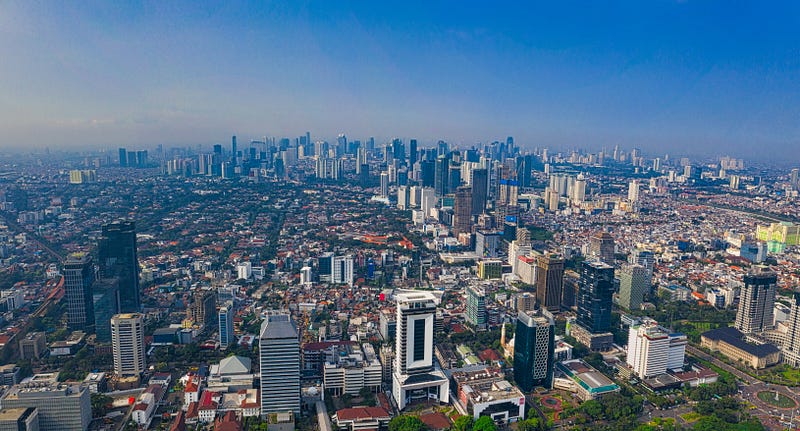
Photo by Tom Fisk on Pexels


Digital asset oversight

Fawzi’s role as the Executive Director for the Supervision of Technological Innovation in the Financial Sector, Digital Financial Assets, and Crypto-assets places him in charge of overseeing peer-to-peer lending platforms, cryptocurrencies, and other components of the evolving industry.

Indonesia’s stance on cryptocurrencies remains complex and multi-faceted. While the country is striving to launch a state-backed crypto exchange by mid-2023, as announced by Didid Noordiatmoko, head of the Commodity Futures Trading Regulatory Agency (Bappebti), recent statements by Bali Governor Wayan Koster suggest a tightening of regulations concerning crypto payments.

Governor Koster emphasized that foreign tourists who use cryptocurrencies for payments, violate visa provisions, or engage in unauthorized activities will face strict consequences. The Bali Representative Office of Bank Indonesia reiterated that while cryptocurrencies themselves are legal in Indonesia, their use as a payment instrument is not.

The appointment of Hasan Fawzi to OJK demonstrates Indonesia’s strategic efforts to strengthen oversight and foster innovation within the fintech and digital asset sectors. Fawzi’s extensive experience in securities pricing and leadership in the Indonesia Stock Exchange make him a valuable addition to the regulatory landscape. As Indonesia navigates the complexities of cryptocurrency usage, it will be fascinating to observe the evolution of regulations and how the country’s financial authorities shape the future of the industry.


Controlled innovation

These recent developments highlight Indonesia’s determination to stay at the forefront of financial technology albeit with efforts to retain strict controls over the rollout of that innovation. The country recognizes the importance of effectively regulating emerging technologies while fostering an environment conducive to innovation. With Fawzi at the helm of fintech and digital assets oversight, the OJK aims to strike a balance that protects investors and consumers while promoting technological advancement.

As these appointments await final approval from President Joko Widodo, the financial industry and crypto enthusiasts will closely watch Indonesia’s regulatory landscape. The decisions made in the coming months will shape the future of fintech and crypto in the country. Indonesia’s approach to this dynamic sector serves as a case study for other nations seeking to establish oversight and embrace the potential of digital assets. Their international regulatory peers will be monitoring efforts in Indonesia to bring about effective regulation of the digital assets space.


More to Read
View All
Web3 & Enterprise·

Oct 27, 2023

Rotonda and Hancom Frontis Join Forces for Web3 Ecosystem Growth

Rotonda and Hancom Frontis Join Forces for Web3 Ecosystem GrowthRotonda, the subsidiary of Korean cryptocurrency exchange Bithumb and the operator of cryptocurrency wallet platform Burrito Wallet, has recently announced a memorandum of understanding (MOU) with Hancom Frontis. This strategic partnership is geared towards accelerating the growth of the Web3 ecosystem.Photo by Shubham’s Web3 on Unsplash3D metaverse platformIn April, Hancom Frontis officially launched a 3D metaverse platform known as a:rz META. This platform offers a wide array of services, including virtual meetings, online education, and telemedicine, all facilitated by the integration of blockchain-powered digital assets.With the introduction of a:rz META, Hancom Frontis has shifted its focus to Web3-based businesses. The company aims to expand its user base globally through a series of gradual updates.Fostering mutual growthThrough this partnership, both entities are set to embark on several collaborative initiatives aimed at fostering mutual growth. These efforts include sharing resources like personnel, materials, and information, as well as strengthening their business networks. They will jointly engage in research and development of blockchain-based services and work towards enhancing policies for these offerings.Shin Min-cheol, CEO of Burrito Wallet, expressed excitement about their collaboration, stating that their joint efforts would lead to the creation of an advanced blockchain environment that boasts enhanced technology and services. He also highlighted that Burrito Wallet’s ongoing partnerships with businesses across different sectors would solidify the company’s position in the market as a distinguished wallet provider that offers practical services.Recently, Burrito Wallet has taken a significant step towards its global expansion by signing a partnership with Japanese blockchain gaming platform Oasys. Meanwhile, the Korean wallet firm has also expanded its support to 11 mainnets, consistently implementing updates to enhance user-friendliness of the platform.

news
Policy & Regulation·

Jun 20, 2023

Hong Kong Analyzes Web3 Approach of Regional Peers

Hong Kong Analyzes Web3 Approach of Regional PeersHong Kong’s ambitions in Web3 are on the rise as it strives to establish itself as a global hub for digital assets. The Research Unit of the Legislative Council Secretariat of Hong Kong has recently released a summary of a document titled “Development of Selected Regional Web3 Technologies,” shedding light on the city’s involvement in Web3.According to the report summary which was published on June 14, the Hong Kong government is actively promoting the development and utilization of Web3. In the fiscal budget for 2023–2024, the Financial Secretary announced accelerated efforts to build Hong Kong’s Web3 ecosystem, along with the establishment of a dedicated development task force focused on virtual assets.Photo by Jimmy Chan on PexelsPace of developmentHowever, concerns have emerged about Hong Kong’s comparatively slower pace of development in contrast to other regions. Various regions across the globe, particularly in Asia and the Gulf region, have implemented measures to expedite the progress of Web3 and its associated technologies and applications.To address these concerns, the report suggests that Hong Kong should broaden its focus beyond financial services and virtual assets. Instead, it should actively promote innovation in other areas of Web3 technology, such as blockchain and metaverse technology.Scrutinizing regional Web3 developmentIn response to a request from Councilor Wu Kit Ching, the research group has conducted a study on leading regions in Web3 technology and application development, examining their strategies.The study primarily highlights Japan, Singapore, South Korea, and the United Arab Emirates (UAE) as these regions have demonstrated proactive approaches in developing Web3 technologies, and they have become global or regional innovation hubs. Japan, for instance, has established high-level policy guidance and dedicated offices to coordinate Web3 policies across various government departments.Other regions covered in the study have focused on specific areas of Web3. Singapore and the UAE, for example, are exploring blockchain technology through industry collaborations and the establishment of incubation centers. Meanwhile, South Korea is actively launching metaverse strategies to foster innovation across multiple sectors.The summary also provides an overview of the key characteristics, foundational technologies, and applications of Web3. It outlines recent developments in Web3 within Hong Kong and analyzes the development scenarios of selected regions, including Japan’s comprehensive approach and the application-focused initiatives of other regions.The document emphasizes that Web3 represents a decentralized network that empowers users with greater autonomy and control over their digital lives. While the Hong Kong government has introduced measures to support the development of the Web3 ecosystem, particularly in the virtual asset market and related financial services, concerns persist regarding Hong Kong’s slower progress in other areas of Web3 technology compared to its counterparts in Asia and the Gulf region. These regions are capitalizing on their strengths and exploring broader applications of Web3.Hong Kong’s engagement in Web3 and its ambition to thrive in this domain is becoming more evident with each passing day. The summary of the document sheds light on the Chinese autonomous territory’s efforts, while also highlighting the need to expand its focus and foster innovation in various areas of Web3 technology. By doing so, Hong Kong can position itself as a prominent global center for Web3 and leverage the advantages it offers for digital asset development and beyond.

news
Policy & Regulation·

May 27, 2023

Chinese City Unveils Plan to Develop Metaverse

Chinese City Unveils Plan to Develop MetaverseThe city of Zhengzhou in China recently announced a set of policy proposals aimed at supporting the growth and development of metaverse companies in the region. These initiatives, introduced by the municipal government, include the establishment of a dedicated fund worth 10 billion yuan ($1.42 billion) to facilitate the advancement of the metaverse industry.Photo by Jéan Béller on UnsplashDraft policy proposalsAccording to the government’s draft which was published on Wednesday, metaverse companies that choose to relocate their headquarters to Zhengzhou will have the opportunity to receive a startup capital investment of up to 200 million yuan ($28.34 million). In addition, these companies will be eligible for various other benefits, such as rent subsidies, to help facilitate their operations.It’s worth noting that the policy extends beyond companies with headquarters in Zhengzhou. Any company engaged in metaverse-related use case development within the city, regardless of their headquarters location, can apply for funding. Projects certified as viable by the municipal government can receive up to 5 million yuan ($710,000) in financial support.While the specific date for fund allocation has not been disclosed yet, the municipal government of Zhengzhou has outlined its long-term vision for metaverse development in the city. It anticipates that metaverse-related industries in Zhengzhou will generate an annual revenue exceeding 200 billion yuan ($28.34 billion) by the end of 2025.Stimulating metaverse developmentThese policies apply to local enterprises operating in two distinct areas. Firstly, research endeavors focused on metaverse-related technologies, such as virtual reality, augmented reality, and brain-computer interfaces, are eligible for support. Secondly, the utilization of metaverse technologies in real-world industries, including education, entertainment, and commerce, can also qualify for funding.In addition to the dedicated fund, the government of Zhengzhou plans to collaborate with other governmental agencies and investment firms to secure an additional 50 billion yuan ($7.08 billion) in funding. This funding will be allocated to support various metaverse-related development projects. Furthermore, the city intends to provide cash rewards to metaverse companies upon their listing on China’s primary stock exchanges, aiming to incentivize growth and market participation.The comprehensive plan encompasses crucial technologies in the metaverse industry, such as blockchain, next-gen computer rendering, human-computer interfaces, and artificial intelligence. Furthermore, it strives to establish a digital asset market leveraging non-fungible token (NFT) technology.Broader metaverse strategyZhengzhou joins a growing list of Chinese cities and provinces that aspire to become leaders in the country’s metaverse development. The metropolis of Shanghai, located in the southeastern region, is actively pursuing its own metaverse aspirations. It predicts that its metaverse industry will achieve annual revenues of 350 billion yuan ($49.6 billion) by the year 2025.Elsewhere in China, there has been plenty of activity relative to Metaverse development. Zhengzhou belongs within Henan Province, and at a provincial level, administrators established a metaverse fund earlier this month. Around the same time-frame, Alibaba Cloud, the cloud division of the Chinese e-commerce giant, partnered with layer one blockchain project Avalanche with a view towards creating a metaverse launchpad.As the metaverse continues to evolve and gain prominence worldwide, it will be intriguing to observe the progress and impact of the policies implemented by Chinese cities like Zhengzhou. The concerted efforts to foster metaverse development reflect a broader global trend of recognizing the significance of virtual environments and their potential to reshape various aspects of society.

news
Loading