Policy & Regulation·Nov 27, 2023
How will Binance’s criminal case affect its presence in South Korea?
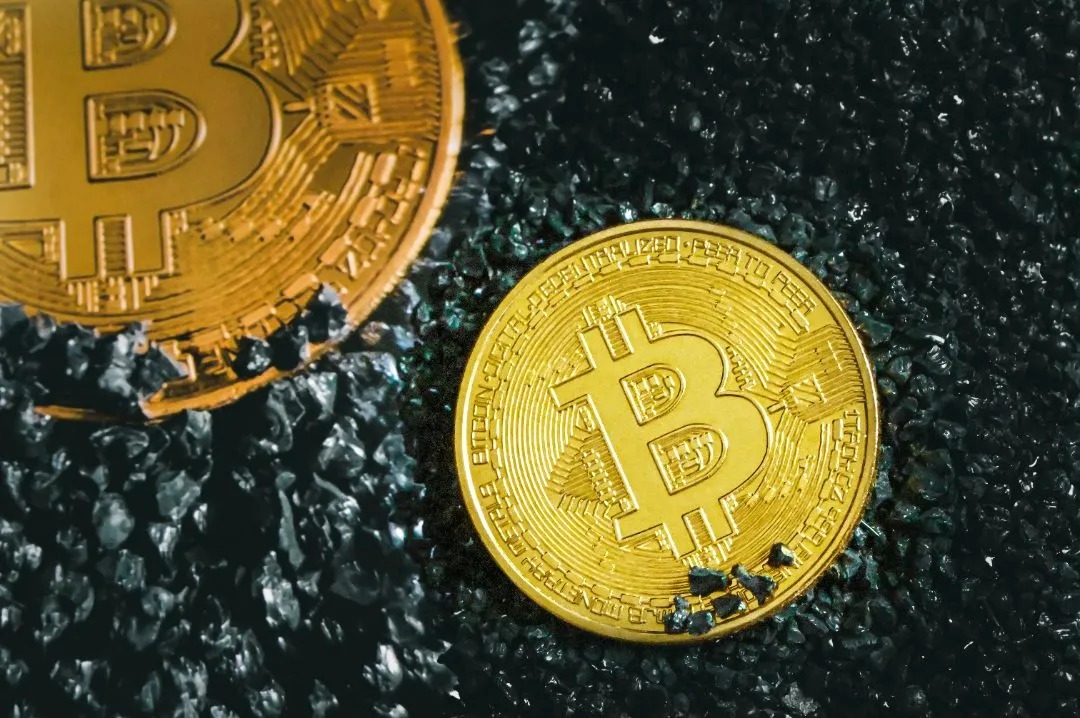
How will Binance’s criminal case affect its presence in South Korea?Binance, the world’s largest cryptocurrency exchange, has reached a settlement with the U.S. government to pay a fine of more than $4.3 billion after the exchange was accused of anti-money laundering (AML) and sanctions violations. Co-founder and CEO Changpeng Zhao also pleaded guilty to violating the Bank Secrecy Act, which requires financial institutions to submit documentation to prevent them from becoming mediums for criminal funding. Binance will thus be withdrawing completely from the U.S.Photo by Vadim Artyukhin on UnsplashNews of this incident has sparked keen interest within the South Korean crypto industry regarding the impact it could have on Binance’s presence and influence in the country.Murky future for Binance as Zhao resignsBinance allegedly failed to report transactions involving criminal entities such as terrorist groups, ransomware perpetrators and money launderers without implementing a system to prevent such crimes. In particular, organizations like the Izz ad-Din al-Qassam Brigades — the armed wing of the Palestinian militant group Hamas — as well as the Palestinian Islamic Jihad and ISIS were found to have utilized Binance as a channel for their funds. Furthermore, the exchange also facilitated transactions with users in sanctioned territories such as Iran, North Korea and Syria.Zhao has subsequently decided to step down as Binance’s CEO, taking to his X (formerly Twitter) account to state that he believes it is the right move. However, he also emphasized that the U.S. government did not accuse Binance of misappropriating user assets or engaging in market manipulation.Despite this fiasco, some insights have painted Binance’s future in a positive light. JPMorgan, the largest bank in the U.S., stated that the uncertainty surrounding Binance itself would diminish. “For crypto investors, the prospect of settlement would see the elimination of a potential systemic risk emanating from a hypothetical Binance collapse,” the bank said, according to an article published by digital asset news outlet The Block.GOPAX reaffirms partnership with Binance despite concernsGOPAX, a Korean fiat-to-crypto exchange that was acquired by Binance in February, also maintained a rather unexpected positive outlook. The acquisition had been followed by a complicated string of events hindering Binance’s full-fledged expansion in Korea, including delayed approval from the country’s Financial Intelligence Unit (FIU) to become a virtual asset service provider (VASP) and multiple leadership changes as a result.Investors in GOFi — GOPAX’s decentralized finance (DeFi) service — subsequently responded by filing a lawsuit at the end of June, claiming that financial authorities unjustly delayed the approval. They argued that, by approving the request, the FIU would enable Binance to provide the capital that GOPAX had struggled to gather to pay principal and interest payments on GOFi in the wake of last year’s FTX collapse.However, these circumstances did not sway GOPAX’s decision to work with Binance. “We learned of the news about Binance’s fine through articles from foreign media platforms,” GOPAX said. “Regardless, we are still in a business and technical partnership with the exchange.”Prospects for Binance’s landing in KoreaIn contrast to GOPAX’s seemingly positive outlook, the Korean crypto community has voiced mixed opinions about the effect of this development, especially on Binance’s successful entry into the domestic market.If GOPAX’s VASP approval had been delayed due to concerns about Binance’s suitability as its largest shareholder — incited by the legal risks it posed in the U.S. — the possibility of the approval going through may be more plausible as some of these risks have since been alleviated, said Yoon Seung-sik, an analyst at Seoul-based research firm Tiger Research.However, Jang Hye-won, an analyst at crypto data research platform Xangle, pointed out that interpretations may differ depending on the reasons behind FIU’s hesitation in approving the GOPAX acquisition. “If the concerns revolved around legal risks, then the path for Binance’s entry into Korea may seem cleared since those risks have been resolved. But if the concerns are about Binance’s capital inflow into the country, then this incident (Binance’s criminal case) will have no effect,” she explained.On the other end of the spectrum, some experts believe that this incident may have negatively affected the GOPAX acquisition. Hwang Suk-jin, a professor at Dongguk University’s Graduate School of International Affairs & Information Security and a member of the ruling People Power Party’s committee for virtual assets, stated, “Since criminal punishment for Zhao and the U.S. Securities and Exchange Commission’s (SEC) lawsuit are still pending, it’s hard to conclude that legal risks have been completely resolved. Binance paying a fine for money laundering may actually reinforce the FIU’s concerns about legal risks, making the GOPAX acquisition decisively unfavorable.”These statements come after a public opinion survey conducted earlier in June by Cratos, a Korean blockchain-based polling app, revealed that a 64.6% majority of respondents favored approving the GOPAX acquisition.