Top

Algorand Foundation and DWF Labs Partner for Ecosystem Growth

Web3 & Enterprise·June 27, 2023, 12:00 AM

The Algorand Foundation has joined forces with DWF Labs, a global digital asset market maker and Web3 investment firm, in a strategic partnership aimed at accelerating the growth of the Algorand ecosystem.

An announcement of the collaboration was made on Monday, with the expectation that it will provide more opportunities for developers, businesses, and the wider blockchain community where the Algorand layer one blockchain is concerned.

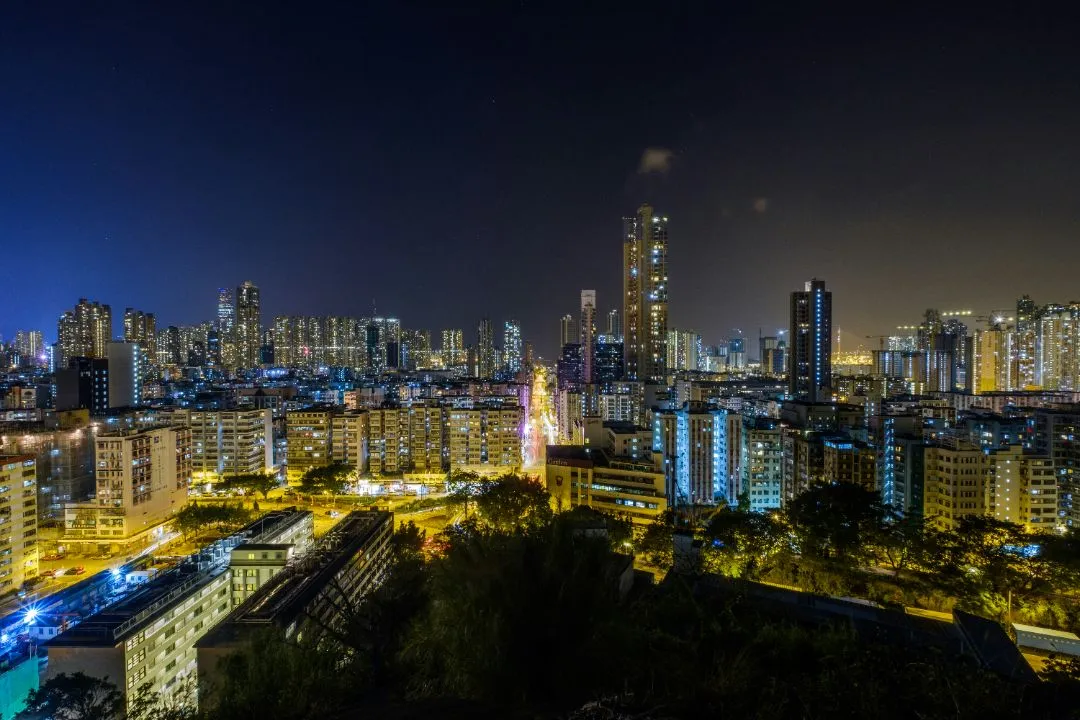
Photo by Shubham Dhage on Unsplash


$50M token purchase

DWF Labs has committed to purchasing $50 million worth of $ALGO tokens, the native cryptocurrency of the Algorand network. This infusion of funds will enhance liquidity within the Algorand ecosystem, bolstering stability and growth.

Beyond the token purchase, the partnership is reinforced by a memorandum of understanding (MOU), establishing a comprehensive funding framework to support projects built on the Algorand blockchain. This commitment will foster innovation across various sectors such as decentralized finance (DeFi), art and music, gaming, oracles and bridges, and infrastructure.


Ecosystem collaborations

Web3 investment firms like DWF Labs play a pivotal role in accelerating the growth of blockchain ecosystems. By investing in startups and projects that complement existing blockchain platforms, DWF Labs creates synergies that drive growth.

It’s not the first time that DWF Labs has collaborated with blockchain network ecosystem projects. Earlier this month, the firm announced a deal with the project team behind layer one blockchain TRON, that will see it become a liquidity provider to that TRON network.

In April, DWF entered into a partnership with the EOS Network Foundation (ENF) which included a $45 million $EOS token purchase agreement, with a further $15 million allocated towards investment into EOS ecosystem projects.

Andrei Grachev, Managing Partner of DWF Labs, expressed enthusiasm for the partnership, highlighting Algorand’s technological superiority, security, and commitment to environmental sustainability and social impact.

Through funding and strategic collaboration, DWF Labs will support the creation of diverse applications, services, and solutions within the Algorand ecosystem. This will foster the ALGO network effect, attracting more users and driving further growth.


Algorand network stability and growth

The Algorand Foundation and DWF Labs partnership aligns with ongoing efforts to drive blockchain network adoption. Algorand’s platform offers scalability and security, while DWF Labs’ expertise and financial support will propel the ecosystem’s growth and adoption.

The Algorand network is a proof of stake (PoS)-based blockchain network. It aims to accelerate the convergence between existing TradFi and emerging decentralized networks and technologies.

The $50 million investment in ALGO tokens injects liquidity into the ecosystem, promoting stability and facilitating economic activities. The partnership’s funding framework ensures that projects built on Algorand receive the necessary resources.

Collaborations like this drive blockchain adoption and development. The Algorand Foundation and DWF Labs share a vision of innovation and collaboration, fostering a thriving ecosystem.

As the blockchain industry expands, strategic alliances play a crucial role in accelerating innovation and establishing interconnected ecosystems. The collective efforts of the Algorand Foundation and DWF Labs contribute to blockchain’s advancement, leading towards a decentralized future with transparency and inclusivity.


More to Read
View All
Web3 & Enterprise·

Oct 05, 2023

Former SoftBank Executive Launches Stablecoin in Abu Dhabi

Former SoftBank Executive Launches Stablecoin in Abu DhabiAkshay Naheta, a former executive from SoftBank, known for his involvement in some of the firm’s most significant deals, is embarking on a new venture in Abu Dhabi, focusing on stablecoins.Photo by Mathilde Cureau on UnsplashDRAM Trust partnershipThe 42-year-old financier has established Distributed Technologies Research (DTR) within Abu Dhabi’s international financial free zone. The firm has partnered with Hong Kong-based DRAM Trust, an entity with connections to a pool of high-net-worth individuals.Together, the firms aim to tap into the stablecoin market, which analysts at Bernstein predict will surge more than twenty-fold, reaching $2.8 trillion within the next five years. While the vast majority of stablecoins are pegged to the US dollar, DRAM coins will have backing from the United Arab Emirates dirham.Targeting high-inflation countriesThis peg to a relatively stable currency like the dirham offers greater security for individuals residing in high-inflation countries like Turkey, Egypt, and Pakistan. Additionally, it presents an alternative to the SWIFT system. While the dirham currently plays a minor role in the global economy, it has recently gained prominence as a petro-currency.“Our main focus is the unbanked and under-banked in these nations,” Naheta explained in an interview from Dubai. “If you want to diversify your risk and be in a currency that’s complimentary to the dollar, there’s a big percentage of money that can move into this,” he added.Naheta previously worked as a trader at Deutsche Bank. He had played a central role in some of SoftBank’s most notable deals during his tenure. Notably, he pitched the sale of chip designer Arm to semiconductor giant Nvidia. He also led a $4 billion investment in Nvidia in 2017, generating a $3 billion profit.Since his departure from SoftBank last year, Naheta has been actively involved in various fintech projects, with the UAE serving as his base of operations.Growing stablecoin circulationStablecoins have been in existence for nearly a decade. However, their primary use has been for trading purposes to facilitate the movement of digital assets between exchanges, and their adoption in consumer payments has been limited. Currently, there are approximately $124 billion worth of stablecoins in circulation, with Tether’s USDT being the largest, followed by the Circle-issued USDC.Supporters of stablecoins view them as a superior means of achieving cost-effective and instant money transfers and payments. Nevertheless, they have encountered resistance from central banks worldwide, which are actively developing their own central bank digital currencies (CBDCs).DRAM coins will be accessible on decentralized automated market makers, including Uniswap, Sushiswap, and Pancakeswap. Additionally, the team plans to collaborate with centralized exchanges in the near future, as revealed by Naheta.UAE ‘the new Switzerland’The former SoftBank executive anticipates significant demand for DRAM coins in the UAE, where a sizable expatriate population resides. Furthermore, the country is situated close to several high-inflation nations in Africa, the Middle East, and Asia.“I’m extremely bullish on the UAE,” Naheta stated. “It’s the new Switzerland — geopolitically neutral, a great transportation hub and a top tourism destination.”

news
Policy & Regulation·

Jun 28, 2023

Korea’s Most Populated Province to Conduct Survey on Unfair Crypto Trading

Korea’s Most Populated Province to Conduct Survey on Unfair Crypto TradingGyeonggi-do, the most populated South Korean province that encircles the nation’s capital of Seoul, announced today a plan to conduct a survey among its residents later this year to assess their experiences with unfair cryptocurrency trading practices.Photo by mockupbee on UnsplashRising crypto-related complaintsThe decision to conduct this survey was prompted by the increasing number of residents experiencing unfair losses from cryptocurrency investments amid an economic slowdown. Last year, the consumer counseling center in Gyeonggi-do received 448 complaints related to crypto assets, which was more than triple the number in 2020.The objective of the survey, which will run from August to November, is to gather data on residents’ perceptions of crypto assets, their methods of accessing them, the types of investment victims, and the extent of investment losses. To obtain a comprehensive understanding of the current situation, Gyeonggi-do will also analyze complaints from the past three years and establish appropriate response measures.In-depth interviewsIn addition to the survey, Gyeonggi-do plans to conduct in-depth interviews with victims by making visits and phone calls. The provincial government aims to categorize each case into major groups such as illicit pyramid schemes, suspicious investment advice channels, illegitimate fund-raising activities, market manipulations, and fake crypto sales.Legislation in progressMeanwhile, the Virtual Asset User Protection Bill is currently undergoing the legislative process in the National Assembly. Gyeonggi-do is committed to devising appropriate consumer protection policies within its jurisdiction to safeguard residents and prevent further damages until the act becomes effective. Cases of unfair trading practices uncovered during the survey will undergo legal reviews and may result in fines or lawsuits.Heo Seong-cheol, the head of the Fair Economy Division at the Gyeonggi-do government, expressed the province’s dedication to minimizing financial losses incurred by consumers due to criminal activities in the crypto industry. He said the survey will provide valuable insights to the local government, enabling them to gain a comprehensive understanding of the current situation regarding unfair crypto trading practices and take necessary actions.

news
Policy & Regulation·

Jan 02, 2025

Regulator pulls plug on Bybit in Malaysia

In Malaysia local regulator the Securities Commission has ordered global crypto exchange platform Bybit to shut down its operations within Malaysia as part of enforcement actions being taken by the regulator against the company.Photo by Esmonde Yong on UnsplashOperating without registration The Securities Commission published a statement to its website late last week outlining that both Bybit and its CEO Ben Zhou had been reprimanded for carrying out digital asset trading activities in Malaysia without having completed the necessary registration. The regulator also pointed out that both Zhou and his company have been listed on its Investor Alert List since July 2021. The Securities Commission took the opportunity to remind investors that they should only deal with what it termed “Recognized Market Operators” (RMOs), a designation it applies to entities that have completed registration with the regulator. Investors who utilize unregistered platforms are not extended any form of protection under Malaysian securities law, the Securities Commission warned, adding that such platforms could put them at risk of fraud and implicate them in money laundering activity potentially. Enforcement actions Bybit has been directed by the regulator to disable its website and mobile applications that are currently targeting Malaysian investors within 14 business days from Dec. 11.  The regulator also wants the company to curb other forms of promotion aimed at Malaysian investors. With that, it has requested that the company take down its Telegram-based support channel for Malaysian customers. Advertising activity, including social media posts, must also cease in cases where such activity is aimed at Malaysian investors. The Securities Commission acknowledged that thus far, Bybit has been compliant with its latest enforcement requests. Intentions to secure licensing Bybit has responded to these developments on its Bybit Malaysia Telegram channel, stating that the company understands that these actions “may cause some inconvenience” to Malaysian customers. “Once we have secured the appropriate licenses, we look forward to reconnecting with you again in the future,” it added. The enforcement action is likely to be a setback for Bybit given that the firm appeared to be focusing on the Malaysian market of late. In June it emerged that the company was moving to relocate Chinese employees to both Malaysia and Dubai.  This is not the first occasion in which Malaysia’s Securities Commission has taken action against a crypto platform. In 2023 the commission ordered the closure of the Malaysian operations of global exchange Huobi (subsequently rebranded as HTX). The circumstances in that instance were similar in that it acted against the exchange and its CEO for operating illegally within the Malaysian market. Within the Malaysian market, only six trading platforms have been registered. These include Hata Digital, Luno, MX Global, Sinegy, Tokenize Technology and Torum International. Earlier the Securities Commission acted similarly in prohibiting Atomic Wallet from operating within Malaysia given its failure to register its digital asset exchange activities. 

news
Loading