Top

Bybit joins quest for VATP license in Hong Kong

Policy & Regulation·February 03, 2024, 3:54 AM

Leading cryptocurrency exchange platform Bybit has joined a growing list of competing platforms by applying for a Virtual Asset Trading Platform Operator (VATP) license with the Hong Kong Securities and Exchange Commission (SFC).


The application, submitted through the Bybit affiliate business entity Spark Fintech Limited on Jan. 31, is currently under review along with 13 similar VATP applications.

https://asset.coinness.com/en/news/50c7b16abbbbbb544611754feed57778.webp
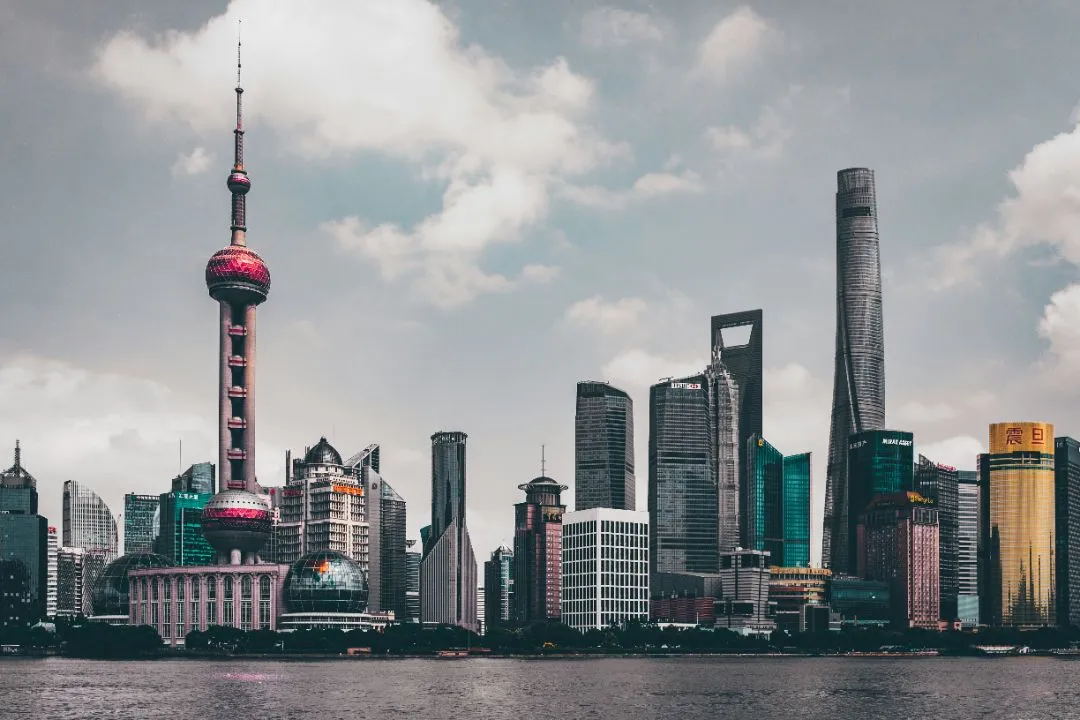
Photo by Simon Zhu on Unsplash

Strategic licensing play

In the dynamic landscape of cryptocurrency regulations, obtaining a VATP license in Hong Kong is a strategic move. Currently, only two crypto exchanges, OSL and HashKey Exchange, are licensed by the SFC in Hong Kong. OSL secured its license on Dec. 15, 2020, while HashKey Exchange was licensed on Nov. 9, 2022. Under a partnership agreement with OSL, Interactive Brokers has been enabled in its ability to commence trading in Hong Kong.


Exchanges who have followed through on the license application process include OKX, Gate.io, and KuCoin, among others. It’s not something that is being taken on without these platforms weighing up the long term potential due to the cost implications. It emerged last year that companies were spending up to $25 million in their efforts to obtain licensing in Hong Kong.


VATP vs. VASP licensing

The VATP license holds significance as it allows Hong Kong-based firms to cater to retail customers in contrast to the Virtual Asset Service Provider (VASP) license, which restricts companies to serving professional investors. In Hong Kong, investors must have portfolios valued at a minimum of eight million Hong Kong dollars ($1.03 million) to qualify for professional investor status.


Hong Kong has positioned itself as a leading destination for crypto companies, particularly in 2023, owing to its favorable regulatory approach compared to mainland China's stringent crackdown on digital assets. The SFC has introduced crypto-oriented regulations, opening doors for both institutional and retail investors to participate in the crypto market. This regulatory environment has contributed to the city-state's emergence as a hub for crypto activities.


Dubai-headquartered Bybit's move to seek a VATP license aligns with the growing trend of crypto companies finding a home in Hong Kong. In a statement, Ben Zhou, the founder and CEO of Bybit, emphasized the city's strategic location and established financial infrastructure as ideal for their operations and serving institutional clients across the Asia Pacific region.


Institutional offering

As part of its strategy to grow its institutional customer base, the company revamped its institutional market offering last October. With that institutional business in mind, it has also formed strategic partnerships, including collaborating with Talos, an institutional digital asset trading technology provider, and joining forces with Copper to offer custodial and settlement services for institutional clients through Copper's ClearLoop service.


Bybit, launched in 2018 by Zhou, boasts a substantial user base, serving over 22 million registered users in 160 countries globally. Claiming a daily trading volume of $16.53 billion, Bybit holds the fifth-highest score among spot exchanges worldwide and is the second-ranked derivatives exchange, trailing only behind Binance, according to CoinMarketCap data. The exchange has consistently ranked in the top positions for futures and perpetuals trading throughout the last calendar year.



More to Read
View All
Policy & Regulation·

Jul 14, 2025

Shanghai officials potentially signaling openness to stablecoins

The Shanghai office of a Chinese regulatory body which oversees assets belonging to state-owned enterprises (SOEs) is reported to have held a session dedicated to the topic of digital assets and in particular, stablecoins, fueling speculation of a positive shift in outlook on crypto in China.Photo by Hanny Naibaho on UnsplashOn July 11, Reuters reported that the State-owned Assets Supervision and Administration Commission (SASAC) held the meeting in Shanghai on July 10, with the publication suggesting that the event represented “a marked shift in tone” in the consideration of digital assets in China, bearing in mind that crypto trading and mining are banned within the country. Following the “development trend and response strategies” study session, He Qing, director of the organization, said that there was a need for "greater sensitivity to emerging technologies and enhanced research into digital currencies." The regulator called on Chinese state-backed agencies to consider the adoption of blockchain technology for use cases like real-world asset (RWA) tokenization, supply chain finance and cross-border trade. A policy expert from Shanghai-headquartered securities firm, Guotai Haitong Securities, attended the meeting, outlining details on the history, characteristics and categories of cryptocurrencies and stablecoins, while also discussing global regulatory frameworks. Last month, a subsidiary company of Guotai Haitong Securities, Guotai Junan International (GTJAI), became the first company from the Chinese mainland to be given approval by the Hong Kong securities regulator to offer digital asset trading services. Adapting to the stablecoin trendIn June, state-owned financial newspaper, Securities Times, called on Beijing to adapt “to the trend of stablecoins.” The publication claimed that industry insiders “generally believe that, as an emerging payment tool, the unique advantages and potential risks of stablecoins cannot be ignored, and that the development of [yuan-backed] stablecoins should be sooner rather than later”. The same month, Pan Gongsheng, governor of the People’s Bank of China, acknowledged that stablecoins are playing a role in disrupting global payments infrastructure.  It also emerged recently that JD.com, a Chinese e-commerce giant, and Ant Group, an affiliate company of the Alibaba Group, have been lobbying the Chinese authorities for the authorization of yuan-based stablecoins. On X, Shanghai Macro Strategist, a China strategist, claimed that the recent surge in the Bitcoin unit price had come about as a consequence of this stablecoin-focused SASAC meeting in Shanghai. At the time of writing, BTC has appreciated 9.3% over the course of the past seven days. The strategist suggests that the event is fueling speculation that “the Chinese government may be in the early stages of reassessing its official stance on the crypto industry.” In their monthly report for May, the strategist pointed out that “Beijing’s outright rejection of [Bitcoin] as a legitimate asset” was holding the leading asset back on its path to “reserve status.” The strategist added: “Over the longer term, a shift in China’s stance could prove to be the single most powerful bullish catalyst—elevating Bitcoin from a fringe asset to a globally recognized store of value.”

news
Web3 & Enterprise·

Dec 06, 2023

Binance Japan now fully operational

Binance Japan now fully operationalGlobal cryptocurrency exchange Binance has officially commenced full operations in Japan through its locally incorporated Japanese entity, Binance Japan.Photo by Sora Sagano on UnsplashSetting off on a compliant footingFollowing a period of collaboration with regulatory authorities, Binance Japan is positioning itself firmly under the purview of clear regulatory frameworks set by the Japanese authorities.The Japanese government has instituted stringent regulations for cryptocurrency exchanges, aiming to bolster consumer protection, thwart money laundering and create a more secure trading environment. Binance Japan’s decision to align itself with these regulations comes in a year in which the leading crypto platform has encountered regulatory pushback in a whole host of jurisdictions around the world.Under the established regulatory framework, cryptocurrency exchanges in Japan are mandated to secure a license from the Financial Services Agency (FSA), the nation’s financial regulatory body. This licensing process ensures that exchanges adhere to rigorous security measures, maintain robust internal controls and implement protocols for the protection of customers.Phased market entryIt emerged back in May that the company planned to establish a separate Japanese entity. In August Binance Japan started to offer a limited service, enabling access to 34 token listings. In November the firm added 13 further digital assets, with the suggestion that it would eventually offer 100 tradable digital assets.Taking to the X social media platform on Sunday, Sota Watanabe, the founder of Polkadot-centric multichain dApp hub Astar Network and the CEO of Singapore-based Startale Labs, confirmed that Binance Japan is now in full operation. Watanabe wrote:”Binance Japan started its full operation yesterday under clear regulations set by the government, and they have listed Astar from day 1 as one of the first cryptos. I hope more and more Japanese people enter our ecosystem.”Focus on stablecoinsIn a virtual business discussion at the end of August, Head of Binance Japan, Takeshi Chino, set out the company’s vision going forward. Part of the business plans includes potential collaborations on the development of stablecoins. Further news on that pursuit became known the following month when Mitsubishi UFJ Trust and Banking Corporation (MUTB), the trust arm of Japan’s largest bank, announced a collaboration with Binance Japan that will investigate the issuance of public blockchain stablecoins denominated in the local currency, the Japanese yen, as well as other fiat currencies.The full launch of Binance Japan signifies the increasing recognition of cryptocurrencies as a legitimate financial asset class. With a major global exchange like Binance willingly adhering to local regulations, it sets a positive precedent for other exchanges and entities in the region to follow suit.Furthermore, given Japan’s historical significance in the global cryptocurrency market, Binance’s operations in the country could contribute significantly to the broader acceptance and integration of cryptocurrencies into the financial ecosystem. This move aligns with the global trend of heightened institutional interest in digital assets.Binance Japan’s initiation of full operations within a clear regulatory framework marks a further stride forward for both the exchange and the Asian crypto market.

news
Policy & Regulation·

Jul 13, 2023

Kaspersky Says Crypto Phishing on the Rise in the Philippines

Kaspersky Says Crypto Phishing on the Rise in the PhilippinesThe Philippines witnessed a significant increase in detected cryptocurrency-related attacks last year while Vietnam recorded the highest level in Southeast Asia, according to cybersecurity firm Kaspersky.Photo by Markus Spiske on UnsplashEase of crypto accessVietnam topped the list with over 64,000 detections. Meanwhile, the Philippines recorded 24,737 cases of crypto-phishing attacks in 2022, up from 9,164 cases in 2021, making it the second-highest number in Southeast Asia.Adrian Hia, Managing Director for Asia Pacific at Kaspersky, attributed the rise to the ease of accessing cryptocurrency in the Philippines. He explained that as users increasingly turn to mobile devices, they are inadvertently exposing themselves to potential breaches, as malware can be installed through various touch points.Research published by Malaysian crypto data aggregator, CoinGecko, earlier this month, also points to the Philippines as having the second highest level of interest in crypto in Southeast Asia, after Singapore.Targeting popular platformsCybercriminals commonly target accounts of popular online gaming platforms and crypto wallets using advanced stealers or “stalkerware” that allow them to spy on individuals through their mobile devices, Kaspersky stated. The firm’s monitoring data revealed that malware is spreading through legitimate channels such as official marketplaces and advertisements in popular apps.Across Southeast Asia, the total number of crypto-phishing detections decreased to 147,649 in 2022 from 164,330 in 2021, according to Kaspersky. However, only Singapore (down 74%), Thailand (down 51%), and Vietnam (down 15%) observed declines in detections. Besides the Philippines, crypto-related attacks also increased in Indonesia (from 19,584 in 2021 to 24,642 in 2022) and Malaysia (from 16,071 to 16,767).Kaspersky discovered an average of 400,003 new malicious files per day in 2022, representing an increase of 20,000 files per day compared to the previous year. Hia emphasized that scammers are relentless in their efforts to steal cryptocurrency due to its increasing popularity and adoption, particularly in Southeast Asia. He urged cryptocurrency adopters in the region to stay informed about the latest tricks used by crypto phishers to protect their digital assets.Email-based attacksRoman Dedenok, a spam analysis expert at Kaspersky, revealed that crypto phishers often employ email-based attacks to target crypto users. He explained that scammers entice victims with the prospect of participating in a cryptocurrency giveaway, offering popular digital assets such as Bitcoin, Ethereum, Litecoin, Tron, or Ripple.The scammers provide a three-point guide to claim the free cryptocurrency along with a link to the “promotion” website. Clicking on the link leads users to a phishing site where they are prompted to specify the wallet to which they want the funds transferred.In response to the growing cybersecurity concerns, Kaspersky is engaging in discussions with government institutions worldwide. In the Philippines, while the central bank does not directly regulate cryptocurrency, it has established guidelines for virtual asset service providers. The Chairman of the Securities and Exchange Commission (SEC) in the Philippines, Emilio Aquino, recently delayed publication of a regulatory framework for crypto, on the basis of having “to make sure people don’t get burned.”Entities involved with virtual assets are required to obtain a license from the Bangko Sentral ng Pilipinas, the central bank of the Philippines, to comply with regulations.

news
Loading