Top

Russia looks to implement crypto taxation and mining policy changes  

Policy & Regulation·November 21, 2024, 8:32 AM

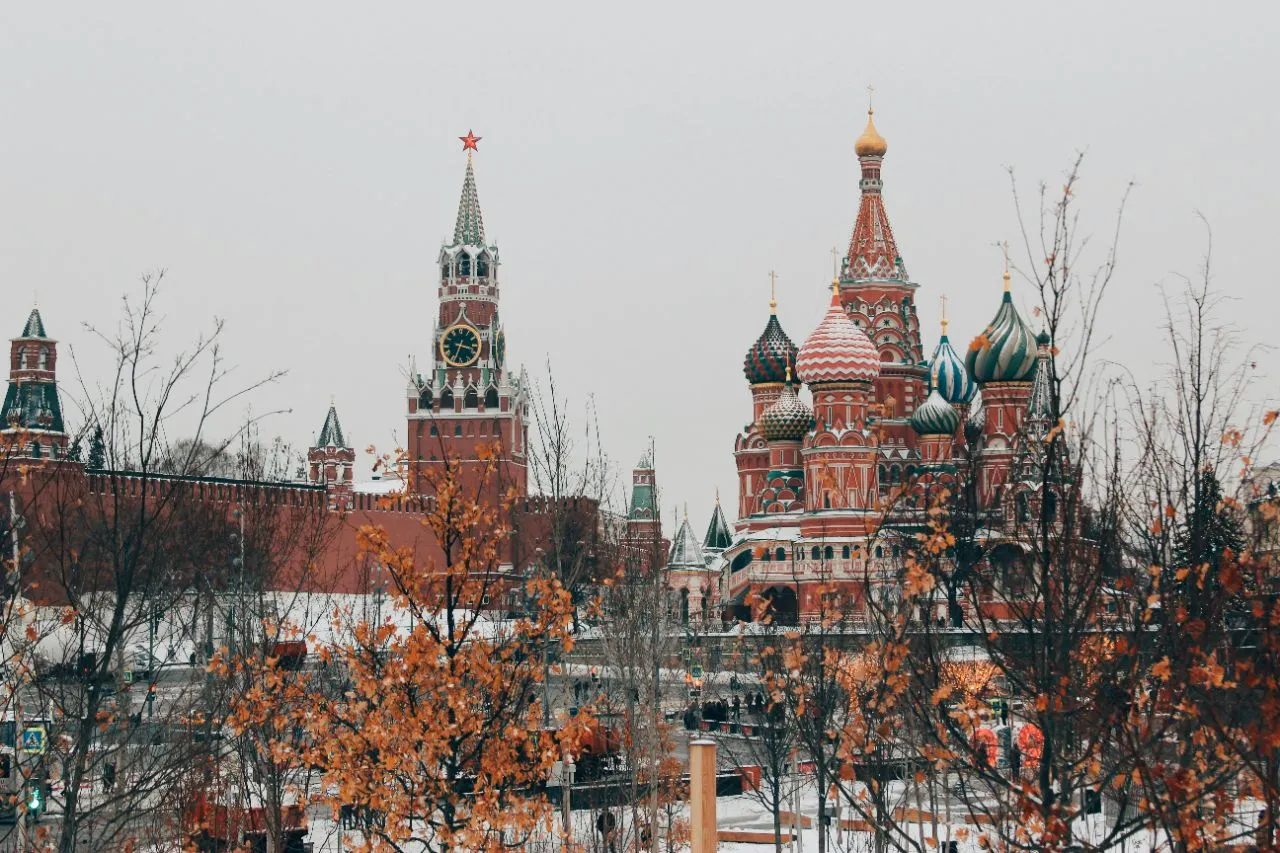
A number of reports published by local Russian media in recent days suggest that the Russian authorities are implementing taxation and regional controls on cryptocurrency mining.
https://asset.coinness.com/en/news/843ec277b0a14f013e4a5e27ff17faf0.webp
Photo by Michael Parulava on Unsplash

Regional mining ban

A report published by the Moscow Times on Nov. 19 suggests that Russia’s Deputy Prime Minister, Alexander Novak, has led a government commission that plans to implement a ban on cryptocurrency mining in specific Russian regions. 


The authorities have been motivated in enacting such a ban in order to combat power shortages. With that, a ban is being implemented on a temporary basis during the heating season. The restrictions will apply to miners located within six regions within the North Caucasus, as well as the Zabaikalsky region in Siberia and territories now controlled by Russia in Ukraine.


The ban will apply from December through to mid-March 2025, with this seasonal restriction to be applied subsequently each winter until 2031.


Back in August, Russian President Vladimir Putin signed into law legislation which legitimized cryptocurrency mining within the Russian Federation. That law recognized mining activities and the concepts of mining pools and mining infrastructure operators.


The legislation requires mining operators to register with the government. Individual miners can mine without registering so long as they stay within specified energy-use limits. Earlier this month, the authorities set a power consumption limit of 6,000 kWh per month for those unregistered miners. 


The legislation also recognized the ability of stakeholders to trade in foreign digital assets on Russian blockchain platforms, with Russia’s central bank, the Bank of Russia, retaining the ability to ban specific digital assets from being traded if such trading is deemed to be a threat to Russia’s financial stability.


15% tax proposal

Earlier this week Russia’s Interfax news agency reported that the Russian government had approved draft amendments to a bill concerned with the purchase and sale of digital currencies relative to crypto mining activity. 


According to those proposed legislative amendments, digital assets will be classified as property from a taxation perspective. Income derived from mining activities will be assessed in terms of taxation based on market value at the time of receipt of the asset.


The legislative amendments propose a 15% tax rate for cryptocurrencies. Furthermore, crypto transactions will not be subjected to value-added tax (VAT). However, income derived from such transactions will be taxable in the same way as income from transactions involving securities. Crypto mining operators will be permitted to deduct operating expenses from their taxable income.


Russia’s Finance Ministry is understood to have clarified that the taxation approach would strike a balance between Russian government interests and those of commercial operators.


With the introduction of legislation to recognize cryptocurrency mining activity earlier this year, Ki Young Ju, CEO of on-chain and market data analytics firm CryptoQuant, noted the country’s growing involvement and national-level engagement with digital assets. The coming months will determine if these latest crypto mining restrictions will dampen the level of involvement of Russia-based crypto miners.

More to Read
View All
Markets·

Apr 23, 2024

Korean won overtakes U.S. dollar in Q1 crypto trading dominance

In the first quarter of this year, South Korea witnessed a significant surge in cryptocurrency trading volume, with transactions worth $456 billion conducted in South Korean won on centralized crypto exchanges, according to data from Kaiko. This surge has propelled the South Korean won to the forefront as the most-used currency for crypto trading, surpassing the U.S. dollar during the same period. Photo by Sesinando on PexelsCrypto over stock marketThe country, amidst this soaring demand for cryptocurrencies, is preparing to implement regulations aimed at safeguarding investors. South Korea's cryptocurrency market, renowned for its activity, briefly outpaced the country's stock market during the recent crypto bull run in March.  The local market is predominantly dominated by five fully licensed exchanges, with Upbit leading the pack, accounting for over 80% of the market share on most days, as highlighted by Kaiko. Other major global exchanges like Crypto.com and Binance are also eyeing entry into the South Korean market, with Crypto.com launching its retail trading platform in the country on April 29 and Binance acquiring a significant stake in Gopax in 2023. Growing regulatory frameworkDespite regulatory efforts to fortify investor protection, including the enactment of the Virtual Asset User Protection Act in July 2023, South Korea continues to work on further regulatory frameworks. The legislation aims to curb illicit activities in the crypto market and mandates safeguards for user funds, including storing over 80% of deposits in cold storage and enrollment in insurance programs to mitigate potential security breaches. Additionally, efforts are underway to standardize crypto token issuance and enhance information disclosure for investors through the development of a second part of the User Protection Act.

news
Policy & Regulation·

Jun 22, 2023

New Kazakh Platform Underscores Binance’s Push Eastwards

New Kazakh Platform Underscores Binance’s Push EastwardsGlobal cryptocurrency exchange Binance is making a significant move towards the East in response to mounting regulatory challenges in Western markets. The exchange has recently launched a regulated digital asset platform in Kazakhstan, marking a milestone in its expansion strategy.The announcement was made during a press conference held on June 20, attended by distinguished guests including representatives from Kazakhstan’s banking sector and Binance Kazakhstan’s leadership. The company followed up with a blog post detailing the development, published to its website on Wednesday.This milestone achievement follows Binance’s preliminary approval for operations in Kazakhstan received last August. By October, the Astana Financial Services Authority (AIFC) granted the exchange a permanent license to establish a digital asset platform and provide custodial services at the Astana International Financial Center.Photo by Engin Akyurt on PexelsBespoke platformThe newly established Binance platform in Kazakhstan aims to cater specifically to the needs of Kazakhstani users. It offers a comprehensive suite of services encompassing cryptocurrency exchange, conversion, fiat currency deposits and withdrawals, as well as custody of crypto assets.These financial services will be facilitated through a partnership with Freedom Finance Bank, Kazakhstan’s banking partner for Binance. Users of the platform will be able to transfer fiat funds to their accounts, with deposits and withdrawals currently supported through bank transfers or bank cards via Freedom Finance Bank.Adverse Western market conditionsBinance’s expansion into Kazakhstan comes at a time when the exchange is grappling with legal challenges in the United States and several European countries. In the US, Binance is currently embroiled in a lawsuit with the Securities and Exchange Commission (SEC) and the Commodity Futures Trading Commission (CFTC).Last month, Binance announced its withdrawal from the Canadian market, citing regulatory changes which the company described as “untenable.” Meanwhile, in Europe, the company has faced regulatory pushback, including an investigation into alleged “aggravated money laundering” in France and its exit from the Dutch market due to the absence of a virtual asset service provider license.Binance’s withdrawal from European markets has been attributed to its efforts to comply with the European Union’s approved Markets in Crypto Assets (MiCA) regulations, although there are reports indicating collaboration between European regulators and the SEC in their investigations into Binance.Eastern expansionWhile Binance has been facing ongoing setbacks in Western markets, it continues to expand eastwards. Late last month, the firm announced plans to establish a dedicated platform in Japan. Around the same time, it secured a trading license through its Thai joint venture company.Binance is not the only major crypto firm making a strategic shift towards Asia. Other global cryptocurrency exchanges such as Gemini and Coinbase, have also expressed their intention to strengthen their presence in the Asia Pacific region. This trend highlights a broader pattern of the crypto exchange landscape gradually shifting towards the East, reflecting a reconfiguration of the global market.As Binance expands its regulated operations in Kazakhstan, it aims to navigate the complex regulatory environment and continue providing secure and compliant services to users in a key market. The move not only positions Binance strategically but also underscores the evolving dynamics that may well be playing into a regional shift in leadership where the development of digital assets is concerned.

news
Policy & Regulation·

Jun 19, 2023

Indonesia Embraces XRP, ADA as Tradable Crypto Assets

Indonesia Embraces XRP, ADA as Tradable Crypto AssetsIn a significant move towards cryptocurrency acceptance, the Indonesian government has taken a momentous step by including a range of digital assets, including XRP and ADA, in a recently published regulatory document.Photo by Nick Agus Arya on Unsplash501 digital assetsThe document, published earlier this month, comprises an extensive list of 501 cryptocurrencies that are eligible for trading within the country. Unsurprisingly, BTC and ETH feature on the list. Other notable cryptocurrencies that have been listed include SOL, LTC, DOT, SAND, and UNI. This development is seen as a positive stride towards wider crypto adoption and holds the potential for broader use of all of these assets. In the case of XRP, it provides it with greater potential to become a viable means of payment within the region in the future, even though current regulation within Indonesia prohibits payments for goods and services in anything other than the rupiah.Defining tradable assetsThe regulatory document, officially titled “Supervisory Body Regulation Commodity Futures Trading Number 4 of 2023,” signifies an amendment to the Trade Controlling Agency Regulations Commodity Futures Number 11 of 2022. Its main objective is to identify the assets that can be traded in the physical market of crypto assets within Indonesia.Colin Wu, a prominent Chinese reporter, shared this significant development on Twitter, sparking interest and discussions within the crypto community. The news has been met with a mix of optimism and caution from Indonesian individuals. One Indonesian YouTuber expressed enthusiasm for the country’s XRP-friendly stance and voiced hope for XRP to eventually attain legal tender status. However, others, like Twitter user Pondok Indah, urged the government to focus on regulatory oversight and taxation rather than direct involvement in the crypto business.This development takes place in the broader context of Indonesia’s evolving crypto landscape. According to a 2022 research report titled “The 2022 Global Crypto Adoption Index: Emerging Markets Lead in Grassroots Adoption ‘’ by Chainalysis, Indonesia ranked at the top among the 20 countries analyzed in terms of peer-to-peer (P2P) exchange trade volume. The country has demonstrated its active participation in the crypto market, with Indodax, the largest Indonesian exchange, adding support for FLOKI, an up-and-coming cryptocurrency, back in April.That said, as we’ve seen in many other jurisdictions, the development of regulation and policy relative to digital assets has not been without its hiccups. Last month, the governor of Bali warned the foreign tourists that flock to the Indonesian island that there would be consequences for those that flouted Indonesian law and used crypto as a form of payment for goods and services.Indonesia’s recognition of the potential benefits of digital assets demonstrates a path forward for other nations to follow. Providing regulatory clarity with regard to digital assets bolsters investor confidence but also opens doors for innovation and financial inclusion. In taking this approach, the Southeast Asian country is setting the stage through which digital assets can contribute to economic growth and technological advancement.

news
Loading