Top

CoinDCX Expands Okto Wallet’s Global Reach with Transak Integration

Web3 & Enterprise·October 06, 2023, 11:46 PM

Indian cryptocurrency exchange CoinDCX has moved to broaden the accessibility of its self-custody wallet, Okto. The exchange recently announced the addition of Transak, a major on-ramp platform that enables a fiat-to-crypto payment gateway integration, to enhance the wallet’s global capabilities.
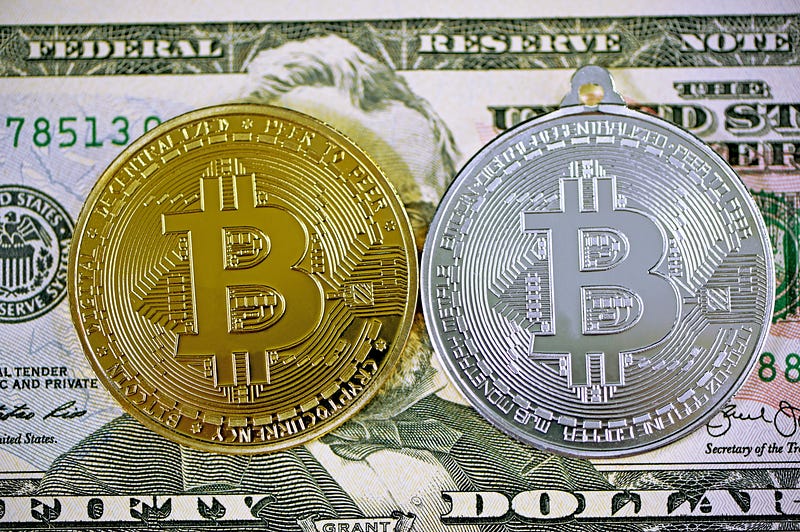
Photo by Kanchanara on Unsplash


Building on Okto

That’s according to a report published by Cointelegraph on Thursday. Okto was introduced by CoinDCX in August 2022, and the firm swiftly moved to expand its services. The integration with Transak represents a pivotal step in this direction.

This strategic integration immediately expands the reach of the Okto wallet from supporting 60 countries to an impressive 155 jurisdictions. Neeraj Khandelwal, Co-Founder of both CoinDCX and Okto, emphasized the significance of this move, stating that it allows users in numerous countries to engage with cryptocurrencies directly through Okto.

While Transak supports approximately 160 tokens, Okto goes above and beyond by allowing users to store more than 1,000 tokens across multiple blockchain networks, including Polygon, Fantom, Avalanche, and others. According to an Okto spokesperson, the wallet can accommodate up to 3,000 tokens, providing ample flexibility for cryptocurrency enthusiasts.


Seamless fiat-to-crypto conversion

Khandelwal also spoke to the value add that a more seamless asset conversion process will bring. He stated:

“The integration of Transak now allows users to seamlessly convert fiat to crypto right within the app. Prior to this integration, users had to transfer funds from another decentralized wallet, such as MetaMask.”

Transak’s integration brings a key feature to Okto — the ability for users to purchase cryptocurrencies like Bitcoin (BTC) directly within the wallet. Notably, this functionality accepts a wide range of fiat currencies, including the US dollar, euro, Hong Kong dollar, and others. Prior to the Transak integration, users were required to transfer digital assets from external wallets like MetaMask. With this development, Okto streamlines the process, enabling users to seamlessly convert fiat into crypto within the app itself.


Months-long integration process

It’s worth noting that although the announcement of Transak’s support on Okto was made on Thursday, the integration process began several months earlier. As early as August, some Indian users reported encountering Transak while Okto was in the testing phase. The integration process itself commenced in April, with the official roll-out to all customers occurring in mid-September.

Transak, a global Web3 payment and onboarding infrastructure provider, plays a crucial role in bridging the gap between traditional finance and the digital asset ecosystem. It is a well-established on-ramp solution in the cryptocurrency industry, with platforms like MetaMask, Coinbase, and PancakeSwap among its clientele.

In recent days, Okto has also announced a partnership with ReHold, a multi-chain protocol which has been developed to enable users to maximize their crypto earnings. In the coming weeks, Okto and ReHold will work towards integrating Okto’s wallet with ReHold.

The Okto-Transak integration is in line with Transak’s mission to facilitate crypto adoption by providing easy access to digital assets. Earlier this week, Transak also announced its integration with The Open Network’s (TON) wallet, known as Tonkeeper. This collaboration opens up Toncoin (TON) purchases directly with fiat currencies to users in more than 150 countries, marking a significant milestone in expanding the TON ecosystem.


More to Read
View All
Web3 & Enterprise·

Sep 16, 2023

Bybit Denies Plans to Leave UK Market

Bybit Denies Plans to Leave UK MarketReporting related to Dubai-based crypto exchange Bybit had suggested in recent days that the firm was leaving the UK market. However, the company has since responded to state that it has strongly reaffirmed its commitment to the UK market and its dedication to collaborate with regulators to find mutually agreeable solutions.Photo by Marcin Nowak on UnsplashCompany clarificationThat speculation had arisen in the first place on the basis of difficulties the business may experience as a consequence of the upcoming implementation of new strict marketing rules for crypto firms in the UK. Taking to social media on Thursday, the company stated:”At Bybit, we consider the UK to be a highly important market for the advancement of crypto and blockchain technologies. Our commitment to this market is unwavering, and we intend to maintain our presence in the UK for the long term. Meanwhile, we are dedicated to working collaboratively with regulators upon the new law to ensure the responsible and secure development of the industry.”The reports published earlier in the week had fueled speculation that Bybit might exit the UK market, along with other jurisdictions characterized by rigorous crypto regulations. The concerns primarily centered around the UK’s recently introduced financial promotion rules, designed to bolster customer protection and enhance understanding of crypto investments.Ben Zhou, Co-Founder and CEO of Bybit, commented on the situation, underscoring the exchange’s unwavering commitment to regulatory compliance. Zhou confirmed that ongoing discussions with UK regulators aimed to find mutually beneficial solutions, aligning the interests of all stakeholders involved. He emphasized Bybit’s commitment to keeping its community well-informed about the progress of these discussions.Regulatory changesThe recent move by Bybit is in direct response to regulatory changes introduced by the UK’s Financial Conduct Authority (FCA) in June. These changes were implemented to improve transparency and enhance customer protection within the crypto sector, with a particular focus on ensuring that UK customers have a clear understanding of the risks associated with crypto investments. The FCA also outlined various pathways for asset promotion, including those involving FCA-authorized personnel or crypto companies registered with the FCA.Exchanges have been very much under the cosh in 2023 when it comes to regulatory pressures. Bybit, accompanied by MEXC Global, Bitforex, and Bitget, were all issued with a warning by the Japanese regulator, the Financial Services Agency (FSA), in April on the basis that the exchanges were running unregistered crypto asset exchange business operations within Japan. In May Binance left the Canadian market.In the months that followed, the leading global crypto exchange was forced out of markets in Germany, Belgium, The Netherlands, and Cyprus due to regulatory pushback. In May Seychelles-based Huobi was ordered to cease its business offering in Malaysia by the local regulator.Moving forwardDespite these setbacks, Bybit has been making efforts to move the business forward. In May it obtained approval from the authorities in Kazakhstan to offer its services within the country. Some weeks prior, it announced that it had chosen Dubai as the global exchange’s headquarters.The firm also introduced TradeGPT recently, an AI-powered educational tool designed to enrich traders’ engagement with the crypto market.

news
Policy & Regulation·

Apr 10, 2023

India’s Upcoming G20 Summit Bullish for Crypto

India’s Upcoming G20 Summit Bullish for CryptoThe upcoming G20 summit in Delhi, India, will mark the first-ever G20 summit hosted in South Asia. The G20 comprises 19 countries and the European Union. While the summit is focused on discussing critical issues related to the global economy, it will also include discussions on cryptocurrencies.©Pexels/Studio Art SmileCrypto policy precursor to mass adoptionRegulations and policy frameworks around crypto will be a significant topic of conversation at the summit, alongside discussions on international financial stability. India’s Finance Minister, Nirmala Sitharaman, confirmed that G20 nations are working towards creating an effective Standard Operating Procedure (SOP) for regulating crypto during the summit.India has been taking a systematic approach to regulate the evolving crypto space, as evidenced by the nation’s evolving stance on cryptocurrencies and the recently launched central bank digital currency (CBDC) pilot. With this in mind, the G20 summit in Delhi is expected to provide a platform for countries to discuss and collaborate on effective crypto regulations and policy frameworks.According to Gracy Chen, Managing Director of the Singapore-based Bitget cryptocurrency exchange, more work on policy relative to crypto in India is bullish for the development of the sector within the South Asian country. “India’s consistent growth in adapting to cryptocurrencies and forming newer policies around it has made it a hub for tech investments. With more development and a policy framework, we can expect higher mass adoption. The G20 summit will be bullish for crypto’s growth in India,” Chen told Indian weekly English-language news magazine, India Today.During the 2022 Budget discussions, the government of India proposed some significant changes to the taxation of cryptocurrencies. As a premium investment product, cryptocurrencies are known for their high volatility, and the government believed that they should be subject to a heavier tax burden. Specifically, they introduced a 30% tax on capital gains earned through the sale of digital assets, as well as a 1% tax on Tax Deducted at Source (TDS) for all crypto transactions.The tax on capital gains applies to all digital assets, and the government intends to track historical records to ensure compliance. Additionally, the 1% TDS is applied to every single transaction, regardless of its size or frequency. These changes were seen by some as a trial framework, and many in the crypto space hoped for greater leniency from the government in the future. However, it remains to be seen whether the government will revise these tax policies in the coming years.CBDC pilot projectsFurthermore, the Reserve Bank of India (RBI) has recently launched two CBDC pilots to test the feasibility of digital currencies in India. The first pilot is a wholesale CBDC, which is being conducted in collaboration with nine banks.The second pilot is a retail CBDC, launched in December, which is being tested in four major cities across India — Mumbai, New Delhi, Bengaluru, and Bhubaneswar. The goal of these pilots is to evaluate the potential of digital currencies in facilitating secure and efficient transactions, as well as to study the possible impact on the traditional banking system.By exploring both wholesale and retail CBDCs, the RBI is taking a comprehensive approach to CBDC development, which may inform future decisions regarding the adoption of digital currencies in India.Chen maintains that “discussions around cryptocurrency policy frameworks accelerate the possibilities of mass adoption in the region.” “With over 750 million internet users, India holds the potential to not just pilot but establish real-life crypto and blockchain use cases for the masses,” she added.

news
Policy & Regulation·

Jun 17, 2023

Huobi Expands Crypto Trading Services in Hong Kong

Huobi Expands Crypto Trading Services in Hong KongHuobi, the Seychelles-headquartered prominent cryptocurrency exchange, is making strides in Hong Kong as its local subsidiary, Huobi HK, now offers crypto trading services to clients in the region.Following its expressed intention to apply for a virtual asset exchange license from the Hong Kong Securities and Futures Commission (SFC), Huobi HK has commenced providing crypto spot trading and virtual asset custody in Hong Kong. In order to comply with regulatory and anti-money laundering (AML) requirements, the exchange will collaborate with independent auditors, as announced by Huobi HK on Twitter.Photo by Shubham Dhage on UnsplashCrypto business licensingThis move aligns with the broader trend of crypto firms shifting their focus toward the East, where regulatory environments are becoming increasingly accommodative. A spokesperson for Huobi stated in a prepared statement: “Regulation of Web3 in Hong Kong will contribute to the widespread adoption of cryptocurrencies on a global scale.”Hong Kong, a Special Administrative Region under Chinese governance, recently introduced a regulatory framework for crypto exchanges, which took effect on June 1. Under these new regulations, retail investors in Hong Kong will be able to trade cryptocurrencies on licensed platforms, removing previous restrictions that limited trading to investors with portfolios exceeding HK$8 million (approximately $1 million).The new regulations impose requirements on virtual asset trading platforms to implement “suitable” onboarding processes and disclosures. Additionally, tokens must meet “minimum criteria” to ensure that “retail investors should be less prone to market manipulation.”Crypto sector interestHong Kong’s inviting regulatory landscape has already piqued the interest of crypto firms. The Greater China division of WeWork, a coworking provider, reported receiving 40 to 50 applications and inquiries from crypto businesses seeking to establish a presence in Hong Kong in recent months.Justin Sun, Tron founder and Huobi global adviser, drew parallels between the developments in Hong Kong and Beijing in a tweet, stating, “It is indeed fascinating to witness the Beijing government’s recent focus on Web 3.0, particularly considering the imminent June 1st developments in Hong Kong.” Sun added that this represents “a significant step towards recognizing the transformative potential of decentralized systems and blockchain-based solutions.”Huobi is actively involved in the development of Hong Kong’s Web3 ecosystem. In addition to its cryptocurrency trading license application, the firm became a significant contributor to Hong Kong’s first Web3 ecosystem fund during this year’s Hong Kong Web3 Carnival.HK Virtual Assets ConsortiumIn a separate announcement, Huobi disclosed that it has become the first member of the Hong Kong Virtual Assets Consortium (HKVAC), an organization dedicated to providing credit ratings for crypto asset exchanges and trading products. HKVAC, a collaborative effort between crypto industry players, including exchanges, institutional investors, and Hong Kong-licensed rating agencies, aims to enhance the security risk management capabilities of the crypto industry and assist authorities in establishing Hong Kong as a regional hub for virtual assets and digital finance.As a founding member of HKVAC, Huobi will serve as a reference point for the organization, leveraging its expertise in security technology and its compliance-oriented, standardized processes.

news
Loading