Top

KuCoin Report Points to Marked Increase in Crypto Investors in Turkey

Policy & Regulation·September 01, 2023, 1:16 AM

As part of its “Into The Cryptoverse: Understanding Crypto Users” series, Seychelles-based crypto exchange KuCoin published a report on Thursday that identifies a significant increase in the number of crypto investors in Turkey over the course of the past eighteen months.
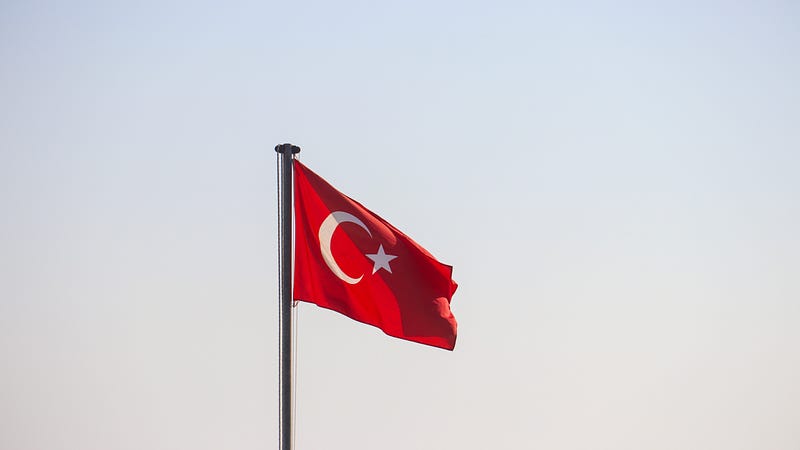
Photo by Dima Rogachevskiy on Unsplash


Crypto adoption surge

The report, the fifteenth such report produced by KuCoin as part of this series, reveals that there has been a substantial surge in crypto adoption among Turkish adults, with an impressive 52% of the adult population participating in crypto investments.

Since November 2021 there has been a 12% increase in the number of crypto investors aged 18 to 60. These statistics underscore the growing interest and acceptance of cryptocurrencies in Turkey. It’s not likely to be a coincidence that this surge in adoption has come about against the backdrop of the local currency, the Turkish lira, losing more than 50% of its value against the US dollar.

Here are some of the key insights that the report identified:

Growing Crypto Adoption Among Turkish Adults: The survey indicates a significant upswing in the number of Turkish adults investing in cryptocurrencies. The percentage of adults embracing crypto has surged from 40% to 52% over the last year and a half, despite the overall crypto market finding itself in the doldrums within that time frame.

Increased Female Participation: While male investors continue to dominate at a rate of 57%, the survey points to a notable trend of increasing participation among women, particularly in the younger age brackets. Approximately 47% of female crypto investors are between the ages of 18 and 30.

Youth-Driven Growth: Younger generations are leading the crypto adoption charge, with investors aged 31 to 44 constituting the largest group at 48%. Furthermore, a significant proportion of investors under 30 joined the market within the past year, indicating the influence of youth within the crypto space.

Many have expressed the view that crypto adoption will come about through the younger demographic. It’s a factor that has not gone unnoticed by crypto platforms, including fellow Seychelles-based exchange Bitget.

Motivations for Crypto Investments: The report delves into the motivations behind crypto investments among Turkish adults. A substantial 58% express the desire to create long-term wealth, transcending generational boundaries. This suggests a widespread belief in crypto’s potential as a tool for financial freedom.

Popular Cryptocurrencies: Bitcoin remains a favored choice, capturing 71% of overall investor interest. Ethereum follows closely with 45% interest, while stablecoins garnered the attention of 33% of surveyed participants.

Crypto Trading Dominates: A significant 70% of Turkish participants use crypto for trading, indicating the prevalent use of cryptocurrencies as investment instruments. Meanwhile, 22% have ventured into buying NFTs.

Influence of Personal Connections: Personal relationships play a pivotal role in driving crypto adoption in Turkey. About 57% of participants learned about crypto through family and friends, highlighting the significance of these connections in introducing newcomers to the crypto world.

This finding resonates with a similar finding relative to a recently published report covering crypto adoption in Vietnam.

The report has been based upon online surveys carried out by KuCoin between May 5 and May 12 of this year.


More to Read
View All
Policy & Regulation·

Mar 11, 2025

Thailand’s SEC expands list of approved cryptocurrencies to include stablecoins

Thailand's Securities and Exchange Commission (SEC) has approved the leading U.S. dollar stablecoins USDT and USDC, expanding its list of approved cryptocurrencies within the Southeast Asian country.Photo by Tarun Ottur on UnsplashListing on regulated exchanges The approval was announced in a statement published on the SEC website on March 6. It means that Tether’s USDT and Circle’s USDC can now be listed on regulated exchanges in Thailand. The regulator had arrived at its decision to add the two stablecoins following a public consultation process regarding regulatory changes. Those changes were finalized last month and will now proceed to go into effect on March 16. The two stablecoins join five cryptocurrencies that had previously been approved. These include Bitcoin (BTC), Ethereum (ETH), Ripple (XRP) and Stellar (XLM). Certain cryptocurrencies are also being used for the testing of payment settlement through the Bank of Thailand’s Programmable Payment Sandbox.   A regulatory sandbox is a controlled environment testing ground for products and services developed within the private sector. Back in June of last year, the Southeast Asian country’s central bank launched an enhanced regulatory sandbox focused on programmable payments.  USDT issuer Tether responded to the addition of its stablecoin within the approved cryptocurrency list, stating: “This approval enables USD₮ to be traded within the country, facilitating its listing on regulated exchanges and paving the way for USD₮ to be accepted for payments, which advances the region’s leadership in digital asset innovation.” Tether CEO Paolo Ardoino said that the company sees value in the Thai market and with that, it intends to continue to explore ways to broaden its service offering within Thailand. He added:  “We are committed to supporting the long-term success and adoption of stablecoins in Thailand and look forward to contributing to the growth of the country’s digital asset ecosystem by fostering a strong and sustainable stablecoin infrastructure.” Stablecoin market growth According to DeFi data aggregation platform DefiLlama, the stablecoin market now stands at $227 billion in terms of market capitalization. This represents a 68% increase by comparison with the size of the market in 2023. It indicates that stablecoin adoption is on an upward growth trajectory. Digital assets are being used in many instances to facilitate international payments and remittances, particularly in emerging markets. In Europe, American investment bank JPMorgan recently forecasted that the introduction of the Markets in Crypto-Assets (MiCA) regulation will drive euro-pegged stablecoin growth.  Meanwhile, in the United States, S&P Global Ratings recently identified that a current lack of stablecoin regulation is acting as a barrier to broader institutional use. The company anticipates adoption growth once regulatory clarity has been achieved. Vlad Tenev, CEO of commission-free investing platform Robinhood, stated last month on Yahoo Finance’s Opening Bid podcast that stablecoin legislation will be passed in the U.S. in 2025. Tenev believes that applying a 4% interest rate to stablecoins would lead to a greater rate of adoption.

news
Policy & Regulation·

Dec 07, 2023

Korea Exchange sets the stage for security token trading

Korea Exchange sets the stage for security token tradingStarting next year, South Koreans may have the opportunity to trade security tokens, as the Korea Exchange (KRX), the sole securities exchange operator in the country, has officially begun preparations to establish a security token market. The Busan Digital Asset Exchange (BDX), slated for launch next year, is expected to play a pivotal role in spearheading the growth and development of this emerging security token market.Photo by Tierra Mallorca on UnsplashSeeking approval from financial regulatorsAs reported by local news outlet Busan Ilbo, KRX applied to the FSC last month for registration as an innovative financial service under the financial regulatory sandbox scheme. On Nov. 19, the FSC approved the creation of pilot markets for investment contract securities and non-cash trust beneficial certificates. KRX’s recent initiative is a follow-up to this development. The financial regulator is set to make a final decision after holding a main committee meeting to review KRX’s application.Investment contract securities and non-cash trust beneficial certificates represent two distinct types of security tokens. Investment contract securities provide a means for fractional investments in real-world assets (RWAs). This can include a diverse range of assets such as artworks, music copyrights, beef and carbon credits, allowing investors to own a portion of these assets. On the other hand, non-cash trust beneficial certificates function as secondary investment instruments. These certificates enable individuals to invest in financial products that themselves have invested in security tokens, offering an indirect pathway to participate in the security token market.Fractional investments on the horizonVarious industries are poised to benefit from the emerging digital market, especially platforms focused on fractional investment in artworks. Companies like Yeolmae Company, Art Together and Seoul Auction Blue are keen on this opportunity and have applied to the FSS for permission to register security tokens. Upon receiving regulatory approval, these platforms plan to accept subscription requests, enabling investors to participate in the art market in a more accessible way.The development of security token markets is expected to positively impact BDX, which is currently seeking an operator. Initially, when BDX’s operation plan was unveiled in September, it excluded security tokens due to regulatory constraints. However, with KRX now involved, it’s more probable that the Busan exchange will feature security tokens as major trading assets. Experts believe the success of these token exchanges will largely depend on the quality and appeal of the underlying assets.A local securities industry official emphasized the significant role of the security token market in enhancing the stature of Busan as a blockchain hub. The growth of this market is seen as pivotal in boosting the value and utility of BDX. The official noted that BDX’s appeal to investors would increase if it offered a diverse range of underlying assets or unique security tokens. This development could mark a significant turning point for Busan in the blockchain industry.

news
Web3 & Enterprise·

Jan 23, 2024

Ondo Finance announces APAC expansion

U.S.-based crypto startup Ondo Finance, a financial infrastructure firm that concerns itself with the tokenization of real-world assets (RWAs), has officially revealed its intention to expand into the Asia Pacific (APAC) area, with the inauguration of its first office in the region. In a press release published by the company on Sunday, Ondo clarified that the expansion is a direct response to the escalating interest in digital assets throughout Asia. That interest the company attributes to factors such as a flourishing crypto community, shifting regulatory environments and a growing appetite for exposure to U.S. assets.Photo by Florian Wehde on Unsplash40% market shareAt present, Ondo Finance holds a 40% share of the global market where tokenized RWAs are concerned. That market share has been driven by its three main tokenized product offerings: OUSG, designed for exposure to U.S. Treasuries; OMMF, facilitating exposure to U.S. money market funds; and USDY, positioned as a yield-bearing alternative to traditional stablecoins. These products serve as a conduit for global investors to access U.S.-based asset classes in tokenized form, aligning with the rising trend of digital asset adoption. To spearhead its APAC expansion initiative, Ondo Finance has appointed Ashwin Khosa as the vice president of business development in the region. Khosa brings nearly a decade of experience in Hong Kong-based institutional business development, having worked with multinational financial services company Citi, alongside key crypto firms such as Tether and its sister company, Bitfinex. His expertise encompasses both on-chain finance and a profound understanding of the APAC market. Khosa stated: “The team is top-notch and the mission of bringing real world assets onchain is extremely important. I look forward to working closely with partners in the region to help investors gain access to this next generation of high-quality assets.” Founded in 2021 with roots tied to the Goldman Sachs Digital Assets team and supported by leading venture capitalists including Founders Fund, Pantera Capital and Coinbase Ventures, Ondo Finance is looking to solidify its position as a dominant force in this newly emerging market on the back of nearly 40% of the global market share in tokenized securities. Nathan Allman, the founder and CEO of Ondo, expressed his excitement about the expansion, stating:“We’re very excited about our expansion into APAC. There is an active and rapidly growing crypto community and an appreciation for the type of high-quality exposure to US assets that our tokens provide.” Suspected token dumpIn a related development on Monday, on-chain sleuths have presented data that may indicate a sell-off of $11 million worth of ONDO tokens, the project’s native token. 20 million tokens were sold, with the suggestion that the token unit price fell in tandem with that market activity. Earlier on Monday, the token traded at $0.3062. At the time of writing, it's trading at $0.25. This expansion into the APAC region follows a string of pivotal developments for Ondo, including the revelation of its strategic roadmap and partnerships within the Ondo ecosystem. Additionally, the Ondo Foundation has introduced a points program and a proposed unlocking of its ONDO token, marking an integral part of the company's ongoing growth and development.   

news
Loading