Top

KuCoin Halts Bitcoin and Litecoin Mining Pools Amidst Strategic Shift

Web3 & Enterprise·August 03, 2023, 12:16 AM

In an announcement on Tuesday, Seychelles-based cryptocurrency exchange KuCoin revealed its decision to temporarily suspend its Bitcoin and Litecoin mining pools, effective from 16:00:00 on August 15, 2023 (UTC).
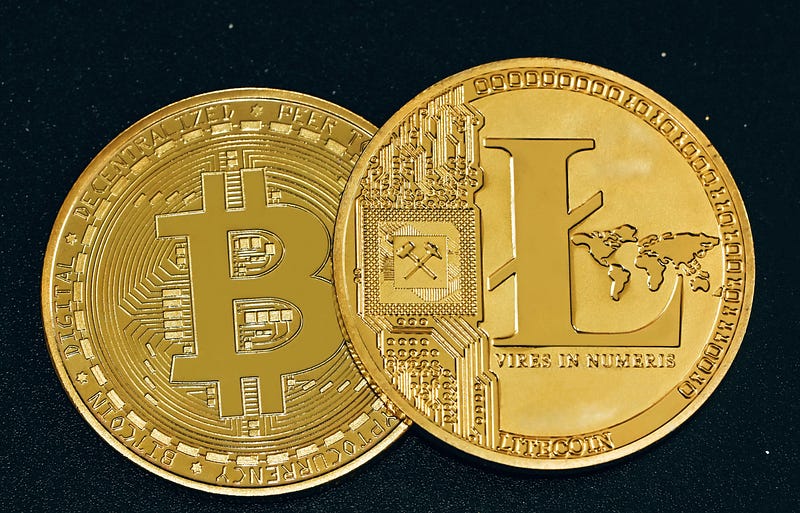
Photo by Traxer on Unsplash


Changing business strategy

This move is attributed to KuCoin’s evolving business strategy, although specific details remain undisclosed. The exchange expressed its regret for any inconvenience caused and extended gratitude for users’ continued support.

It appears that the company wants to focus on core business activities and for that reason, it’s terminating its mining pool activity. That said, the discontinuation was described in its statement as being “temporary” although that has been left open-ended with no indication of if or when it would bring the service back into operation.

The company is open to the idea of revisiting the facilitation of mining pools in the future. “We will see if it is needed to restart based on the market and users’ demand in the future,” a spokesperson for the company told The Block.

To ensure miners’ uninterrupted earnings during the suspension, KuCoin advised users engaged in cryptocurrency mining to transition their Bitcoin (BTC) and Litecoin (LTC) miners to alternative mining pools before the specified suspension date. Additionally, the exchange emphasized the importance of backing up and preserving mining records and related data, recommending users complete these actions before August 27.

Presently, the KuCoin Bitcoin mining pool maintains a hash rate of 9.08 exahash per second (EH/s), while the Litecoin pool operates at 3.90 terrahash per second (TH/s). These figures contribute to the broader hash rate landscape, where the entire Bitcoin network boasts a hash rate of 349.19 EH/s, compared to the Litecoin network’s 792.16 TH/s.


Workforce reduction

It is clear that the company is in the process of adjusting to current market conditions. Last week, rumors surfaced of a plan to effect a workforce reduction. That prompted KuCoin’s CEO Johnny Lyu to respond, clarifying that the exchange’s operations are running smoothly. Dismissing layoff speculation, Lyu highlighted the exchange’s steady expansion and strong growth as demonstrated by the H1 2023 report. The report showcased an increase in users and new listings, underscoring the platform’s vitality and development.


Mandatory KYC

In recent months, KuCoin has also implemented mandatory Know Your Customer (KYC) requirements, obligating users to undergo verification processes. Existing customers who fail to complete KYC procedures will be unable to make deposits. With over 20 million registered accounts, the exchange felt that it needed to improve on its level of regulatory compliance and security measures.

It’s highly likely that an action taken by authorities in New York in the United States in March prompted KuCoin’s decision to tighten up on KYC. At that time, the New York Attorney General said that action was being taken against KuCoin due to its failure to register as a securities and commodities broker-dealer.

As KuCoin undergoes these changes, the suspension of its mining pools raises questions about the broader implications for its business strategy and the potential impact on miners within its ecosystem. That said, the firm is not alone in making changes, with most crypto exchanges having had to adjust to a business and regulatory environment that has changed considerably since the 2021 crypto bull run.


More to Read
View All
Policy & Regulation·

Dec 14, 2023

KuCoin resolves lawsuit through settlement and New York market exit

KuCoin resolves lawsuit through settlement and New York market exitKuCoin, one of the largest global cryptocurrency exchanges, has arrived at a comprehensive settlement with the authorities in the state of New York in the United States, agreeing to pay $22 million.Photo by Michael Discenza on UnsplashSubstantial fine and refundsThe settlement not only involves a substantial fine but also includes refunds to New York investors and the cessation of trading activities in the state. This resolution comes amidst an assertive effort by New York authorities to shape and regulate the crypto landscape within the state.According to a statement released by New York Attorney General Letitia James on Tuesday, KuCoin will refund a total of $16.7 million to 177,800 New York investors. In addition to the refunds, KuCoin will pay a $5.3 million fine to the state.The settlement addresses allegations that KuCoin failed to register as a securities and commodities broker-dealer while falsely presenting itself as a cryptocurrency exchange.Taking to social media platform X, James wrote:”My office is making crypto platform @kucoincom pay over $22 million for illegally operating in New York. KuCoin is also banned from doing business in our state. Shady cryptocurrency platforms must play by the same set of rules as everyone else or face the consequences.”At the time of taking action against KuCoin in March, James described the lawsuit as “our eighth action to rein in shadowy cryptocurrency platforms that disregard our laws and put New Yorkers at risk.”Lack of registrationKuCoin, based in the Seychelles, allows investors to trade digital assets through its website and app. However, the state of New York argued that KuCoin could not legitimately claim to be an exchange due to its lack of registration with the U.S. Securities and Exchange Commission (SEC) and the proper designation by the Commodity Futures Trading Commission (CFTC), as mandated by state law.Ranked as the fourth-largest exchange by spot and derivatives trading volume, KuCoin’s KCS token, a profit-sharing token on the platform, has experienced a 39% increase since the start of the week. At the time of writing, it has a unit price of $13.80. This surge is a consequence of the clarity and finality brought about by the settlement, alongside rising expectations for a U.S. exchange-traded fund (ETF) directly investing in Bitcoin, sparking a broader rally in lesser-known cryptocurrencies over the past month.Potential rumorsKuCoin CEO Johnny Lyu took to the X platform on Tuesday to outline details of the settlement. Interestingly, Lyu included this notification:”I also want to give you a heads-up about potential rumors surfacing in the next few weeks. Please stick to the official website of KuCoin for accurate information.”While the settlement may have brought a certain degree of clarity to the KuCoin platform, Lyu’s comment suggests that there may be other issues about to emerge in the short term.The lawsuit against KuCoin is part of a broader regulatory trend in New York, with Attorney General James having previously filed a similar complaint against CoinEx. Additionally, a settlement in January involving crypto companies Nexo Inc. and Nexo Capital Inc. resulted in a financial resolution of up to $24 million for New York and nine other states.

news
Policy & Regulation·

Dec 16, 2023

Coins.ph leads Digital Asset Exchange Alliance in Southeast Asia

Coins.ph leads Digital Asset Exchange Alliance in Southeast AsiaCoins.ph, a leading Filipino cryptocurrency exchange, has taken a step towards promoting responsible and secure cryptocurrency usage in Southeast Asia through the establishment of the Digital Asset Exchange Alliance (DAEA).Photo by Mike L on UnsplashRegional industry partnershipIn a press release published on Friday, the company announced the formation of the industry body. The strategic partnership includes other prominent licensed exchanges in the region, namely Coinhako (Singapore), Indodax (Indonesia) and Bitkub (Thailand).Wei Zhou, CEO of Coins.ph, expressed enthusiasm about the collaborative effort, stating:“Coins.ph is excited to work with our Southeast Asian counterparts in advancing the responsible and secure use of cryptocurrencies and promoting the development of user-friendly and compliant products for users.”Zhou emphasized the belief that the alliance’s combined efforts would contribute to building a more robust and resilient cryptocurrency ecosystem in Southeast Asia.Unifying licensed exchangesThe DAEA represents a milestone in unifying licensed exchanges across the Southeast Asian region, aiming to enhance regulatory advocacy by leveraging the collective expertise and experience of the four founding exchanges. It seeks to foster collaboration by sharing protocols and best practices to elevate service quality and bolster security measures.Educating users about the benefits of trading on licensed exchanges and the importance of following regulatory guidelines is a core commitment of the Alliance. This extends to promoting financial literacy, consumer protection and responsible trading practices in the cryptocurrency space.The cryptocurrency sector has experienced an outsized proportion of scams and fraud. Within that, Southeast Asian crypto users and platforms have been hardest hit, with instances in recent months of malicious activity across the region, from pig butchering scams to exchange hacks and crypto-related phishing. Regulators have started to counteract such problems, but a level of greater organization within crypto through bodies like the DAEA will go some way further towards protecting crypto users.Building a safer ecosystemYusho Liu, CEO of Coinhako, highlighted the significance of the Alliance for the entire cryptocurrency industry, emphasizing the role of licensed exchanges in fostering trust and growth. He stated:“By collaborating with Coins.ph, Indodax, and Bitkub, we are taking a monumental step towards building a safer and more transparent ecosystem for users in the region.”As the blockchain space evolves with a growing emphasis on regulatory compliance, Coins.ph, along with Coinhako, Indodax and Bitkub, has distinguished itself by prioritizing security and trust through obtaining licenses from their respective regulatory bodies.Moving towards self-regulation2022 brought with it some spectacular crypto platform failures such as FTX, which affected locations like Singapore disproportionately. A regulatory backlash has resulted in 2023, and it is amid that backdrop that we are seeing increasing efforts towards better organization and self-regulation within the crypto sector.The formation of the Digital Asset eXchange Alliance in South Korea, involving a consortium of the top five exchange businesses in the country in July of this year, is a stand-out example. In Taiwan, regulators have been actively fostering self-regulation. Those efforts have resulted in the establishment of an industry group of Taiwanese Exchanges.

news
Web3 & Enterprise·

Jan 09, 2024

Japanese e-commerce giant Mercari planning bitcoin payments

Mercari, one of Japan's leading e-commerce platforms, has declared its intention to accept bitcoin payments starting from June of this year. The decision, which was reported by Japanese financial media outlet Nikkei on Friday, outlines that the processing of bitcoin payments will be managed through Mercari's Tokyo-based crypto subsidiary, Melcoin.Photo by Dmytro Demidko on UnsplashSeamless BTC conversionIt's noteworthy that Melcoin will convert all BTC payments into yen, ensuring vendors receive fiat currency despite the buyer's choice of bitcoin for payment. While the company won't display prices in bitcoin, listing items for sale in fiat yen, customers will have the option to select BTC as a payment method during the purchase process on the platform. In recent months, Mercari has introduced various crypto-related products, including the Mercari bitcoin crypto trading service. This service allows users to buy and sell bitcoin using the proceeds from their sales on the platform. The integration of a loyalty points system further enhances the crypto trading experience, enabling Mercari users to exchange their points for bitcoin. Remarkably, Mercari announced that its bitcoin trading service surpassed the 1 million user milestone in October, just seven months after its launch. At the time of the launch of the trading service, the company outlined that it would “make bitcoin more accessible to people who have never tried crypto trading before.” Notably, around 80% of the crypto users on Mercari had no prior experience with crypto-asset trading in June of the previous year. Expanding its crypto-related offering to include bitcoin payments unleashes much more potential relative to crypto adoption. 22 million monthly usersEstablished in 2013, Mercari has evolved into Japan's largest community marketplace platform, boasting 22 million monthly users as of July 2023. It’s a flea market application, making it a consumer-to-consumer platform that could play a significant role in bringing about bitcoin adoption in Japan among ordinary people. The company has also expanded its footprint internationally, with a particular focus on Europe. Market observers have labeled Mercari's crypto service, along with a competitor operated by Rakuten, as a potential "gateway" for bitcoin and crypto investors and traders. Rakuten, another major Japanese e-commerce platform deeply involved in the crypto space for an extended period, operates the Rakuten Wallet crypto trading service. Like Mercari, Rakuten has integrated its loyalty points program with its crypto arm, allowing users to trade their points for crypto-assets. Rakuten had also emerged last year among a shortlist of Asian companies expressing an interest in purchasing failed crypto exchange FTX. A recent survey highlighted the growing influence of these e-commerce giants in the crypto space. Japanese individuals who entered the coin trading scene towards the end of 2022 overwhelmingly favored either Mercari's bitcoin trading app (24.7%) or Rakuten's Rakuten Wallet platform (24.2%). This revelation dealt a blow to traditional crypto exchanges, with bitFlyer, the long-standing market leader, securing the third position with a share of 11.3%. This move contributes towards a more progressive crypto environment in Japan, where lawmakers recently indicated a willingness to consider making tax rules more accommodative of the crypto sector.

news
Loading