Top

Non-Fiat Crypto Exchanges in Korea Urge Banks for Real-Name Accounts

Policy & Regulation·June 20, 2023, 5:39 AM

The Virtual Asset Exchange Association (VXA) made an announcement today regarding its recent due diligence request sent to 12 South Korean banks, as reported by local news outlet Digital Today. These banks have not yet entered into contracts to provide real-name deposit and withdrawal accounts to cryptocurrency exchanges.

VXA is a group comprised of representatives from ten non-fiat crypto trading platforms in the country. Among its members, eight exchanges–Aprobit, Probit, BTX, Foblgate, GDAC, Flata Exchange, Flybit, and High Block (previously known as Huobi Korea)–participated in the request.
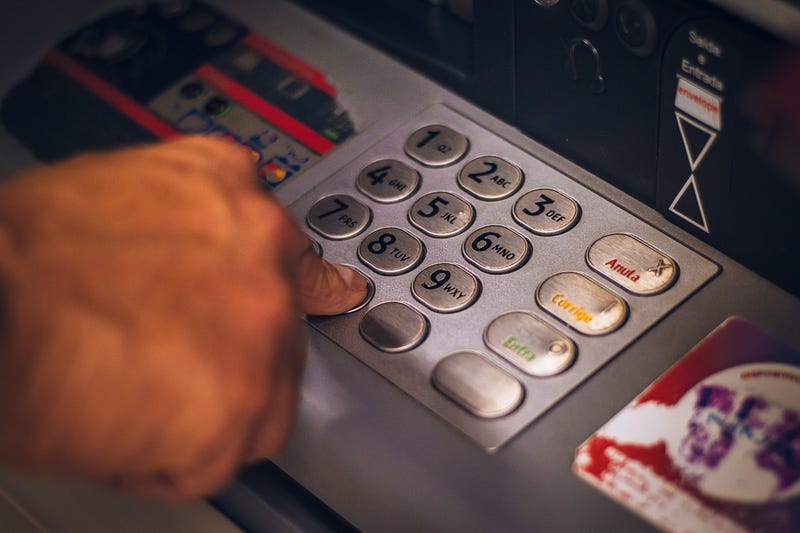
Photo by Eduardo Soares on Unsplash


Partnerships with banks

The objective of the request is to urge the banks to consider establishing partnerships with competent non-fiat exchanges. The requesters argued that such collaborations would promote fair trading in the market and provide customers with more options. They highlighted the growing presence of the virtual asset trading sector in the capital market.


Uneven crypto market

An official from VXA emphasized the key role played by real-name bank account issuers in creating a healthy environment that addresses the existing monopoly in the Korean crypto market. According to a March report published by the Financial Services Commission, non-fiat crypto trading platforms accounted for only 3 percent of the total Korean crypto market capitalization during the second half of 2022. The remaining 97 percent was attributed to fiat-supporting crypto exchanges.

The official further explained that allowing more exchanges to support the trading of the Korean won currency would contribute to shaping a free market while bolstering transparency and investor protection.


Legal requirements

Earlier this month, VXA also sought fair due diligence from five Korean banks that have already formed partnerships with fiat-supporting crypto exchanges. In Korea, crypto trading platforms are required by law to obtain real-name accounts from banks in order to provide cash deposit and withdrawal services.


More to Read
View All
Policy & Regulation·

Aug 29, 2023

OKX and Bybit Exclude Sanctioned Russian Banks from P2P Services

OKX and Bybit Exclude Sanctioned Russian Banks from P2P ServicesIn response to the mounting pressure on crypto firms to improve general compliance standards, prominent digital asset exchanges OKX and Bybit, based in the Seychelles and Dubai, have decided to delist sanctioned Russian banks from their peer-to-peer (P2P) services.Photo by Eduardo Soares on UnsplashThe move by the two exchange platforms, brought to light by Russian media reports, comes just days after Binance had done the same.Tinkoff Bank and Sberbank, two significant Russian financial institutions, have been expunged from the P2P platforms of OKX and Bybit. This effectively removes the option for Russian crypto users to exchange their assets for fiat through these banks. The decision sees the exchanges fall into line with Western sanctions imposed on the banks due to Russia’s actions in Ukraine.Enforcement difficultiesWhile the removal of these banks from the platforms is a significant step, the nature of P2P transactions introduces complexities in enforcing such bans comprehensively. Reports indicate that certain users are still engaging in P2P transactions with these banks through private channels, showcasing the challenges in regulating this decentralized method of exchange.In the case of OKX, at the time of publication, the platform still allows Russian users to receive fiat through accounts held with the Russian Standard Bank and the Russian branch of Raiffeisen Bank.This action aligns OKX and Bybit with Binance, which faced a similar scenario last week. Binance came under scrutiny when it continued to list the sanctioned banks as part of its payment methods. Following a report by The Wall Street Journal, Binance eventually removed the banks from its platform.Binance’s compliance effortsA spokesperson from Binance conveyed that while the banks have been delisted, the company remains committed to ensuring compliance by continuously updating its systems.“We regularly update our systems to ensure compliance with local and global regulatory standards,” they said. “When gaps are pointed out to us, we seek to address and remediate them as soon as possible.”Despite this stance and the latest action it has taken, users on Binance’s P2P platform are still posting ads for the sale of crypto using the “green bank,” referring to the sanctioned banks, as the preferred method of payment.Western-imposed sanctions have led to significant economic challenges in Russia, pushing individuals and institutions towards cryptocurrencies as a potential solution. In a country that has previously banned private cryptocurrencies, the attraction of decentralized digital assets has grown stronger as a means to break through the sanctions-induced financial stranglehold.Sanctions impactReports from Russian financial institutions reveal dramatic declines in profits, some as high as 90%, as they find themselves cut off from the global payments network SWIFT. Tinkoff Bank, for instance, reported a substantial decline of 67% in the second quarter of 2022, attributing the drop to escalating global tensions.In April, the Bank of Russia introduced a bill that could potentially allow cryptocurrencies to be used in international trade, a measure aimed at mitigating the impact of sanctions. While this could potentially open doors for cross-border transactions involving cryptocurrencies, the restrictions on local transactions remain intact.

news
Web3 & Enterprise·

Dec 05, 2023

NEOPIN teams up with Project SEED to propel growth of Web3 gaming ecosystem

NEOPIN teams up with Project SEED to propel growth of Web3 gaming ecosystemCentralized decentralized finance (CeDeFi) protocol NEOPIN has partnered with Project SEED — a blockchain gaming ecosystem based in the United Arab Emirates (UAE) — to grow the global Web3 gaming ecosystem, according to South Korean news outlet News1. NEOPIN plans to serve as a bridge between Project SEED and the IP owners and game studios within its ecosystem, facilitating the creation of more global Web3 games.Photo by Mateo on Unsplash“Connecting notable IPs and game studios to gamify Web3 holds significant meaning beyond just securing well-made Web3 games. We expect to diversify the genres and improve the qualitative standards of Web3 games in collaboration with Project SEED,” said Kim Yong-gi, CEO of NEOPIN.Pioneering Web3 gaming excellenceLed by a team of experts from various cryptocurrency exchanges such as Binance and Crypto.com, Project SEED is the developer behind the popular Web3 action role-playing game (RPG) Outland Odyssey. The firm also operates the Grow Program, which was launched in 2021 to incubate blockchain game projects and allow builders to concentrate their efforts on developing high-quality games. Next year, Project SEED plans to unveil its launchpad platform Seed Launcher as part of the Grow Program to aid gaming finance (GameFi) projects in raising funds and discover promising projects worth investing in.Under the newest partnership, NEOPIN’s CeDeFi wallet function will be integrated into Web3 games and NFT projects that are launched through the Grow Program and Seed Launcher platform, driving worldwide user acquisition and promoting the launch of DeFi products on NEOPIN.“We will leverage NEOPIN’s wallet service, network and blockchain expertise to develop high-quality games for diverse users. We plan to strengthen our capabilities to provide benefits to developers, IP owners and gamers alike,” said Project SEED CEO Liko Subakti.NEOPIN’s blockchain journeySince 2017, NEOPIN has accumulated its blockchain expertise and technology by serving as a node validator in multiple global blockchain projects, including Ethereum, Tron, Cardano and Cosmos. Launched last year, its CeDeFi protocol aims to provide Web3 users with a safe and convenient non-custodial DeFi platform.Earlier this year, the company was selected to participate in the Innovative Program of the Abu Dhabi Investment Office (ADIO), attracting a series of investments. It is also working with the Abu Dhabi Global Market (ADGM), an international financial center and free zone in the UAE, to create the world’s first DeFi regulations through a public-private partnership.

news
Policy & Regulation·

Dec 20, 2023

Ripple APAC executive predicts institutional adoption surge in 2024

Ripple APAC executive predicts institutional adoption surge in 2024Fiona Murray, the Managing Director overseeing the Asia-Pacific region (APAC) at enterprise blockchain firm Ripple, envisions a substantial uptick in institutional adoption of cryptocurrencies in the upcoming year.Photo by Kanchanara on UnsplashEmphasis on AsiaMurray set out her predictions for the coming year in a thread of posts on the X social media platform on Monday. This foresight coincides with a notable upswing in interest from traditional financial institutions within the digital currency market, especially in the APAC region.Murray predicts an unprecedented surge in cryptocurrency adoption within financial institutions, underscoring a shifting landscape where companies increasingly leverage cross-border payment solutions powered by blockchain technology. She wrote:”Entering 2024, we are expecting to see a surge in institutional adoption of crypto by financial institutions, especially in the APAC region. This includes the greater usage of cross-border payments among companies.”Web2 firms to integrate blockchainThis departure from traditional payment methods signifies a growing confidence in the security and efficiency offered by digital currencies. Ripple’s APAC executive emphasizes the escalating investments by well-established Web2 companies and legacy payment institutions as they integrate blockchain utility into their offerings.“More than ever, leading Web2 companies and legacy payments institutions are investing resources to integrate blockchain utility into their services — ‘Nearly half of APAC finance leaders expect blockchain to have a significant impact on business in the next 3 years.’” she stated.This positive outlook is reinforced by proactive measures taken by countries like Singapore and Hong Kong, positioning themselves as global leaders in cryptocurrency and blockchain adoption.Crypto ETFsThe continued rollout of crypto exchange-traded funds (ETFs) adds to the level of institutional adoption that has occurred in 2023 and is likely moving forward into 2024. Hong Kong has been the regional leader in this regard within APAC. The Hong Kong Stock Exchange was the first platform in Asia to offer crypto asset exposure by way of an ETF in December of last year. Since then, several such ETFs have been listed within the Chinese autonomous territory.Last month, multinational investment bank UBS joined industry peers like HSBC in following suit to offer institutional clients access to crypto-linked ETFs. Going into 2024, most industry commentators seem to be convinced that the emergence of BlackRock, the world’s largest asset manager, in promoting a spot bitcoin ETF in the United States means that approval is likely over the course of the next few months. That milestone will undoubtedly have positive reverberations for institutional digital asset adoption in the APAC region also.Strategic importance of APACThe APAC region holds strategic importance for Ripple’s expansion plans, given its rapid technological advancement and openness to innovation. In Singapore, the company received “in principle” approval from the Monetary Authority of Singapore in June. That was upgraded to full license approval in October.Singapore and Hong Kong, among other countries in the region, have emerged as frontrunners in the global cryptocurrency market, fostering regulatory environments conducive to blockchain innovation.These factors underscore the region’s crucial role in Ripple’s global strategy, aligning with the company’s vision and objectives as it seeks to grow its business.

news
Loading