Top

Hanwha Resorts Partners with Blockchain Donation Platform Cherry

Web3 & Enterprise·May 09, 2023, 8:25 AM

South Korean hospitality company Hanwha Hotels & Resorts (H&R) has announced on Tuesday a collaboration with Cherry, a blockchain-powered donation platform, to raise awareness for charitable giving, according to news outlet Economic Review.
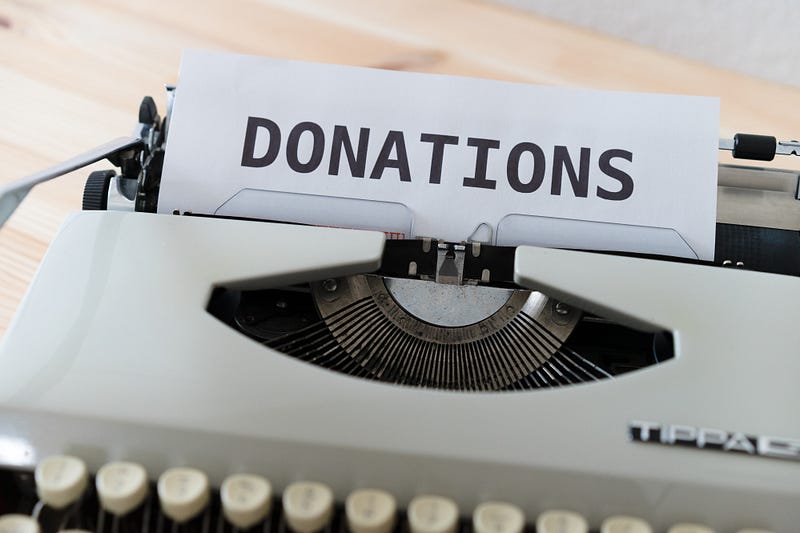
Photo by Markus Winkler on Unsplash


Tracking donations in real-time

Cherry became the first mobile app in Korea to enable users to track their donations in real-time using blockchain technology. The platform offers various donation methods, including participation in dance challenges, which have attracted the interest of younger generations.


Supporting through NPO

Through this partnership, Hanwha H&R will launch a donation campaign called Sneakers’ Day. The campaign will support underprivileged children’s leisurely travel through the non-profit organization (NPO) Yana once participants’ total steps reach 6 million. Users can join the event by clicking the Hanwha H&R campaign button on the Cherry app and walking.

The app counts users’ steps and ranks them, fostering a competitive atmosphere and encouraging more participation. The campaign will take place from May 15 to 31, and is open to everyone.


Rewards for participants

The top three walkers will receive Hanwha H&R vouchers worth 100,000 KRW, 70,000 KRW, and 50,000 KRW. Participants who share a picture of their successful donation on social media will be entered into a random draw to win one of 10 travel kits. Additionally, walkers who achieve over 10,000 steps will have a chance to win one of 10 Starbucks gift cards.

A Hanwha H&R official revealed that the company held a similar event for its employees last month, reaching the goal in just 10 days. The company plans to continue participating in various environmental, social, and governance (ESG) activities to maintain its commitment to social responsibility.

More to Read
View All
Policy & Regulation·

Jun 20, 2023

Non-Fiat Crypto Exchanges in Korea Urge Banks for Real-Name Accounts

Non-Fiat Crypto Exchanges in Korea Urge Banks for Real-Name AccountsThe Virtual Asset Exchange Association (VXA) made an announcement today regarding its recent due diligence request sent to 12 South Korean banks, as reported by local news outlet Digital Today. These banks have not yet entered into contracts to provide real-name deposit and withdrawal accounts to cryptocurrency exchanges.VXA is a group comprised of representatives from ten non-fiat crypto trading platforms in the country. Among its members, eight exchanges–Aprobit, Probit, BTX, Foblgate, GDAC, Flata Exchange, Flybit, and High Block (previously known as Huobi Korea)–participated in the request.Photo by Eduardo Soares on UnsplashPartnerships with banksThe objective of the request is to urge the banks to consider establishing partnerships with competent non-fiat exchanges. The requesters argued that such collaborations would promote fair trading in the market and provide customers with more options. They highlighted the growing presence of the virtual asset trading sector in the capital market.Uneven crypto marketAn official from VXA emphasized the key role played by real-name bank account issuers in creating a healthy environment that addresses the existing monopoly in the Korean crypto market. According to a March report published by the Financial Services Commission, non-fiat crypto trading platforms accounted for only 3 percent of the total Korean crypto market capitalization during the second half of 2022. The remaining 97 percent was attributed to fiat-supporting crypto exchanges.The official further explained that allowing more exchanges to support the trading of the Korean won currency would contribute to shaping a free market while bolstering transparency and investor protection.Legal requirementsEarlier this month, VXA also sought fair due diligence from five Korean banks that have already formed partnerships with fiat-supporting crypto exchanges. In Korea, crypto trading platforms are required by law to obtain real-name accounts from banks in order to provide cash deposit and withdrawal services.

news
Policy & Regulation·

Nov 28, 2023

Interactive Brokers Hong Kong secures retail crypto trading license

Interactive Brokers Hong Kong secures retail crypto trading licenseInteractive Brokers Hong Kong has successfully obtained the necessary licensing to facilitate retail crypto trading in Hong Kong, marking a pivotal move for the brokerage firm in the rapidly evolving crypto landscape of the region.This announcement was made by David Friedland, the Managing Director for Asia Pacific at Interactive Brokers, on LinkedIn on Friday, solidifying the firm’s position as a significant player in the local crypto market.Photo by Risa Fukunaga on UnsplashOngoing interest in virtual assets in Hong KongThe decision to enter retail crypto trading comes at a time when Hong Kong is experiencing sustained interest and activity within the crypto sector. Interactive Brokers had rolled out BTC and ETH trading services to accredited investors in Hong Kong in February. Major companies are actively seeking local licensing, mirroring similar milestones achieved by entities like HashKey and Swiss crypto bank SEBA.In a parallel development, it emerged last week that Victory Securities, a prominent investment firm in Hong Kong, has also secured regulatory approval from the Securities and Futures Commission (SFC) to offer cryptocurrency services targeting retail clients. This positions Victory Securities alongside Interactive Brokers in the competitive retail crypto space of the region.Significance acknowledged within the industryThis milestone achievement by Interactive Brokers in Hong Kong has not gone unnoticed within the virtual assets sector. Gabor Gurbacs, Head of Digital Asset Strategy at American investment management firm VanEck, took to the X platform, stating:“Hungarians know inflation and the importance of hard money. Thanks to [Interactive Brokers Founder/Chairman Thomas Peterffy] for being a silent Bitcoin advocate. You can count on Hungarians when it comes to important matters.”As Interactive Brokers expands its footprint, recent financial reports reveal impressive growth. In the third quarter, the company reported a remarkable 45% year-over-year increase in net revenue, reaching $1.145 billion. The firm is strategically focusing on European expansion, consolidating operations in Ireland to enhance efficiency and better serve its growing client base.Moreover, Interactive Brokers has extended trading hours for U.S. equities and crypto services in partnership with Zero Hash, a move geared towards providing ever more comprehensive and accessible financial services. The successful entry into Hong Kong’s retail crypto trading arena is expected to contribute significantly to the firm’s overall growth and influence in the region.Fine-tuning regulationThe regulatory environment in Hong Kong has recently undergone adjustments, with the SFC refining its crypto policies. While certain offerings have been restricted to professional investors, there is now an increased emphasis on evaluating clients’ knowledge before allowing them to engage in crypto transactions. Despite these stringent measures, the sector has faced challenges, including the JPEX scandal that shook Hong Kong’s digital asset market.In 2022, Interactive Brokers extended its crypto trading service in the United States on a 24/7 basis, having first commenced with a crypto product offering in mid-2021. With this strategic move, Interactive Brokers, as a TradFi stalwart, has demonstrated adaptability and resilience in the face of ongoing digital asset innovation and evolving market conditions.

news
Policy & Regulation·

Aug 23, 2023

Oman’s Crypto Mining Expansion Signals Further Economic Diversification

Oman’s Crypto Mining Expansion Signals Further Economic DiversificationOman has recently unveiled a state-of-the-art digital asset mining facility, as it continues in its quest to diversify its economy beyond oil exports.$150 million facilityThis cutting-edge mining facility was recently inaugurated, valued at around 135 million Omani rials, approximately $150 million, as a result of collaboration between Exahertz, an Omani company, and Moonwalk Systems, a Dubai-based blockchain solutions firm.Situated within the Salalah Free Zone, a hub that offers tax benefits to corporate entities, the facility is powered by mining hardware provided by leading Chinese mining equipment manufacturer Bitmain Technologies and is primed to house 2,000 machines, making for an 11-megawatt facility.Photo by Anusree Mohan on UnsplashExpansion plansSam Ferdows, the CEO of Moonwalk Systems, hailed the project, emphasizing the company’s dedication to expanding the facility’s capacity. Ferdows shared that plans are already in motion to increase the mining operation’s capacity to accommodate 15,000 miner units by October, with aspirations to expand to multiple cities. Recognizing the importance of corporate social responsibility relative to sustainability, Moonwalk Systems aims to train citizens through dedicated programs, further promoting the growth of the digital asset sector.Engineer Said Hamoud, Oman’s Minister of Transport, Communications, and Information Technology, who led the inauguration of the project, underscored its significance as a pivotal step in the nation’s digital transformation. He expressed confidence that the new mining facility would contribute to Oman’s growing digital economy.Second mining projectThis marks Oman’s second major move into the cryptocurrency mining space within nine months. Back in November 2022, the country inaugurated its first mining facility with a price tag of approximately $389 million. The combined investment in these ventures totals $740 million, which aligns with the broader regional push toward embracing the opportunities presented by blockchain and Web3 technologies.In the Middle East, several governments are actively investing in blockchain-related infrastructure. The United Arab Emirates, a neighbor to Oman, has notably begun to accept applications from Web3-related companies. The Virtual Assets Regulatory Authority (VARA), the local regulator in Dubai, has rolled out comprehensive regulatory directives that govern licensing requirements, company operations, and compliance.Oman, for its part, is not just focusing on infrastructure. It is also addressing regulatory aspects by requiring registered digital asset firms to establish a presence within the country. Evidence of those efforts emerged earlier this month when the Omani regulator, the Capital Market Authority (CMA), invited public feedback on a consultation paper that feeds into the development of a virtual asset regulatory framework in Oman. This versatile approach suggests that the Sultanate is making a conscious commitment to fostering a thriving blockchain ecosystem within the country.As Oman attempts to position itself as a regional blockchain hub, it recognizes the transformative power of cryptocurrencies and blockchain technology in propelling its economy forward. On that basis, the Middle Eastern country is making a resolute pivot from its oil-based past to a blockchain-enabled future.

news
Loading