Top

South Korean Prosecutors Fail to Recover Do Kwon’s Assets

Policy & Regulation·April 11, 2023, 2:21 AM

South Korean prosecutors have disclosed that they have been unable to find the millions of dollars that Do Kwon, CEO and Founder of Terraform Labs, made from the crypto business.

stepped on a chewing gum. Fail
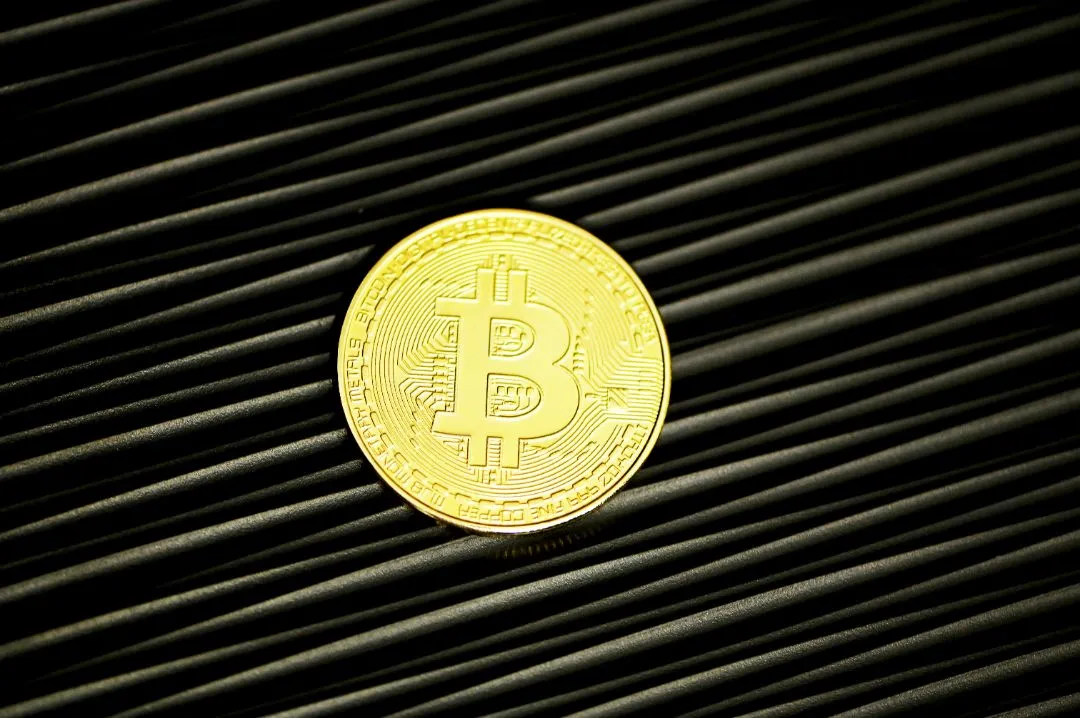
©Pexels/Gratisography


Overseas assets

The latest development in the case suggests that Kwon may have tried to hide his assets overseas, making it more challenging for authorities to recover those funds.

Prosecutors claim that Do Kwon transferred funds from his personal accounts to overseas bank accounts under his mother’s name. Additionally, he allegedly used cryptocurrency to purchase real estate and other assets in the United States, which he then registered under his mother’s name. This tactic is commonly used by those seeking to evade detection and protect their assets from seizure.


Binance halt request

South Korean authorities are understood to have reached out to global cryptocurrency exchange, Binance, requesting it to halt any withdrawal request associated with Kwon. Binance confirmed to CoinTelegraph that it is cooperating with the request, stating: “We provided Korean law enforcement authorities with the requested assistance. Since we cannot comment on ongoing law enforcement investigations, for any further comment please reach out to the prosecutors.”


Blockchain forensics

The situation surrounding Do Kwon’s case is not uncommon in crypto. Although there are blockchain forensic analysis specialists who collaborate with government authorities in tracing digital assets, the task is not without its difficulties. By analyzing the blockchain, investigators can trace the flow of funds and identify the individuals involved in illicit activities. This technology has already been used in a number of high-profile cases, including the 2014 Mt. Gox hack and the 2020 Twitter hack.

Nevertheless, the anonymous nature of blockchain transactions makes it much easier for individuals who engage in fraudulent or illegal activities. However, as cryptocurrency becomes more mainstream, governments around the world are cracking down on those who attempt to take advantage of the system.


Tightening regulation

In South Korea, authorities have been working to regulate the cryptocurrency industry and protect consumers from fraud. The government has implemented a number of measures, including requiring cryptocurrency exchanges to register with the Financial Services Commission and banning anonymous transactions. Despite these efforts, however, incidents of fraud and embezzlement continue to occur.

The fight against cryptocurrency-related crime is far from over. As the industry continues to grow and evolve, criminals will continue to find new ways to exploit the system. It is up to regulators and law enforcement officials to remain vigilant and adapt to these changes in order to protect consumers and ensure the integrity of the financial system.

In the case of Do Kwon, the investigation is ongoing, and it remains to be seen what the final outcome will be. Prosecutors estimate total proceeds of Do Kwon’s alleged crimes to amount to 91.4 billion won ($71 million) while 414.5 billion won ($316 million) has been identified relative to Terraform Labs more broadly.

More to Read
View All
Policy & Regulation·

Jun 12, 2023

China Sees Further Metaverse Development Through Nanjing City Initiative

China Sees Further Metaverse Development Through Nanjing City InitiativeNanjing City’s Jiangning district recently unveiled its ambitious plans for metaverse development as competition in China’s metaverse sector intensifies.Photo by 李 亨 on PexelsThree-year planThe district aims to lay the groundwork for blockchain-based applications by attracting 200 metaverse companies and generating an industry with an annual revenue of 20 billion yuan ($2.80 billion) by the end of 2025. That’s according to a three-year plan to accelerate metaverse development published by Jiangning district’s management committee on Saturday.To support this vision, Jiangning plans to foster collaboration between local enterprises and academic institutions, with the goal of training 10,000 metaverse professionals over the next three years.Metaverse roadmapThe district’s comprehensive roadmap includes the identification of key metaverse technologies, such as blockchain, artificial intelligence (AI), and virtual reality. Additionally, the plan outlines the establishment of 50 research centers and laboratories dedicated to these areas of expertise.These initiatives were unveiled during a joint summit on metaverse and artificial intelligence-generated content (AIGC) held at the Jiangning High-tech Development Zone, a specialized industrial park known for its focus on life sciences, software development, and equipment manufacturing.At the summit, 16 metaverse-related projects were introduced, representing a total investment of 8.1 billion yuan ($1.13 billion). These projects encompass diverse fields, including A.I., cloud computing, big data, and healthcare. Jiangning’s commitment to the metaverse extends beyond the recently announced plan, as the district has been offering financial incentives to metaverse companies since May 2022.Moreover, an investment of 800 million yuan ($112 million) has been allocated to construct a dedicated “metaverse industrial building” that will provide office spaces for metaverse enterprises.Jiangning’s efforts contribute to Nanjing City’s broader aspiration of becoming a prominent metaverse hub in China. In February of this year, Nanjing unveiled its metaverse strategy and set the ambitious target of establishing an industry generating over 135 billion yuan ($19.13 billion) in annual revenues by the end of 2025. Additionally, Nanjing launched “the Blockchain Technology and Application Innovation Platform of China” in May, aimed at promoting and advancing metaverse research nationwide.Broader Chinese metaverse strategyWhile Nanjing is moving towards metaverse development, other Chinese metropolises, including Beijing, Shanghai, and Hangzhou, are also vying for dominance. Cities such as Zhengzhou and Suzhou are also endeavoring to participate in the trending technology.Last month, Zhengzhou announced a set of policy proposals aimed at supporting metaverse-centric enterprises locally. Earlier in May, the administrative body that governs Henan Province established a 150 million yuan ($21.7 million) private equity investment fund relative to the financing of metaverse-themed projects.As cities and regions in China compete to seize the opportunities presented by the metaverse, the country is witnessing significant investments and initiatives to establish a strong foothold in this transformative technology. Nanjing’s Jiangning district’s comprehensive plan and strategic partnerships signify the region’s dedication to becoming a flourishing metaverse ecosystem, while executing on a mandate from the central government to further develop metaverse technologies within China.

news
Policy & Regulation·

Jan 10, 2024

Report finds Asian nations strengthening regulatory oversight of crypto

In a global effort to bolster regulatory control over the cryptocurrency sector, Asian nations feature prominently among 17 jurisdictions globally, who have implemented tighter cryptocurrency regulations in 2023. That’s the view expressed by blockchain analytics firm TRM Labs in a report published on Monday.Photo by CARTER SAUNDERS on Unsplash2023 notable for regulatory tighteningThe increased scrutiny comes on the heels of several crypto meltdowns in 2022, including the collapse of major platforms like Terraform Labs, Celsius, BlockFi and FTX, resulting in a market rout that wiped out trillions of dollars in value. The subsequent year witnessed an extraordinary surge in regulatory measures globally, with governments prioritizing consumer protection in the volatile crypto space. TRM Labs' report indicates that the jurisdictions strengthening consumer protection measures accounted for 80% of the 21 studied, representing 70% of global exposure to cryptocurrencies. As the crypto ecosystem grappled with the aftermath of the FTX collapse at the beginning of 2023, regulatory actions surged, shaping a transformative year for the industry. The TRM Labs report emphasizes that nearly half of the jurisdictions tightening crypto regulations in 2023 prioritized increasing consumer protection measures. Additionally, international organizations, including the G20, Financial Action Task Force, Financial Stability Board, International Monetary Fund and the International Organization of Securities Commissions, played a role in shaping global frameworks and policy recommendations for cryptocurrency regulation. While prominent regulatory moves included the European Union's implementation of the Markets in Crypto Assets Regulation (MiCA) in June, Asian countries were particularly active in rolling out regulatory controls and measures relative to digital asset markets.  Stronger measures in SingaporeSingapore, recognized as an early adopter of crypto regulation, took significant steps in November to curb retail speculation in cryptocurrencies. The city-state’s central bank and financial regulator, the Monetary Authority of Singapore (MAS), brought in these restrictions following a year-long public consultation process, together with a review of cryptocurrency platforms. The country set itself apart from other jurisdictions by becoming one of the first to finalize rules governing stablecoins. That regulatory action included the establishment of a comprehensive framework relative to stablecoin operations. South Korea and Australia increased scrutiny of the cryptocurrency sector, contributing to the global trend of regulatory tightening. Hong Kong licensingHong Kong introduced a new licensing regime for centralized crypto exchanges, aligning with its goal to become a global hub for virtual asset businesses. Following its major initiative in October 2022 to support the virtual asset sector, it has since implemented a mandatory licensing regime for centralized crypto exchanges, allowing them to accept retail investors. Eleven companies, including OKX, one of the largest exchanges by trading volume, have submitted applications for the license in the city. In December, Hong Kong followed Singapore’s lead, by proposing stringent rules for stablecoin issuers, prohibiting unlicensed companies from selling stablecoins to the city's retail investors through regulated channels or actively marketing their tokens within the city. These rules are considered challenging for stablecoin issuers and may potentially deter major stablecoin operators like Tether and USDC from entering the city, according to experts. As Hong Kong solidifies its regulatory stance, it positions itself alongside other major players, contributing to the global evolution of cryptocurrency oversight.

news
Markets·

Dec 12, 2023

WEMIX token leads gaming crypto asset market

WEMIX token leads gaming crypto asset marketWEMIX, a cryptocurrency issued by blockchain gaming company Wemade, has been marked as having the largest constituent weight in terms of market capitalization in the gaming sector in the latest Crypto Sector Indices released by Sygnum, a global digital asset banking group headquartered in Switzerland and Singapore.Photo by Christian Wiediger on UnsplashUnveiling insightsSygnum’s Crypto Sector Indices is a comprehensive report analyzing the world’s leading crypto asset projects to allow investors to view real-world use cases, compare market capitalizations and identify more influential or promising assets with greater constituent weight proportions. It is divided into seven core sectors — Layer 1, Layer 2, Centralized Finance (CeFi), Decentralized Finance (DeFi), Web3, Gaming and Metaverse.WEMIX’s continued successAccording to the banking group’s analysis of the world’s gaming cryptocurrencies by market capitalization, WEMIX has the largest share at 16% — up from 10% in January — beating out other game tokens like The Sandbox and Gala. Axie Infinity also has a 16% share. Out of more than 21,000 protocols, only those that constitute at least 0.01% of the total crypto market capitalization are eligible for inclusion in the indices.WEMIX has thus proven itself as one of the leading cryptocurrencies in the global blockchain gaming industry. Last month, Wemade also hosted the world’s first blockchain-assisted golf tournament, WEMIX Championship 2023, where the prizes for winning golfers were distributed in WEMIX.

news
Loading