Top

HTX resumes Bitcoin and Ether services post $30 million hack

Web3 & Enterprise·November 28, 2023, 1:48 AM

Digital asset exchange HTX has successfully reinstated deposit and withdrawal services for major cryptocurrencies, including Bitcoin (BTC) and Ethereum (ETH), following a recent security breach that saw the platform drained of $30 million.
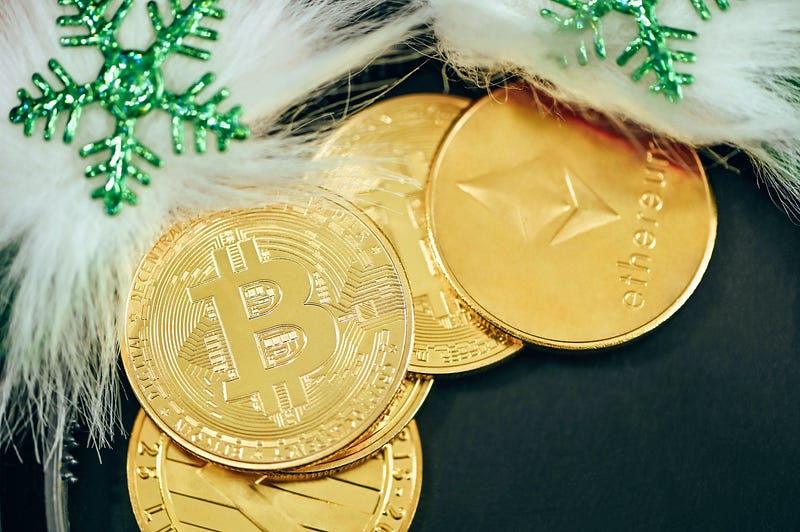
Photo by Traxer on Unsplash


Moving towards normal exchange operations

In an official announcement published to its website on Sunday, HTX reported the restoration of services for specific virtual assets through the ERC20 blockchain, signaling a positive step toward normalcy. The exchange assured users that additional services would resume shortly.

The statement listed more than 60 individual digital assets that have now been restored from the perspective of user withdrawals.

Amidst the controversy sparked by the hack, HTX emphasized its commitment to covering all losses from its reserves. The exchange pledged ongoing investigations and the reinforcement of security measures to prevent a recurrence of such events in the future. The announcement stated:

“Since its founding, HTX has remained committed to a policy of 100% reserves, ensuring our capacity to meet the withdrawal needs of all users.”


Airdrop event planned

The Seychelles-incorporated exchange also outlined details on an upcoming airdrop designed to incentivize community participation in the aftermath of the significant hack. The airdrop aims at users holding Rockets, with the value set at one USDT, and those possessing leading assets like HT, BTC and ETH will witness multiplied ticket values.

The platform experienced a significant security breach alongside a similar incident on the HECO bridge, resulting in total losses exceeding $85 million. Justin Sun, an advisor to the exchange, pledged full compensation for all losses and temporarily suspended deposits and withdrawals until identified risks were addressed.


Justin Sun controversy

Sun provided additional insights through a series of posts on the X platform. He confirmed the full functionality of major cryptocurrencies, including BTC, ETH, TRX and USDT, and expressed expectations for the restoration of all others by the upcoming week. Sun wrote:

“The majority of the work has been accomplished, and we aim to restore the remaining currencies gradually in the next few days, with all work expected to be completed by next week.”

Justin Sun, known for his involvement in platforms that recently faced security breaches, reassured users of the ongoing efforts to enhance safety measures. This incident marked the fourth unfortunate event linked to Justin Sun-related platforms within a short span. HTX, formerly known as Huobi, suffered a $30 million hack, following HECO bridge, Poloniex and a prior HTX security breach.

The controversial founder of the TRON blockchain network has come in for criticism of late. Travis Kling, Founder and Chief Investment Officer (CIO) of crypto fund Ikagai Asset Management, was scathing of Sun in comments made on the X platform on Monday. Kling wrote:

“[Justin Sun] has been hacked four times in the last two months” . . . “He’s a criminal and terrible for crypto and the sooner we get him out, the better.”

Earlier this month, the Poloniex crypto exchange fell victim to a $100 million hack, causing a stir within the wider crypto community. The exchange, like HTX, assured users of full compensation and even initiated a white hat bounty of $10 million for the safe return of assets, having identified the responsible party and indicating the initiation of criminal proceedings.


More to Read
View All
Policy & Regulation·

Nov 04, 2023

SEC seeks summary judgment against Terraform Labs

SEC seeks summary judgment against Terraform LabsThe U.S. Securities and Exchange Commission (SEC) is making a strong push for a summary judgment in its ongoing legal battle against Singapore’s Terraform Labs and its co-founder Do Kwon. Such an outcome would spare the need for a protracted trial.According to a motion filed by the SEC on Thursday, the record shows that there is “no genuine dispute as to any material fact and that the moving party is entitled to judgment as a matter of law.”Photo by Caleb Fisher on UnsplashRelying on the Howey TestThe SEC’s filing underscores its central argument that Kwon and Terraform Labs were involved in the sale of securities. The document categorically states:“There is no dispute that purchasers made an investment of money, either through fiat currency or crypto assets, for each crypto asset — LUNA, wLUNA, MIR, and UST, thereby satisfying the first prong of Howey.” The Howey Test refers back to a U.S. Supreme Court case — SEC v. Howey — which took place in 1946. The case set a precedent and has subsequently become the cornerstone of determining what is or is not a security in the United States.This argument hinges on the idea that funds were pooled in a common enterprise with the expectation of profits primarily derived from the efforts of the promoters.Citing fraud as well as unregistered securitiesThe SEC’s assertion is two-fold, contending that not only did Terraform and Kwon engage in selling securities, but they also engaged in fraudulent activities and disseminated misleading information. The SEC reiterates these claims in its filing, emphasizing that the defendants committed fraud by duping investors about the stability of UST.They allegedly falsely attributed the algorithm for price stabilization while orchestrating clandestine third-party interventions. This purported deception made their claims regarding the algorithm’s effectiveness deceptive and involved the omission of crucial information. The fallout from Terra’s collapse in May of the previous year resulted in the destruction of substantial investor wealth, totaling billions of dollars.Similar defense team filingThe SEC’s move to seek summary judgment comes in the wake of a similar filing by Kwon’s defense team last Friday. Kwon is currently serving a sentence for document forgery in Montenegro, a situation stemming from his arrest at an airport with forged passports.Notably, Terraform’s co-founder, Daniel Shin, who is currently on trial in South Korea, has attributed the collapse of Terraform Labs to Kwon’s mismanagement. Shin has claimed his separation from the company and its activities occurred two years before its eventual collapse.In this legal battle that holds significant implications for the cryptocurrency and blockchain space, the SEC continues to emphasize its position, asserting that Kwon and Terraform Labs engaged in the sale of securities through deceptive means. The outcome of this case could have far-reaching consequences, setting precedents for future regulatory actions in the industry.

news
Web3 & Enterprise·

Oct 30, 2023

Korean Telecommunications Firms Ramp Up ESG Efforts with NFTs

Korean Telecommunications Firms Ramp Up ESG Efforts with NFTsSouth Korea’s top three leading telecommunications companies — SK Telecom (SKT), KT, and LG Uplus — are using non-fungible tokens (NFTs) to boost their corporate environmental, social and governance (ESG) efforts and engage younger audiences in their initiatives.Photo by Noah Buscher on UnsplashKT’s Raon NFT projectEarlier this year, KT launched an internal collaborative project between its device division and its blockchain division, KT MINCL, to issue profile picture (PFP) NFTs of its intellectual property — the feline character Raon. The project consists of four editions of NFT mintings, each with a different concept promoting mindful consumerism. 3,000 NFTs each were minted for the first two editions back in December and June, and KT is gearing up to release the third edition soon, according to industry reports on Sunday (local time). A portion of the proceeds from the upcoming third edition sale will also be donated under the project’s name. Notably, all 3,000 NFTs from the first edition were sold out in just a minute.KT has designed the NFT purchase system to encourage ESG-related activities. Buyers can receive items that reflect ESG values, such as bags from The Fair Story, a company that promotes fair trade products made by brands from developing countries. “We will continue to work with companies related to our ESG values to develop household products, miscellaneous goods, and more that are linked to NFTs,” KT said.LG Uplus and SKT’s ESG-led collaborationsLG Uplus and SKT have followed suit by incorporating eco-friendly themes into their own blockchain technologies. In particular, SKT recently signed a business agreement with WinCL, a carbon credit marketplace encouraging carbon offset efforts. The deal aims to combine SKT’s NFT marketplace, TopPort, and WinCL’s carbon credit system to issue NFTs for companies that need help managing their ESG performance indicators.On October 18, LG Uplus announced that a select number of holders of its Moono Crew NFT will be the first to purchase NFTs from the Incheon Heroes NFT collection — a collection launched on the Klaytn Mainnet as part of Incheon City’s Incheon Universe Project, aimed at introducing Incheon’s natural, cultural, historical, and technological heritage, and motivating participation in eco-friendly activities from younger generations. The company had collaborated with Incheon and Lotte Home Shopping to promote and expand the ecosystem of the collection.

news
Policy & Regulation·

Jan 10, 2024

Report finds Asian nations strengthening regulatory oversight of crypto

In a global effort to bolster regulatory control over the cryptocurrency sector, Asian nations feature prominently among 17 jurisdictions globally, who have implemented tighter cryptocurrency regulations in 2023. That’s the view expressed by blockchain analytics firm TRM Labs in a report published on Monday.Photo by CARTER SAUNDERS on Unsplash2023 notable for regulatory tighteningThe increased scrutiny comes on the heels of several crypto meltdowns in 2022, including the collapse of major platforms like Terraform Labs, Celsius, BlockFi and FTX, resulting in a market rout that wiped out trillions of dollars in value. The subsequent year witnessed an extraordinary surge in regulatory measures globally, with governments prioritizing consumer protection in the volatile crypto space. TRM Labs' report indicates that the jurisdictions strengthening consumer protection measures accounted for 80% of the 21 studied, representing 70% of global exposure to cryptocurrencies. As the crypto ecosystem grappled with the aftermath of the FTX collapse at the beginning of 2023, regulatory actions surged, shaping a transformative year for the industry. The TRM Labs report emphasizes that nearly half of the jurisdictions tightening crypto regulations in 2023 prioritized increasing consumer protection measures. Additionally, international organizations, including the G20, Financial Action Task Force, Financial Stability Board, International Monetary Fund and the International Organization of Securities Commissions, played a role in shaping global frameworks and policy recommendations for cryptocurrency regulation. While prominent regulatory moves included the European Union's implementation of the Markets in Crypto Assets Regulation (MiCA) in June, Asian countries were particularly active in rolling out regulatory controls and measures relative to digital asset markets.  Stronger measures in SingaporeSingapore, recognized as an early adopter of crypto regulation, took significant steps in November to curb retail speculation in cryptocurrencies. The city-state’s central bank and financial regulator, the Monetary Authority of Singapore (MAS), brought in these restrictions following a year-long public consultation process, together with a review of cryptocurrency platforms. The country set itself apart from other jurisdictions by becoming one of the first to finalize rules governing stablecoins. That regulatory action included the establishment of a comprehensive framework relative to stablecoin operations. South Korea and Australia increased scrutiny of the cryptocurrency sector, contributing to the global trend of regulatory tightening. Hong Kong licensingHong Kong introduced a new licensing regime for centralized crypto exchanges, aligning with its goal to become a global hub for virtual asset businesses. Following its major initiative in October 2022 to support the virtual asset sector, it has since implemented a mandatory licensing regime for centralized crypto exchanges, allowing them to accept retail investors. Eleven companies, including OKX, one of the largest exchanges by trading volume, have submitted applications for the license in the city. In December, Hong Kong followed Singapore’s lead, by proposing stringent rules for stablecoin issuers, prohibiting unlicensed companies from selling stablecoins to the city's retail investors through regulated channels or actively marketing their tokens within the city. These rules are considered challenging for stablecoin issuers and may potentially deter major stablecoin operators like Tether and USDC from entering the city, according to experts. As Hong Kong solidifies its regulatory stance, it positions itself alongside other major players, contributing to the global evolution of cryptocurrency oversight.

news
Loading