Top

Com2uS to sell Flashman NFTs on X-PLANET to raise funds for subway ad 

Web3 & Enterprise·February 19, 2024, 8:43 AM

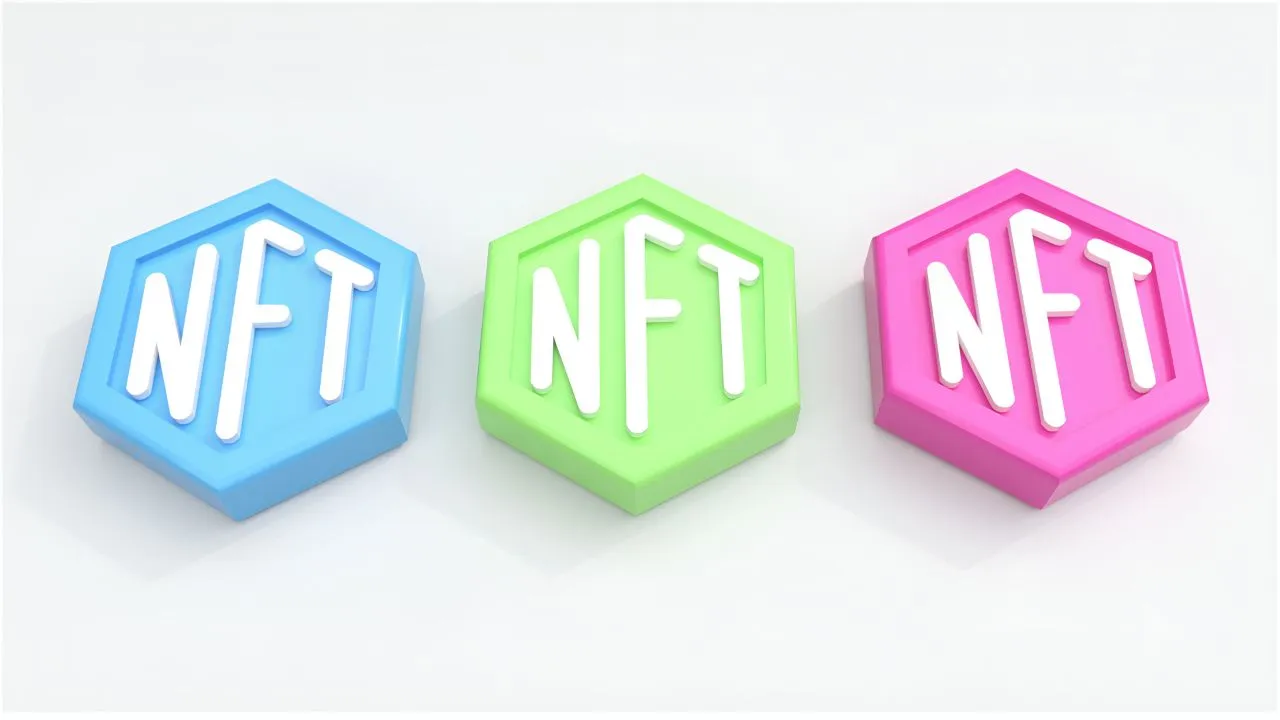
Com2uS Platform, a blockchain subsidiary of South Korean game company Com2uS Holdings, announced today that it will sell NFTs to fund subway advertisements celebrating the upcoming fan meeting of Choushinsei Flashman, a Japanese live-action superhero series produced by Toei Animation. This year marks the 35th anniversary of the show’s introduction to Korea. 
https://asset.coinness.com/en/news/97b0ed5801b7229f592fc3be546beb32.webp
Photo by Choong Deng Xiang on Unsplash

Special event for South Korean fans

This “Cosmo Sword NFTs” campaign has been launched by Com2uS Platform, backed by local fans’ voluntary participation and their enthusiasm towards the series. It has a special meaning for the fandom as it is the first time that the stars of Choushinsei Flashman are visiting Korea. The entire proceeds will be used to put advertisements on subway stations. This promotion is expected to attract a lot of fans as they can take selfies against the advertisement display or put paper notes containing messages for Flashman actors on the board. 


Fan meeting to take place in April 

The Flashman fan meeting is planned to be held on April 20 at Sky Art Hall located in Gangseo-gu, Seoul. The event will feature seven actors and actresses from Flashman, including Tarumi Tota who starred as “Red Flash,” a main protagonist, and Hagiwara Sayoko who performed as the villain “Ray Nefel.” Participants will be able to enjoy on-site giveaway events and collective exhibitions. 


Blockchain-enabled event tickets 

Fan-meeting NFT tickets can be exclusively purchased from X-PLANET, an NFT marketplace. VIP seats have already been sold out. The NFT tickets utilize blockchain technology which allows only ticket buyers to enjoy the show. They are resistant to forgery or counterfeiting since every process from purchasing to admission is recorded onchain, keeping scalpers at bay. 


Run by Com2uS Platform, X-PLANET strives to showcase various artworks in the realms of games and K-pop to NFT enthusiasts in the global Web3 market. The platform is committed to producing high-quality NFT content in collaboration with skillful artists and various organizations.



More to Read
View All
Policy & Regulation·

May 12, 2023

China Launches National Blockchain Center to Develop Talent

China Launches National Blockchain Center to Develop TalentHaving initially been announced in February, China’s National Blockchain Technology Innovation Center was formally launched on Wednesday. The center is based in China’s capital city of Beijing, and plans to collaborate with existing crypto and blockchain businesses, think tanks that concern themselves with blockchain and digital assets, and local universities in an effort to further advance blockchain technology within China’s borders.Photo by Hanson Lu on UnsplashEnterprise blockchain developmentEncompassed within the National Blockchain Technology Innovation Center lies the Beijing Academy of Blockchain and Edge Computing. The academy’s leading achievement to date has been its development of the ChainMaker blockchain. The state-sponsored blockchain incorporates clusters of high performance servers of 1,000 units or more, and it claims to achieve a throughput of 240 million transactions per second.The blockchain is being geared towards enterprise use, and the sharing of information between businesses. The ChainMaker project team has also developed an immutable storage mechanism called “Hong”. It’s understood that the team plans to open-source that technology in due course. The storage system is being used by around 80 government departments in Beijing to collect and store data.ChainMaker is collaborating with fifty corporations, with most of them being state-owned entities.Linking up separate networksIn these efforts to advance China’s blockchain sector, the Center is being backed by China’s Ministry of Science and Technology. One of its key objectives is to ensure that the research center enables a comprehensive, nation-wide network to link together disparate blockchain systems, including those already built, within China. Furthermore, the Chinese authorities want the Center to support existing industries, serving them by bringing blockchain technology to their operations, and in that way advancing businesses with that added competitive edge.Zheng Zhiming, a leading academic at the Chinese Academy of Sciences said that existing blockchain projects are isolated from each other. Zhiming believes that this is holding them back, impeding their growth. This latest approach through the National Blockchain Technology Center is geared to address that shortcoming.It’s interesting to note that while the Chinese authorities have taken a very hard line in relation to cryptocurrencies, they are very much trying to advance their blockchain sector. Likewise, they are pulling out the stops for China’s central bank digital currency (CBDC) project, the digital yuan or e-CNY.It emerged last week that the Bank of China has partnered with French international banking group BNP Paribas, in an effort to promote further use of the digital yuan among the bank’s corporate clients.A dual strategyMeanwhile in China’s autonomous territory of Hong Kong, the city has been given an implicit mandate from the Chinese central government to open its doors to cryptocurrency-related businesses. Cleverly, the Chinese are covering both eventualities. While they don’t want citizens within mainland China to have access to decentralized cryptocurrencies and dApps, they still don’t want to miss out on any upside that the technology and its innovation may bring.On that basis, Hong Kong has been given the space and freedom to compete for crypto business on a global basis, competing in that respect with other emerging centers such as Singapore and Dubai.

news
Web3 & Enterprise·

Jun 02, 2023

Gemini Targets UAE Crypto License

Gemini Targets UAE Crypto LicenseGemini, the US-headquartered cryptocurrency exchange owned by the Winklevoss twins, has announced its intention to obtain a cryptocurrency service license in the United Arab Emirates (UAE). The move comes as the exchange seeks to navigate the perceived “hostility and lack of clarity” surrounding cryptocurrency regulations in the United States.In a blog post published on Wednesday, Gemini highlighted the growing interest in cryptocurrencies among UAE citizens and referred to positive interactions with UAE regulators as driving factors behind its pursuit of the license. The co-CEOs of Gemini, Cameron and Tyler Winklevoss, explained in an interview with The National that their decision was influenced by the challenges they faced with crypto regulation in the US. Gemini CEO Tyler Winklevoss expressed optimism about the regulatory environment in the UAE, stating:“We’ve been super encouraged with our conversations here with the regulators. There’s an effort to make the UAE a home and a hub for crypto and, most importantly, to enact thoughtful regulation that connects, that protects both consumers, but also a company’s ability to innovate.”Photo by Nextvoyage on PexelsAbu Dhabi or Dubai — or bothAs of now, the Winklevoss twins have not yet determined the specific location for Gemini’s operations in the UAE. They hinted that the exchange’s headquarters could be established in both Abu Dhabi and Dubai, reflecting the potential for growth and development in both cities.Gemini’s decision to pursue a crypto license in the UAE underscores the country’s growing importance in the cryptocurrency industry. With its efforts to create a favorable regulatory environment and attract crypto-related businesses, the UAE aims to position itself as a crypto hub while safeguarding the interests of both consumers and innovators.Discouraging US outlookAccording to Gemini’s Global State of Crypto Report, which provides insights into cryptocurrency adoption and usage, more than 35% of respondents surveyed in the UAE reported purchasing crypto. In contrast, only 20% of respondents in the United States said they had bought cryptocurrencies.The report also revealed that nearly 32% of non-crypto owners in the UAE expressed their intention to enter the market within the next year. Furthermore, 33% of UAE crypto holders indicated that they plan to use their digital assets for in-person purchases at physical retailers, a significantly higher percentage compared to the global average of 19%.Although still a US-headquartered business, Gemini has been turned off the US market more recently. The Winklevii twins have taken a similar stance to Coinbase’s Brian Armstrong and Ripple’s Brad Garlinghouse. Coinbase has expanded in Singapore, acquired digital asset licensing in Bermuda, and has the intention of establishing a presence in Abu Dhabi.Garlinghouse has matched Armstrong’s outspokenness in criticizing the regulatory approach to digital assets in the United States. Likewise, he has acted to place Ripple on an international footing, establishing a presence in Dubai. In April, Gemini announced the opening of an engineering center in India, together with plans to expand its base in Singapore.As Gemini proceeds with its application for the UAE crypto license, industry observers will be closely monitoring the development, anticipating the potential impact of this expansion on the exchange’s operations and the broader cryptocurrency landscape in the region.

news
Web3 & Enterprise·

Aug 16, 2023

Dubai Tempts AI and Web3 Enterprises With Subsidized Commercial Licenses

Dubai Tempts AI and Web3 Enterprises With Subsidized Commercial LicensesDubai has demonstrated over the past twelve months that it has its sights set on becoming a regional hub for innovation, and we have further evidence of that strategy today with news that the city is now enticing artificial intelligence (AI) and Web3 businesses with an unprecedented offer — commercial licenses at a 90% subsidy.Photo by Aleksandar Pasaric on PexelsAI and Web 3.0 CampusThe focal point of this strategic move is the Dubai AI and Web 3.0 Campus, a burgeoning tech haven designed to foster innovation and collaboration. The campus recently unveiled its decision to heavily subsidize licenses for companies choosing to establish a foothold within the city, publishing details of the move on Monday via a press release. The issuance of these licenses falls under the auspices of the Dubai International Financial Centre (DIFC), underscoring the city’s determination to attract global talent and diverse investment opportunities.Mohammad Alblooshi, CEO of DIFC’s Innovation Hub, expressed confidence in the power of this initiative, stating:“We are confident that by granting these licenses, we will attract more global talent and investment to the region and create a culture of collaboration and innovation.”The Dubai AI and Web 3.0 Campus is geared up to cater to its prospective denizens, equipped with cutting-edge AI lab facilities, comprehensive training programs, essential hardware support, and accelerator initiatives.All enterprises setting their sights on seizing the opportunity presented by the 90% subsidized commercial licenses are required to follow an application process.Crypto trading licensingDubai’s tech evolution extends beyond AI and Web3 realms. The city has been proactive in granting operational licenses to cryptocurrency exchanges, marking yet another stride toward its tech-driven future.In a recent development, Nomura’s crypto arm, Laser Digital Middle East, secured an operational license from Dubai’s Virtual Asset Regulatory Authority (VARA). This coveted license empowers Laser Digital to provide broker-dealer services and manage virtual asset investments within the emirate.The progressive regulatory approach taken in Dubai has led to crypto exchanges such as Bybit, choosing the city as the location for its headquarters. In June MENA-focused digital assets platform BitOasis became the first crypto company to be awarded a broker dealer license by the Dubai regulator.The regulatory approach taken in Dubai is proving to be progressive yet firm. The emirate hasn’t made the mistake of opting for ineffective light touch regulation that would attract the wrong type of crypto startup.That’s evidenced by the response of VARA to the establishment of the OPNX exchange within its jurisdiction. OPNX was founded by Su Zhu and Kyle Davies, the founders of failed Singapore-based crypto hedge fund, Three Arrows Capital (3AC). VARA issued the business’ founders with a reprimand earlier this year, for establishing a crypto-related platform in Dubai without having obtained a crypto trading license.Dubai’s willingness to embrace innovative technologies, coupled with its strategic initiatives and progressive regulation, is propelling it to the forefront of the global tech revolution. As it beckons AI and Web3 pioneers with enticing subsidized licenses and facilitates the growth of the cryptocurrency ecosystem, Dubai is carving a unique niche as a hub of technology and innovation and exploiting the potential growth opportunity that presents as a consequence.

news
Loading