Top

OKX and KuCoin lead $9M investment into UXLINK

Web3 & Enterprise·March 14, 2024, 1:28 AM

UXLINK, a Web3 social network headquartered in Singapore, has announced a successful funding round raising $9 million, supported by a mix of private crypto and publicly listed companies including OKX and KuCoin.


UXLINK announced details of the funding round in a social media post published to X on March 13. The startup, known for its innovative approach to social networking merging with transactions, has seen its user base grow to 3.5 million users. Among the investors contributing to this round are OKX Ventures, Web3Port Foundation, Cypher Capital, KuCoin Ventures, Gate Labs and Matrixport Ventures. ZhenFund, 7UPDAO, Signum Capital, ECV and GGV Capital were also participants.


In a blog post Dora Yue, Founder of OKX Ventures, expressed enthusiasm about UXLINK's concept, stating:

"This innovative concept merges social networking and transactions, creating a robust ecosystem where people can fully leverage their digital assets."

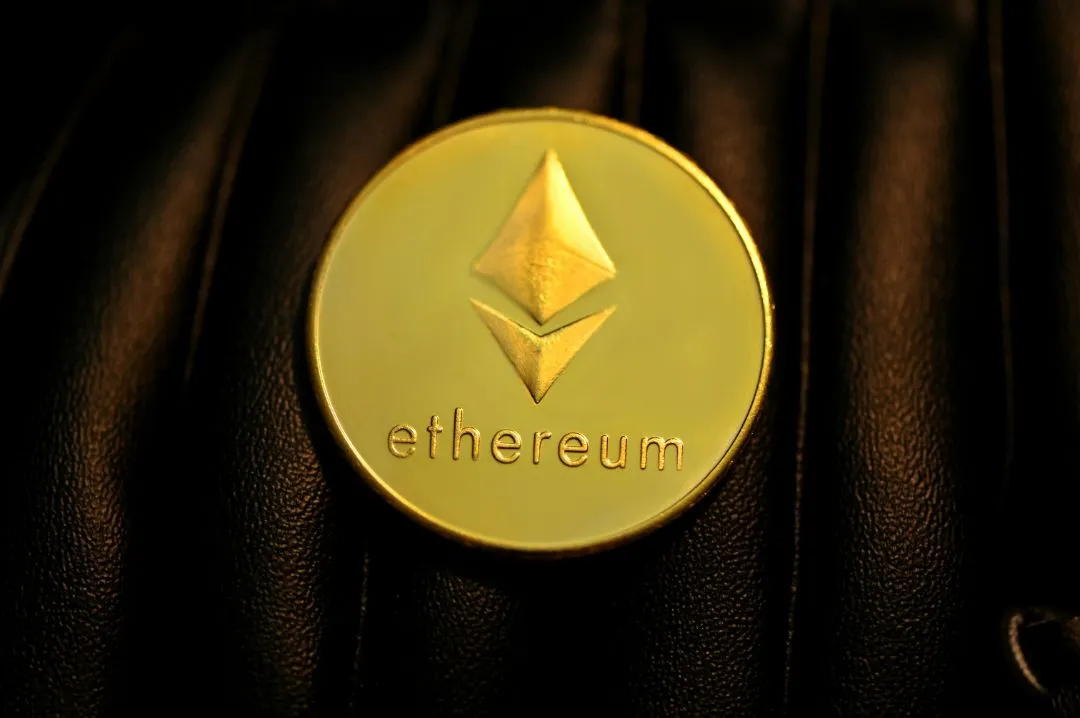
https://asset.coinness.com/en/news/b6af7be67f0c9dbadba8bf7abb7fc2ea.webp
Photo by Towfiqu barbhuiya on Unsplash

Acquaintance-based social networking

Yue described UXLINK as a game-changer in the field of Web3 social infrastructure. The project differentiates itself by relying on acquaintance social networking. Other Web3 social protocols such as Farcaster, Nostr, Cyberconnect and Lens Protocol are structured around one way follower relationships between key opinion leaders (KOLs) and followers.


By contrast UXLINK takes a different approach, building a social network by placing emphasis on the existing social relationships of users with acquaintances. The idea is that real-life acquaintances are established through trust and implicate a much deeper personal connection by comparison with opinion leaders and followers.


Speaking to that unique approach, pseudonymous crypto trader and investor Bull Flash stated on X on March 13:


“Forget one-sided connections! UXLINK focuses on REAL-WORLD social interactions. Users can connect with each other AND with dApps in real-time through innovative Groups – a game-changer for web3. UXLINK is more than just a platform – it's a MOVEMENT.”


Potential for further funding

While the exact valuation post-funding remains undisclosed, UXLINK indicated a potential for further funding rounds before its token generation event, signaling continued investor interest in its growth trajectory.


With the freshly secured capital, UXLINK aims to introduce the "Social Liquidity Chain," leveraging Optimism and EigenDA technologies to support third-party developments. This initiative is expected to enhance the platform's capabilities and foster a more dynamic user experience.


Since its establishment in April 2023, UXLINK has seen rapid adoption, hosting more than 75,000 decentralized groups. The vast majority of its users are located in Southeast Asia, the Middle East, Europe, South Asia and Africa. The platform's unique approach to social finance, facilitated by its Web3 "UXGroups” on Telegram, emphasizes bridging real-world trust dynamics with decentralized applications.


In addition to being an investor in the company, last month the OKX Wallet was integrated with UXLINK in an effort to improve user experience, allowing UXLINK users to manage their Web3 assets more efficiently.


UXLINK's successful funding round underscores growing investor confidence in the potential of Web3 social networks and belief in their ability to revolutionize traditional social interactions and financial transactions. As the platform continues to expand and innovate, it is positioning itself to make further strides in reshaping the landscape of digital social interactions and finance.

 

More to Read
View All
Web3 & Enterprise·

Sep 13, 2023

Bitget Exec Speaks to Utility of Enhanced KYC

Bitget Exec Speaks to Utility of Enhanced KYCCrypto continues to undergo significant transformation as regulatory authorities across Asia tighten their grip on the industry. In response to these regulatory changes, Seychelles-headquartered Bitget has joined KuCoin and OKX, which have recently bolstered their Know Your Customer (KYC) measures to ensure compliance and safeguard their operations.In a recent interview with Cointelegraph, Bitget Managing Director Gracy Chen spoke to the utility of KYC measures, stating that KYC is useful in filtering out illegitimate users, particularly those engaged in activities such as money laundering.Photo by Pixabay on PexelsMeeting Asian regulatory requirementsThe Seychelles-based exchange with ties to China and Singapore recently announced updates to its KYC protocols. These changes come in the wake of the Monetary Authority of Singapore’s (MAS) directives, which advise financial institutions, including cryptocurrency exchanges, to implement robust risk management procedures. The MAS has taken a stringent stance, shutting down certain digital payment token service providers to prevent them from facilitating lending and staking activities by retail customers.Starting from October 1, Bitget will require users who have not completed level 1 KYC verification to be restricted from creating new trading orders. This move aims to ensure that users comply with the newly updated guidelines and maintain the integrity of the exchange’s operations.Following industry peersKuCoin and OKX, two other prominent exchanges which, like Bitget, have their corporate headquarters in Seychelles and a strong presence in Asia, have also revamped their KYC policies. While KuCoin initially introduced KYC in 2018, the exchange has strengthened its identity verification procedures, requiring users to upload documents and complete face checks.Furthermore, in July, it announced a mandatory KYC requirement, in line with anti-money laundering (AML) regulations. While the mandatory KYC requirement is already in force, the other changes are set to take effect at the end of the month.OKX, on the other hand, has implemented stringent requirements, including the submission of a government-issued ID selfie for users to access all its services. The exchange recently set a deadline for service users to complete KYC.Bitget’s Chen highlighted that its decision to embrace KYC measures was driven by a commitment to serving the market responsibly. She acknowledged that while some users may have reservations about KYC, it is a necessary step to maintain the integrity of the exchange and prevent illicit activities. Speaking at the fringes of the firm’s EmpowerX Summit in Singapore, Chen said:“I’m pretty sure if the user is a financially healthy user, such as, like, if they’re not doing something illegitimate, such as money laundering, they should be pretty comfortable with the KYC process.”Tightening regulationThe tightening of regulations in Asia is not limited to Singapore alone. Japan has also taken steps to enhance anti-money laundering measures related to cryptocurrency transactions, responding to international calls for stricter oversight. Additionally, South Korea’s Financial Services Commission (FSC) has announced plans to require companies to disclose details about their cryptocurrency holdings, expected values, and related business models in their financial statements, aligning crypto accounting with conventional financial reporting.These regulatory developments signify a broader trend in the region, with cryptocurrency service providers proactively adapting to the changing landscape. As governments and regulatory authorities take steps to address the potential risks associated with cryptocurrencies, exchanges are prioritizing compliance to ensure their longevity and continued growth.

news
Policy & Regulation·

Aug 02, 2023

3AC Co-Founder Disputes US Jurisdiction Citing Singaporean Citizenship

3AC Co-Founder Disputes US Jurisdiction Citing Singaporean CitizenshipKyle Davies, the Co-Founder of the failed Singaporean crypto hedge fund Three Arrows Capital (3AC), has asserted that he is solely a citizen of Singapore and not of the United States.Photo by Towfiqu barbhuiya on PexelsEvading pursuit of damagesThe assertion may have relevance as it may mean that Davies can evade actions taken against him in a US court on the basis of a lack of jurisdiction. In a recent filing with the US Bankruptcy Court for the Southern District of New York (SDNY), Davies presented documents demonstrating that he had renounced his US citizenship in December 2020. He emphasized that he obtained citizenship in Singapore after being issued a passport in early 2021 and that he does not subject himself to the jurisdiction of US courts.$3.5 billion owedIn June it emerged that liquidators appointed for 3AC were seeking to recover $1.3 billion from the fund’s co-founders, Davies and Su Zhu. The firm reportedly owes creditors a staggering $3.5 billion.In the midst of public criticism surrounding the events leading to 3AC’s collapse, Zhu and Davies launched a platform called Open Exchange (OPNX), allowing trading claims against bankrupt crypto firms. Despite a deficit of goodwill for the duo in the crypto sector, they have been putting all their energies into the new venture.Last month, they outlined that they would donate future earnings from OPNX to 3AC creditors. It’s difficult to reconcile that claim when with this action, Davies is trying to evade contributing to creditors via the 3AC bankruptcy process and this legal action taken by the liquidator.Renounced citizenshipAccording to court documents, Davies officially renounced his US citizenship at the US Embassy in Singapore, citing his decision to reside in the country on a long-term basis. He revealed that he got married to a Singaporean national in 2017 and subsequently gained permanent residency in Singapore. Because Singapore does not permit dual nationality, Davies chose to renounce his US citizenship to establish himself fully as a Singaporean citizen.The submission of these documents came after 3AC’s liquidators requested a subpoena to gather information on the crypto hedge fund’s collapse. Both Kyle Davies and Zhu, were subpoenaed on Twitter, as their whereabouts were unknown. However, while Zhu, being a Singaporean national, might not be subject to the subpoena while residing outside the United States, Davies’ refusal to comply with the order led to discussions about holding him in contempt of court.In response to the subpoena controversy, Davies’ legal representatives claimed that he cannot be validly served with process as a non-party in the case, as he has not been a US citizen or resident since well before the case was initiated. They stated that the court lacks personal jurisdiction over him due to his renunciation of US citizenship. Accordingly, they requested that the Service Order and Compel Order, which were based on the assumption that Davies was a US citizen, be vacated.

news
Markets·

May 30, 2024

DBS Bank pours cold water on ownership of $650M in Ether

A crypto wallet reportedly tied to the multinational banking giant DBS Bank holds over 170,000 Ether, valued at nearly $650 million. Reporting on the matter subsequently prompted DBS to make a denial of any links to the wallet.Photo by Kanchanara on UnsplashClaim asserted, claim deniedOn May 30, blockchain analysis firm Nansen caused some excitement when it took to X, flagging a particular wallet address, identifying it as belonging to an Ethereum whale, taking matters a step further in asserting that the wallet belonged to Singaporean bank, DBS Bank. The submission of securities reports to the Securities and Exchange Commission (SEC) recently by many large corporates led to disclosures from some within traditional finance in the United States of Bitcoin holdings via the spot Bitcoin exchange-traded fund (ETF) products which had been approved earlier this year. A substantial holding of ETH by Singapore’s biggest bank would have been a significant boost for proponents of Ethereum. However, DBS Bank promptly refuted these claims. A spokesperson for the bank subsequently issued a statement to Cointelegraph and Decrypt, stating: "In relation to the post, DBS does not have this position on our books."  Claim not retractedFor its part, Nansen has not retracted its claim. In response to Decrypt, Nansen analyst Edward Wilson stated:"We have it under good authority, via several independent sources, that DBS owns the private key of this wallet and these assets are most likely a part of their custody solution." Wilson told Cointelegraph that it had obtained this information from “a good source,” going on to state: “This is similar to how we see institutions, both crypto-native like exchanges such as Binance or Coinbase custody funds on behalf of their users and non-crypto-native custody funds. The institution is the custodian and is responsible for managing the security of the funds.” The Nansen analyst expressed even more confidence in the claim in response to CryptoSlate. Wilson stated:“Nansen is 100% sure this belongs to DBS – DBS owns the private key of this wallet and these assets are most likely a part of their custody solution.” DBS’s foray into crypto servicesIn 2020, DBS Bank unveiled a crypto trading and custody service, including a platform for conducting security token offerings. At that time, DBS Exchange clarified that while the exchange itself would not hold any assets, it would provide custody services to investors. Since launching its crypto division, DBS Bank has seen significant success. In 2023, DBS reported an 80% growth in Bitcoin trading volume, attributing this surge to the crypto market turmoil of 2022. In February of this year, the Singaporean bank moved to integrate its digital asset exchange business into a new global financial markets unit. In April 2023, DBS opened a branch of the bank on the metaverse. It demonstrated its Web3 credentials further in August 2023 by introducing a metaverse game to tackle the issue of global food waste.

news
Loading