Top

MAS sets deadline for unlicensed crypto firms serving clients overseas from Singapore

Policy & Regulation·June 04, 2025, 12:00 AM

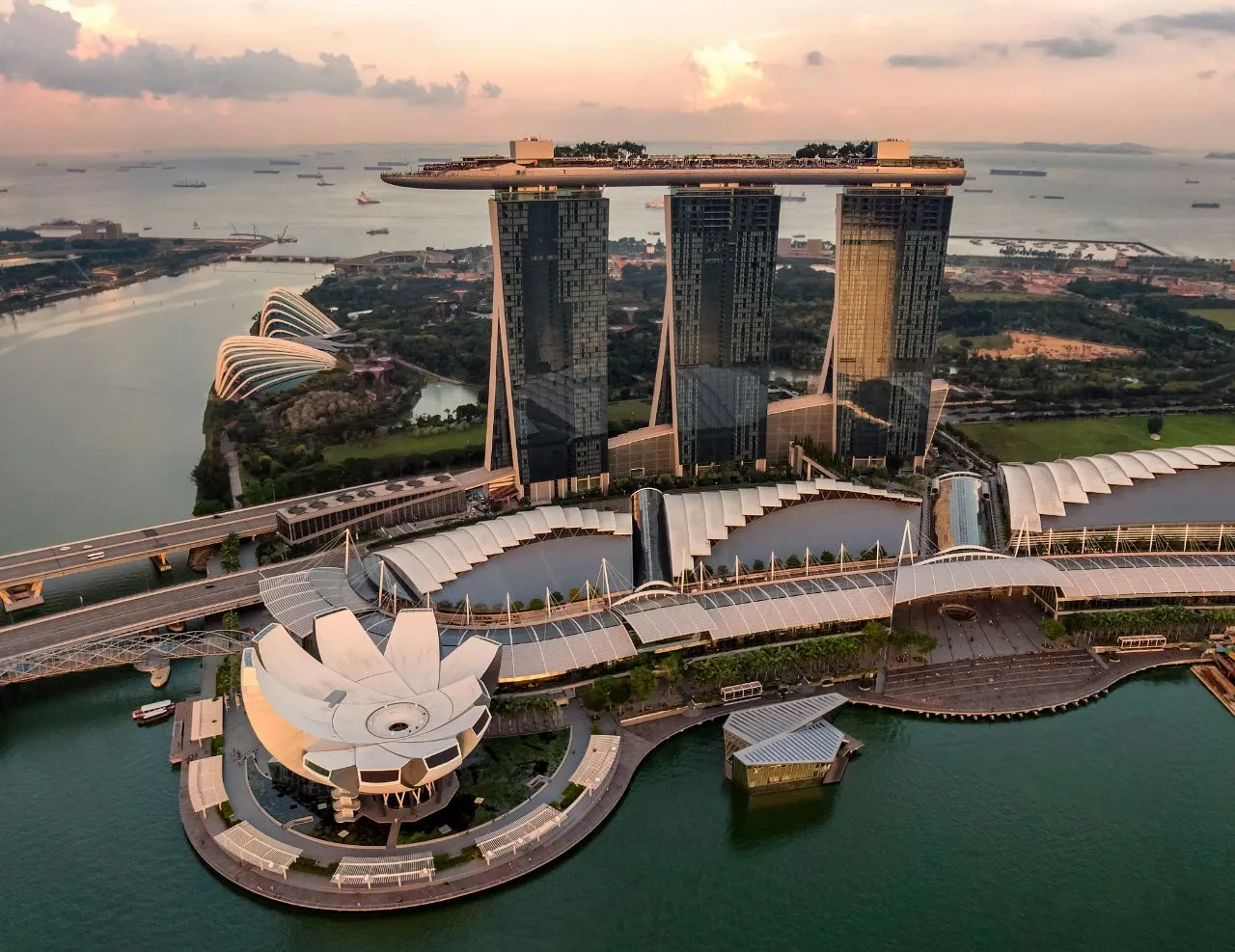
The Monetary Authority of Singapore (MAS), the city-state’s central bank and primary financial regulator, has set a deadline of June 30 for unlicensed digital token service providers (DTSPs) working out of Singapore to cease offering their services to clients in overseas markets.
https://asset.coinness.com/en/news/a5c6701e879ad9e1a49831f7348dcffb.webp
Photo by Hu Chen on Unsplash

Responding to feedback

The deadline emerged by way of a process MAS has followed as part of the Financial Services and Markets Act 2022 (FSM Act). Last October, the regulator invited feedback from stakeholders related to the authority’s approach to the regulation of DTSPs. MAS published its response to that feedback on May 30. 


It stated:

”DTSPs which are subject to a licensing requirement under section 137 of the FSM Act must suspend or cease carrying on a business of providing DT services outside Singapore by 30 June 2025.”


It added that it was not including any transitional arrangement for DTSPs despite MAS receiving such a suggestion from a number of feedback respondents. Instead, unlicensed DTSPs will need to abide by the June 30 deadline and have acquired a license by then or cease unlicensed activity.


The regulator defines DTSPs as individuals, partnerships or Singapore corporations operating from a place of business in Singapore, including those formed or incorporated in Singapore who offer digital token services outside Singapore.


Those found in breach of the regulation could face up to three years in prison and fines of up to S$250,000 ($195,000). Companies who have already obtained licensing or those exempted by way of the Securities and Futures Act, Payment Services Act and the Financial Advisers Act are free to continue trading.


Challenging licensing requirements

Those who wish to become compliant will have to satisfy some challenging requirements. For those granted a license, an annual license fee of S$10,000 ($7,780) applies. Small-scale DTSPs need to satisfy a $150,000 ($116,670) ongoing capital requirement, while larger, well-established DTSPs must comply with a S$250,000 ($195,000) capital requirement.


Additionally, MAS has put in place competency requirements related to a DTSP's CEO, directors, partners and managers. Hagen Rooke, a partner at law firm Gibson, Dunn & Crutcher, outlined on LinkedIn that while it's possible for unlicensed operators to obtain licensing, it will be very difficult to get a license. In its feedback response document, the regulator stated:


“MAS will approach the licensing of DTSPs in a prudent and cautious manner and there will be extremely limited circumstances under which MAS will consider granting an applicant a licence under section 138 of the FSM Act.”


Rooke advised crypto companies that may be affected to act swiftly in order to derisk through an operational restructuring or removing the businesses' Singapore touchpoints. He suggested that firms need to consider if it has customers outside of Singapore or front-office functions located outside of the city-state to determine if they could be affected by this regulatory measure.


A number of Asian countries have moved to take action against unlicensed foreign firms that have engaged with local investors, with Thailand becoming the latest country to do so recently. However, the Singaporean authorities have approached the issue from the opposite perspective, citing the potential reputational risk that unlicensed DTSPs pose for Singapore.

More to Read
View All
Policy & Regulation·

Jun 19, 2023

Korea’s Busan City to Develop Blockchain-Based Carbon Neutrality Platform

Korea’s Busan City to Develop Blockchain-Based Carbon Neutrality PlatformBusan Metropolitan City, known for being home to South Korea’s largest port, announced today that its consortium won the bid for the 2023 new local energy facilitation project offered by the Korea Energy Agency, an organization under the Ministry of Trade, Industry, and Energy (MOTIE). The consortium consists of five entities, including Busan City, tech solution provider Nuri Flex, and gas distributor Busan City Gas. As the winning bidder, Busan City and its collaborators will proceed with the development of a blockchain-based platform that promotes carbon neutrality.Photo by BERK OZDEMIR on PexelsCarbon neutralityThe primary aim of this project is to create a system that leverages surplus renewable energy to achieve carbon neutrality in the city’s port and industrial infrastructure. The initiative includes providing eco-friendly renewable energy to port and industrial facilities, establishing a blockchain-based carbon credit system to support businesses in joining the global corporate renewable energy initiative RE100, and facilitating the trading of surplus electricity. These measures are intended to save energy, enhance power system stability, and create greater value.Boosting green energy proportionThe project is set to take place from June 2023 to December 2024, with an estimated cost of 3 billion KRW ($2.3 million). The national and local governments will each finance 25% of the project, while the private sector will cover the remaining 50%. Upon completion of the project, Busan aims to increase the proportion of renewable energy within the city. Leveraging surplus energy and engaging in carbon credit trading, Busan expects to gain a competitive edge in the carbon-neutral sector.

news
Web3 & Enterprise·

Apr 25, 2023

Korean Crypto Exchanges Promote Horizontal Cultures to Attract Job Seekers

Korean Crypto Exchanges Promote Horizontal Cultures to Attract Job SeekersDuring a recent seminar organized by the ruling People Power Party’s Digital Asset Committee, Korean crypto exchanges emphasized the importance of horizontal corporate cultures to attract job seekers, according to a Daily Hankook report.©Pexels/Anna TarazevichThe event was attended by employees from various fintech companies and banks, including Naver Financial, Finda, KakaoBank, and Kbank.DunamuBae Jin-hee, a recruiting manager at Dunamu, the operator of Korean crypto exchange Upbit, spoke about the company’s history and culture. Dunamu was founded in 2012 by Song Chi-hyung, and since then, it has launched several projects, including news curation service Newsmate, listed share trading app Stockplus, crypto exchange Upbit, and unlisted share trading app Ustockplus. In addition to these projects, Dunamu has also entered the NFT and metaverse markets with enterprises like Upbit NFT, 2nd block, and Levvels.Bae highlighted Dunamu’s horizontal organizational culture, which promotes respect for and consideration of diverse employee opinions. The company has no dress codes and encourages the use of English names to reduce hierarchical communication barriers. Dunamu also offers benefits like housing loans, high-end laptops, and adjustable desks to its employees.CoinoneHyung Yoon-sun, the human resources team leader at Coinone, another Korean crypto exchange, also spoke at the seminar. Like Dunamu, Coinone also boasts a horizontal corporate culture, which helps eliminate communication barriers. The company has implemented software that enables employees to work together on documents in real time, which has speeded up work processes.Hyung underscored Coinone’s commitment to security, demonstrated by its ISMS and ISO27001 certifications, and 24-hour control system. Employee benefits at Coinone include preferential loans, family-inclusive insurance plans, health check-ups, and long-term leaves.Hyung noted that Coinone previously focused on enhancing its exchange functionalities and hiring developers, but now it is seeking individuals who can contribute to the exchange’s sustainable management in compliance with financial authorities’ standards. Such roles involve anti-money laundering, transaction support, and legal support.

news
Web3 & Enterprise·

Jan 16, 2024

Blockchain research startup Four Pillars snags $527k investment

South Korean blockchain research firm Four Pillars has secured KRW 700 million (approximately $527,000) in investment funds from Kakao Ventures, Hashed and Bass Investment, according to South Korean news site Coin Readers on Tuesday.Photo by Precondo CA on UnsplashEmpowering blockchain venturesLed by a team of industry experts, Four Pillars is dedicated to supporting companies that aim to develop blockchain projects and successfully bring their business to the market. It conducts research based on its technological expertise and experience in blockchain collaborations, providing customized solutions based on each client’s circumstances. It aims to save time and money for companies looking to enter the blockchain market by providing comprehensive and relevant insights on cryptocurrency basics, the blockchain industry, regulations and market analyses, rather than simply listing information. Rapid growth and strategic partnershipsSince its establishment last year, the research platform has attracted more than 30,000 visitors per month on average in just two months. The company has also signed an agreement with Japanese publishing agency Gentosha to publish a Japanese version of its content. Other partners include the layer 1 blockchain Sei Network, Web3 gaming platform Iskra, tech juggernaut LINE’s blockchain Finschia, and Korean telecommunications provider SKT's digital T Wallet.  Before securing the recent investment, the Four Pillars team was recognized for collaborating with various developers on global blockchain projects and receiving a research sponsorship from the dYdX Foundation, a decentralized protocol operator known for being highly selective when offering sponsorships. "The core members of Four Pillars, including CEO Kim Nam-woong, are among the few people in the Korean crypto scene who can bring unique insights to research," said Brian Jang, Director at Kakao Ventures. "Based on their unrivaled research capabilities, we expect them to grow rapidly while connecting domestic and international protocols and corporate needs to business outcomes." Bridging markets, breaking barriersAs trends in the global blockchain market change at a rapid pace, the importance of high-quality, relevant research is amplified, even more so than in the era of Web2. However, information tends to be scattered across platforms, making it overwhelmingly difficult for companies to utilize it in their business endeavors. This is also one of the key reasons why overseas companies have a hard time navigating their entry into the Korean market with their limited knowledge of market trends or conditions. The same can be said for Korean companies who want to launch their businesses overseas. By bridging Korean and overseas companies and projects, Four Pillars aims to resolve this widespread information asymmetry in the ever-growing blockchain industry and establish its foothold as a global research firm. This is reminiscent of Delphi Digital, a U.S.-based crypto research firm founded in 2018 that quickly expanded and established a global Web3 accelerator service called Delphi Labs.  The Four Pillars team also aims to dedicate the investment funds towards accelerating its efforts in talent acquisition, product development and continued research. In the future, the company plans to boost diverse blockchain projects and contribute to the participation of various stakeholders in the blockchain ecosystem.  "Our priority and goal is to create a developer-friendly environment by leveraging the high-quality research and products that we provide at Four Pillars," the firm’s CEO said. "We will lower the barriers to entry for blockchain and grow the entire Web3 market by making it more suitable for both users and developers."

news
Loading