Top

Affiliate of Chinese bank launches crypto trading services in Hong Kong

Web3 & Enterprise·August 20, 2025, 1:38 AM

CMB International Securities, the brokerage and investment banking arm of China Merchants Bank (CMB), has acquired a virtual asset trading license and rolled out related trading services in Hong Kong.
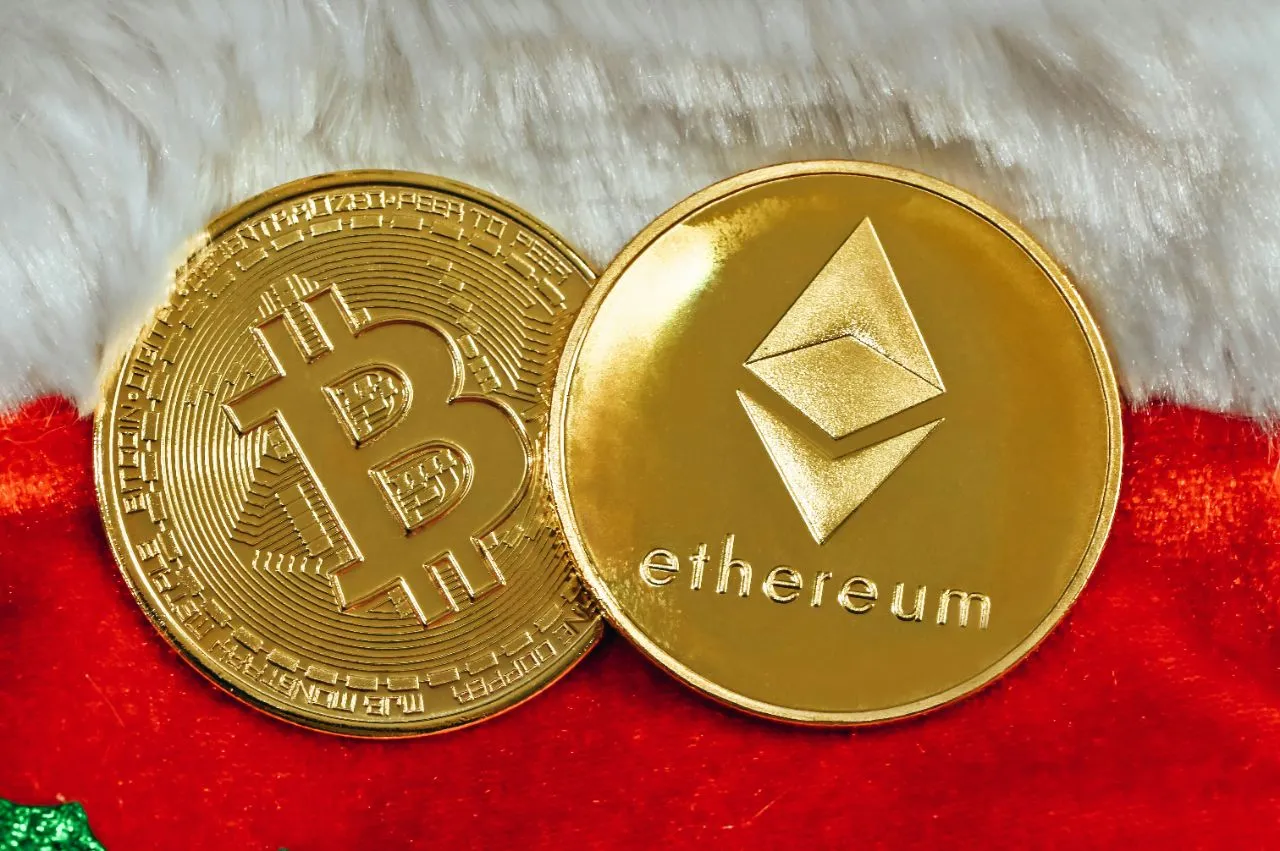
https://asset.coinness.com/en/news/a51b70a73c96c73ac6b53dc00248a1ce.webp
Photo by Traxer on Unsplash

First Chinese bank-affiliated brokerage to add crypto services

The development is significant as it marks the entry of the first brokerage firm directly affiliated with a Chinese bank into the digital assets arena. It takes on further significance due to the importance of its parent company within financial services in Asia.

Recent reports suggest that China Merchants Bank has assets under management (AUM) of RMB 15 trillion, equating to around $2.1 trillion. Headquartered in Shenzhen, the bank is China’s seventh largest in terms of AUM. Compared globally, an S&P Global Market Intelligence report published in 2024 positioned the bank in 25th place by measure of AUM.


CMB International Securities disclosed that it started offering such services on Aug. 18 via a post on the Chinese social media platform WeChat. It explained that the launch followed the company’s acquisition of an upgrade to its existing trading license from Hong Kong’s Securities and Futures Commission (SFC) on July 11, authorizing the brokerage to offer virtual asset trading.


24/7 digital asset trading

The company outlined that it has added virtual asset trading via its mobile application, offering qualified investors 24/7 digital asset trading. Following the launch, eligible investors can now trade Bitcoin (BTC), Ethereum (ETH) and the USDT stablecoin. These professional or eligible investors must open a CMB International Securities cash account before they can commence trading digital assets on the CMB platform.


Given the ongoing ban on crypto trading activity within mainland China, CMB International has to ensure that its product offering doesn’t reach mainland residents. At the time of the company being awarded its virtual assets trading license last month, Hong Kong Web3 Association Co-Chair Joshua Chu spoke to that requirement. He stated:

“By securing this licence, CMBI gains regulated access to Hong Kong’s dynamic crypto market, yet it must operate within strict boundaries that prevent direct mainland participation, reflecting the delicate balance of innovation and legal constraint.”


‘One country, two systems’

“One country, two systems” is a constitutional principle of the People’s Republic of China that enabled the reunification of Hong Kong with China back in 1997. Many believe that while Beijing continues to impose a ban on crypto and hasn’t been vocal in its support of Hong Kong’s embrace of the crypto sector, there is an implied support nonetheless of Hong Kong’s development as a crypto hub.

Hong Kong’s separate system allows China to let it develop as a proving ground for virtual assets. That tacit support has encouraged companies like Beijing-headquartered Tiger Brokers to pursue virtual asset trading licensing within the Chinese autonomous territory. Similarly, Victory Securities, a Hong Kong firm with a significant presence within the mainland Chinese market, has also pursued digital asset-related licensing in Hong Kong.


This isn’t CMB International’s only crypto-related venture. Earlier this month, the company partnered with Singaporean digital asset exchange DigiFT in launching the Hong Kong-Singapore Mutual Recognition Fund. The development marked the first money market fund to be hosted on the Solana blockchain.

 

More to Read
View All
Policy & Regulation·

Aug 29, 2023

OKX and Bybit Exclude Sanctioned Russian Banks from P2P Services

OKX and Bybit Exclude Sanctioned Russian Banks from P2P ServicesIn response to the mounting pressure on crypto firms to improve general compliance standards, prominent digital asset exchanges OKX and Bybit, based in the Seychelles and Dubai, have decided to delist sanctioned Russian banks from their peer-to-peer (P2P) services.Photo by Eduardo Soares on UnsplashThe move by the two exchange platforms, brought to light by Russian media reports, comes just days after Binance had done the same.Tinkoff Bank and Sberbank, two significant Russian financial institutions, have been expunged from the P2P platforms of OKX and Bybit. This effectively removes the option for Russian crypto users to exchange their assets for fiat through these banks. The decision sees the exchanges fall into line with Western sanctions imposed on the banks due to Russia’s actions in Ukraine.Enforcement difficultiesWhile the removal of these banks from the platforms is a significant step, the nature of P2P transactions introduces complexities in enforcing such bans comprehensively. Reports indicate that certain users are still engaging in P2P transactions with these banks through private channels, showcasing the challenges in regulating this decentralized method of exchange.In the case of OKX, at the time of publication, the platform still allows Russian users to receive fiat through accounts held with the Russian Standard Bank and the Russian branch of Raiffeisen Bank.This action aligns OKX and Bybit with Binance, which faced a similar scenario last week. Binance came under scrutiny when it continued to list the sanctioned banks as part of its payment methods. Following a report by The Wall Street Journal, Binance eventually removed the banks from its platform.Binance’s compliance effortsA spokesperson from Binance conveyed that while the banks have been delisted, the company remains committed to ensuring compliance by continuously updating its systems.“We regularly update our systems to ensure compliance with local and global regulatory standards,” they said. “When gaps are pointed out to us, we seek to address and remediate them as soon as possible.”Despite this stance and the latest action it has taken, users on Binance’s P2P platform are still posting ads for the sale of crypto using the “green bank,” referring to the sanctioned banks, as the preferred method of payment.Western-imposed sanctions have led to significant economic challenges in Russia, pushing individuals and institutions towards cryptocurrencies as a potential solution. In a country that has previously banned private cryptocurrencies, the attraction of decentralized digital assets has grown stronger as a means to break through the sanctions-induced financial stranglehold.Sanctions impactReports from Russian financial institutions reveal dramatic declines in profits, some as high as 90%, as they find themselves cut off from the global payments network SWIFT. Tinkoff Bank, for instance, reported a substantial decline of 67% in the second quarter of 2022, attributing the drop to escalating global tensions.In April, the Bank of Russia introduced a bill that could potentially allow cryptocurrencies to be used in international trade, a measure aimed at mitigating the impact of sanctions. While this could potentially open doors for cross-border transactions involving cryptocurrencies, the restrictions on local transactions remain intact.

news
Policy & Regulation·

Mar 05, 2024

Indonesia mulls crypto tax policy review

Indonesia's cryptocurrency regulatory body is urging the government to reconsider its tax policies concerning digital assets. Officials from Indonesia’s Commodity Futures Trading Supervisory Agency (Bappebti) argued last week that the imposition of double taxation on crypto transactions warrants a reevaluation. That’s according to a report which appeared in local news source, Bisnis Indonesia, a Jakarta-based daily newspaper. Currently, cryptocurrencies in Indonesia are classified as commodities, subjecting them to a value-added tax (VAT) of 0.11% and an income tax of 0.1%.Photo by Bisma Mahendra on UnsplashProposed changes in 2025Tirta Karma Senjaya, the head of Bappebti, the Indonesian Commodities and Futures Trading Regulatory Authority, highlighted that the classification of cryptocurrencies as commodities might undergo changes in 2025. This potential shift is due to the planned transfer of crypto oversight from Bappebti to the Southeast Asian country’s financial services authority, OJK.It had been speculated that the switch of oversight would potentially reclassify digital assets as securities. With that change would come a necessary adjustment to the applicable tax policy. Tirta suggested that given that cryptocurrencies are expected to be integrated into the financial sector by January 2025, he urged the Tax Director General to reconsider these tax rates. The regulatory body head added that it’s been over a year since the implementation of these rules. With that, tax policies typically undergo annual reviews. Accommodating crypto’s developmental stateAddressing an event in Jakarta, the regulatory body head emphasized the nascent stage of the crypto industry and its regulatory framework. Consequently, he advocated for providing the industry with leeway to mature until it becomes a substantial contributor to national revenue. In response to Bappebti's call for a reassessment of crypto taxes, Dwi Astuti, a spokesperson for the Ministry of Finance, assured that the Ministry would consider input from both industry stakeholders and the public. "We welcome input from Bappebti and the public. It will certainly be discussed internally," remarked Astuti during a media interaction last week. 2023 crypto tax take slumpThe existing tax structure for cryptocurrencies has been in effect since April 2022, generating approximately $2.49 million in revenue in January 2024. In contrast, Indonesia recorded $41.2 million in crypto tax revenue in the previous year. However in 2023, the country witnessed a decline of 63% in crypto tax revenue compared to the previous year, despite Bitcoin's remarkable surge of approximately 160% during that period. Local crypto exchanges such as INDODAX had attributed the significant drop in trading volume throughout 2023 directly to hefty taxes, expressing concerns that it would drive users towards foreign exchanges. Hasan Fawzi from the Ministry of Finance highlighted the trend of decreasing crypto asset transaction values in 2023. Nonetheless, he noted that the number of crypto asset customers continued to rise, reaching 18.06 million users throughout the year. The crypto sector is seen as having a lot of potential in Indonesia. Last October data released by Bappebti suggested robust growth of the crypto investment landscape within the country. Over the space of a year, Indonesia had seen a 10.1% growth in the number of crypto investors. That data may not have been lost on the country’s politicians as in December, crypto featured as an election campaign issue.

news
Web3 & Enterprise·

Jul 21, 2023

Bitget Targets MENA Business Expansion

Bitget Targets MENA Business ExpansionBitget, the Seychelles-based cryptocurrency derivatives exchange, is setting its sights on the Middle East and North Africa (MENA) as the region emerges as a fast-growing crypto hub.The firm announced its expansion plans via a press release which was published on Thursday. With countries like the United Arab Emirates (UAE) and Bahrain embracing crypto, more exchanges are taking notice and entering the market. Bitget has now joined the ranks of a series of crypto companies seeking to establish a foothold in the region.Photo by Kyle Glenn on UnsplashIncreasing crypto adoption and interestCiting the region’s impressive crypto adoption rate, which accounted for 9.2% of global transactions between 2021 and 2022, Bitget is capitalizing on the growing interest in digital assets. The UAE alone experienced a remarkable 400% increase in registered crypto businesses over two years, driving a surge in global digital asset trading by 10%. Moreover, blockchain-related educational programs have tripled in the region, which contributes to 8% of the overall mining hash rate. All of these are creating a favorable environment for Bitget’s expansion.Dubai officeTo support its entry into the Middle East, Bitget has opened an office in the heart of Dubai and has already hired 60 new employees for various mid and back-office positions. The company aims to scale its Middle East team further, with plans to hire 30 to 60 more professionals over the next two years.Bitget is not alone in recognizing the potential of the Middle Eastern market. Bybit, another major cryptocurrency exchange, recently obtained local licenses to operate in the digital assets space in the UAE, having moved its global headquarters to Dubai in April.OKX, one of the largest exchanges by volume, also received a Minimal Viable Product (MVP) Preparatory License from the Dubai Virtual Assets Regulatory Authority (VARA). Binance is also eyeing the Middle East, with Binance Dubai poised to become the primary focus for the company’s development efforts, given regulatory challenges in Europe and the US.Global expansion strategyBitget’s expansion into the Middle East is part of its broader global scaling strategy. The company has already registered as a Virtual Asset Service Provider (VASP) in Poland and Lithuania, and it launched a localized Turkish website earlier this year.Founded in 2018, Bitget boasts a user base of over 8 million users across more than 100 countries, offering copy trading services. The company’s move to the Middle East showcases its determination to tap into new markets and solidify its position as a global player in the cryptocurrency exchange landscape.There’s been a lot going on at Bitget in recent months, in addition to these regional expansion plans. In May the company announced a corporate social responsibility project named “Blockchain4Youth,” cleverly identifying the importance of connecting with the younger demographic which is far more likely to drive crypto and blockchain adoption.Earlier this month it launched a crypto loans product offering while last week it provided transparency via its proof of reserves initiative, demonstrating a 223% level of reserves and outlining that the company is debt free.

news
Loading