Top

Regulatory clarity spurs traditional brokerages’ interest in Hong Kong

Policy & Regulation·February 21, 2024, 5:37 AM

In less than a year since Hong Kong regulators gave the green light to crypto exchanges, there's been a noticeable surge of interest among traditional financial institutions and brokerages eager to secure their digital asset licenses for trading.

https://asset.coinness.com/en/news/f497817c606ec3a8736ff7b1091bf3a5.webp
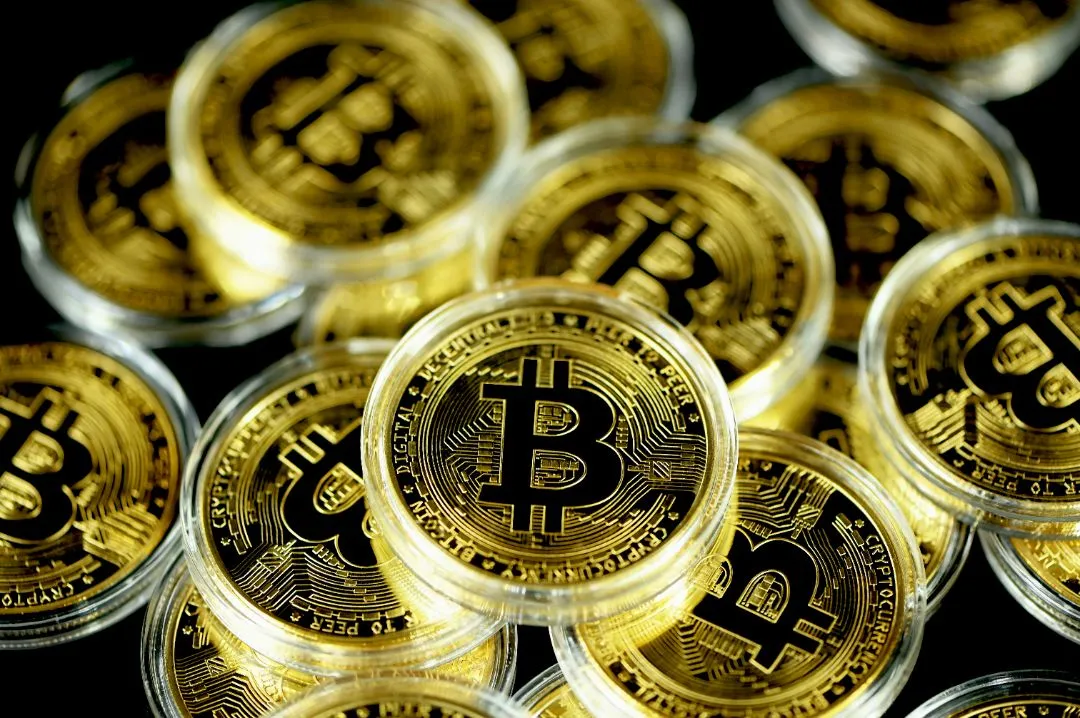
Photo by Florian Wehde on Unsplash

Tiger Brokers

Tiger Brokers, a Beijing-headquartered one-stop trading brokerage with nine million international customers, offers one such example. The firm upgraded its Type 1 Hong Kong Securities & Futures Commission (SFC) license in January to include crypto trading for professional investors and financial institutions based in Hong Kong. The move followed an uptick in interest from mainland China-based firms in Q4, 2023.

In a recent interview with Cointelegraph, John Fei Zeng, the CFO and director of Tiger Brokers, revealed that the firm currently boasts 865,500 funded accounts in Hong Kong, managing $18.9 billion in assets. Zeng stated:


"Residents of Hong Kong will be able to trade virtual assets such as Bitcoin and Ethereum alongside stocks, options, futures, funds, and ETFs [Through Tiger Trade]." He explained that as part of the firm's expansion plans, additional digital assets will be evaluated.


HKMA guidance on crypto custody

As a testament to the regulatory clarity that has attracted firms like Tiger Brokers, on Tuesday Hong Kong's central bank issued guidance for authorized institutions interested in offering custody services for digital assets. The Hong Kong Monetary Authority (HKMA) outlined comprehensive risk assessment procedures and emphasized the importance of robust policies, oversight, and resource allocation to manage custodial activities effectively.


Notably, the HKMA's guidance seeks to address concerns stemming from recent industry mishaps, including the collapse of FTX, Terra and Three Arrows Capital (3AC), by mandating stringent safeguards to protect clients' digital assets from theft, fraud or misappropriation. Key requirements include independent systems audits, secure storage practices and transparent record-keeping, underscoring the regulator's commitment to fostering trust and stability in the digital asset ecosystem.


Victory Securities

In a similar move to that of Tiger Brokers, Victory Securities, another Hong Kong brokerage, secured a license from the SFC last November to offer crypto trading services for retail investors. The company reported a significant surge in virtual asset transactions and new customer acquisitions, prompting plans to introduce trading discounts to incentivize compliant and safe virtual asset trading services.


Moreover, OSL, a licensed Hong Kong crypto exchange, joined forces with Interactive Brokers in November 2023, enabling the latter to offer bitcoin and ether trading to retail investors through its platform. Further underscoring the evolving regulatory landscape, crypto exchange Bybit submitted a retail trading license application in Hong Kong, indicative of the sector's continued growth and maturity.


Nevertheless, navigating the regulatory framework isn't without its challenges. Web3 firms eyeing Hong Kong may need to invest up to $25 million in corporate infrastructure and compliance to secure licensing approval, reflecting the stringent requirements imposed by regulators.


As Hong Kong continues to refine its regulatory framework and enhance investor protections, the stage is set for further collaboration between traditional financial institutions and emerging crypto players within the Chinese autonomous territory.

More to Read
View All
Policy & Regulation·

Dec 27, 2023

Ripple exec: regulatory priority as focus shifts to tokenization in APAC

While the digital assets space moves at a blistering pace, the Asia Pacific (APAC) region is on the brink of a substantial regulatory transformation, with a focus on tokenization as we enter 2024.Photo by CHUTTERSNAP on UnsplashContinued regulatory focusThat’s according to Rahul Advani, Ripple’s Singapore-based Policy Director for the Asia-Pacific (APAC) region. The Ripple Labs Executive expressed his thoughts as part of a series communicated by the company last week on social media, emanating from some of its top tier executives. This shift comes amid growing interest in tokenized assets within and beyond traditional financial markets. In setting out his thoughts, Advani reflected on the APAC region’s regulatory focus on achieving clarity for crypto in 2023. Throughout the year, there has been an emphasis on consumer protection, retail investor safeguards, market integrity and business conduct requirements. This regulatory momentum is expected to continue into 2024, particularly concentrating on enhancing retail protections. Shift towards tokenizationThe Ripple Policy Director highlighted tokenization, which converts assets into digital tokens, as an item that is experiencing increased adoption. Notable collaborations, such as Iota’s partnership with Fireblocks to streamline asset tokenization, highlight its relevance in both crypto and traditional finance. The United Kingdom’s venture into fund tokenization further exemplifies this cross-industry trend. Ripple itself has been moving further towards real-world asset (RWA) tokenization. In September, an influential pseudonymous account on X underlined how Ripple was preparing itself to get further involved in asset tokenization. The account stated: “#Ripple now owns properties that can build the infrastructure for exchanges, companies, wallets and apps to connect to fiat rails, banks, trusts, retirement plans, etc., to tokenize real world assets and hold them in safe, compliant ways.”In May the company collaborated with the Hong Kong Monetary Authority (HKMA) on a pilot program with the objective of showcasing an RWA tokenization solution. APAC to advance CBDC and stablecoin developmentIn the stablecoin sector, where digital assets are pegged to stable values, APAC is positioned to lead in regulatory efforts, according to the Ripple executive. While some regions are still formulating stablecoin regulations, Advani envisions more APAC jurisdictions providing the necessary regulatory clarity to foster innovation while ensuring consumer safety. In the broader context, Advani anticipates more focused efforts towards the development and implementation of central bank digital currencies (CBDCs), emphasizing the need for a shift from speculative hype cycles. He wrote: “In the coming year, we also foresee a regional trend that involves a more focused effort on developing CBDCs. Stablecoins will continue to be a regulatory priority, with an emphasis on ensuring a high degree of value stability.” The forecast underscores the dynamic regulatory landscape in APAC, where regulators must delicately balance fostering innovation, safeguarding investors and maintaining market stability. Striking this balance will be a defining aspect of the regulatory narrative in 2024. Advani’s thoughts were offered by Ripple alongside those of some of his colleagues at the company, such as the enterprise blockchain firm’s APAC region Managing Director Fiona Murray. These predictions from Ripple executives collectively offer insights into the evolving regulatory landscape and industry dynamics as we approach 2024.

news
Web3 & Enterprise·

Aug 03, 2023

KuCoin Halts Bitcoin and Litecoin Mining Pools Amidst Strategic Shift

KuCoin Halts Bitcoin and Litecoin Mining Pools Amidst Strategic ShiftIn an announcement on Tuesday, Seychelles-based cryptocurrency exchange KuCoin revealed its decision to temporarily suspend its Bitcoin and Litecoin mining pools, effective from 16:00:00 on August 15, 2023 (UTC).Photo by Traxer on UnsplashChanging business strategyThis move is attributed to KuCoin’s evolving business strategy, although specific details remain undisclosed. The exchange expressed its regret for any inconvenience caused and extended gratitude for users’ continued support.It appears that the company wants to focus on core business activities and for that reason, it’s terminating its mining pool activity. That said, the discontinuation was described in its statement as being “temporary” although that has been left open-ended with no indication of if or when it would bring the service back into operation.The company is open to the idea of revisiting the facilitation of mining pools in the future. “We will see if it is needed to restart based on the market and users’ demand in the future,” a spokesperson for the company told The Block.To ensure miners’ uninterrupted earnings during the suspension, KuCoin advised users engaged in cryptocurrency mining to transition their Bitcoin (BTC) and Litecoin (LTC) miners to alternative mining pools before the specified suspension date. Additionally, the exchange emphasized the importance of backing up and preserving mining records and related data, recommending users complete these actions before August 27.Presently, the KuCoin Bitcoin mining pool maintains a hash rate of 9.08 exahash per second (EH/s), while the Litecoin pool operates at 3.90 terrahash per second (TH/s). These figures contribute to the broader hash rate landscape, where the entire Bitcoin network boasts a hash rate of 349.19 EH/s, compared to the Litecoin network’s 792.16 TH/s.Workforce reductionIt is clear that the company is in the process of adjusting to current market conditions. Last week, rumors surfaced of a plan to effect a workforce reduction. That prompted KuCoin’s CEO Johnny Lyu to respond, clarifying that the exchange’s operations are running smoothly. Dismissing layoff speculation, Lyu highlighted the exchange’s steady expansion and strong growth as demonstrated by the H1 2023 report. The report showcased an increase in users and new listings, underscoring the platform’s vitality and development.Mandatory KYCIn recent months, KuCoin has also implemented mandatory Know Your Customer (KYC) requirements, obligating users to undergo verification processes. Existing customers who fail to complete KYC procedures will be unable to make deposits. With over 20 million registered accounts, the exchange felt that it needed to improve on its level of regulatory compliance and security measures.It’s highly likely that an action taken by authorities in New York in the United States in March prompted KuCoin’s decision to tighten up on KYC. At that time, the New York Attorney General said that action was being taken against KuCoin due to its failure to register as a securities and commodities broker-dealer.As KuCoin undergoes these changes, the suspension of its mining pools raises questions about the broader implications for its business strategy and the potential impact on miners within its ecosystem. That said, the firm is not alone in making changes, with most crypto exchanges having had to adjust to a business and regulatory environment that has changed considerably since the 2021 crypto bull run.

news
Policy & Regulation·

Apr 26, 2023

Terraform Labs Co-Founder Indicted in South Korea

Terraform Labs Co-Founder Indicted in South KoreaTen individuals linked to the Terra USD collapse have been indicted in South Korea on charges associated with violations of capital markets law, including the Co-Founder of Terraform Labs, Daniel Shin. That’s according to a report published by Bloomberg on Tuesday.©Pexels/Donald TongTwo of the ten were charged with breach of trust while the remaining eight, including Shin, were charged with illegal trading. Prosecutors confirmed that all of the charged individuals have ties to Terraform Labs, the company responsible for developing the Terra protocol, and the Terra USD (TUSD) stablecoin and Luna cryptocurrency which collapsed in 2022.It’s understood that the ten individuals were also accused of illegal disclosure of clients’ payment information and the embezzlement of corporate funds. The authorities have claimed that the ten individuals are responsible for causing “astronomical damage” to investors. They estimate that all ten of them took 463 billion won, around $347 million, in profit.Business interestsShin co-founded Terraform Labs with Do Kwon in 2018. He left the project in 2020, long before its spectacular failure in 2022. However, he would have profited considerably from the project. Prior to co-founding Terraform Labs, Shin had founded lifestyle commerce company TMON in 2010. Two years later, he founded venture capital and private equity firm, Fast Track Asia while in 2017 he was a founding partner of another venture capital and private equity firm, Bass Investment.He remains involved in all of those other businesses. Furthermore, Shin founded integrated payments firm PortOne Global in January 2020, immediately upon exiting Terraform Labs. He remains CEO of PortOne Global today.$185 million frozenOn Tuesday, the Seoul Southern District Prosecutor’s Office outlined that it had frozen assets to the value of 246.8 billion won, approximately $185 million, belonging to those that it has brought charges against. South Korean authorities had previously acknowledged a difficulty in seizing assets related to Terraform Labs Co-Founder Do Kwon. It’s understood that a transfer of funds from Do Kwon to a prominent South Korean law firm is being investigated. Otherwise, the search for funds has led them overseas where it’s understood that Do Kwon purchased real estate in his mother’s name in the United States in a bid to evade asset confiscation.Free pending trialShin remains at liberty pending trial. Back in December, a South Korean court turned down a request to arrest him on the basis that he wasn’t likely to destroy evidence and wouldn’t pose a flight risk.That hasn’t proven to be the case where his former colleague Do Kwon is concerned. Do Kwon fled to Montenegro where he was recently charged with having entered the country on false documents. Both South Korea and the United States have formally applied for his extradition. In the United States, the Securities and Exchange Commission (SEC) has sued both Do Kwon and Terraform Labs. Terraform Labs subsequently submitted a request to the courts in the US to dismiss the lawsuit, claiming the SEC lacks jurisdiction.

news
Loading