Top

Four in 10 wealthy UAE investors hold crypto, survey finds

Markets·October 30, 2025, 6:51 AM

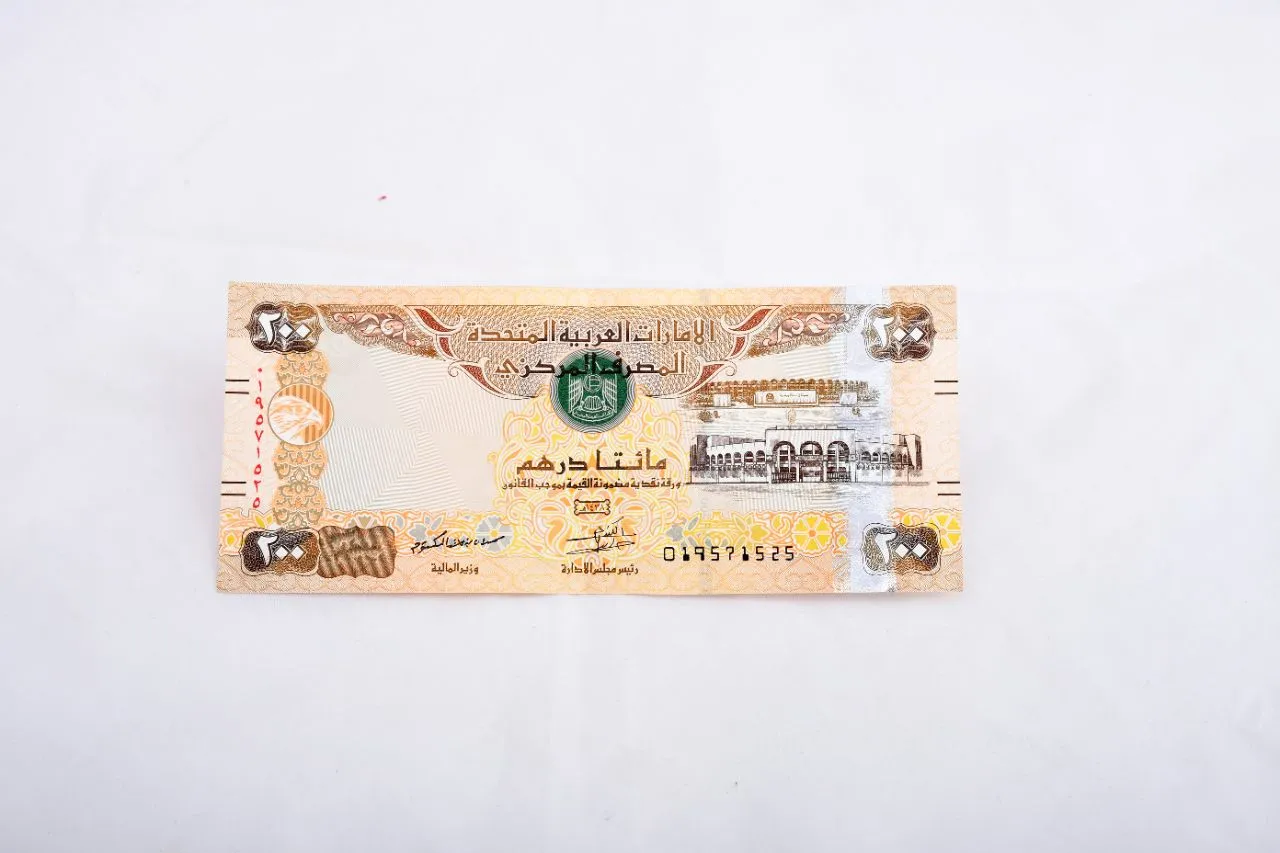
Wealthy investors in the United Arab Emirates (UAE) are warming to cryptocurrencies while largely bypassing traditional private banks, a new survey shows. The poll, conducted by Swiss wealth manager Avaloq and reported by CoinDesk, found that roughly four in 10 high-net-worth individuals in the country hold digital assets, though only about 20% used conventional wealth managers to make such allocations. The survey gathered responses from 3,851 investors and 456 wealth professionals.
https://asset.coinness.com/en/news/08e30cc0f3261d8e763c3c6d99f107ec.webp
Photo by Atikah Akhtar on Unsplash

A rising tide in crypto wealth

The findings land amid a broader run-up in crypto fortunes. Henley & Partners’ 2025 Crypto Wealth Report, published in September, estimates 241,700 crypto millionaires worldwide this year—about 40% more than in 2024. Even so, UAE respondents in Avaloq’s poll voiced caution, citing the market’s sharp swings as a primary deterrent.


Operational hurdles compound that wariness. Managing wallets, safeguarding private keys, and arranging custody remain friction points for would-be buyers. Among those who remain on the sidelines, Avaloq found that volatility topped the list of deterrents (38%), followed by limited understanding (36%) and distrust of trading platforms (32%).


Younger cohorts drive crypto uptake, advisor shifts

Family dynamics are increasingly driving crypto adoption. Younger members of ultra-wealthy households are introducing parents and grandparents to digital assets, Avaloq’s UAE survey found. Meanwhile, 63% of investors have either changed wealth managers or are considering doing so, often because they feel their questions about crypto are not being adequately addressed. Akash Anand, head of Middle East and Africa at Avaloq, described the moment as one of growing client curiosity met by a slow institutional response, prompting private banks to accelerate work on digital asset services.


Dubai’s growing role as a crypto hub will again be on display in December, when it hosts Binance Blockchain Week 2025. The two-day conference, slated for Dec. 3–4, features appearances by Binance co-founder Changpeng Zhao, Strategy Chairman Michael Saylor, Ripple CEO Brad Garlinghouse, and Solana Foundation President Lily Liu. A debate between Zhao and long-time crypto skeptic Peter Schiff on Bitcoin’s merits versus tokenized gold is also expected, after Zhao invited Schiff to participate via X.


Combined, the survey data and recent developments depict a UAE wealth market in the early stages of engagement with digital assets. While enthusiasm is building among younger investors and high-profile initiatives continue to draw attention, concerns about volatility and management complexity remain barriers to entry. The extent to which established wealth firms and new entrants can address those concerns will shape the next phase of the market’s growth.


 

More to Read
View All
Web3 & Enterprise·

Sep 12, 2023

Coinbase Affirms Commitment to India Despite Disabling Sign-Ups

Coinbase Affirms Commitment to India Despite Disabling Sign-UpsLeading US-based cryptocurrency exchange Coinbase announced on Monday that it has temporarily disabled new user sign-ups for its exchange platform in India.A report emerged via India’s English-language business daily The Economic Times on Monday which stated that Coinbase was stopping “all services” for Indian users.Photo by Big G Media on UnsplashClarification of a misunderstandingIt appears that Coinbase sent emails to a subset of its Indian customers, notifying them of the cessation of exchange operations in the country by September 25. However, a more recent report by TechCrunch outlined that Coinbase has provided further clarification that these emails were sent exclusively to customers who did not meet the updated standards set by the company.On that basis, these messages do not affect and are not relevant to the majority of Coinbase users in India. The email further advised affected users to transfer their funds from the platform by the specified date.A Coinbase spokesperson communicated to TechCrunch via email, stating:“We stopped allowing new user sign-ups on our exchange product in India back in June of this year. We maintain a robust tech hub in the country and offer live products, including our Coinbase Wallet. We are committed to India over the long term.”Coinbase’s proprietary exchange app in India reportedly boasts fewer than 50,000 monthly active users, as indicated by data from Sensor Tower, shared by an industry executive.Difficulty in cracking Indian marketDespite its aspirations, Coinbase has been unable to make headway with local authorities since launching its exchange in India over a year ago. The lack of progress with local officials has proven frustrating for company executives, including Durgesh Kaushik, who joined Coinbase last year as the Senior Director for Market Expansion, only to leave the company within a couple of months.Coinbase’s CEO, Brian Armstrong, made a visit to India last year to launch the exchange service by adding support for India’s popular payment instrument, the Unified Payments Interface (UPI). Unfortunately, the body overseeing UPI immediately denied Coinbase’s recognition, leading Coinbase to suspend support for the payment system shortly thereafter.UPI has proven to be a runaway success in India. Consequently, being able to access and integrate with it would be very important in providing Coinbase’s Indian customers with the means of on-ramping and off-ramping between the exchange and fiat currency. Coinbase affirmed its commitment to collaborating with the National Payments Corporation of India (NPCI) relative to UPI but these efforts simply have not borne fruit.RBI pushbackIn May of the same year, Armstrong disclosed that Coinbase had to halt its trading service in India due to “informal pressure” from the Reserve Bank of India (RBI), the nation’s central bank. Armstrong pointed out that cryptocurrency trading isn’t illegal in India — in fact, the country had recently imposed taxation on it. However, there were elements within the government, including the RBI, that appeared less enthusiastic about cryptocurrencies and were exerting “soft pressure” behind the scenes.Notably, other Indian cryptocurrency exchanges like CoinDCX and CoinSwitch remain operational, but they’ve had their own struggles in their own local market. In August CoinSwitch downsized its headcount, citing a 30% tax on crypto gains and a 1% tax deducted at source (TDS) on transactions as contributing factors. That same month, CoinDCX cut its headcount by 12%.

news
Web3 & Enterprise·

Mar 02, 2024

OKX adds Uniswap in bid to eliminate gas fees

Leading crypto exchange OKX has announced the seamless integration of Uniswap Labs' application programming interface (API) into its decentralized exchange (DEX). The objective of the Uniswap addition is to usher in an era of gas-free trading through its innovative feature called "Snap” for OKX service users. Snap trading modeThe company made the announcement by way of a PR Newswire press release on Feb. 29. OKX asserts that Uniswap is one of the most trusted names in DeFi. As part of the integration, the Snap trading mode will be included as a feature on OKX DEX, with the objective of aggregating Uniswap’s liquidity.The feature operates directly on the OKX DEX interface by way of the UniswapX protocol. UniswapX is an immutable smart contract built with the intention to be fully permissionless. The contract cannot be modified or paused by anyone, including Uniswap Labs. Liquidity providers pay the feeIn explaining away the technology, Jason Lau, the chief innovation officer at OKX told Cointelegraph the mechanics behind the no-fee swaps. Lau unveiled a novel model wherein liquidity providers absorb transaction fees on behalf of users. He asserted that this approach not only enhances convenience but also facilitates cost savings for traders. Lau elaborated further, stating: “By agreeing to a price and signing a transaction off-chain, then settling the transaction on-chain, users end up paying no gas fees because the liquidity providers will pay the fee on the user’s behalf.”Photo by Shubham Dhage on UnsplashGoing beyond trading fee reductionAnticipating a positive response from DeFi enthusiasts, Lau highlighted additional features that go beyond transaction fee savings. These include the elimination of slippages, maximum extractable value (MEV) bot attacks and transaction failures, addressing prevalent concerns within the DeFi space.In tandem with the gas-free trading initiative, OKX announced a seamless integration for its wallet users within the Uniswap interface, courtesy of the Multi-Injected Provider Discovery upgrade on Ethereum, based on Ethereum Improvement Proposal (EIP)-6963. This enhancement extends to all browser extension wallets, enabling OKX wallet users to seamlessly connect with Uniswap, facilitating activities such as cryptocurrency swapping, NFT trading, liquidity pool participation and decentralized application (dApp) development. Positioning this integration as a pivotal addition to their ecosystem, Lau reiterated OKX's commitment to broadening user access to diverse on-chain use cases. He expressed enthusiasm for ongoing development initiatives and urged users to actively contribute feedback for further enhancements. The crypto exchange platform achieved further technical progress recently, with the addition of support for atomicals, runes, doginals and stamps to its Web3 wallet. Providing further detail on these additions last month, the company said that they were part of a "first-to-market" initiative relative to Bitcoin NFTs. Alongside technical advancements like these, earlier this week it emerged that the company was further advancing its market expansion strategy, through the launch of OKX TR, its Turkish platform. With OKX pioneering gas-free trading and bolstering user accessibility to decentralized finance, the convergence of traditional finance and blockchain technology accelerates, indicating an ongoing transformative shift in the crypto space.

news
Markets·

Dec 08, 2023

CarrieVerse token CVTX listed on Bitget

CarrieVerse token CVTX listed on BitgetWeb3 metaverse and NFT platform CarrieVerse’s governance token CVTX will be listed on global cryptocurrency exchange Bitget on Dec. 13, according to an article published by South Korean news outlet Money Today. This is the eighth exchange listing for the altcoin, following Gate.io, GOPAX, BingX and more. This comes as part of the platform’s efforts to expand its Web3 ecosystem.Photo by Maxim Hopman on UnsplashCVTX’s versatilityBuilt on Polygon, CVTX is integrated into the tokenomics ecosystem of CarrieVerse and its card strategy role-playing game (RPG) SuperKola Tactics. It is also the governance token for the CarrieVerse blockchain gaming platform Cling. CVTX can be traded for USDT on all of the exchanges it is listed on except for GOPAX, which offers a CVTX/KRW pair. KRW stands for Korean won.Global expansionLast month, CarrieVerse also joined the Dubai Multi Commodities Centre (DMCC), the UAE’s largest free-trade zone for blockchain and crypto companies, as a metaverse service provider. The platform has received approval to set up a local subsidiary there, which will serve as a base to expand its ecosystem, particularly in the Middle East and North Africa (MENA) region.“The market value of CarrieVerse and CVTX is expected to significantly increase once the platform is released in target regions. This will serve as a foundation for more listings on major domestic and international exchanges,” the company said, adding that its number of daily active users has exceeded 5,000.Bitget’s substantial presenceBitget is a cryptocurrency derivatives exchange registered in Seychelles, with global offices in Japan, South Korea, Canada and more. As one of the top ten derivatives exchanges in the world according to CoinMarketCap, Bitget handles over five million users and more than 500 cryptocurrencies. It is also registered on South Korea’s two largest exchanges, Upbit and Bithumb, as a market that facilitates deposits and withdrawals after the implementation of the crypto Travel Rule. The Travel Rule, enforced by the intergovernmental Financial Action Task Force, states that VASPs must share personal information about customers when facilitating crypto transactions that exceed a certain amount as a means of preventing related crimes.

news
Loading