Top

Leading Chinese gaming company lines up $100M crypto investment

Web3 & Enterprise·November 18, 2023, 12:37 AM

As yet another indicator of the rising trend of institutional crypto investments, China’s premier board and card game company, Boyaa Interactive, has unveiled plans to invest up to $100 million in cryptocurrency assets, with a focus on Bitcoin (BTC) and Ethereum (ETH).

News of Boyaa’s plans emerged following a disclosure from the Hong Kong Exchanges and Clearing Limited, which stated that the company will distribute notices regarding its crypto investment plans during an extraordinary general meeting (EGM). The relevant details are expected to have been supplied to shareholders on or before Nov. 30. The company has emphasized its intention to ensure transparency while adhering to listing rules throughout this process.
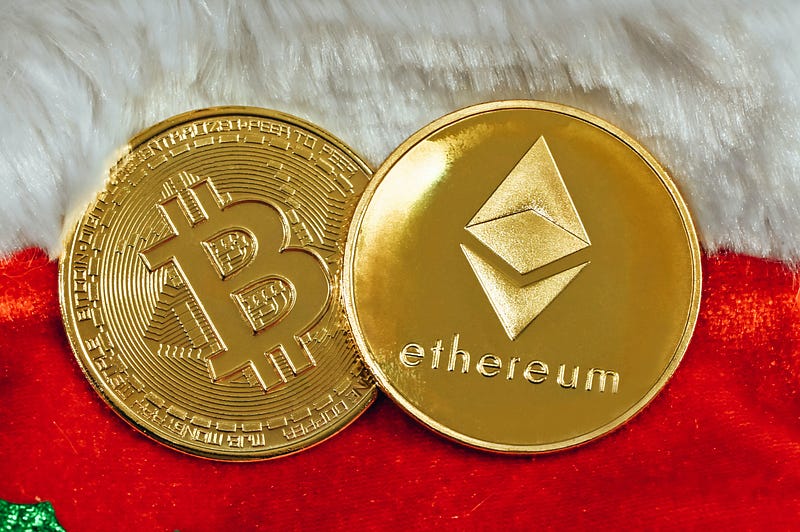
Photo by Traxer on Unsplash


Digital asset acquisition over a 12-month period

The decision to delve into the world of cryptocurrencies aligns with Boyaa Interactive’s commitment to strengthening its presence in the evolving Web3 landscape, as highlighted by the company’s board of directors. The proposal outlines a comprehensive strategy to acquire the assets over a 12-month period, pending approval at the upcoming EGM.

The planned acquisition involves allocating approximately $90 million equally between Ethereum and Bitcoin. The remaining $10 million is earmarked for stablecoins Tether (USDT) and USD Coin (USDC). Boyaa Interactive asserts that the actual acquisitions will depend on open market conditions, with a commitment not to pay premiums exceeding 10% of prevailing market prices. Funding for this initiative will be sourced from the company’s existing cash reserves.

The board will play a crucial role in determining the specific cryptocurrencies to acquire, their allocation ratios and the optimal timing for purchase. The emphasis is on prudent risk management, aligning with Boyaa’s business development strategies.


Diversification strategy

The company justifies its choice of Bitcoin and Ethereum by citing their alignment with its long-term development goals. In the document, Boyaa Interactive highlights the importance of investing in cryptocurrencies with robust market liquidity and substantial market values. Bitcoin, Ethereum, USDC, and USDT, chosen for their high market liquidity, align seamlessly with Boyaa’s strategic vision.

In its stock exchange filing, it justifies these plans on the basis of a desire to diversify its holdings. The document reads:

”[The] purchase of cryptocurrencies is also an important arrangement for the Group’s asset allocation, as allocating part of the Group’s idle reserve funds in cryptocurrencies can serve as a diversification to holding cash in treasury management, and a measure to balance investment risks and returns.”


Growing asset acceptance

The move into the cryptocurrency market comes at a time when institutional investors are increasingly flocking to major assets like BTC and ETH. Reports indicate significant inflows of institutional funds into these cryptocurrencies, setting the stage for what appears to be an extended bull market.

Boyaa first showed an interest in holding crypto on its balance sheet back in August when it proposed allocating $5 million towards cryptocurrency investment. The company following up with a $100 million investment serves as a testament to the growing acceptance and integration of cryptocurrencies within mainstream business strategies.


More to Read
View All
Web3 & Enterprise·

Jul 28, 2023

BlackRock Investment Marks its Return to India

BlackRock Investment Marks its Return to IndiaBlackRock, the world’s largest money manager with $9.4 trillion in assets under management, has made a significant move by joining forces with the financial services arm of Indian tycoon Mukesh Ambani.This strategic partnership aims to tap into India’s rapidly growing asset management market and marks BlackRock’s return to the country following a six-year absence.The collaboration between BlackRock and Jio Financial Services, a company built by Reliance Industries Limited, will establish a 50–50 joint venture called Jio BlackRock. BlackRock announced the collaboration via a statement published to its website on Wednesday.Photo by Naveed Ahmed on Unsplash$300 million investmentBoth companies plan to invest up to $150 million each in this venture. Larry Fink, BlackRock’s Chairman and CEO, articulated his satisfaction regarding the partnership in a LinkedIn post, emphasizing the significance of expanding BlackRock’s presence in India.Mukesh Ambani, the Founder and Chairman of Reliance Industries, is India’s richest man with a net worth believed to be in the region of $90.6 billion. The conglomerate is the country’s largest listed company by market share. Collaborating with BlackRock will likely strengthen its position in the financial services sector.The joint venture aims to leverage BlackRock’s expertise in investment and risk management, combined with Jio Financial Services’ technological capabilities and deep market knowledge. The objective will be to provide “tech-enabled access to affordable, innovative investment solutions” for Indian investors. With rising affluence, favorable demographics, and the ongoing digital transformation across industries in India, the market is undergoing a significant shift.Potential implications for cryptoThis move comes shortly after Jio Financial Services was spun off from its parent company, Reliance Industries. The digital-first service is focused on delivering innovative investment solutions to cater to the growing needs of Indian investors.While there’s absolutely no mention of crypto relative to this announcement, it may still have implications for crypto in India. BlackRock has progressed from taking a dim view of Bitcoin and crypto to now turning towards this new asset class. It recently filed an application to launch a bitcoin exchange-traded fund (ETF) in the United States. That move is considered highly significant by most market commentators.Given that Jio Financial takes a digital-first approach and that the idea of the partnership is to bring the latest financial products to retail customers in India, there’s potential for this new entity to bring digital asset-related products to that market.Indian market re-entryBlackRock’s re-entry into India’s asset management industry is not the first attempt by the US investment management firm. In 2018, BlackRock exited the Indian market by selling its 40% stake in an asset management venture to partner DSP Group, but the company recognizes the enormous potential that India presents.Over the past five years, assets under management of Indian mutual funds have doubled, reaching 44.39 trillion rupees ($542 billion) by June this year. The exponential growth in this sector highlights the immense opportunities India offers to global asset managers like BlackRock.While the launch of the joint venture is subject to closing conditions and regulatory approvals, the collaboration between BlackRock and Jio Financial Services appears to be poised to unlock the power of investing for millions of people in India.

news
Web3 & Enterprise·

Nov 15, 2024

Coincheck to become first Japanese crypto exchange to list on Nasdaq

Coincheck, a subsidiary of Monex Group, a Tokyo-based global financial services firm, has gained U.S. Securities and Exchange Commission (SEC) approval to become the first Japanese crypto exchange to list on the Nasdaq, an American stock exchange.Photo by Denys Nevozhai on UnsplashSPAC mergerThe approval by the U.S. regulator was filed on Nov. 13. The listing has been enabled due to the company’s decision to enter into a merger with a special purpose acquisition company (SPAC), namely Thunder Bridge Capital Partners (TBCP).  A SPAC raises money through an initial public offering (IPO) to either acquire or merge with an existing company. Opting for a SPAC means that Coincheck can forego a lot of the time and expense that would be necessary if it attempted to effect an IPO on its own. Parent company Monex Group published a statement outlining that Coincheck CEO Yuko Seimei had “been diligently preparing for listing its common stock on the Nasdaq Global Market (“Nasdaq”) through a previously announced business combination with Thunder Bridge Capital Partners.” Possible Nasdaq listing on Dec. 10 In a press release issued by TBCP, the company claimed that the proposed merger is anticipated to close on or about Dec. 10, 2024. That eventuality is subject to stockholder approval, Nasdaq approval and specific closing conditions. Consequently, Coincheck’s Nasdaq listing could potentially happen as early as Dec. 10. TBCP is holding a shareholder vote on the merger on Dec. 5. If all conditions are satisfied to pave the way for listing, the company’s stock will be listed using CNCK as the Nasdaq stock ticker. Once the merger and Nasdaq listing have been accomplished, Coincheck will still remain a subsidiary of Monex Group. The merged business will gain access to $237 million, held in trust by TBCP, with Monex retaining an 82% stake in the company. Furthermore, Thunder Bridge CEO Gary Simanson will lead the new company. The $1.25 billion merger had been in the works since 2022, having faced multiple delays on the path towards merger completion and Nasdaq listing. Coincheck finally filed with the SEC to merge back in May. Parent company Monex has other interests in the digital asset sector beyond its involvement with Coincheck. Last December the company acquired a majority stake in 3iQ Digital Holdings, a Canadian crypto asset management company.Monex has just launched a new brand, Monex Web3, comprising of Monex’s Web3 business portfolio. It also offers a Web3 consulting business, using its local know-how to guide Web3 startups in entering the Japanese market. Coincheck has also engaged in partnerships to assist other firms in gaining access to the Japanese market. Earlier this year the leading Japanese crypto exchange partnered with USD Coin (USDC) stablecoin issuer Circle, in an effort to expand USDC access within the local market. In January 2018 the exchange suffered what was at the time the world’s largest ever digital asset theft, losing $534 million in virtual assets in a hack of the platform.

news
Policy & Regulation·

Oct 06, 2025

Shanghai launches international digital yuan hub to boost global use

China has inaugurated a new center in Shanghai dedicated to the international operation of its central bank digital currency (CBDC), the e-CNY, the People's Bank of China (PBOC) recently announced. The hub also launched three specialized platforms for cross-border digital payments, blockchain services, and digital assets, according to state-run Xinhua News Agency. The initiative is a key part of China's strategy to promote the digital yuan's adoption beyond its domestic borders. This effort aligns with a broader trend among BRICS nations, which have increased their use of the Chinese yuan for trade settlements. A Crypto Briefing report indicates that yuan-denominated payments accounted for roughly 24% of the bloc's trade transactions in early 2025.Photo by Edward He on UnsplashDifference between digital yuan and stablecoinsThe e-CNY, which functions without needing a bank account, is designed for daily uses like retail shopping, salary distribution, and transportation fares. While it cannot be converted into foreign currencies, its cross-border capabilities are being explored through the mBridge project, a multinational effort coordinated by the Bank for International Settlements. In contrast to the state-controlled e-CNY, privately issued stablecoins, blockchain-based tokens pegged to fiat currencies like the U.S. dollar, are also gaining traction. These digital assets, backed by reserves such as U.S. Treasury bills, are widely used for faster and cheaper cross-border payments and remittances. Hong Kong established a clear regulatory framework for stablecoins on Aug. 1, setting high standards for potential issuers. However, the Hong Kong Monetary Authority (HKMA) has stated that it does not expect to grant the first licenses until early next year. Yuan stablecoin in KazakhstanRecently, the HKMA had to clarify the status of stablecoin issuance in the region. According to the South China Morning Post, the monetary authority issued a statement refuting social media reports that the first offshore yuan-pegged stablecoin had been launched in Hong Kong. The company involved, AnchorX, later clarified on X that its yuan-pegged digital asset, AxCNH, was launched in Kazakhstan under a license from the Astana Financial Services Authority (AFSA). Despite its launch outside of Hong Kong, the AxCNH stablecoin is seen by some as part of Beijing's broader ambitions. Yang Guang, the CTO of Conflux, which provides technical expertise to AnchorX, told Reuters that the Sept. 17 launch represents an effort to leverage blockchain technology for international trade. Yang suggested that Beijing would likely support such initiatives if they facilitate commerce, noting that offshore yuan stablecoins could be issued without direct sign-off from China's central bank. Market analysts view China’s latest initiatives as part of a broader, multi-pronged strategy. Augustine Fan, head of insights at digital asset platform SignalPlus, described the stablecoin project as “another venue or trial to push the use of the offshore yuan,” adding that it also reflects the government’s cautiously positive stance toward blockchain technology. China’s stablecoin ambiguityAt the policy level, signals remain mixed. A Caixin report indicated that Chinese digital platforms, state-owned enterprises (SOEs), and financial institutions in Hong Kong may face restrictions on stablecoin and broader crypto activity. In addition, branches of SOEs and major banks are unlikely to seek stablecoin licenses in the region. The English version of the Caixin article remains accessible, but Cointelegraph observed that the Chinese-language version has since been taken down.At the same time, official engagement is visible. The National Natural Science Foundation of China (NSFC), a vice-ministerial institution under the Ministry of Science and Technology that oversees the National Natural Science Fund, earlier announced grants for research on stablecoins and the development of cross-border monitoring frameworks. According to the South China Morning Post, the foundation launched the study in response to concerns that unregulated circulation of private stablecoins, particularly those pegged to the U.S. dollar, could weaken capital controls and pose risks to the yuan. A clearer policy direction is expected once the results of this research are available.

news
Loading