Top

CryptoQuant and SKT Partner to Launch Blockchain-Powered T Wallet Service

Web3 & Enterprise·October 17, 2023, 6:39 AM

Team Blackbird, the operator of blockchain data analysis platform CryptoQuant, revealed on October 16 (local time) a new collaboration with SK Telecom (SKT), the telecommunications arm of South Korean conglomerate SK Group.
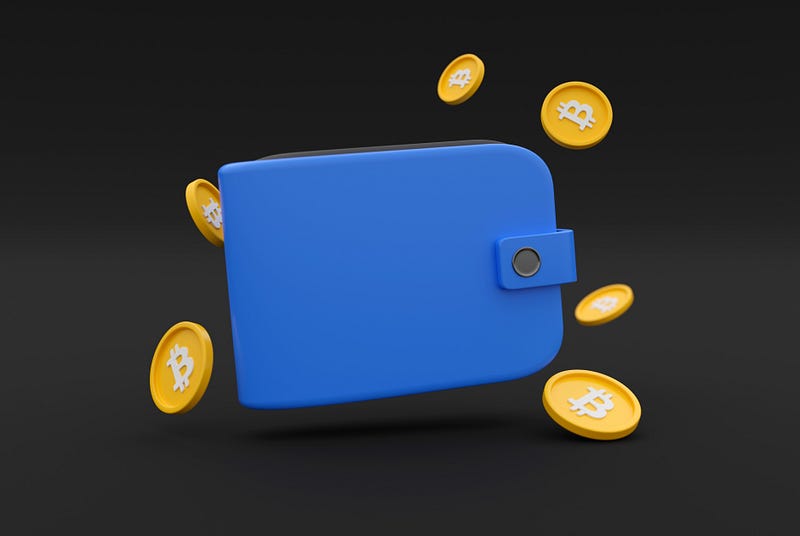
Photo by Mariia Shalabaieva on Unsplash


Merging expertise

The primary objective of this partnership is to leverage CryptoQuant’s expertise in on-chain data analysis and combine it with SK Telecom’s mobile technology capabilities to launch SKT’s T wallet service. This blockchain-powered mobile wallet application aims to provide a secure and efficient platform for users.

CryptoQuant serves over 1 million traders globally and provides on-chain data to well-known institutional clients like the Chicago Mercantile Exchange (CME) Group and Moody’s Analytics.

Additionally, CryptoQuant also supplies some of its on-chain data to South Korean fintech company Koscom Corp for its investment analysis information terminal service, CHECK Expert+.


Expanding data accessibility

Ju Ki-young, CEO of CryptoQuant, said their latest collaborative effort aligns with CryptoQuant’s mission to create a digital asset market culture that lowers entry barriers, especially regarding blockchain technology and on-chain data. Ju highlighted that this endeavor will empower retail investors with data-driven insights that have traditionally been more accessible to institutional investors. Furthermore, he noted the company’s dedication to expanding access to on-chain data through the T wallet, reaching a broader user base.

Kim Jong-seung, Director at SKT, shared his enthusiasm for CryptoQuant’s on-chain data analytics. Such data-driven information, he noted, will aid everyone from digital asset novices to decentralized app (dApp) enthusiasts and advanced users in making informed decisions. He believes these developments will pave the way for a healthy digital asset market and broader adoption of Web3.

More to Read
View All
Policy & Regulation·

Oct 10, 2023

UK Watchdog Adds Crypto Exchanges to Warning List

UK Watchdog Adds Crypto Exchanges to Warning ListThe UK’s Financial Conduct Authority (FCA) has expanded its warning list to include nearly 150 digital asset companies, including crypto exchanges HTX and KuCoin.Photo by Maxim Hopman on UnsplashPromotion without approvalThese firms have been added to the list due to their promotion of services in the UK without obtaining the necessary regulatory approvals. The move comes as the FCA strengthens its oversight of the cryptocurrency sector.The FCA recently broadened its rules on financial promotions, effective from October 8, to encompass crypto-asset service providers, regardless of their geographical location. This means that all crypto platforms are now obligated to display clear risk warnings to UK-based consumers and adhere to more rigorous technical standards. Additionally, they must implement a mandatory 24-hour cooling-off period for new customers.Exchanges respondIn response to the inclusion of their platforms on the FCA’s warning list, both HTX and KuCoin issued statements. A spokesperson for HTX, known until recently as Huobi, clarified that the firm does not operate or market its services in the UK. KuCoin, on the other hand, acknowledged that it doesn’t operate in the UK but expressed its commitment to adapt its products and services to ensure compliance with the relevant laws and regulations in each country.Another exchange, OKX, alongside global exchange Binance, have both indicated that they are working towards complying with the FCA’s regulatory requirements in respect of marketing.The FCA issued a generic warning message for both HTX and KuCoin, stating:“This firm may be promoting financial services or products without our permission. You should avoid dealing with this firm.”Non-compliance with the FCA’s regulations can result in severe penalties, including takedown requests for websites and apps, substantial fines, and potential legal action, which could lead to imprisonment.It’s worth noting that HTX Advisor, Justin Sun, has encountered regulatory challenges in the past. In March, the US Securities and Exchange Commission (SEC) accused Sun of fraud and market manipulation related to TRX, the native cryptocurrency of his Tron blockchain. Despite holding licenses to operate in various jurisdictions, HTX’s website does not specifically mention the UK as a prohibited venue.KuCoin has its platform restricted in several countries, including the US, Singapore, Hong Kong, mainland China, Thailand, Malaysia, and Canada’s Ontario province. Notably, the UK is not listed among these restricted locations.The FCA’s decision to rapidly identify and publicize crypto firms violating the expanded rules underscores increasingly stringent regulatory requirements. The regulator is continuously updating its list of violators as new infractions are uncovered. In August, the UK regulator published data that demonstrated that only 13% of crypto businesses who have applied to trade in the UK have been offered permits to do so.Lucy Castledine, the FCA’s Director of Consumer Investments, emphasized the dynamic nature of the list, which is constantly evolving to keep pace with emerging issues within the crypto sector.As the FCA takes a more proactive stance in overseeing crypto businesses, the warning list serves as a tool for consumer protection, signaling the importance of adherence to regulatory standards in the cryptocurrency ecosystem.

news
Web3 & Enterprise·

Mar 09, 2024

Nissan delves into metaverse on a heritage and safety theme

On March 7, Nissan Motor Co. introduced an innovative metaverse experience titled the "Heritage Cars & Safe Drive Studio," blending elements of automotive history with interactive safety education.Photo by Matthijs Waanders on UnsplashMarking 90 years in businessThe studio, launched to commemorate Nissan's 90th anniversary, features three iconic models from the company's past, recreated in virtual environments to reflect their respective eras. Among the showcased vehicles is the Silvia Q’s S13, renowned globally for its role in drifting culture. Users can explore this historic car from the 1980s while learning about the influence of pedestrian clothing colors on driver visibility. In another exhibit, users engage in a mini-game designed to educate on driver field-of-view and the impact of multitasking on safety. Alongside, the Skyline 2000GTX-E, famous for its presence in popular media like the Gran Turismo video game series and Fast and Furious movies, adds a touch of nostalgia and excitement, transporting users to the 1970s era. In a 1950s and 60s American diner and drive-in theater setting, the final exhibit offers a hands-on steering wheel spin exercise. These experiences aim to merge Nissan's heritage with vital safety knowledge, such as understanding the significance of pedestrian attire and the dangers of distracted driving. Developed in collaboration with Japanese university researchers, these immersive experiences are accessible through Meta Quest headsets, marking Nissan's continued exploration of virtual and augmented reality for customer engagement and education. Previous forays into the metaverseThis initiative aligns with Nissan's ongoing efforts to enhance its presence in the metaverse. It’s not the carmaker's first rodeo where the metaverse is concerned. It introduced its first virtual test drive and a virtual unveiling of its Sakura model in 2022. That same year, the company suggested it was interested in providing more in the way of virtual events, even going as far as to suggest the development of virtual customer support offices for clients. It followed that up in December 2023 with a revamp of four existing metaverse worlds, a project that also formed part of its 90th-anniversary celebrations. Nissan's latest foray into the metaverse coincides with advancements in augmented reality (AR) and virtual reality (VR) hardware. The recent launch of Apple's inaugural mixed-reality headset in February 2024 signals intensified competition among tech giants like Meta and Microsoft, who have been gradually expanding into consumer and enterprise AR/VR markets over the past decade. Broader auto industry interestNissan isn’t alone in the auto industry in taking initial steps into the metaverse. Rival Toyota has taken a different approach, pursuing an interest in creating remote workspaces for staff so that meetings can be held in the metaverse. Hyundai experimented with entering the metaverse as early as 2021. Through a partnership with Naver Z, the company offered virtual test drives of its Sonata model. Meanwhile Renault Korea has tipped its toes in the metaverse by offering consumers the ability to custom-build virtual cars on a metaverse platform. Through these metaverse updates, Nissan aims to stay at the forefront of automotive innovation, utilizing immersive experiences to engage customers and promote safety awareness in an increasingly digital world. 

news
Web3 & Enterprise·

Nov 30, 2023

IOTA accelerates Middle East expansion with $100M foundation launch

IOTA accelerates Middle East expansion with $100M foundation launchIn a move aimed at catalyzing the adoption of its distributed ledger technology (DLT) in the Middle East, the Berlin-headquartered IOTA Foundation, the developmental force behind the IOTA-directed acyclic graph-based ledger network, unveiled a $100 million foundation in Abu Dhabi on Wednesday.Photo by Imtiyaz Ali on UnsplashTokenizing real-world assetsThe IOTA Foundation announced details of the initiative, known as the IOTA Ecosystem DLT Foundation, via a blog post published on its website on Wednesday. The new foundation is designed to facilitate the transformation of tangible assets into digital entities, marking a significant stride in the convergence of real-world assets with the digital realm, according to IOTA Co-founder and Chairman Dominik Schiener.Taking to the X platform, Schiener wrote:”We will double down on our efforts to bring the real world to Web3. We will pave the way to tokenize RWA [Real World Assets] assets on #IOTA and work with the governments in the UAE, across the Middle East and Africa to digitize their trade infrastructure and tokenize assets. We will make Blockchain real, with real use cases, real adoption, real yield and real assets.”IOTA is not a blockchain, but a related distributed ledger technology. DLT has garnered attention for its diverse applications over the past decade. IOTA’s digital tokens will serve as the financial backbone for this substantial investment, signaling a strategic move amidst recent setbacks in the cryptocurrency sector.Regulatory first in Abu DhabiThe IOTA Ecosystem DLT Foundation stands out as the first blockchain-focused foundation sanctioned by the regulatory authorities of the Abu Dhabi Global Market (ADGM), a key financial hub within the United Arab Emirates (UAE). The ADGM solidified its blockchain regulations in early November, creating a conducive environment for innovative blockchain-focused entities. The regulatory framework was crafted to offer a comprehensive structure specifically for DLT foundations and decentralized autonomous organizations (DAOs).Schiener expanded further on plans for the DLT Foundation:”With a new headquarter in the UAE, we are positioning IOTA from being an Enterprise Blockchain in Europe, to becoming one of the largest, global Crypto ecosystems. We will fully support Web3 and DeFi use cases on IOTA with the #EVM launch in Q1.”Endowed with over $100 million in IOTA tokens, the foundation’s funds will be gradually vested over the next four years.The financial infusion is earmarked for the development and expansion of the IOTA network. Additionally, IOTA will embark on asset “tokenization,” a process involving the representation of ownership rights for land or buildings as digital tokens stored on a blockchain. These tokens, akin to digital certificates of ownership, extend to virtually any valuable object.IOTA launched in 2015, and within its first two years, it rose to be a top-ten crypto project on the basis of market capitalization. Over the course of the last six years, the project has struggled to make the network less centralized. There have also been internal conflicts, which resulted in a number of the project’s co-founders stepping away from the project. With this latest development, Schiener suggested that IOTA could work its way back to being a top-ten project once again.

news
Loading