Top

NEOPIN Launches South Korea’s First ETH Liquid Staking Product

Web3 & Enterprise·July 12, 2023, 7:51 AM

NEOPIN, the global CeDeFi platform of Neowiz Holdings, a South Korean investment holding company, has launched liquid staking products for ETH and KLAY, as reported by local media outlet News1.

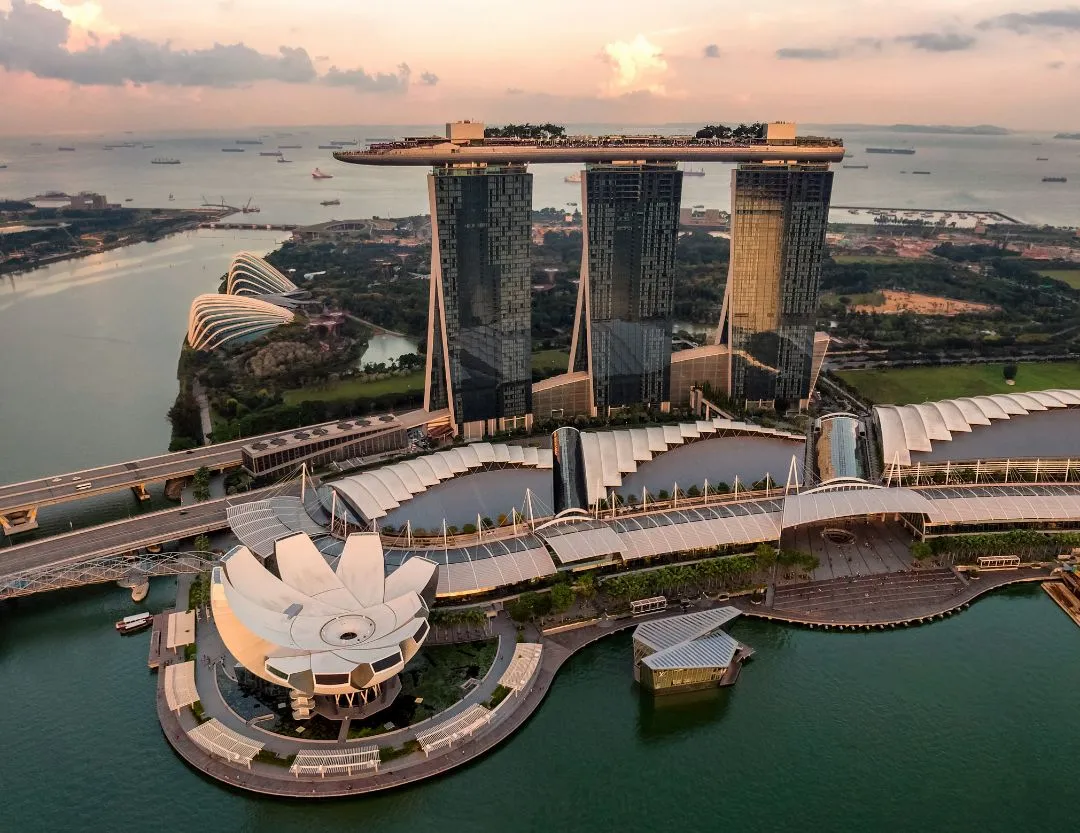
Photo by Kanchanara on Unsplash


Liquidity provider tokens

Liquid staking enables users to deposit their cryptocurrencies into a staking pool and, in return, receive liquidity provider tokens. These tokens can then be redeposited to earn additional yield. For example, NEOPIN users can stake ETH or KLAY on the platform and receive npETH or npKLAY tokens, respectively, which can be further deposited to earn rewards.

NEOPIN asserts that it is the first Korean blockchain project to introduce an ETH liquid staking product. To make the platform more user-friendly, NEOPIN has improved its interface, ensuring easy navigation for its customers.

In celebration of this launch, NEOPIN is hosting a promotional event. Users who utilize the ETH liquid staking product will earn the NPT token, the native token of the NEOPIN ecosystem, with an annual percentage yield (APY) of 5% until August 9. Meanwhile, participants in the KLAY liquid staking product can earn twice the reward points until September 26 through the ongoing NEOPIN membership promotion campaign.


Qualitative and quantitative growth

Prior to this development, it was reported that NEOPLY, the operator of NEOPIN, joined the Innovation Programme of the Abu Dhabi Investment Office (ADIO) in the United Arab Emirates (UAE). Stefan Kim, Chief Business Officer at NEOPIN, highlighted the strategic collaboration between the platform and the Abu Dhabi Global Market (ADGM) to establish a regulatory framework for decentralized finance (DeFi). Kim emphasized that while this partnership will contribute to NEOPIN’s qualitative growth, the implementation of liquid staking derivatives finance (LSD-Fi) will pave the way for its quantitative expansion.


More to Read
View All
Policy & Regulation·

Jul 28, 2023

Hong Kong and Saudi Arabia Collaborate on Tokenization and Payments

Hong Kong and Saudi Arabia Collaborate on Tokenization and PaymentsIn an effort to enhance financial collaboration, Hong Kong and the Kingdom of Saudi Arabia are expanding their ties and focusing on agreements related to tokenization and payments infrastructure.Photo by Ketut Subiyanto on PexelsBilateral meetingOn Wednesday, the Saudi Central Bank (SAMA) and the Hong Kong Monetary Authority (HKMA) held a bilateral meeting to discuss various initiatives aimed at integrating financial services between the two nations. During the meeting, the central banks explored areas such as financial infrastructure development, open market operations, market connectivity, and sustainable development. Additionally, they signed a memorandum of understanding (MoU) to facilitate joint discussions on financial innovation.HKMA chief executive Eddie Yue emphasized the potential for cooperation in fields like economy, trade, sustainable development, finance, and fintech between the two nations. He expressed optimism about the continued development of the relationship and the prospects it holds for the future.SAMA governor Ayman Al-Sayari echoed this sentiment, acknowledging the significance of the MoU in fostering stronger ties and assisting them in the future. “HKMA is an important partner for the Saudi Central Bank. Today’s MoU will support our relationship and contribute to the consolidation of efforts in developing the Fintech industry,” he stated.Tokenization and payment infrastructureNotably, the authorities of Hong Kong and Saudi Arabia also used the opportunity to exchange expertise in tokenization, payment infrastructure, and supervision technologies. This collaboration opens up possibilities for both countries to leverage each other’s strengths in these areas.Hong Kong has been actively participating in various inter-jurisdictional tokenization initiatives. In June, the Bank of China’s investment bank subsidiary, BOCI, issued a $28 million tokenized security in Hong Kong using the Ethereum blockchain. The project utilized Goldman Sachs’ tokenization protocol GS DAP and featured cash tokens representing claims on the Hong Kong dollar.Digital assets firm Ripple Labs has also participated in a HKMA pilot program that implicates real estate tokenization.No crypto discussionHowever, the joint announcement did not explicitly mention any joint efforts related to cryptocurrencies like Bitcoin. It is worth noting that Hong Kong recently allowed retail investors to trade crypto, but Saudi Arabia has not shown any specific plans to promote cryptocurrencies in recent years. In 2019, the Saudi Central Bank issued a warning that Bitcoin is not recognized by legal entities within the country.International collaborationRecent months have seen ever greater collaboration between international central banks and regulators relative to digital assets. Last month Japan’s Financial Services Authority (FSA) joined forces with the Monetary Authority of Singapore (MAS) on its Project Guardian initiative to further explore the potential of digital assets.In May, the central banks of Hong Kong and the United Arab Emirates announced a collaboration to work on cryptocurrency regulations and financial technology development. In the same month, MAS partnered with New York’s Federal Reserve Bank on an initiative that examined the use of central bank digital currency (CBDC) for wholesale cross-border payments.As the financial collaboration between Hong Kong and Saudi Arabia strengthens and other such international partnerships continue to unfold, the focus on tokenization and payment infrastructure and digital assets more broadly signifies a step forward in embracing these innovative financial technologies.

news
Policy & Regulation·

Aug 29, 2025

Ex-PBOC governor warns on stablecoin speculation, questions case for yuan peg

China’s former central bank governor has warned that speculation in stablecoins could threaten financial stability, Bloomberg reported, citing a post from the Beijing-based think tank CF40 Research. His remarks run counter to calls from some economists and industry figures for a yuan-backed stablecoin as the U.S. advances its digital-asset policy agenda. Zhou Xiaochuan, who led the People’s Bank of China (PBOC) from 2002 to 2018, delivered the comments at a closed-door meeting in mid-July. He argued that China’s payment rails—spanning third-party platforms, the central bank digital currency (CBDC), digital wallets, and clearing infrastructure—are already highly efficient, leaving little scope for stablecoins to deliver meaningful cost savings. He also rejected the premise that conventional cross-border payments come at steep costs. Zhou identified price manipulation driven by speculative trading as the chief risk to financial and asset markets, adding that current safeguards in the U.S., Hong Kong, and Singapore remain inadequate.Photo by Mitchell Luo on UnsplashOnshore controls push yuan stablecoins offshoreAny debate over a yuan-linked token must also contend with China’s currency structure. The onshore yuan (CNY) is subject to strict capital controls and limited cross-border convertibility, while the offshore yuan (CNH) trades more freely. As a result, any prospective yuan stablecoin would likely reference the CNH; pegging directly to the CNY would conflict with Beijing’s capital rules. An earlier Reuters report has indicated that Beijing is weighing whether to authorize a yuan-pegged stablecoin to promote international use of the currency. Analysts caution that such a token would almost certainly be confined to offshore markets, even if regulators proceed. U.S. sets federal guardrails for stablecoinsMeanwhile, policy moves in the U.S. are gathering pace. In July, President Donald Trump signed the Guiding and Establishing National Innovation for U.S. Stablecoins (GENIUS) Act into law, creating a federal framework for stablecoins. A White House fact sheet says the law requires issuers to maintain 100% reserves in liquid assets such as U.S. dollars or short-term Treasuries and to publish monthly disclosures on reserve composition. The administration has argued that dollar-backed stablecoins could bolster demand for Treasuries and reinforce the dollar’s reserve-currency role. Hong Kong has emerged as comparatively receptive to digital assets. The special administrative region’s Stablecoins Ordinance entered into force on Aug. 1, establishing a licensing regime to oversee Hong Kong dollar–backed stablecoins. Earlier this month, CMB International Securities, a subsidiary of China Merchants Bank, became the first Chinese bank-affiliated institution to offer trading in Bitcoin, Ethereum, and Tether (USDT). Industry voices are also pressing the case for stablecoins. At the WebX conference in Tokyo on Aug. 25, Binance co-founder Changpeng Zhao (CZ) argued that CBDCs are becoming obsolete, while stablecoins—typically backed by real assets—enable wider transactions and are gaining market traction. He said CBDCs remain rarely implemented due to limited demand and suggested China appears more open to stablecoins after years of tighter oversight, pointing to Hong Kong’s efforts to build an ecosystem. Potential PBOC stimulus may lift cryptoChina remains a consequential force in global crypto markets. A recent report suggested that potential PBOC stimulus could fuel an altcoin rally. With China accounting for 19.5% of global GDP, shifts in its monetary stance are seen as important drivers of worldwide liquidity. Following July data showing a 0.1% month-on-month decline in retail sales, a 0.4% rise in industrial production, and an uptick in unemployment to 5.2%, analysts expect measures to support growth. Any additional liquidity could flow into risk assets, including cryptocurrencies, potentially pushing digital tokens toward new highs. 

news
Web3 & Enterprise·

Nov 27, 2023

Metabora Singapore officially launches blockchain-based app for golf fans

Metabora Singapore officially launches blockchain-based app for golf fansMetabora Singapore, a subsidiary of South Korean blockchain game developer Metabora formerly known as Kakao Friends Games, has officially launched BirdieSquad, a blockchain-based community platform for fans of professional golfers in the Korea Ladies Professional Golf Association (KLPGA). This comes after the beta version that was launched in August quickly gained popularity, topping the ranks of sports-related apps.Photo by Splash Pic on UnsplashRevolutionizing the golf fandomBirdieSquad was developed by Kakao VX, the digital sports arm of Korean internet juggernaut Kakao, with the goal of creating an innovative and fun playground for golf fans to interact and create a fandom-based community. Users can own NFTs of their favorite golfers — which come in six tiers: Uncommon, Rare, Super Rare, Epic and Legendary — which are stored in personal wallets, and earn various rewards based on players’ actual performance results. They can also interact with other users and compete in “cheer-offs”. During off-seasons, Metabora plans to host various events such as AI-based championship tournaments.The platform is currently working with 46 professional golfers, including Han Jin-seon, Park Hyun-kyung, Lee Ye-won and Kim Min-byul. The platform said that it would bring more athletes in the future.“As we strive to create a new fandom culture where pro golfers and fans can interact, we will expand our ecosystem by onboarding various entertainment content revolving around gaming and sports,” said Lim Young-joon, Chief Business Officer of Metabora Singapore.Expanding partnershipsMeanwhile, the company has been expanding its partnerships with various global blockchain networks such as Polygon, NEAR Protocol, Ethereum and BNB Chain to expand its global ecosystem.

news
Loading