Top

Mitsui & Co. and Animoca Brands to Drive Web3 Innovation in Japan’s Digital Landscape

Web3 & Enterprise·June 19, 2023, 5:37 AM

Tokyo-based trading and investment company Mitsui & Co. (Mitsui) has announced today a strategic partnership with Hong Kong-based Web3 gaming firm Animoca Brands. This new partnership aims to utilize Mitsui’s extensive business network to foster new ventures that contribute to the distribution and advancement of Web3 technology in Japan. The companies will particularly focus on utilizing blockchain technology to address issues such as wellness and carbon credits.

Mitsui expects this collaboration to strengthen its presence in the blockchain and digital assets space. The goal is to promote the development of a digital society and improve the lives of Mitsui’s customers.

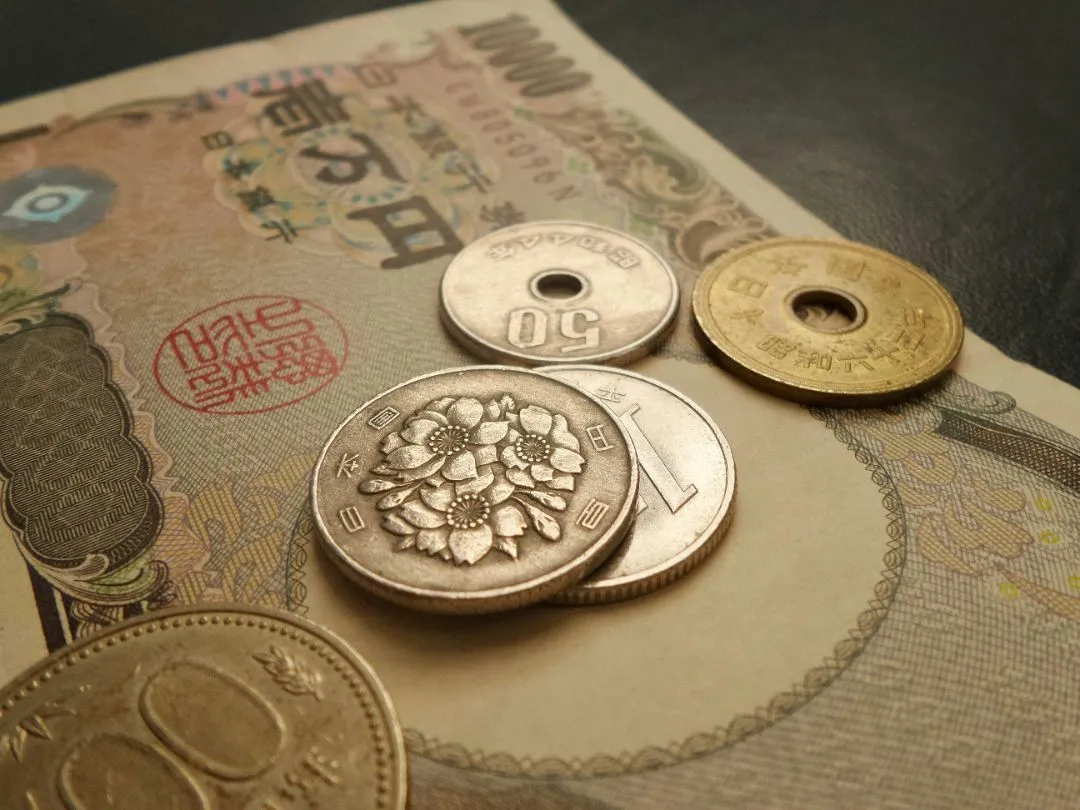
Photo by Shubham’s Web3 on Unsplash


Animoca Brands’ Web3 expertise

Animoca Brands, a well-known company specializing in digital entertainment, blockchain, and gamification, has an impressive portfolio of over 450 Web3 investments. This includes popular non-fungible token (NFT) based online video game Axie Infinity and NFT marketplace OpenSea. Animoca Brands actively promotes digital property rights and the establishment of the open metaverse, a blockchain-based virtual space that ensures permissionless access and user ownership of data.


Mitsui’s blockchain initiative

Mitsui also initiated a blockchain-related project through its affiliate Mitsui & Co. Digital Asset Management (MDM). Just last month, MDM launched Alterna, a security token platform that grants retail investors access to previously inaccessible real-world assets (RWAs), such as large-scale real estate properties and infrastructure. To expand the reach of Alterna, MDM has partnered with Sony Bank, a member of the Sony Financial Group, to introduce the platform to the Tokyo-based online bank’s clients.

More to Read
View All
Policy & Regulation·

Nov 11, 2025

Japan to tighten crypto lending rules as regulator backs bank stablecoin pilot

Japan’s Financial Services Agency (FSA) is moving to close gaps in crypto regulation and support a new bank-led stablecoin pilot, as markets watch for a potential Bank of Japan rate hike. Tougher oversight of crypto lending and IEOsAccording to a CoinPost report, at the fifth meeting of its Digital Asset Working Group held last week, the FSA discussed introducing new requirements to bring crypto lending clearly within the regulatory framework. While firms managing or staking crypto must register as exchanges, some operators have avoided registration by structuring services as borrowing schemes, which are not legally treated as asset management.Photo by Possessed Photography on UnsplashThe FSA flagged that users face both credit and volatility risks, yet operators are not required to segregate customer assets or use cold wallets. Some services offer returns around 10% or tie up funds for several years, with weak risk management and exposure to re-lending defaults and staking slashing. Under the new policy direction, operators will need stronger risk management for re-lending and staking, tighter custody controls, and clearer risk disclosures and advertising. Institutional-only borrowing not offered to the public will remain exempt. Some members questioned whether the new requirements would be practical to implement for off-chain operators, noting that staking is fundamentally on-chain. The group also examined initial exchange offerings (IEOs) lacking financial audits, particularly those aimed at retail investors. Members discussed limits similar to equity crowdfunding: investments over 500,000 yen ($3,000) capped at 5% of annual income or net assets, up to 2 million yen ($13,000). Most past domestic IEOs were under 500,000 yen ($3,200). Some warned such caps could be bypassed through secondary trading, where tokens are immediately tradable. Major banks pilot stablecoinAlongside stricter rules, the FSA will support a stablecoin pilot led by MUFG Bank, Sumitomo Mitsui Banking Corporation, and Mizuho Bank. CoinDesk Japan noted the project, the first under the Payment Innovation Project, will include three additional participants. Mitsubishi Corporation will oversee operations, while Progmat and Mitsubishi UFJ Trust and Banking will handle issuance and custody. The pilot, launching this month with implementation targeted within the year, will test whether a joint stablecoin by major banks can navigate regulatory and operational challenges. Rate hike speculation mountsJapan’s calibrated digital asset push comes as speculation grows over a possible Bank of Japan (BOJ) rate hike next month. Minutes from the BOJ’s October meeting, cited by South Korean outlet Edaily, show one board member saying most conditions for a hike have been met and that financial conditions would stay easy even after an increase. The BOJ kept its rate at 0.5% at that meeting. A rate hike was described as likely if firms are seen committing to wage increases ahead of next spring’s labor talks and if no major global shocks emerge. Markets, however, remain cautious, citing uncertainty over U.S. tariff effects and whether newly elected Prime Minister Sanae Takaichi will endorse such a hawkish stance. 

news
Web3 & Enterprise·

Sep 08, 2023

Haechi Labs Joins Hands with Oasys for Entry into Japanese Market

Haechi Labs Joins Hands with Oasys for Entry into Japanese MarketHaechi Labs, a South Korean blockchain service and digital wallet provider, announced Thursday that it has signed a business deal with Japanese blockchain gaming platform Oasys to establish a footing in the Japanese market.Photo by Erika Fletcher on UnsplashFostering collaborationThrough the new partnership, the companies plan to share their technical expertise and promote mutual growth. In particular, Haechi Labs’ digital wallet, Face Wallet, will be onboarded on the Oasys mainnet. This integration will allow Oasys users to easily access Web3 services using their existing social media accounts. Face Wallet supports login through various social media platforms such as Google, Discord, Twitter, Facebook, Apple, and Kakao, thereby reducing entry barriers for users who are new to Web3.Haechi Labs will also provide a software development kit (SDK) for Face Wallet, enabling game developers operating their games on the Oasys platform to integrate the wallet into their services.“We expect that Face Wallet’s integration into the Oasys mainnet will streamline the onboarding process for Web3 games,” said Moon Geon-gi, CEO of Haechi Labs. “We will continue to pursue close cooperation with various companies in the future.”Gaming focusOasys’ multi-layered blockchain network is centered around gaming, consisting of a built-in L2 scalability solution. It has worked with various major gaming companies such as SEGA, Ubisoft, Bandai Namco, Nexon, and Netmarble, who participate in the network as validator nodes.

news
Policy & Regulation·

Sep 22, 2025

Hong Kong zeroes in on tokenization as corporate crypto holdings climb

Hong Kong–listed companies are stepping up digital-asset bets as the city sets out a clearer rulebook, a sign that tighter oversight and new market rails are starting to unlock institutional demand.Photo by Ruslan Bardash on UnsplashCorporate moves signal rising appetiteBoyaa Interactive International has been adding Bitcoin (BTC) to its treasury, with the latest acquisition of 411 BTC bringing its total holdings to 4,091 BTC. The gaming company has said it will direct 90% of a planned $56.3 million rights issue into Bitcoin. Yunfeng Financial raised HKD 1.17 billion, or about $150 million, through a new share issuance and plans to use part of the proceeds to launch cryptocurrency trading and investment management services. The firm is associated with Yunfeng Capital, which was co-founded by Alibaba founder Jack Ma, and has previously outlined plans to accumulate BTC, Ethereum (ETH), and Solana (SOL). These moves land alongside a policy reset from the top. In his annual address on Sept. 17, Chief Executive John Lee reaffirmed Hong Kong’s goal of cementing its position as an international hub in finance, including digital assets, while pairing that ambition with stronger investor safeguards. Tokenization and blockchain testbedThe centerpiece is Project Ensemble, run by the Hong Kong Monetary Authority (HKMA). The initiative is building infrastructure for a tokenized market and operates a sandbox where institutions can test blockchain systems in live business settings. Priorities include tokenized bank deposits, settlement of tokenized assets such as money market funds, and standardized issuance of government tokenized bonds. Regulation is advancing in parallel. The government is preparing legislation for a licensing regime that covers stablecoin issuers as well as digital-asset dealing and custody providers. The Securities and Futures Commission is studying an expansion of products for professional investors, with tougher protections baked in. The regulator plans to use automated reporting and data surveillance to curb misconduct. Authorities also intend to deepen cross-border cooperation to combat tax evasion. Banking rules are set to shift as well. The HKMA has circulated draft guidance that would ease capital requirements for certain crypto exposures in line with Basel standards through a new policy module called CRP-1. Under the proposal, assets issued on permissionless blockchains could qualify for lower capital charges when issuers demonstrate effective risk management. Hong Kong aims to implement the international rules by early 2026.Publicly traded BTC treasury firms in China Source: BitcoinTreasuries.NETAdoption amid constraintsNot every institution will join the build-out. Mainland policies may constrain participation, according to Caixin. Chinese digital platforms, state-owned enterprises (SOEs), and financial entities operating in Hong Kong could face limits on stablecoin and other crypto activity. Branches of several SOEs and Chinese banks are also unlikely to seek a Hong Kong stablecoin license. Corporate adoption remains broad despite those headwinds. Publicly traded Bitcoin treasury companies in China and Hong Kong hold a combined 19,280 BTC, according to BitcoinTreasuries.net. Several appear among the top 50 public corporate holders worldwide, including Next Technology Holding (16th), Cango (18th), Boyaa (24th), Nano Labs (48th), and Ming Shing Group (50th). The tally points to rising regional interest in digital assets. Publicly traded BTC treasury firms in Hong Kong Source: BitcoinTreasuries.NET

news
Loading