Top

Japan to tighten crypto lending rules as regulator backs bank stablecoin pilot

Policy & Regulation·November 11, 2025, 7:45 AM

Japan’s Financial Services Agency (FSA) is moving to close gaps in crypto regulation and support a new bank-led stablecoin pilot, as markets watch for a potential Bank of Japan rate hike.


Tougher oversight of crypto lending and IEOs

According to a CoinPost report, at the fifth meeting of its Digital Asset Working Group held last week, the FSA discussed introducing new requirements to bring crypto lending clearly within the regulatory framework. While firms managing or staking crypto must register as exchanges, some operators have avoided registration by structuring services as borrowing schemes, which are not legally treated as asset management.
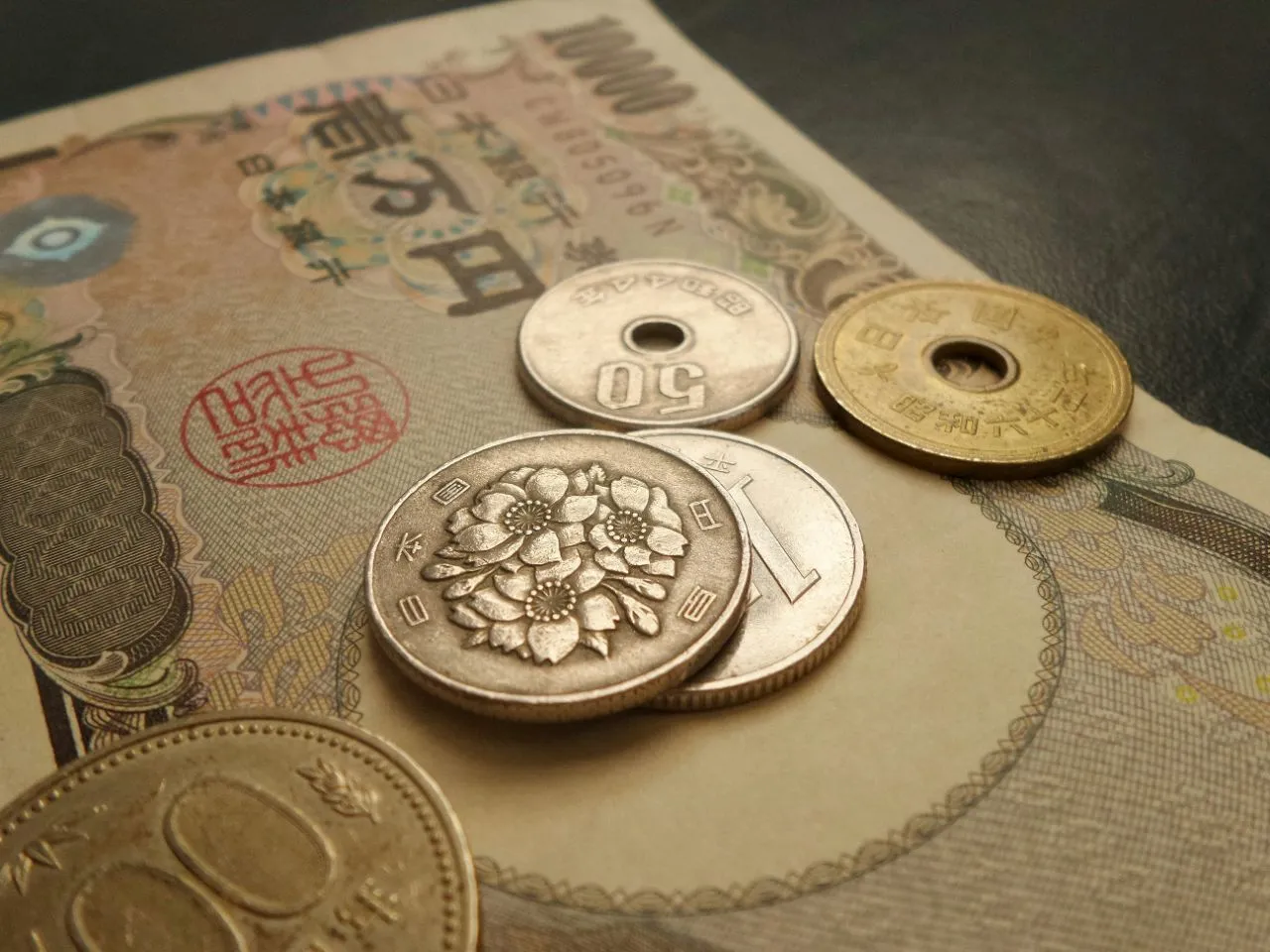
https://asset.coinness.com/en/news/8e7dca60f25df640920b72f2c19a5097.webp
Photo by Possessed Photography on Unsplash

The FSA flagged that users face both credit and volatility risks, yet operators are not required to segregate customer assets or use cold wallets. Some services offer returns around 10% or tie up funds for several years, with weak risk management and exposure to re-lending defaults and staking slashing.


Under the new policy direction, operators will need stronger risk management for re-lending and staking, tighter custody controls, and clearer risk disclosures and advertising. Institutional-only borrowing not offered to the public will remain exempt. Some members questioned whether the new requirements would be practical to implement for off-chain operators, noting that staking is fundamentally on-chain.


The group also examined initial exchange offerings (IEOs) lacking financial audits, particularly those aimed at retail investors. Members discussed limits similar to equity crowdfunding: investments over 500,000 yen ($3,000) capped at 5% of annual income or net assets, up to 2 million yen ($13,000). Most past domestic IEOs were under 500,000 yen ($3,200). Some warned such caps could be bypassed through secondary trading, where tokens are immediately tradable.


Major banks pilot stablecoin

Alongside stricter rules, the FSA will support a stablecoin pilot led by MUFG Bank, Sumitomo Mitsui Banking Corporation, and Mizuho Bank. CoinDesk Japan noted the project, the first under the Payment Innovation Project, will include three additional participants.


Mitsubishi Corporation will oversee operations, while Progmat and Mitsubishi UFJ Trust and Banking will handle issuance and custody. The pilot, launching this month with implementation targeted within the year, will test whether a joint stablecoin by major banks can navigate regulatory and operational challenges.


Rate hike speculation mounts

Japan’s calibrated digital asset push comes as speculation grows over a possible Bank of Japan (BOJ) rate hike next month. Minutes from the BOJ’s October meeting, cited by South Korean outlet Edaily, show one board member saying most conditions for a hike have been met and that financial conditions would stay easy even after an increase. The BOJ kept its rate at 0.5% at that meeting.


A rate hike was described as likely if firms are seen committing to wage increases ahead of next spring’s labor talks and if no major global shocks emerge. Markets, however, remain cautious, citing uncertainty over U.S. tariff effects and whether newly elected Prime Minister Sanae Takaichi will endorse such a hawkish stance.


 

More to Read
View All
Web3 & Enterprise·

Jan 24, 2024

NEOPIN, Futureverse and Catalyze Research team up to bolster global blockchain ecosystem

In an official announcement on Wednesday (KST), CeDeFi protocol NEOPIN revealed that it has signed a business agreement with Web3 consulting firm Catalyze Research and metaverse and AI tech company Futureverse to expand the global blockchain industry and discover promising Web3 projects. Strategic allianceThrough this business agreement, the three enterprises plan on working towards two main objectives: expanding the global blockchain business industry and Futureverse’s open metaverse ecosystem. To do so, they have vowed to onboard NEOPIN’s gaming business partners to the Futureverse ecosystem and create decentralized finance (DeFi) products for NEOPIN based on The Root Network. They will also host hackathons and joint campaigns in efforts to incubate and accelerate Web3 projects in South Korea. “South Korea is an intellectual property (IP) and blockchain powerhouse that serves as the backbone of the open metaverse that Futureverse is striving for. We look forward to bringing together various IPs such as games and content – including DeFi collaborations – with Futureverse’s powerful infrastructure to bring us one step closer to the open metaverse,” said Ben Ko, Co-Founder and CEO of Catalyze Research. Based in Seoul, Catalyze Research offers insights into the Web3 industry as well as consulting services like mapping and implementation of business strategies, marketing, research, due diligence and more.Photo by Shubham's Web3 on Unsplash“By working with NEOPIN, a leading DeFi company with an extensive network in South Korea, we will expand the Futureverse and The Root Network ecosystems and create an environment where users and developers can create an open metaverse together. This partnership will bring Futureverse to the forefront of the South Korean blockchain industry with NEOPIN and Catalyze’s experience, expertise, vision and insights into the Korean market,” added Futureverse CEO Aaron McDonald. Redefining gaming, blockchain and DeFiFutureverse is a developer of AI and metaverse technologies that elevate gaming experiences and enable open, scalable and interoperable applications. It is also home to one of the largest global NFT-based metaverse communities, which is being expanded through the layer 1 blockchain The Root Network. The company’s partners include globally renowned brands like FIFA, Warner Bros., Mastercard and Reebok. NEOPIN, on the other hand, has been a trustworthy node validator for multiple blockchains since 2018 with a 0% accident and slashing rate and a 99.99999% block generation rate. It has also been bringing new faces to the industry by securing, investing in and incubating numerous domestic and foreign firms. Backed by this experience, NEOPIN plans to introduce innovative DeFi products through the newest three-way partnership. “We will actively help various game and content service companies that have partnered with us to operate in the Futureverse ecosystem. Based on our trustworthiness and stability, we will contribute to leading the decentralized exchange (DEX) and DeFi services in Futureverse,” said Kim Yong-ki, CEO of NEOPIN.

news
Web3 & Enterprise·

Aug 08, 2023

Concerns Hanging Over Huobi Result in Significant Net Outflow

Concerns Hanging Over Huobi Result in Significant Net OutflowAmidst rumors swirling around its executives’ involvement in a Chinese investigation, Seychelles-headquartered cryptocurrency exchange Huobi has observed net outflows exceeding $73.3 million in the past week.Photo by Shubham Dhage on Unsplash$73 million net outflowAccording to data sourced from blockchain analytics firm Nansen, Huobi reported an outflow of tokens worth $505.9 million over the previous week, with an inflow of $432.5 million. This resulted in a net outflow of approximately $73.3 million.Notably, this net outflow seems to be gaining momentum, as the exchange witnessed an outflow of $32.9 million on Monday alone, based on Nansen data. Additionally, Huobi’s stablecoin balances experienced a significant 33% contraction, dwindling to $99.47 million within the seven-day span, as per the data.Unverified reportsHowever, the outflow of funds coincided with unverified reports. Techub News, a Hong Kong-based crypto media outlet, cited insider sources to suggest that at least three high-ranking Huobi executives had been apprehended by Chinese authorities for investigation. Huobi originated in China with Chinese founders, albeit it has based itself in Seychelles ever since the Chinese crackdown on crypto trading emerged.Huobi’s Head of Social Media, Jiayin Xie, acknowledged the rumors and likened the situation to being “invited to tea,” a colloquial Chinese expression for being summoned by authorities for questioning. Despite this, Xie expressed concern over the baseless nature of the allegations, suggesting that the path to restoration might be challenging yet necessary for the exchange’s resurgence.Justin Sun, an advisor to Huobi, responded cryptically by tweeting the number “4,” a term commonly used in the crypto community to counter FUD (fear, uncertainty, and doubt). He also retweeted Xie’s post, standing in defiance of the rumor.Alongside this specific difficulty, Huobi continues to grapple with financial challenges. Sun revealed that the exchange hadn’t posted a profit from last year’s third quarter to this year’s second quarter. Despite this, Sun remains optimistic, projecting a potential break-even in the present quarter and a return to profitability in the upcoming quarter.Crypto platform uncertaintyThe aftermath of widespread crypto platform failures in 2022 has resulted in both regulatory pushback and concern among the crypto community relative to the well-being of the platforms that remain standing. Both Huobi and Binance are front and center of this speculation and concern. The issue is that without independently verified audits carried out by reputable auditors, market participants simply have no way of telling if these platforms are solvent.Travis Kling, the Chief Investment Officer at Ikagai Asset Management didn’t mince his words in taking Houbi to task via Twitter: “You are clowns and criminals, and there’s a billion dollar hole in your balance sheet that customers will have to eat.” Kling has been equally scathing in his criticism of Binance and its founder Changpeng Zhao (CZ). Ikagai took a significant hit in the FTX collapse, and in its wake, Kling promised to speak out more and be more critical regarding emerging issues within the sector.As the net outflows coincide with reports of executive custody, the situation surrounding Huobi remains fluid. The exchange’s journey through these challenges will no doubt be closely monitored by the crypto community.

news
Markets·

May 17, 2023

Korean Crypto Exchange Presents Bitcoin Forecasts for Three Scenarios

Korean Crypto Exchange Presents Bitcoin Forecasts for Three ScenariosRecently, concerns over a potential US default have heightened due to the ongoing disagreement between Republicans and Democrats in the US Congress regarding the necessity of increasing the debt ceiling. Democrats, along with the Biden administration, advocate for authorizing additional debt, while Republicans propose spending cuts.Considering the historical patterns observed in the US and the inherently political nature of this matter, it is improbable that the uncertainty surrounding the debt ceiling raise will endure for an extended period. In the past, when faced with a similar situation in 2011, the debt ceiling was ultimately approved despite significant political divisions. Particularly with upcoming elections next year and escalating concerns of an economic downturn, it is likely that a resolution to the debt ceiling issue will be reached soon.In light of these circumstances, the economic research institute at one of South Korea’s major crypto exchanges Bithumb released a report that outlines three distinct scenarios depicting the potential unfolding of the debt ceiling issue in the US. Additionally, it has offered insights into the potential implications for Bitcoin under each scenario.Photo by Shubham’s Web3 on UnsplashBipartisan agreement to increase the debt ceilingIn the scenario where the debt ceiling is promptly raised as a result of a significant bipartisan agreement, the US is anticipated to adopt an expansionary fiscal policy by issuing government bonds to prevent a default. If a debt ceiling deal is reached, it is projected that short-term bond issuance will reach a net amount of $1.4 trillion by the end of the year. There is also a growing consensus that medium- and long-term bond issuance may commence in the third quarter. Additionally, the possibility of interest rate cuts as early as the second half of this year entered the equation. In the long term, this could potentially lead to a depreciation of the dollar as market liquidity increases, thereby weakening the currency. It is worth noting that historically, the value of Bitcoin tended to go up when market liquidity rises.Debt ceiling disagreement and delayed negotiationsAnother scenario entails the failure of the two parties to reach an agreement and a subsequent delay in approving a raise to the debt ceiling. Should the debt ceiling not be raised in a timely manner, the US would potentially encounter an unparalleled default on its debt obligations. This default could trigger a severe credit crunch, resulting from international credit downgrades and a weakened global standing for the US. Such circumstances would further escalate the risk of an economic crisis.As the negotiations on the debt limit continue to be delayed, there will be a prolonged period of uncertainty in both Treasury issuance and secondary markets. This uncertainty poses risks to money market funds (MMFs) that hold a significant portion of short-term Treasuries, potentially resulting in losses. Consequently, there could be a shift towards reverse repo (RRP) transactions as investors seek alternative avenues. In fact, Treasury liquidity has recently exhibited signs of deterioration, with MMFs and RRPs garnering considerable attention in the market.Heightened concerns regarding short-term Treasuries could lead to a higher volume of reverse repo trades compared to repo trades. Repo transactions use Treasuries as collateral, whereas reverse repo transactions involve depositing funds with the Fed or lending money to the Fed in exchange for collateral, which often includes Treasuries, thereby earning interest. In such a scenario, market liquidity could become trapped in the Fed, potentially rekindling risks within the banking system.Given their sensitivity to liquidity conditions, crypto markets are anticipated to experience a temporary decline. However, Bitcoin has exhibited a historical pattern of appreciating in value as an alternative to the US banking system, especially during instances of small and medium-sized bank failures. In the event of prolonged negotiations and an escalating risk of a US default, the demand for safe-haven assets like Bitcoin might surge. As a result, Bitcoin could gain favorability as investors seek refuge in alternative assets amidst uncertain market conditions.Linking debt ceiling increase to spending reductionThe last scenario involves a conditional agreement accompanied by measures aimed at reducing the deficit, as proposed by Republicans. Given the longstanding concerns surrounding excessive US deficits, any agreement to raise the debt ceiling would likely be contingent upon fiscal consolidation and spending cuts. Notably, as of March 31, 2023, the US federal deficit is approximately 8% of GDP, a figure comparable to the 8.3% average observed in 2011 when the possibility of a US default reached its peak.While fiscal consolidation is necessary to ensure fiscal sustainability, unless the US significantly increases tax revenues, an increase in the debt ceiling may be negotiated at the expense of significant cuts to the national budget. In such a case, the US economy would inevitably experience the adverse effects of reduced government spending.The Republican party has put forth a demand of $4.8 trillion in deficit reduction over the next ten years as a condition for raising the debt ceiling. This figure translates to an average of $480 billion per year or approximately 1.8% of the current year’s GDP (as of May). However, it is important to note that in the medium to long term, reductions in government spending without complementary expansionary monetary policies have the potential to accelerate GDP decline. If Congress agrees to cuts in government spending, it could increase the probability of the Fed swiftly reversing its tightening policy. Unless the Fed halts its tightening measures, the likelihood of a US recession may become more pronounced.If the Fed decides to cut interest rates earlier than anticipated in response to the Treasury’s fiscal consolidation efforts, Bitcoin, which is known to be more responsive to long-term monetary policy, might be able to overcome the short-term downturn and experience an upward trend.The authors contend that at present, market attention is primarily directed towards the matter of raising the debt ceiling, taking into account the potential risks of a US default and the possibility of a bond rating downgrade. However, they believe it is unlikely that US politicians will make radical decisions in the run-up to next year’s presidential election.While the issue of raising the debt ceiling will have a short-term impact, the report argues that the main drivers of Bitcoin’s price in the medium to long term will be the Fed’s monetary policy and the occurrence of Bitcoin’s halving event.It is important to note that there is a time lag between the end of the Fed’s tightening measures and the halving of Bitcoin. In the short term, the price trajectory of Bitcoin will likely be influenced by factors such as the potential failure of additional small and medium-sized US banks (which is concerning given recent outflows of US bank deposits) and increased demand for safe-haven assets due to the delay in raising the debt ceiling. These factors will play a greater role in shaping Bitcoin’s short-term performance.

news
Loading