Top

Indonesian authorities crack down on illegal crypto mining facilities

Policy & Regulation·December 30, 2023, 3:22 AM

Recent reports from local media outlets indicate that Indonesian authorities have conducted raids on crypto mining sites, accusing them of illicitly siphoning electricity from the utility poles of the state-owned electricity company. The government’s intervention comes as part of a broader effort to address energy theft and regulate the cryptocurrency mining industry in the country.

https://asset.coinness.com/en/news/69ff257db7c47c5688e6b49580353f21.jpg

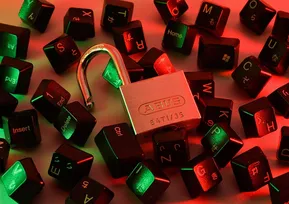
Photo by Fré Sonneveld on Unsplash

Ten mining sites raided

Officials from the state-owned electricity company PLN highlighted the importance of coordinated efforts in exposing the unauthorized mining operations that were tapping into the national grid without approval. According to the reports, the ten illegal bitcoin mining sites which were raided incurred a financial loss of approximately 1.4 billion Indonesian rupees, equivalent to $100,000 for the state.


The impact of energy theft extended beyond financial concerns, raising environmental and community-related concerns. Local students, alarmed by the potential consequences, urged PLN and regional police to investigate the mining operations. Subsequent action revealed that the theft was indeed taking place, prompting PLN officers from the Bukit Barisan Customer Service Implementation Unit (UP3) to conduct a raid. However, the officers faced threats and resistance, leading to a close coordination between PLN and the North Sumatra Regional Police.


The raid uncovered a total of 1,300 bitcoin mining machines engaged in illegal operations, with each machine consuming a substantial 1,800 watts of electricity. Inspector General Agung Effendi, the North Sumatra Police Chief, disclosed that the illicit activities had been ongoing for an estimated six months, resulting in the arrest of 26 individuals across the ten locations.

PLN reassured stakeholders of continued collaboration with the police to prevent further electricity theft and safeguard the national grid from such unauthorized activities.


Worldwide concern

The incident in Indonesia reflects a global concern over the energy consumption of cryptocurrency mining operations generally, but also with regard to illegal activity. In recent years, the environmental impact of these operations has become a focal point in public policy debates, with climate activists emphasizing the harm caused. Government officials, on the other hand, express concerns about the potential disruption to the total distribution network if not properly regulated.


In September, neighboring Malaysia identified illegal crypto mining activities in the state of Sarawak as the reason for recurrent power disruption. Meanwhile, in Singapore in August, authorities uncovered a crypto mining scam that cheated investors out of $1.3 million dollars.


Indonesia joins other countries that have conducted raids on crypto mining operations accused of running large-scale, unregistered facilities. Malaysia has witnessed multiple arrests related to digital asset mines, while in Venezuela, authorities seized bitcoin machines and weapons from a recaptured prison controlled by a criminal gang.


Legitimate mining potential

Notably, this marks the first such incident in Indonesia, and energy theft charges in the country are punishable by up to five years in prison or 200% of the stolen energy’s value. Despite these problems, Indonesia also understands the opportunity that exists where legal bitcoin mining is carried out. In May, Ridwan Kamil, Governor of the province of West Java, participated in a fireside chat titled “The Indonesia Bitcoin Mining Campaign.”


During that event, Governor Kamil recognized the potential that bitcoin mining offers Indonesia. He stated: “[Indonesia has] the second most geothermal potential in the world — more than 800 rivers with hydropower. As bitcoin allows the transformation of energy into money, bitcoin could be transformative for Indonesia.”


The global trend of addressing energy consumption in crypto mining is evident in Kazakhstan, where regulators seek to limit miners’ access to the national grid unless they operate solar-powered mines. Indonesia, with its pro-crypto population, is also moving towards increased regulation, mandating all crypto exchanges to register with the Commodity Futures Exchange (CFX) to continue operations beyond August 2024.




More to Read
View All
Web3 & Enterprise·

Nov 22, 2023

Coins.ph partners with Paxos to further PYUSD adoption

Coins.ph partners with Paxos to further PYUSD adoptionCoins.ph, the Philippines’ leading cryptocurrency exchange, has forged a strategic alliance with Paxos Trust Company, a New York-based institution specializing in blockchain, aiming to propel the adoption of PayPal USD (PYUSD) for seamless cross-border remittances.Photo by C Bueza on UnsplashTargeting fourth largest remittance marketThe Southeast Asian firm outlined details of the partnership via a blog post published to its website on Tuesday. The integration of PYUSD into Coins.ph marks a significant milestone, providing Filipinos with a secure and convenient avenue for transferring funds across borders to their loved ones. Wei Zhou, CEO of Coins.ph, emphasized the foresight in prioritizing the growth of USD stablecoins, particularly PYUSD, acknowledging the Philippines as the fourth largest remittance-receiving country globally, with over 40% of these remittances originating from the United States. Zhou stated:“With PayPal behind it and its availability on platforms such as Venmo and Xoom, PYUSD is set to become one of the most widely used stablecoins in the world.”PYUSD is a U.S. dollar stablecoin promoted by American multinational payment system PayPal and issued by Paxos.Nick Robnett, Senior Director of Customer Success at Paxos, echoed Zhou’s sentiment, stating that PYUSD stands as the safest dollar-backed stablecoin accessible to global institutions and consumers. This regulated digital asset enables Coins.ph users to send U.S. dollars swiftly and affordably, challenging conventional remittance networks and providing enhanced access and economic freedom.Asian expansionThis latest collaboration in the Philippines comes hot on the heels of similar in-roads made elsewhere in Southeast Asia. In Singapore, Paxos has partnered with Crypto.com, an entity that is headquartered in the city-state. The local regulator, the Monetary Authority of Singapore (MAS), had outlined a new regulatory framework for stablecoins in August, making conditions right for Paxos to further develop its PYUSD offering from that location.It got a further boost last week when MAS awarded its local subsidiary, Paxos Digital Singapore Pte. Ltd., in-principle approval to trade within Singapore. The relatively new stablecoin has already been listed on international crypto exchanges such as Bitstamp, Coinbase and Kraken.Philippine potentialThe Philippines is shaping up to have a lot of potential for Paxos and its PYUSD stablecoin. The country has been working on the publication of a regulatory framework for crypto. Coins.ph Head of Legal Compliance, Robert De Guzman, stated in April that the Southeast Asian country was shaping a progressive crypto regulatory framework. Earlier this year, Donald Lim, the Founder of the Blockchain Council of the Philippines (BCP), said that the country was poised for crypto adoption.For users keen on employing PYUSD for remittances, the process is streamlined. Senders transmit PYUSD to the designated Coins.ph wallet address of recipients, from where easy conversion to the Philippine peso (PHP) on the app and subsequent cash-out becomes possible. This can be facilitated through InstaPay or PESONet fund transfers to banks and other e-wallets or through various supported over-the-counter remittance centers endorsed by Coins.ph.

news
Web3 & Enterprise·

Jun 12, 2023

Japan’s Mitsui Introduces Security Token Service to Sony Bank Customers

Japan’s Mitsui Introduces Security Token Service to Sony Bank CustomersAccording to a press release, Mitsui & Co. Digital Asset Management (MDM), a blockchain-based asset management company in Japan, forged a partnership with Sony Bank, a member of Sony Financial Group, to introduce its security token service, Alterna, to the Tokyo-based online bank’s clientele, beginning June 9.Photo by Aleksandar Pasaric on PexelsBank customersMDM aims to establish security token funds and offer them to Sony Bank customers via Alterna, aiming to facilitate stable asset accumulation. This partnership will allow Sony Bank to provide a broader range of financial services.Under the agreement, MDM has entrusted Sony Bank to handle the process of gathering customers interested in purchasing security tokens offered by Alterna. Sony Bank, as MDM’s first online banking partner, will introduce the security token service platform to its customers. MDM is responsible for designing and selling security tokens through Alterna, which will benefit Sony Bank customers.Alterna enables users to transfer funds to securities accounts on its platform without any charges, 24/7. Through the partnership, users can move funds from their Japanese yen deposit accounts at Sony Bank to the accounts available on the Alterna platform. This interlinking of securities and bank deposit accounts will furnish customers with a variety of options for asset accumulation through the use of security tokens.Savings to investmentsBoth MDM and Sony Bank plan to encourage a shift from savings to investments, exploring the development of security tokens and related initiatives.Alterna made its official debut last month, garnering more than 10,000 pre-registrants before its launch. Alterna enables individuals to invest in real-world assets, such as large-scale real estate properties, that generate stable rental income. With security tokens, the platform opens doors to previously inaccessible opportunities, requiring a minimum investment of 100,000 yen.

news
Web3 & Enterprise·

Jan 31, 2024

OKX adds token support for atomicals, runes, doginals and stamps

Leading crypto exchange platform OKX has recently unveiled its plans to enhance its marketplace by incorporating Atomicals (ARC-20), Runes, Stamps (SRC-20) and Dogecoin’s Doginals (DRC-20) into its Web3 wallet. ‘First-to-market’ initiativeTaking to social media on Monday, the firm provided further details regarding the additions, outlining that it is part of a "first-to-market" initiative, solidifying OKX's commitment to the expanding realm of Bitcoin NFTs. The integration of these token standards is aimed at positioning OKX as a leading one-stop NFT ecosystem within Web3. Starting with the integration of Stamps on Feb. 5, OKX Wallet users will gain the ability to view and transfer Bitcoin token standards. Subsequently, in late February, OKX Wallet will extend its support to Atomicals, Doginals and Runes, enabling millions of users to engage in buying and selling these NFTs without incurring any trading fees. OKX Marketplace will also follow suit, integrating DRC-20, ARC-20 and Runes standards in late February, thus broadening the scope for users to participate in zero-fee trading.Photo by Shubham's Web3 on UnsplashDriving mainstream adoption of Web3Jason Lau, chief innovation officer at OKX, underscored the platform's dedication to driving mainstream adoption of Web3 technologies, making the exploration and realization of NFT potential more accessible for users. Despite concerns about potential blockchain congestion due to NFTs, Lau characterized these challenges as "growing pains," expressing confidence that they will be addressed over time. Lau told CoinDesk that “these things will last forever, as long as the chain lasts.” Emphasizing the surge in activity and user growth since the launch of their product, Lau positioned OKX as an evolving platform at the forefront of developing tools for users to access all of Web3. OKX Wallet's inscriptions tool presently supports minting on 23 networks, including Bitcoin, Dogecoin, Ethereum, Polygon, BNB Chain, Avalanche-C and Arbitrum One, among others. Boosting OKX MarketplaceThe move aims to establish OKX Marketplace as the largest NFT marketplace in the industry, boasting zero-fee trading across an expanding range of token standards. The platform's advanced NFT offering includes features such as hex error checking, liquidity across multiple standards, bulk minting capabilities and automatic error detection. Despite OKX's open embrace of Ordinals and other Bitcoin protocols, some members of the Bitcoin ecosystem express discontent, labeling Ordinals as digital spam. Jason Lau vehemently disagrees, asserting that in open and permissionless networks like Bitcoin, "there is no such thing as spam." He contends that as long as fees are paid and transactions adhere to consensus rules, they are valid. Lau emphasizes OKX's historical support for the Bitcoin ecosystem, including upgrades like SegWit, Taproot and Lightning. As debates surrounding the role of Ordinals and NFTs within the Bitcoin ecosystem persist, OKX's proactive stance signals a belief in the potential of Bitcoin-based NFTs to introduce innovative use cases and design possibilities. The disruptions experienced by various blockchains in December, attributed to increased transaction activity related to inscriptions, underscore the growing impact of these developments within the Bitcoin ecosystem and the broader crypto landscape. 

news
Loading