Top

Travel booking startup targets Bitcoin investors with cashback offer

Web3 & Enterprise·March 08, 2024, 2:11 AM

Travala.com, the Cayman-incorporated company that provides crypto-native travel booking service, has unveiled an enticing offer for Bitcoin investors, involving cashback paid in the leading cryptocurrency in collaboration with the AVA Foundation.


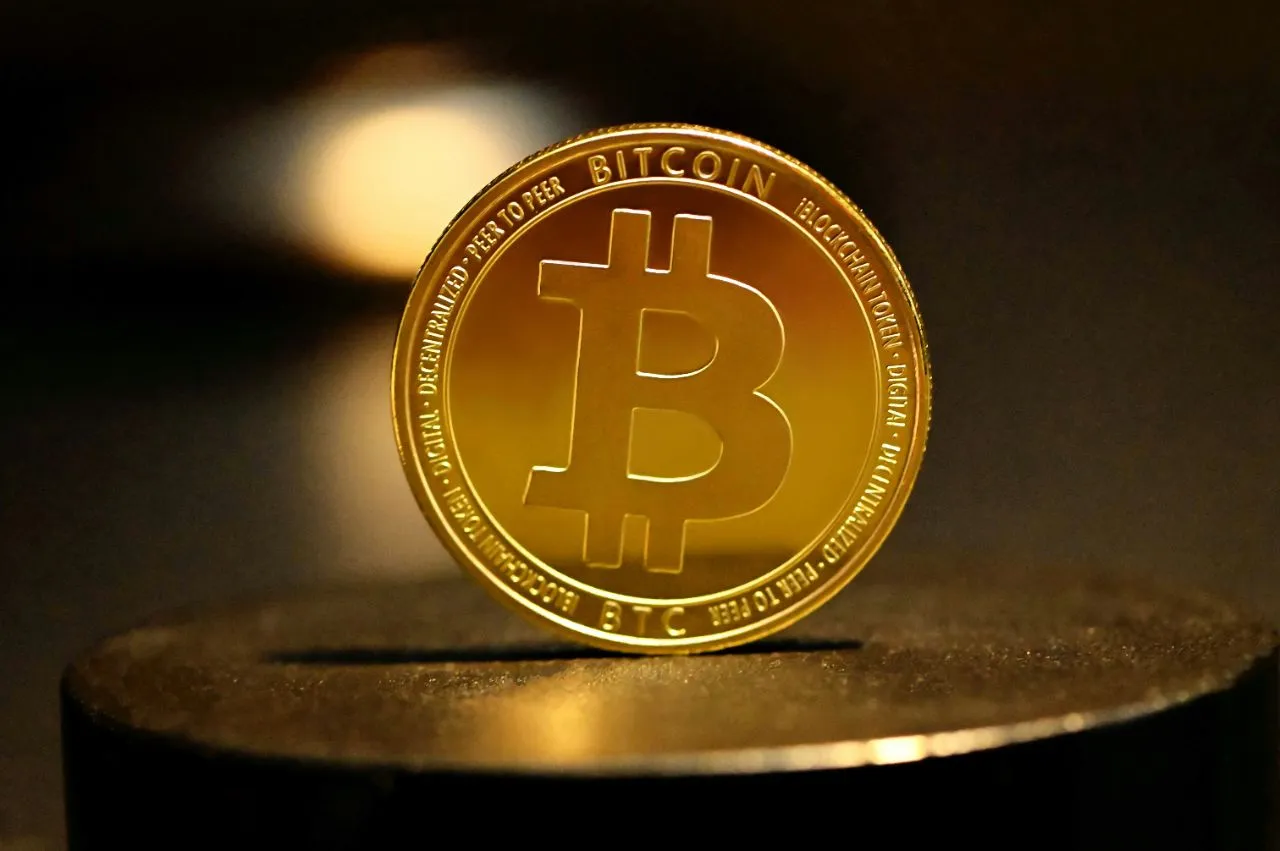
This initiative, announced by the firm on the X social media platform on March 7, aims to reward travelers who pay for their bookings in Bitcoin, encompassing an array of travel options, from flights to hotels and activities spanning across three million destinations globally.
https://asset.coinness.com/en/news/fcd46487de3655713f2d0219b98b14da.webp
Photo by Kanchanara on Unsplash

10% BTC cashback

Unlike traditional cashback systems, where waiting periods for rewards can be lengthy, Travala.com ensures swift crediting of Bitcoin cashback into users' accounts within 24 hours after the completion of their trips. As part of this offer, cashback will be paid to the value of 10% of the customer’s spend, payable in Bitcoin.


Since its establishment in 2017, Travala.com has positioned itself at the intersection of cryptocurrency and travel, offering a diverse platform for bookings across various properties, activities and airlines. With support for over 90 digital currencies, the platform remains focused on cryptocurrency adoption, while aiming to provide value and flexibility for its users.


Mass adoption opportunity

Juan Otero, CEO of Travala.com, emphasized the growing appeal of Bitcoin to mainstream audiences, buoyed by recent developments like the approval of the first Bitcoin spot exchange-traded fund (ETF) in the United States. Otero sees this initiative as a means to broaden the adoption of crypto for everyday transactions, providing travelers with an efficient way to utilize reward programs.


The move towards Bitcoin-based rewards reflects the early stages of an industry-wide shift in travel loyalty programs. With traditional points-based systems losing traction, there's a burgeoning demand for innovative incentive schemes.


Steve Hipwell, a contributor to the AVA Foundation, highlighted the success of the AVA Smart Program, which has already distributed over $2.1 million worth of travel rewards in AVA tokens to customers who completed trips booked through Travala.com. By integrating direct Bitcoin rewards, the aim is to capture an additional segment of travelers seeking ways to save on their journeys.


Bitcoin stands out as one of the top three payment methods on Travala.com, accounting for approximately 9% of travel bookings on the platform. In 2023, travelers splurged over $5 million in BTC on flights, hotels and activities.


Travel Tiger NFTs

Access to Travala's BTC cashback scheme comes with a degree of exclusivity. Users must possess a Travel Tiger NFT and stake 2,500 AVA tokens to activate Smart Diamond membership.


This exclusivity stems from the limited availability of Travel Tiger NFTs, with only 1,000 in existence. These NFTs, minted on the Ethereum blockchain, serve as randomly generated utility collectibles. Market data from OpenSea places the floor price of Travel Tigers at 2.85 ETH, roughly valued at $11,165 at the time of writing.


This tie-up with the AVA Foundation is not Travala’s first partnership. In November 2023 the company struck a deal with travel industry meta-search giant Kayak, allowing it to integrate with Kayak and enable platform users to search more effectively for travel deals. Back in 2019, the company had struck a similar partnership with accommodation booking platform Booking.com. 

More to Read
View All
Policy & Regulation·

Sep 19, 2023

Kazakhstan Launches NPC With CBDC Implementation by 2025

Kazakhstan Launches NPC With CBDC Implementation by 2025Kazakhstan’s National Bank (NBK) has unveiled the National Payment Corporation (NPC), a dedicated entity responsible for spearheading the development and launch of the country’s central bank digital currency (CBDC), known as the digital tenge.In a press release published last Friday, the NBK set out that the launch of the NPC is effectively a restructuring of the Kazakhstan Center for Interbank Settlements. The new entity has been entrusted with overseeing the national payment system.This mandate includes overseeing critical functions like interbank clearing services, facilitating money transfers, and managing digital identification. However, the NPC’s central mission revolves around establishing a robust “digital financial infrastructure” with a primary focus on realizing the digital tenge.Photo by Uladzislau Petrushkevich on Unsplash2025 targeted launch dateThe journey toward the digital tenge began in February of this year, with an ambitious launch date set for 2025. Deputy Governor of the NBK, Berik Sholpankupov, initially articulated a vision centered on a “collaboration between traditional finance and DeFi,” aimed at significantly improving financial inclusion and strengthening international trade.As of now, the CBDC pilot in Kazakhstan has advanced to a controlled environment pilot phase involving actual consumers and merchants. One of the key partners in this venture is Binance, the world’s largest cryptocurrency exchange. Binance is actively supporting the pilot through its technical solution, BNB Chain, marking a convergence between traditional financial institutions and the blockchain-based cryptocurrency sector.Kazakhstan’s pursuit of CBDCs aligns with a global trend as numerous countries worldwide explore the potential of CBDCs. An astounding 105 countries, representing a substantial 95% of the global gross domestic product (GDP), are currently exploring the concept, highlighting the collective recognition of the transformative potential of digital currencies in shaping the future of finance.Last week it emerged that the NBK had entered into a collaboration with the global financial messaging service SWIFT relative to the beta-testing of a CBDC.Attracting global exchangesIn a move that bolsters the development of crypto in the central Asian country, Binance launched a regulated digital asset platform in collaboration with the local Freedom Finance Bank. Around the same time, Bybit secured in-principle approval to trade within the country from the local regulator.Kazakhstan’s proactive stance toward cryptocurrency is also evident in its taxation policies. In 2022, the government collected approximately $7 million in tax payments from cryptocurrency mining entities following the implementation of revised regulations governing the fiscal responsibilities of cryptocurrency mining.Additionally, the government introduced legislation aimed at curbing excessive energy consumption by domestic crypto miners, instituting licensing requirements, and making minor adjustments to the taxation framework.Kazakhstan’s steps in establishing the National Payment Corporation and venturing into the realm of CBDCs reflect the country’s interest in embracing the digital era and staying at the forefront of financial innovation. As the industry looks on, Kazakhstan’s digital tenge project could serve as a model for others seeking to bridge the gap between traditional finance and the exciting possibilities of DeFi.

news
Web3 & Enterprise·

Apr 24, 2023

Korean Cafe Attracts Customers with NFTs

Korean Cafe Attracts Customers with NFTsA South Korean cafe owner has employed non-fungible tokens (NFTs) as an ingenious marketing strategy to attract customers.©Pexels/Leeloo ThefirstNFT holder benefitsIn an interview with Korean crypto news outlet Digital Asset, Yoo Hyun, the entrepreneurial business owner, explained that he was seeking a strong marketing tool to capture the attention of the NFT market. Yoo was interested in seeing if his cafe could remain profitable while also offering substantial benefits to its customers.Since April 2022, Yoo has released a total of 50 Ethereum-based NFTs related to his cafe, Hide Me, Please (HMP), in two separate batches of 25 each. The first set of NFTs grants holders a free cup of coffee or drink daily for life, while the second set offers an extra drink or dessert with each drink purchased.Increased revenueThis unique NFT initiative has led to increased revenue for the cafe. Kim Dae-sung, the CFO of HMP, explained that the cafe’s monthly revenue increased by 15% compared to the same period last year.HMP is currently selling 500 NFTs as a third set and plans to release more depending on demand. Yoo highlighted the importance of an appealing interior design and tempting desserts, as NFT holders visiting for a free coffee may be enticed to purchase a dessert as well.Regular customersYoo asserts that the food and beverage industry hinges on retaining regular customers and believes NFTs can help achieve that objective. HMP aspires to become a community-based platform, and according to Kim, many digital artists are interested in the space that the cafe provides because it enables them to connect with clients. Collaborations often take place, and while the cafe charges for food and drinks, it does not charge for space rental. This approach fosters a positive impression and contributes to a strong brand image.High-quality cafeAt present, about 5% of HMP’s customers hold NFT memberships. Yoo and Kim plan to increase this number to 10% but no higher, as excessive reliance on NFT members could jeopardize the business. They underlined the significance of remaining a high-quality cafe, staying true to the core foundation of their enterprise. As they anticipate the growth of the Web 3.0 ecosystem, Yoo and Kim believe that with continued efforts, HMP will gain even greater value.

news
Web3 & Enterprise·

Jan 23, 2024

NEOPIN to launch bridge platform for Finschia, Ethereum and Klaytn networks

Centralized decentralized finance (CeDeFi) protocol NEOPIN is gearing up to launch NEOPIN Bridge, a platform designed to bridge the Finschia network with Ethereum Virtual Machine-based (EVM) networks like Ethereum and Klaytn. According to an official announcement via Medium on Tuesday (KST), the service will be launched by the end of February.Photo by Shubham's Web3 on UnsplashLinking ecosystemsEver since its establishment of an official partnership with the Finschia Foundation last month, NEOPIN has been developing Finschia’s first EVM-compatible bridge. The project is intended to facilitate the process of exchanging cryptocurrencies for users on the Finschia, Ethereum and Klaytn networks. This will enhance the development and liquidity of the Finschia and Klaytn ecosystems through the integration of Ethereum-based stablecoins.  Currently, NEOPIN’s DeFi protocols are accessible only through the NEOPIN Wallet. But with NEOPIN Bridge, user accessibility and convenience will be enhanced through provided support for various wallets like MetaMask, Kaikas, DOSI Vault and more. New services will also be implemented, including token swaps for users to transfer the converted Finschia tokens (FNSA) through the bridge. NEOPIN is the only DeFi protocol that simultaneously supports both the Finschia and Klaytn mainnets, who recently announced a joint proposal for the Dragon DeFi Initiative – a project to build a DeFi ecosystem active on both the Finschia and Klaytn mainnets. NEOPIN’s strengthsWith a record of zero incidents including stake slashing since 2018, along with a 99.99999% block generation rate, the protocol touts a clean track record in node validation across multiple blockchains, emphasizing its dedication to trust and stability. “NEOPIN is recognized for its robust security and reliability, serving as a role model for the Abu Dhabi DeFi regulatory framework. The launch of our self-developed NEOPIN Bridge is a significant stride towards encouraging the growth of the Finschia and Klaytn ecosystems,” said Ethan Kim, CEO of NEOPIN.

news
Loading