Top

New K-drama ‘To the Moon’ debuts amid Ethereum price gains

Markets·September 19, 2025, 8:51 AM

As cryptocurrencies continue to captivate South Korea, the world of ordinary digital asset investors is set for its primetime debut. Today, major broadcaster MBC is scheduled to premiere “To the Moon,” a new television drama that explores the risks and rewards of crypto investing. In crypto slang, “to the moon” refers to expectations of a sharp price surge, a phrase often used by traders to signal bullish sentiment.


The series, airing Fridays and Saturdays, is an adaptation of Jang Ryujin’s 2021 novel of the same name, with an English edition released on June 19 of this year. It chronicles the lives of three young women who, despite landing what most would consider solid positions at a confectionery company, find their ambitions stifled by economic realities. Confined to small studio apartments and seeing little room for advancement, they turn to the volatile world of cryptocurrency as their pathway to upward mobility. The publisher describes these burnt-out protagonists’ journey as one that oscillates between humor and despair.
https://asset.coinness.com/en/news/1060c3354d4a8de03fdc127ef7fee876.webp
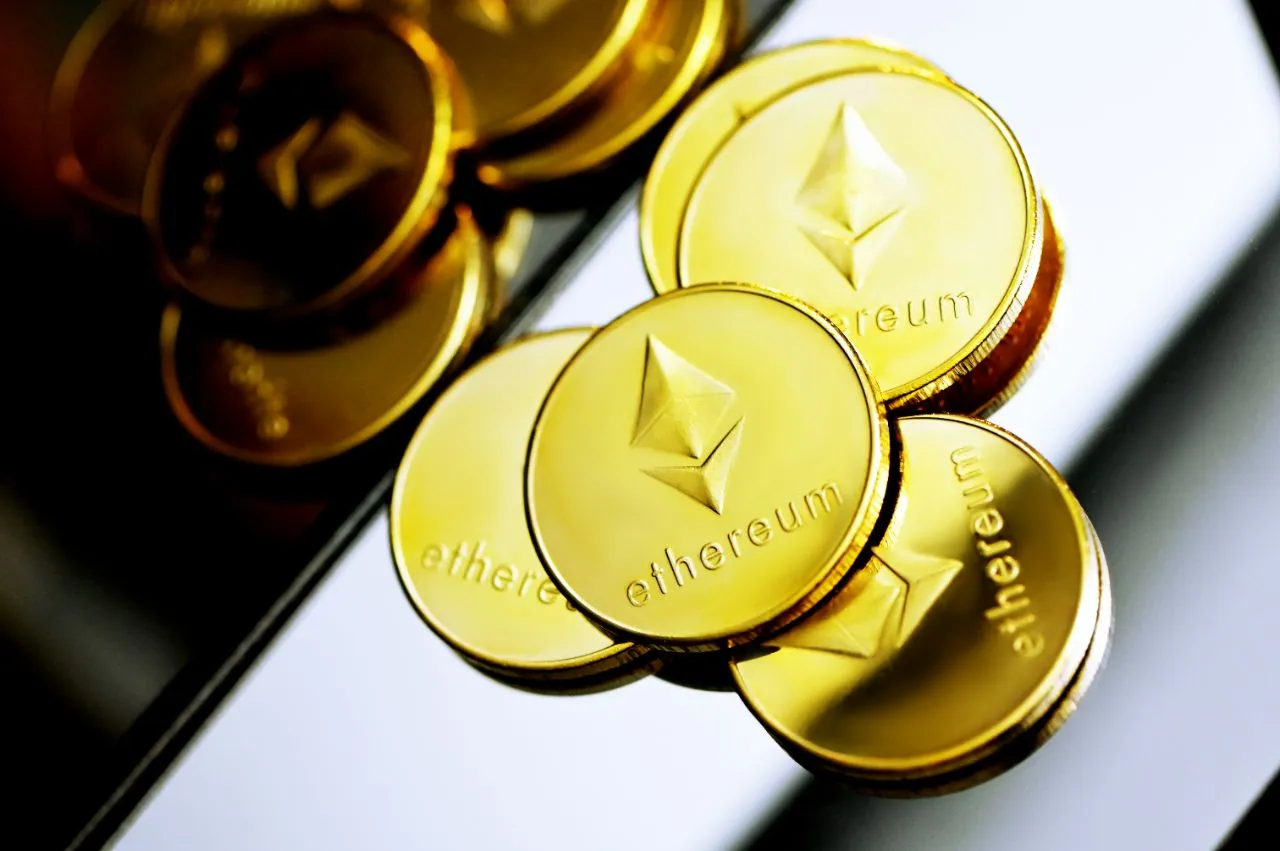
Photo by Kanchanara on Unsplash

Ethereum’s rally and rising optimism

In the original novel, the plot is ignited when one of the women achieves a significant windfall by investing in Ethereum (ETH), inspiring her colleagues to join the fray. What follows is a familiar tale for many investors. They experience a period of wild price swings and respectable profits, only to see their winning streak abruptly halted by a severe market downturn. At the time the book was published in April 2021, ETH traded at roughly $2,100. Today, by contrast, CoinMarketCap data shows the asset trading at $4,543.14, more than doubling since the book’s release.


Support for this bullish outlook comes from well-known market voices. Tom Lee, Fundstrat founder and chairman of ETH treasury firm Bitmine, told CNBC that Ethereum (ETH), Bitcoin (BTC), and the Nasdaq 100 would benefit most if the Federal Reserve cut rates, predicting a strong rally in the next three months. He made these comments before the Fed’s actual move, a quarter-point rate cut announced at its Sept. 17 Federal Open Market Committee (FOMC) conference. In a separate Fox Business interview, VanEck’s CEO echoed this view, saying ETH will emerge as the leading asset as banks adopt blockchain for stablecoin transactions.


Data also points to growing strength. According to Token Terminal, the supply of Ethereum-based stablecoins has recently reached an all-time high of $168 billion. This milestone is largely attributable to the fact that over half of the entire stablecoin supply now operates on the Ethereum network, underscoring its foundational role in the digital economy.


Talent drain and security risks

Still, there are headwinds that could slow Ethereum’s ascent. A recent survey by Protocol Guild, an independent funding group for Ethereum core developers, revealed a compensation gap that threatens the network's long-term health. The survey found that Ethereum core developers are receiving external job offers with a median salary of $300,000—more than double the $140,000 median they currently earn for maintaining and upgrading the network. Protocol Guild has noted that this disparity could precipitate a talent exodus, potentially slowing future development.


Security has been an ongoing concern, with ETH often targeted by hackers. In a reminder of the sector's vulnerabilities, the crypto exchange Bybit reported a theft of 401,000 ETH in February, an amount valued at roughly $1.5 billion at the time. The U.S. Federal Bureau of Investigation later identified the exploit, one of the largest in crypto history, as the work of the North Korean hacker known as “TraderTraitor.”


"To the Moon" is set to air at a time when its themes of innovation and risk are playing out in the real world of crypto. The industry is riding a wave of institutional adoption and high valuations, but it's also facing a talent crunch and security concerns. These dynamics continue to keep digital assets on investors’ radar in South Korea and beyond.


 

More to Read
View All
Web3 & Enterprise·

Apr 01, 2024

Koscom strengthens ties with brokerages to boost security token platforms

As the South Korean capital market eyes the burgeoning potential of security token offering (STO) businesses, Koscom, a financial IT company, is increasingly coming into focus among securities firms for its dedicated STO platform. With four securities companies already in partnership, Koscom is actively seeking to expand its collaboration network further. Koscom is a technology subsidiary of Korea Exchange, the country’s only securities exchange operator.More partnerships with securities firmsAccording to its press release published a few weeks ago, Koscom inked a memorandum of understanding (MOU) with Yuanta Securities Korea, the South Korean branch of the Taiwanese retail broker. Through the partnership, the two entities pledged to collaborate on developing blockchain platforms and discovering new STO projects.  The MOU between Koscom and Yuanta is the fourth STO-related partnership Koscom has inked with a securities company. Koscom's other three brokerage partners are Kiwoom Securities, Daishin Securities and IBK Securities. With over four decades of experience in managing ledgers for brokerages, Koscom is highly skilled in constructing technical infrastructure for the capital market. As the operator of its own blockchain platform, this fintech company has been developing blockchain technology and acquiring relevant expertise.Photo by Shubham Dhage on UnsplashSecurity token issuance and distributionThe necessity for blockchain-based STO platforms provided by companies like Koscom for brokerages stems from regulations set forth by the Korean financial authority. The Financial Services Commission (FSC) mandates that the issuance and distribution of security tokens must be carried out by separate entities. This regulatory framework necessitates a platform that enables securities firms to connect and interact with each other. Koscom offers a joint STO platform designed to streamline transactions between brokerages, improving cost-effectiveness. In light of this, the financial IT company concentrates on developing such platforms with the aim of laying a solid foundation for the emerging STO market. According to local media outlet Etnews, Koscom has set its sights on completing the platform development within the first quarter, with plans to address additional requirements from brokerages subsequently. Striving to expand its network of partnerships to include companies both large and small, Koscom recognizes that a more diverse array of participating firms can enhance the efficiency of token issuance and distribution, which would in turn accelerate the adoption of STOs. Koscom’s strategy offers its partners an opportunity to test its STO infrastructure before the relevant legislation governing the management of security tokens is passed at the National Assembly. Regarding this development, Kim Sung-hwan, Head of the Digital Business Division at Koscom, said, “Koscom’s joint STO platform is emerging as an alternative method for brokerage firms to venture into the security token business. Factors such as costs and workforce requirements have made it difficult for many firms to proceed independently.” He added, “We will provide full technical support for our platform users, allowing them to focus on identifying reliable underlying assets for security tokens.” 

news
Web3 & Enterprise·

Oct 06, 2023

HKEX Launches Blockchain-Based Settlement Platform

HKEX Launches Blockchain-Based Settlement PlatformHong Kong Exchanges and Clearing Limited (HKEX) has unveiled a blockchain-based settlement platform in a move that could potentially transform the landscape of international stock trading, bolstering transparency, efficiency, and operational security.Photo by Ruslan Bardash on UnsplashHKEX SynapseAccording to an announcement on Wednesday (local time), the new platform is called Synapse, and it is set to launch on October 9. The platform utilizes smart contracts developed in the DAML programming language, offering a range of benefits for market participants.Synapse’s primary objective is to streamline post-trade workflows, minimize settlement risks, and enhance transparency in the financial markets. It will be deployed on HKEX’s Stock Connect, a program that allows international investors access to over 1,000 mainland Chinese stocks through Hong Kong routing.With an average daily turnover of RMB 109.3 billion ($15.18 billion) in the first half of 2023, up 5% from the previous year, with a 50% increase from 2020 levels, Stock Connect has established itself as an important channel for international investment.DAML-based smart contractsOne of Synapse’s standout features is its use of DAML, an open-source smart contract language. DAML has the capability to synchronize data across both blockchains and centralized databases, which can significantly improve operational efficiency. By incorporating smart contracts into the settlement process, Synapse enables automatic generation of settlement instructions, reducing the time and manual effort required for trade confirmation. This not only reduces the likelihood of errors but also accelerates settlement, enhancing liquidity and boosting investor confidence.Additionally, Synapse facilitates concurrent processing by simultaneously generating settlement instructions for all parties involved in the trade. This near-instantaneous status update mechanism is especially crucial when connecting traders across different markets. HKEX’s connection to Hong Kong’s Depository Trust and Clearing Corporation via its Institutional Trade Processing service further centralizes cross-border transaction matching, creating a robust ecosystem for seamless trading.Synapse’s launch reflects HKEX’s interest in nurturing international participation where Mainland China’s equity markets are concerned. Glenda So, HKEX Group Head of Emerging Business and FIC, expressed her enthusiasm for the platform’s potential to strengthen both market and investor growth strategies. She believes that Synapse will not only enhance post-trade efficiencies but also contribute to building a more resilient financial ecosystem.Established interest in crypto/blockchainThis is not HKEX’s first expression of interest in blockchain-based technology. In a report it published earlier this year, the Hong Kong stock exchange concluded that crypto exchange-traded funds (ETFs) have the potential to play an important part in building the next phase of digital asset expansion in Asia. Trading in the first crypto ETFs commenced on the platform in December of last year.It’s worth noting that Hong Kong has been rapidly evolving into a hub for Web3 firms, further emphasizing the importance of platforms like Synapse to enhance the efficiency and security of financial transactions in this dynamic environment. While developments in the crypto space are ongoing, Synapse’s blockchain-based settlement platform represents yet another milestone in the evolution of crypto and blockchain-centric financial infrastructure in the region.

news
Web3 & Enterprise·

Aug 24, 2023

Maple Finance Secures $5 Million to Fund Asia Expansion

Maple Finance Secures $5 Million to Fund Asia ExpansionMaple Finance, a crypto capital network focused on institutional business, has recently concluded a funding round that raised $5 million, with a view towards using the funds to finance an expansion into the Asian market.Maple Finance operates as a platform that empowers lending pool delegates and credit professionals to establish their own credit facilities on the blockchain. These facilities cater to different borrowers who can draw from these pools.Notably, Icebreaker Finance initiated a $300 million lending pool on Maple to assist Bitcoin miners in 2022. Maple Finance functions as the infrastructure atop which these lending pools are built, with pool delegates and lenders independently evaluating and verifying their risk.Photo by Monstera on PexelsMaple Direct lendingThe capital infusion was led by Blocktower Capital and Tioga Capital, with participation from supporters including GSR Ventures, Cherry Crypto, Veris Ventures, and Spartan Capital. This funding will not only facilitate Maple Finance’s expansion endeavors but will also fuel the growth of its newly introduced pure-play lending division, Maple Direct.Maple Finance has spotted an opportunity that has opened up due to the collapse of lending giants like Genesis Lending, BlockFi, Voyager, and Celsius in the institutional lending space. In addition to its role as a platform for facilitating third-party pool creation, Maple Direct was launched in June. It offers overcollateralized loans secured by Bitcoin, Ethereum, and staked Ethereum as collateral.Sydney Powell, the firm’s Co-Founder and CEO explained that Maple Direct is designed to offer an over-collateralized lending product transparently on-chain, providing a differentiated approach in the market. Unlike other platforms, borrowed collateral isn’t rehypothecated for yield generation; instead, it is securely held with a qualified custodian. This strategy positions Maple Finance to cater to market demand while minimizing risk.Strategic expansionPowell told TechCrunch: “I think now is the time to do that because all the other competition exited, and so that’s created this opportunity for us to step in and offer a product.” He expanded further on how the company is thinking strategically, relative to the expansion of the services it is now offering: “Other players try to focus on just trying to build the technology, kind of like Uber and Airbnb. What we’ve tried to do is to act as an underwriter so we need to show credit expertise. I think it gives us a little bit more control over the outcome and it’s a little bit closer to Apple in that it’s more vertically integrated.”Pushing into AsiaThe newly raised funds are earmarked for global expansion, with a particular focus on the Asia-Pacific (APAC) region. This is a strategic move, considering that several jurisdictions in APAC, such as Singapore and Hong Kong, have adopted pro-crypto regulations.“In Asia, you have regulatory clarity, or rather, regulatory support, both coming out of Hong Kong and Singapore in terms of new legislation that’s come through, and you already have a very heavy trading focus over there,” Powell stated.Maple’s product development is ongoing. Earlier this month, the company launched a Treasury Bill Pool that provides accredited investors with access to US Treasury Bills with what it claims is a “risk-free rate” of return, given that the pool generates a yield of 4.67%.

news
Loading