Top

Bahrani Bank Launches JPM Coin Payments

Web3 & Enterprise·September 28, 2023, 1:34 AM

Bank ABC, headquartered in Bahrain, has become the first Middle Eastern bank to offer faster cross-border payment solutions for corporate and financial institutions using JP Morgan’s Onyx Coin Systems.

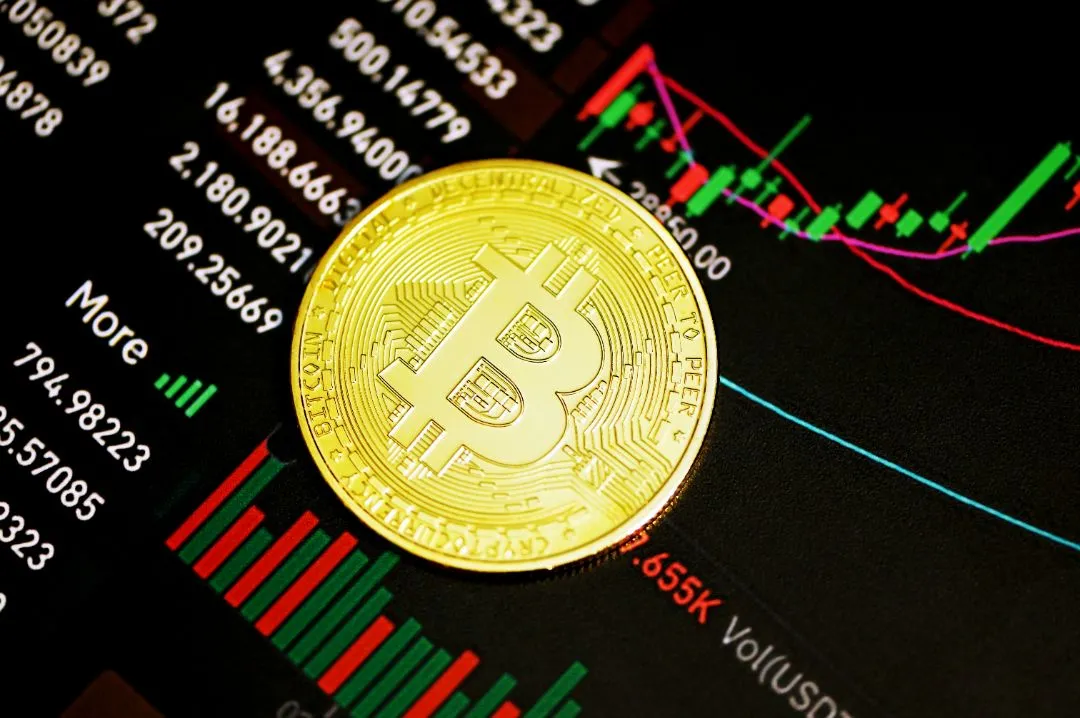
Photo by Satheesh Cholakkal on Pexels


Central bank collaboration

This blockchain-based permissioned system, housed within JP Morgan’s Onyx platform, aims to enhance the efficiency and speed of international payments. The introduction of the blockchain-based payment service by Bank ABC follows a closely coordinated effort with the Central Bank of Bahrain (CBB), demonstrative of the interest of both institutions in embracing cutting-edge financial technology.

Central Bank of Bahrain Governor Rasheed Al Maraj praised the collaboration, stating:

“After working closely with JP Morgan and Bank ABC over the past two years to experiment with cross-border commercial transactions between Bahrain and the US, leveraging the JP Morgan Coin System, we are pleased to witness the soft launch of this innovative banking solution by a Bahraini-based bank.”


Embracing innovation and digitalization

The initiative aligns with the CBB’s strategic vision to embrace innovation and digitalize the kingdom’s financial services sector. By eliminating inefficiencies in traditional cross-border payment systems, this solution aims to facilitate trade between Bahrain and the US, with the ultimate aim of stimulating greater economic activity.

Bahrain has been demonstrating more recently a desire to move away from its oil-based economy and embrace blockchain technology as part of that diversification. Bank ABC Group CEO Sael Al Waary stated that it was playing a role as a key enabler of Bahrain’s vision for a digital economy.

He expressed gratitude to the Central Bank of Bahrain for its support and leadership and recognized JP Morgan for its pivotal role in advancing cross-border payments. The bank’s CEO outlined the organization’s commitment to introducing innovative products and highlighted the benefits of the JP Morgan Coin Systems service. He explained:

“Offering high-value cross-border payments via the JP Morgan Coin Systems service allows us to reduce traditional settlement periods considerably and be more cost-effective for our clients.”

Naveen Mallela, Global Head of Onyx Coin Systems at JP Morgan, underscored the significance of the launch, stating: “Bank ABC has been one of the earliest adopters of the JPM Coin offering, and we are delighted to launch the first-of-its-kind commercial payment offering between JP Morgan and Bank ABC using distributed ledger rails.”


Enabling cross-border transactions

The service enables cross-border commercial transactions to occur instantly and with certainty between Bahrain and US corridors. While initially launched with USD and specific locations, the roadmap includes plans for additional locations and currencies, with the euro notably on the horizon. Furthermore, the introduction of programmable payment offerings will empower mutual corporate clients to execute event-driven and automated payouts, enhancing dynamic and real-time treasury management.

The launch of this service is a pivotal step in Bank ABC’s digital transformation program, aimed at future-proofing and diversifying the bank’s offerings with the latest banking innovations. The initiative reinforces the bank’s undertaking to provide cutting-edge financial services while contributing to the evolution of Bahrain’s digital economy.

As financial institutions across the world continue to explore the potential of blockchain and distributed ledger technology, Bank ABC’s collaboration with JP Morgan sets an example for others in the Middle East to evaluate.

More to Read
View All
Markets·

Mar 04, 2024

Bitcoin rally significantly benefits online-only Kbank in Korea

Following the recent bitcoin boom, transactions in cryptocurrencies among Korean investors have surged, significantly benefiting local banks that have made contracts with Korean crypto exchanges to offer real-name accounts for crypto investors. As the price of bitcoin soared to as high as KRW 90 million ($67.6 million) in Korea on Thursday, online-only bank Kbank saw an uptick in trading fee revenue, according to local media outlet The Seoul Economic Daily. Kbank is a partner with crypto exchange Upbit, which accounts for 70% of the Korean crypto market.  Under the current law, Korean crypto exchanges offering trading against Korean won must secure real-name accounts from a bank. These banks typically earn fees of KRW 300 to KRW 1,000 per transaction. Currently, other than Kbank, NongHyup Bank offers real-name accounts to Bithumb, Kakaobank to Coinone, Shinhan Bank to Korbit and Jeonbuk Bank to Gopax.Photo by Kanchanara on UnsplashCrypto trading volume up 68.2% in a monthAccording to Xangle, a crypto data intelligence platform, the total crypto trading volume in Korea rose by 68.2% between the last week of January and the last week of February, rising from KRW 2.39 trillion to KRW 40.2 trillion. During the same period, the daily average trading volume also grew from around KRW 4 trillion to KRW 5.7 trillion.   In particular, the bitcoin trading volume on Upbit surged to 19,254 BTC on Feb. 28, reaching the second-highest level since Nov. 10, 2022, when the asset’s trading volume stood at 20,710 BTC. After signing the real-name account contract with Upbit in 2020, Kbank raked in KRW 29.2 billion in fees during the last bull market of 2021, which was equivalent to 14% of its annual interest income of KRW 198 billion and exceeded its net income for the year, which stood at KRW 22.5 billion. Increased bank deposits from exchange usersKbank also saw a substantial rise in its balance sheet, with Upbit users depositing around KRW 2.94 trillion into their real-name accounts. The sum is six times greater than the deposits made into NongHyup Bank by Bithumb users, which stood at KRW 547.1 billion.  Experts see that the surge in Kbank’s user base, which recently surpassed 10 million users, is largely attributed to growing excitement surrounding bitcoin. One crypto insider said that crypto trading fees, which have been on the decline for the past 2 years, could take a turn this year, signaling further gains for the affiliated banks.  

news
Web3 & Enterprise·

Aug 16, 2023

ONEUNIVERSE Holds Second NFT Sale for Champions Arena

ONEUNIVERSE Holds Second NFT Sale for Champions ArenaSouth Korean metaverse developer ONEUNIVERSE said Wednesday it is holding its second sale of non-fungible tokens (NFTs) in celebration of the upcoming release of its newest AAA Web3 game, Champions Arena.Photo by Stefan Gall on UnsplashFueling earningsThe NFTs, called Champion NFTs, will play a pivotal role in boosting the core Play-to-Earn (P2E) feature of the game. Players must possess Champion NFTs in order to earn victory points, or VPs, within the game’s central hub called the Arena. These VPs can then be converted to and distributed as Gala (GALA), the native token of the game’s publisher Gala Games.The amount of VP that a player can acquire depends on factors such as the quantity and ranking of the Champion NFTs in their collection, as well as their tier ranking. Hence, more Champion NFTs means more VPs.“We are delighted to meet the demand of gamers who are eager to purchase NFTs leading up to the official release of Champions Arena. Through this sale, our goal is to ensure that as many users as possible can experience one of the core functionalities of the game — earning — right from the initial launch,” said Choi Won-jong, Chief Business Officer of ONEUNIVERSE.Global launch and exclusive offersChampions Arena will launch globally at 5 PM PT on August 23 as a mobile and PC game with the exception of South Korea and select countries, according to Gala Games. The NFTs will be available for purchase on the Gala Games official website starting today until the launch. They will be packaged within “Champion Boxes” that contain one of 18 different playable Champions, including those in the highest tier of Legendary.There is also an exclusive 30% discount event running until 3 PM on August 21.

news
Policy & Regulation·

Apr 10, 2025

Thailand counters cybercrime with tighter controls on foreign crypto P2P platforms

Thailand has taken steps to tighten controls on digital asset mule accounts and overseas crypto peer-to-peer (P2P) platforms in an effort to combat cybercrime.Photo by Growtika on UnsplashLegislative amendmentsOn April 8, the Securities and Exchange Commission (SEC), a local regulator, published a statement explaining that the Thai cabinet has passed a resolution approving a number of amendments to the Southeast Asian nation’s digital asset business law and its cybercrime law. The regulator asserted that the amendments are designed to “strengthen measures against cybercrime and mule accounts, enhancing the security of public financial transactions and improving the effectiveness of combating online scams.” The amendments won’t become effective until such time as they are published in the Government Gazette of Thailand, an official public journal that acts as a primary source for Thai law. Mule accountsOne aspect that has been addressed is the enhancement of measures taken in an effort to block digital asset mule accounts. Criminals utilize mule accounts in an effort to launder the proceeds of crime.  While this happens with conventional bank accounts, it is also now happening with digital asset exchange accounts and digital asset wallets. Accounts may have been established for legitimate purposes but later fall under the influence of criminals who utilize them for money laundering. According to a report by the Bangkok Post last month, the Thai SEC had been collaborating with the Thai Digital Asset Operators Trade Association (TDO) and digital asset businesses in order to formulate these new measures.  The standard was also established following consultation with the Bank of Thailand, the Cyber Crime Investigation Bureau, Central Investigation Bureau, the Anti-Money Laundering Office and the Thai Bankers' Association. It is hoped that these enhanced mechanisms will lead to earlier detection of unusual customer behavior, enabling the authorities to intervene at an earlier stage to block mule accounts.Going forward, the regulator will collaborate with the TDO in monitoring and evaluating implementation of the new measures. Individuals who allow their digital asset accounts to be used by criminals will face up to three years' imprisonment and a fine of up to 300,000 Thai baht ($8,765). Blocking P2P platformsAnother change is being implemented in respect of offshore crypto P2P platforms. The objective of that particular measure is to deter and prevent the use of such platforms by investors within Thailand.  It’s envisaged that the Ministry of Digital Economy and Society will now be enabled to move more swiftly in blocking website and application access to these foreign P2P platforms. Such offshore platforms will be deemed to be attempting to solicit local investors if they offer payment options in Thai baht, provide online services or applications using the Thai language or if they accept payments through Thai bank accounts. Earlier this month, Thai law enforcement raided five unlicensed crypto firms. The raid led to the arrest of 11 individuals, charged with illegally operating e-money services related to enterprises responsible for a combined $29 million turnover. 

news
Loading