Energy Theft Results in Crypto Mining Operation Shutdown in Borneo
Authorities in Miri, a city on the island of Borneo in Malaysia, swiftly responded to a tip-off from the public, leading to the successful shutdown of an illegal cryptocurrency mining operation.
According to local news source, The Borneo Post, during a well-executed raid, 34 mining servers were confiscated, all of which were illicitly drawing power through cable tapping.
Energy thieves turn to mining
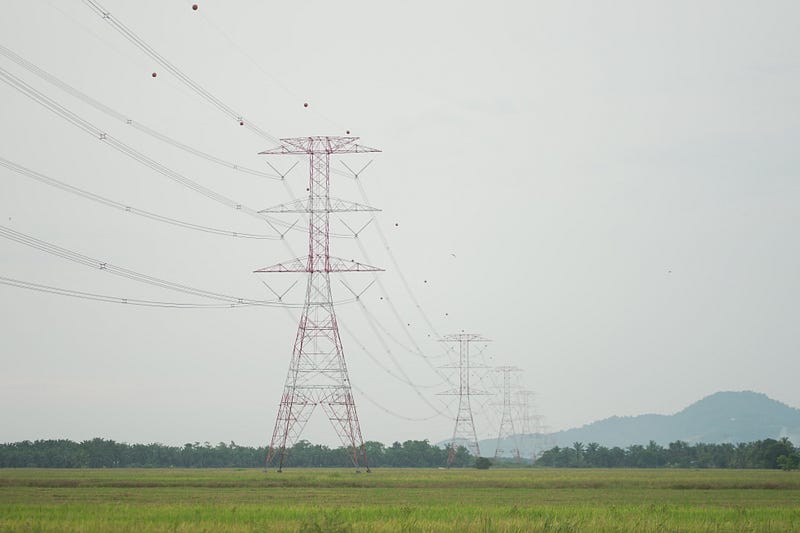
While Borneo offers some of the lowest energy prices in Malaysia, it continues to struggle with the problem of energy theft. That issue has been highlighted via a recent utility announcement. Sarawak Energy, the local energy provider, estimated that the criminal operation caused losses of approximately 6,000 Malaysian ringgits ($1,300) worth of stolen electricity each month.
The rise of the Bitcoin mining industry in 2023 has brought about record-high network hash rates and network difficulty. While the growth of miners generally signifies the robustness of the Bitcoin network, smaller operators without the economies of scale enjoyed by larger corporations face challenges.
One such challenge is energy generation to power their mining servers. In pursuit of higher profit potential with lower electricity rates, illegal mining operators are drawn to stealing electricity from the grid. By eliminating energy expenses, these illicit miners can accumulate profits and offset equipment costs.
Fourth recent instance
The recent incident marks the fourth major operation in Senadin, where Miri is located, where authorities have cracked down on power theft cases related to cryptocurrency mining in 2023. So far, over 137 Bitcoin mining servers have been seized during these operations.
On the other side of the spectrum, legitimate crypto mining companies are actively securing funding to support their mining projects. Riot Platforms, for instance, invested a substantial $162.9 million to acquire 33,280 state-of-the-art equipment from MicroBT, a leading producer of mining machinery.
In another example, Coinbase extended a $50 million credit line to Canadian cryptocurrency firm Hut 8 Mining, facilitating its operations. Furthermore, Volcano Energy, a public-private partnership in El Salvador, secured an initial funding of $250 million for its ambitious Bitcoin mining venture.
Appropriate mining activity
The spate of recent instances of illegal mining in Borneo acts as a reminder of the importance of regulatory compliance and adherence to the law within the cryptocurrency industry. While the allure of lucrative profits may tempt some to engage in illegal activities, the consequences can be severe. Mining can be a positive societal force when applied within appropriate circumstances.
A move by the President of Kyrgyzstan last week to harness crypto mining in order to utilize energy that is otherwise being wasted at the central Asian country’s Kambar-Ata-2 hydropower plant serves as a recent example of a positive use case for the activity.
In Texas in the United States, crypto miners are collaborating with those that manage the local energy grid, turning off miners at times when the state is on the brink of suffering blackouts.
As the crypto mining landscape continues to evolve, it is essential for both authorities and legitimate operators to work together in finding sustainable solutions that ensure the industry’s growth while maintaining the integrity of the energy infrastructure.