Top

Bitget Launches Crypto Loans Product

Web3 & Enterprise·July 05, 2023, 12:26 AM

Bitget, the Seychelles-based platform known for its crypto derivatives and copy trading services, is venturing into the cryptocurrency loan market with the introduction of its Crypto Loans product.

The move, which the company announced via a press release published on Tuesday, is aimed at attracting users who are seeking alternative funding solutions backed by digital assets, as an option beyond traditional credit institutions.
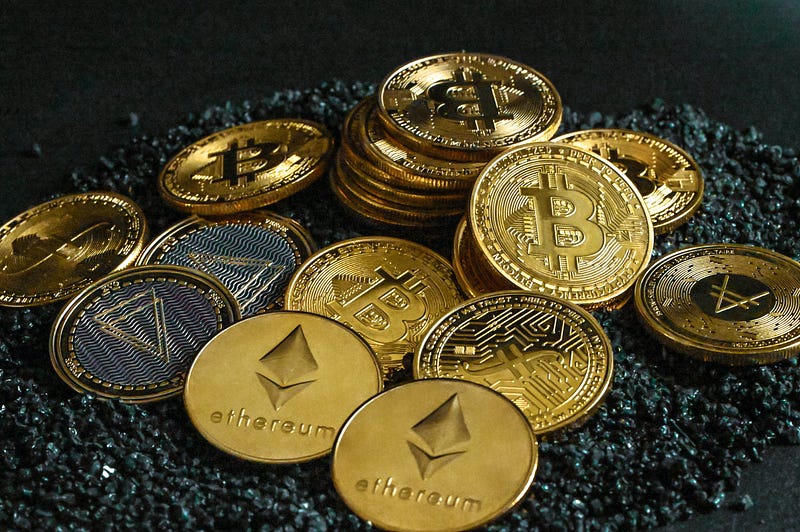
Photo by Traxer on Unsplash


Dual coin approach

The Crypto Loans product employs a dual-coin approach, allowing users to stake one digital asset as collateral and borrow an equivalent amount in another asset. Bitget believes that crypto loans have been gaining popularity in recent years, with the overall digital lending sector surpassing $8.5 billion in 2022 and experiencing a compound annual growth rate of 20.5%, as reported by Global Market Insights.

Despite the overall growth in the digital lending area, the crypto loan sector faced significant setbacks in 2022, particularly with the troubles surrounding centralized crypto lending services. Major firms like Celsius, BlockFi, and Voyager Digital suffered collapses and bankruptcy, raising concerns about the trustworthiness of such services in the future.

Bitget, however, is confident in its Crypto Loans product, emphasizing that it has streamlined the loan process to ease user onboarding. The amount users can borrow is determined by the market value of the collateral staked, and the loan is automatically disbursed with a specific interest rate. Borrowers have the flexibility to utilize the funds as needed and adjust the collateral based on their requirements.


Swift loans process

It also has the option to repay the loan before or at the predetermined deadline. To further encourage user adoption, Bitget promises support for withdrawals and a swift review process for loan applications. The feature is expected to provide added convenience and ease of use for users.

Bitget’s Managing Director, Gracy Chen, highlighted the advantages of the Crypto Loans product, noting that users can now stake less-demanded coins and obtain loans in more liquid assets for investment purposes. The platform’s flexible borrowing and repayment mechanism is designed to accommodate the needs of all users, ensuring convenience and accessibility.

Notably, Bitget has been expanding its presence in the crypto market. In March, the platform acquired a controlling stake in BitKeep, a crypto wallet that has been rebranded as Bitget Wallet. Additionally, Bitget unveiled a $100 million venture fund in April, following a $10 million investment from Dragonfly Capital. In May, it announced the launch of its Blockchain4Youth program, recognizing the importance of the younger demographic in achieving crypto mass adoption.

As Bitget ventures into the crypto loan market, it’s aiming to go one further than previous crypto lending providers who have largely failed, to provide a secure and user-friendly platform for borrowing and lending digital assets. The success of the product will depend on user trust and confidence, especially given the setbacks experienced by those other players in the sector in the past. Nonetheless, with its growing user base and strategic investments, Bitget is certainly showing some potential relative to making a mark in the cryptocurrency loan market.

More to Read
View All
Policy & Regulation·

Feb 08, 2024

Thailand makes crypto trading VAT-free to boost digital economy

In a significant move to propel Thailand towards becoming a digital asset hub, the Finance Ministry has announced the exemption of value-added tax (VAT) on digital asset trading. VAT exemptionAccording to the Bangkok Post, the decision became effective on Jan. 1. It aims to foster the growth of the digital asset industry and support the country's growing digital economy. Paopoom Rojanasakul, secretary to the finance minister, underscored the ministry's commitment to promoting digital assets as a viable fundraising tool. By suspending the requirement to pay 7% VAT on income derived from cryptocurrency and digital token trading, authorities seek to encourage investment in the digital asset market. This VAT exemption extends beyond authorized digital asset exchanges to include brokers and dealers under the supervision of the Securities and Exchange Commission (SEC). The move aligns with Thailand's ambition to position itself as the region's premier digital asset hub. Moreover, the Finance Ministry and SEC are actively amending the 2019 Securities and Exchange Act to enhance regulations concerning digital investment tokens, bringing them more in line with securities.Photo by Markus Winkler on UnsplashAttracting offshore digital asset sector investmentThailand's attractiveness to offshore digital asset investors has grown substantially in recent years. The new tax policies are poised to further bolster the country's position in the global digital asset market. Last month, the Thai SEC adjusted the rules governing digital token investments, raising the investment ceiling that had been imposed on retail investors where initial coin offerings (ICOs) relative to infrastructure and real estate are concerned. Furthermore, the Commission has updated criteria for custodial wallet provider businesses, enabling them to extend their services to digital asset business operators, thereby facilitating smoother operations within the digital asset ecosystem. However, Mr. Paopoom emphasized the importance of balancing development with financial stability. While fostering innovation in the digital asset sector, the government remains mindful of safeguarding the integrity of the financial system. Despite these advancements, the SEC has made it clear that it will not permit the trading of spot bitcoin exchange-traded funds (ETFs) in Thailand. This decision contrasts with the recent approval of bitcoin ETFs in the United States and moves towards approving crypto ETFs in Hong Kong, reflecting Thailand's cautious approach to cryptocurrency-related financial products. Nevertheless, Thailand continues to attract global crypto exchanges, with industry giants such as Binance establishing a presence in the country. Last month, Binance announced the launch of crypto exchange services to the general public in Thailand through Gulf Binance, a joint venture with Thailand’s Gulf Innova. The VAT exemption on digital asset trading represents a pivotal step in Thailand's journey towards embracing the digital economy. With supportive regulatory measures and a dynamic market environment, Thailand aims to take its place as a leading player in digital assets.   

news
Policy & Regulation·

Apr 10, 2023

Binance Headlines List of Japan FSA Warning Letter Recipients

Binance Headlines List of Japan FSA Warning Letter RecipientsJapan’s Financial Services Agency (FSA) issued a warning letter on Friday stating that several foreign cryptocurrency exchanges have been operating in the country without proper registration, thereby infringing Japan’s fund settlement laws. The regulatory authority specifically named Binance, Bybit, MEXC Global, and Bitget as the entities in question.The FSA indicated that these exchanges need to register with the agency to continue operating in Japan. Failure to comply with the registration requirements would result in enforcement actions by the FSA, which could include the suspension of their operations in the country.©Pexels/David DibertUnregistered digital asset exchangesThe FSA’s warning letter detailed that the cryptocurrency exchanges mentioned had contravened Japan’s fund settlement regulations by engaging in crypto asset exchange operations without proper registration. The regulatory body emphasized that the current list of unregistered traders may not accurately reflect the current state of unregistered businesses in the country.The FSA intends to continue monitoring the market and taking appropriate regulatory measures to protect consumers and the integrity of the financial system. The agency also encouraged all unregistered operators to register with the FSA to avoid any possible enforcement actions.Clamping down on unregistered exchangesThe FSA’s recent action against unregistered cryptocurrency exchanges is in line with the regulatory body’s ongoing efforts to clamp down on non-compliant operators in Japan. In 2020, the FSA introduced new regulations mandating that all crypto exchanges must register with the agency and obtain a license to operate in the country. These regulations were put in place to strengthen consumer protection and enhance the transparency of the cryptocurrency market. By taking these measures, the FSA aims to foster a more stable and secure environment for the burgeoning crypto industry in Japan.The FSA’s warning to Binance is indicative of the growing regulatory scrutiny that the cryptocurrency industry in Japan and other nations is currently facing. Regulators are increasingly concerned about the potential risks associated with unregulated cryptocurrency exchanges, such as fraud, money laundering, and market manipulation. As a result, many regulatory bodies are implementing stricter rules and guidelines to promote transparency, accountability, and consumer protection in the cryptocurrency market.These regulations aim to create a more secure and reliable environment for investors and industry participants. The FSA’s actions against Binance serve as a reminder to all market players that compliance with regulatory requirements is critical for the long-term success of the cryptocurrency industry.Global regulatory variationWhile Japan is taking steps to implement new regulations for the cryptocurrency and Web3 sectors, the country has not been as stringent in its approach as some other major economies, such as the United States. However, this does not mean that regulators in Japan are not actively monitoring the industry and taking appropriate action where necessary.One example of such action is the recent lawsuit filed by the US Commodity Futures Trading Commission against the popular crypto exchange firm, Binance, and its founder, Changpeng Zhao, over regulatory violations. This highlights the fact that regulatory bodies in different parts of the world are taking a more proactive approach to monitoring the cryptocurrency industry.Moreover, the FSA in Japan issued a formal warning letter to Binance in 2021 for operating without the necessary permissions. This is an indication that the regulatory landscape in Japan is evolving, and that crypto exchanges must comply with the relevant regulations to avoid potential legal repercussions. While the severity of regulatory measures may differ across different jurisdictions, the message is clear: compliance is crucial for the long-term viability of the cryptocurrency industry.

news
Policy & Regulation·

Feb 05, 2025

Hong Kong’s SFC flags suspect platforms disguised as HashKey

The Securities and Futures Commission (SFC), an independent statutory body that regulates Hong Kong’s securities and futures markets, has alerted investors to 33 suspicious websites which appear to be masquerading as HashKey, one of the Chinese autonomous territory’s first licensed virtual asset exchanges.Photo by Dan Freeman on UnsplashAlert listThe regulator flagged the websites by publishing their domain names to its alert list. Hong Kong’s SFC first published its alert list relative to suspicious crypto-related entities in November 2021. In terms of both suspicious trading platforms and suspicious crypto-related web links, the regulator has found 91 instances to date. Remarks added to the listing confirm that a HashKey company, Hash Blockchain Limited, had reported the websites to the regulator as fraudulent websites. The web domain links have been slightly modified when compared to official links to the HashKey website, in an effort to mislead HashKey customers. A little less than two weeks ago, HashKey published a statement to its website, making service users aware of the fraudulent links and websites. It stated: “Fraudulent websites will appear under different domain names or with slight modifications or variations of the official HashKey Exchange website address www.hashkey.com by adding a combination of letters, numbers or symbols.” The company added that it has no connection with these websites, that no affiliation exists with HashKey Exchange, and consequently the company doesn’t accept any liability for any matters relating to these fraudulent websites and links. As well as the regulator, HashKey has also reported the matter to the Hong Kong Police Force. Tackling crypto-related fraudBoth law enforcement and regulators in Hong Kong have been more proactive in tackling any signs of crypto-related fraud or potential scams following an episode of fraud involving an unlicensed Dubai-headquartered crypto exchange, JPEX, in 2023. At that time, the authorities within the Chinese autonomous territory received in excess of 2,369 complaints from Hong Kong residents who had been duped by the unregulated exchange. Overall, victims were out of pocket to the tune of $166 million. Some commentators had likened the JPEX scandal as being an “FTX moment” for Hong Kong, referring to the high profile collapse of Bahamas-headquartered crypto exchange FTX in November 2022. However, Hong Kong investors also suffered as a result of the FTX collapse.  In fact, the Hong Kong Monetary Authority (HKMA) and the SFC were listed as FTX creditors in 2023. The statutory bodies appeared on the FTX creditor list alongside 50 Hong Kong institutions. Towards the end of 2023, the agency issued a public warning regarding HongKongDAO and BitCuped, entities that were accused of misinformation. In February 2024, the SFC issued a reminder to investors within the Chinese autonomous territory to ensure that they’re only engaging with licensed cryptocurrency platforms. To date, the regulator has awarded crypto trading licenses to seven virtual asset trading platforms (VATPs). Earlier this month, the regulator extended use of its swift licensing process to all new applicants in an effort to fast-track the approval of more licensed platforms.

news
Loading