Top

Filipino exchange Coins.ph adds BRC-20 support

Web3 & Enterprise·December 29, 2023, 2:16 AM

Coins.ph, the leading crypto exchange in the Philippines, has announced its support for BRC-20 tokens. As part of that move, the exchange has successfully integrated the ORDI token, thereby becoming the inaugural platform in the country to embrace the BRC-20 standard.


The platform clarified its support for BRC-20 in a recent blog post, which it published to its website. Coins.ph revealed its intention to expand its services further by adding support for additional BRC-20 tokens, showcasing a forward-looking approach to cater to the evolving needs of its user base.


BRC-20 is a standard facilitating the creation of fungible tokens on the Bitcoin blockchain. The inclusion of this technical standard allows for the minting of tokens with unique features, introducing a new dimension to the capabilities of the world's flagship cryptocurrency.
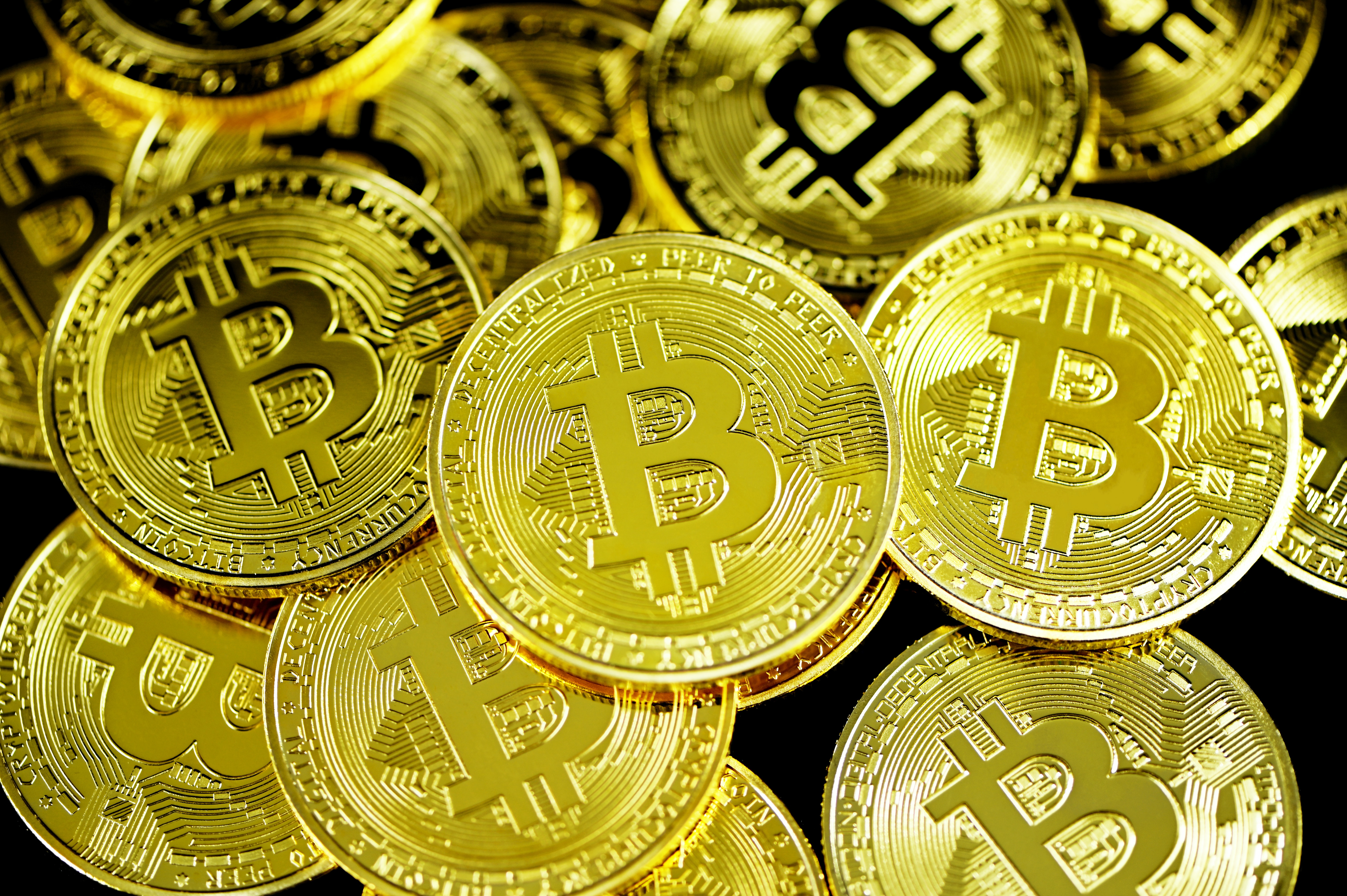
https://asset.coinness.com/en/news/ee88328e8da9852a9301fb89e8081b95.jpg
Photo by Kanchanara on Unsplash

ORDI memecoin addition

ORDI stands out as one of the most popular BRC-20 tokens, gaining traction and reaching an all-time high above $81 earlier this week. This surge in value followed the addition of trading support by crypto exchange Binance in early November, underscoring the influence of strategic partnerships and market dynamics on token performance.


Wei Zhou, CEO of Coins.ph, expressed the company's commitment to staying at the forefront of digital asset innovation through this strategic move. Highlighting the remarkable growth in BRC-20 activity since its launch earlier in the year, Zhou emphasized the importance of enabling users to participate in these opportunities. He mentioned the recent listing of $ORDI and hinted at future product offerings enabled by the BRC-20 standard.


Industry trend

While coins.ph may have been the first exchange in the Philippines to introduce BRC-20 support, it's not the first mover in the broader Asian region. Back in May, leading crypto exchange OKX decided to support the BRC-20 standard through its OKX Wallet product. The company’s support of the standard was validated more recently when it emerged that BRC-20 support played a large role in OKX NFT Marketplace taking top rank as the NFT marketplace with the greatest trading volume earlier this month.


Seychelles-based crypto derivatives platform Bitget has also identified the associated growth potential. Earlier this week, the platform unveiled a plan to support development within the Bitcoin ecosystem, inclusive of BRC-20.


The fusion of ordinals and BRC-20 enables users to embed images, texts or audio, among other data, into satoshis—the smallest units of BTC.


Bitcoin community controversy

Amidst these developments, concerns have been raised by Bitcoin core developer Luke Dashjr. On Dec. 6, Dashjr disclosed that developers are working to remove Bitcoin inscriptions before the v27 update scheduled for the next year. This would imply the elimination of ordinals and BRC-20 from the Bitcoin landscape.


Dashjr clarified that Bitcoin Core has allowed users to set limits on extra data size in transactions since 2013 through the "datacarriersize" setting. Despite this, inscriptions have found a way to bypass the limit by obfuscating their data as program code. He reassured the community that a recent bug in Bitcoin Knots v25.1 has been fixed, addressing concerns about vulnerability.


More to Read
View All
Policy & Regulation·

Aug 09, 2023

Blockchain.com Secures License to Expand Operations in Singapore

Blockchain.com Secures License to Expand Operations in SingaporeBlockchain.com, the London-headquartered crypto financial services company, has achieved a significant milestone by obtaining a payment license in Singapore.Photo by Mike Enerio on UnsplashAsian expansionThe move signifies the platform’s expansion not only within Asia but also on a global scale. In a press release issued on Monday, Blockchain.com proudly announced its acquisition of a major payment institution (MPI) license from the Monetary Authority of Singapore (MAS) on August 1.The development follows an in-principle approval granted to Blockchain.com by the Singaporean central bank back in September 2022. With the newly acquired MPI license, the platform is now authorized to provide “digital payment token” (DPT) services to both institutional clients and investors in Singapore.Removal of transaction volume limitsUnder the regulatory framework of MAS’s Payment Service Act, the license grants Blockchain.com the authority to operate as a platform facilitating the exchange of various DPTs while also conducting DPT transactions themselves. An interesting facet of the license is that it liberates the crypto exchange from certain transaction volume limitations set within Singapore, as outlined on MAS’s official website.Expressing enthusiasm about this accomplishment, the Co-Founder and CEO of Blockchain.com, Peter Smith, lauded the crypto-friendly environment in Singapore. Smith commended the Monetary Authority of Singapore for its transparent regulatory process, on the basis that it strikes a balance between overseeing the crypto industry and fostering innovation. He stated:“We are thrilled to receive this license that will allow Blockchain.com to bring our industry-leading products and services to Singapore. We commend the Monetary Authority of Singapore on its transparent regulatory process that prioritizes crypto industry oversight while allowing innovation to thrive.”Over a decade in operationHaving been established in 2011, Blockchain.com boasts a reputable standing as one of the crypto industry’s pioneers. It’s most well known for its Bitcoin blockchain explorer and its wallet service. With a user base of 87 million active wallets and 37 million verified customers, the exchange business claims that it accounts for a large chunk of all Bitcoin network transactions.Singapore, heralded for its emergence as a crypto hub, has welcomed other crypto entities holding Major Payment Institution (MPI) licenses, including prominent stablecoin issuers Circle and Paxos. The city-state has drawn a significant influx of crypto businesses in recent years, supported by its well-defined regulatory framework and the government’s commitment to nurturing the burgeoning crypto landscape within its borders.Fostering Web3 innovationMAS has demonstrated that it is aligning itself with a dedication to fostering innovation, with its recently announced plans to allocate $112 million over a span of three years for the development of cutting-edge financial technologies. This initiative will encompass fintech solutions grounded in Web3 principles.Nevertheless, Singapore remains cautious about the potential risks associated with the crypto space. In July, MAS directed all crypto businesses within its jurisdiction to transfer user assets to statutory trust accounts before the end of 2023. This precautionary measure is likely to be a reaction to crypto failures such as that of crypto-lender Hodlnaut and crypto exchange FTX, which affected Singaporeans disproportionately. It aims to minimize the risk of asset loss or misappropriation.MAS also has moved to permit crypto firms to offer staking and lending services solely to institutional clients, imposing a ban on the retail market for these services.

news
Markets·

Apr 27, 2023

Yuan Surpasses Dollar in China Cross-Border Trade

Yuan Surpasses Dollar in China Cross-Border TradeThere has been a lot of talk in recent weeks and months about the continued use of the US dollar as the global reserve currency and newly published data from Beijing now demonstrates that the Chinese yuan became the most widely used cross-border currency in China for the first time in March.©Pexels/VOLKAN SORKUNErosion of dollar dominanceOver the course of the month of March, the US dollar was used in 46.7% of cross border transactions. That’s down 1.1% on the preceding month. Meanwhile, the yuan was the currency of choice in cross border Chinese trade last month, used in 48.4% of all cross border transactions.While this may seem impressive and it is encouraging for the Chinese authorities, it is still just a drop in the ocean when compared with the overall global cross border transaction statistics. Data produced by international financial messaging service, SWIFT, demonstrates that while the yuan’s share of global currency transactions relative to trade finance increased to 4.5%, that’s just a drop in the ocean. The same data set reveals that the US dollar accounted for around 84% of global cross border transactions in March.While it’s unlikely that the US dollar will be usurped in its global reserve currency role over the short to medium term, certain cracks are beginning to emerge that serve to weaken the leading fiat currency. According to a recent report by emerging market focused management firm Eurizon SLJ Capital, the dollar demonstrated a decline in reserve currency use of 8% in 2022. Since 2016, the leading international currency has declined in use on an adjusted basis by 11%. It also emerged this week that Argentina will begin to pay China in yuan for imports. The move comes at a time when the South American country is experiencing an acute shortfall in its dollar reserves following a drought-induced decrease in agricultural exports which would have ordinarily brought more dollars into the country’s coffers.SanctionsIn the case of Russia, China’s yuan replaced the US dollar in monthly trading volume in February for the first time, according to data compiled by Bloomberg. The emergence of the Russia Ukraine conflict in 2022, and more specifically the United States’ response to Russia as a consequence of the conflict, appears to have led to major change in terms of dollar use. Prior to the invasion, the trading volume of the Chinese yuan in Russia was negligible.The United States introduced a raft of sanctions that made it difficult for Russian banks and Russian corporations to trade internationally. It also confiscated sovereign funds held in US dollars belonging to Russia.It’s thought that this move has had wider repercussions as other nations have started to feel increasingly insecure in holding US dollars against that background. The logic is that any potential conflict between a nation and the United States could lead to a similar outcome. The US may have crossed a line that destroys confidence in other countries’ use of the US dollar.Implications for cryptocurrencyWhile these weaknesses in the global reserve status of the US dollar are unlikely to lead to its demise in that role any time soon, they may well be a bellwether of what plays out over the longer term. US dollar weakness is one aspect. Set against that, it’s hard to imagine the yuan being so dominant as to ever be the leading world currency relative to international trade.It’s far more likely that we may see several global ‘reserves’ share the role in the longer term. Bitcoin has been mentioned in the past as a candidate for this role given that it is not associated with any one nation. However, its current market capitalization and trading volume is minuscule by comparison with what would be required of a global reserve currency. That said, in a future where various currencies play a part in holding that reserve status, Bitcoin could very well see a modest but increasingly significant increase in its use for global trade purposes in the years ahead.

news
Policy & Regulation·

Nov 22, 2023

Upbit procures ISO 22301 certification

Upbit procures ISO 22301 certificationDunamu, the blockchain and fintech firm that operates South Korea’s largest crypto exchange Upbit, announced Wednesday (local time) that Upbit has obtained the ISO 22301 certification, an international standard for security and resilience that evaluates a company’s business continuity management system (BCMS) based on its ability to protect against and respond to disruptive events. The firm disclosed that it acquired the certification from the U.S. International Accreditation Service (IAS) on Nov. 6.Photo by John Salzarulo on UnsplashNavigating risk managementMore specifically, the ISO 22301 certification evaluates a company’s ability to maintain uninterrupted and stable business operations through the prevention, response and recovery in the event of accidents, man-made or natural disasters and more. It offers several benefits for companies, such as proof of compliance with legal requirements, which serves as a marketing advantage, and the prevention of large-scale damage.To obtain the certification, companies must prepare in advance for unexpected disruptions by analyzing the level of impact that such events can have on business operations and the amount of time needed to recover, then put relevant policies in place to facilitate recovery. To maintain the certification, enterprises must also undergo an annual follow-up audit and a renewal audit every three years.Commitment to business resilience“We obtained the certification to protect user assets and provide safe services that do not stop in the face of external influences,” Dunamu said, emphasizing its commitment to enhancing service reliability and protecting investors. “We will not stop our efforts to become the most trusted cryptocurrency exchange.”Upbit has previously acquired other ISO certifications, such as the ISO 27001 for information security; the ISO 27017 for information security in cloud computing; and the ISO 27701 for privacy management. The exchange also obtained ISMS-P in 2021, a certificate administered by Korea’s Ministry of Science and ICT and Personal Information Protection Commission for information security and personal information management.

news
Loading