Top

Hong Kong’s HKVAC drops XRP from top 5 crypto index

Markets·January 16, 2024, 7:38 AM

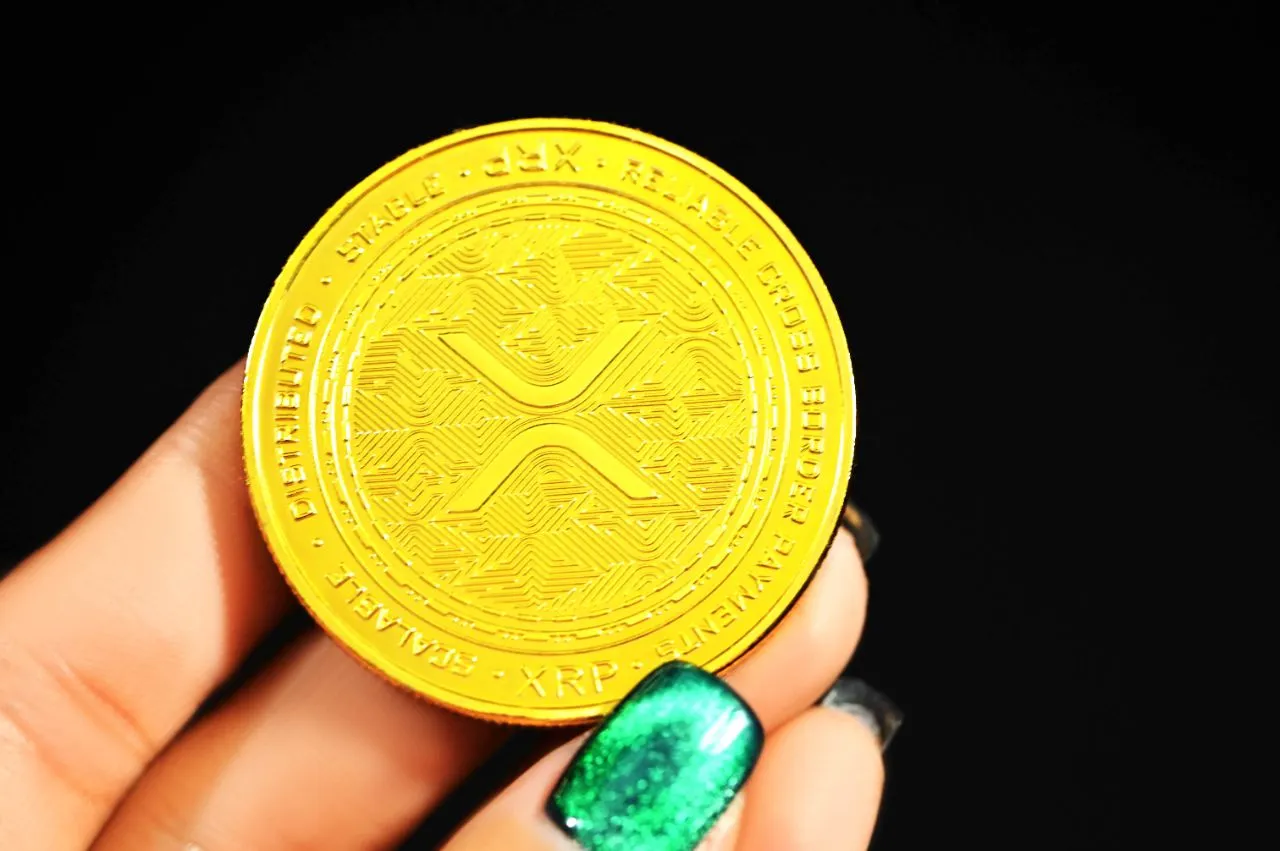
The Hong Kong Virtual Asset Consortium (HKVAC), a digital asset group in China's special administrative region, has announced modifications to its core cryptocurrency index, reshuffling the top contenders to the detriment of XRP, the payment solution token developed by Ripple Labs.
https://asset.coinness.com/en/news/89e98c2bec2b36b43ca45ef20278eb8b.webp
Photo by Kanchanara on Unsplash

Solana takes top 5 slot

Effective as of this Friday, HKVAC will replace XRP with Solana (SOL) in its Top 5 Large Cryptocurrency Index, signaling a shift in the composition of its benchmark index.


HKVAC is a collaborative effort between Hong Kong-based industry participants such as crypto exchanges and licensed ratings agencies. Its aim is to optimize the risk management capabilities of the crypto sector and in that way, assisting market participants including local regulatory bodies.


Crypto exchange platform HTX, previously known as Huobi, became the first member of HKVAC in 2023. It was joined by iPollo, KuCoin, LK Venture, Nano Labs, Purise, Wealthking Investment, G-Rocket Global Accelerator, Hong Kong Data Infinity Technology and others in making up the organization’s membership.


The HKVAC's Top 5 index reflects the global cryptocurrency ranking based on market capitalization, maintaining a pulse on the ever-evolving crypto landscape. However, beyond market cap, the digital asset group considers additional factors such as market valuation, investability and liquidity in its index rebalancing decisions.


Solana’s growth and progression

Solana, currently ranked as the fifth-largest cryptocurrency, has been making substantial strides in the market. Despite the 2022 collapse of the FTX crypto exchange, which significantly impacted SOL's price, the cryptocurrency has made an impressive recovery. Over the past year Solana has surged by 315%. Presently, SOL boasts a market cap of $41 billion, securing its position in the top echelons of the cryptocurrency market.


In contrast, XRP, the ousted cryptocurrency, has experienced a more modest price growth during the same period. As of the latest data, XRP holds the sixth position in the cryptocurrency ranking, with a valuation of $31 billion. The decision to remove XRP from the Top 5 index was met with a 3.9% decline in its value, settling at $0.57. XRP had moved within the Top 5 index in October of last year.


It was added to the index alongside SHIB in 2023. At the time of its formation, HKVAC emphasized that market capitalization was one of the primary criteria incorporated within the evaluation, which extends to 30 cryptocurrencies. A re-evaluation is carried out each quarter on the basis of that market cap criterion.


Crypto rating reshuffle

The HKVAC's reshuffling extends beyond the Top 5 index, impacting other leading cryptocurrencies. Notable changes include the removal of Filecoin (FIL), Binance USD (BUSD), Maker (MKR), Hedera (HBAR) and TrueUSD (TUSD) from the Global Large Cryptocurrency Index. These have been replaced by Near Protocol (NEAR), Internet Computer (ICP), Immutable (IMX), Optimism (OP) and Injective (INJ). Additionally, Avalanche (AVAX) is set to replace Tron (TRX) on the HKVAC Top 10 Global Large Cryptocurrency Index, effective this Friday.


These adjustments come amid Hong Kong's ongoing efforts to bolster the cryptocurrency industry within the region. In December, the financial regulator in Hong Kong signaled its readiness to accept spot crypto exchange-traded funds (ETFs). This move aligns with the United States Securities and Exchange Commission's review of 11 spot bitcoin ETF applications, ultimately approved on Jan. 10.




More to Read
View All
Web3 & Enterprise·

Aug 08, 2023

Wemade Reports Loss of $30.6M Despite All-Time High Quarterly Revenue

Wemade Reports Loss of $30.6M Despite All-Time High Quarterly RevenueSouth Korean gaming company and blockchain giant Wemade disclosed its preliminary consolidated financial statements for the second quarter of this year, revealing an all-time high quarterly revenue of 159.3 billion KRW ($121 million). Despite this revenue, the company faced challenges, experiencing an operating loss of 40.3 billion KRW and ultimately recording a net loss of 29.4 billion KRW.Photo by Christian Wiediger on UnsplashNight Crows driving revenue growthThe Q2 revenue, marking a noteworthy year-on-year growth of 46%, can be attributed to the success of Wemade’s latest mobile game, Night Crows, according to local news outlet Newsis. This massively multiplayer online role-playing game (MMORPG) gained substantial traction since its launch in April. Drawing from this success, the game publisher has strategic plans to take Night Crows a step further by developing a blockchain version, with intentions to present it to global gamers within the current year.More games under developmentExpanding beyond Night Crows, Wemade is actively working on the development of other captivating gaming titles. These include Legend of Ymir, a game inspired by Norse mythology, and This Means War, a massively multiplayer online first-person shooting (MMOFPS) game.With a keen focus on blockchain ventures, Wemade is making significant strides in this domain. In May, the company forged a meaningful partnership by signing a memorandum of understanding (MOU) with Hub71, a prominent global tech hub based in the United Arab Emirates (UAE). Hub71 is undertaking initiatives aimed at nurturing Web3 startups and fostering the growth of blockchain technologies. Moreover, Henry Chang, Wemade’s CEO, attended WebX, the annual Japanese Web3 conference held in Tokyo last month, to call for game developers in Japan to participate in the burgeoning blockchain industry.Chang stated that capitalizing on its technological prowess, Wemade is actively identifying various business opportunities amid the rapid expansion of the global blockchain sector. He emphasized that the company is carefully preparing to make a seamless introduction of the blockchain version of Night Crows this year. According to Chang, Wemade is committed to investing in the creation of new games while strengthening the WEMIX ecosystem. A key element of this ecosystem is the WEMIX token, which supports three pivotal services: blockchain gaming platform WEMIX PLAY, DAO-driven NFT platform NILE, and decentralized finance service WEMIX.Fi.

news
Web3 & Enterprise·

Nov 15, 2023

Bithumb records declining performance in Q3 amid market challenges and interest rate hikes

Bithumb records declining performance in Q3 amid market challenges and interest rate hikesBithumb Korea, the operator of the South Korean cryptocurrency exchange Bithumb, reported an on-year decline in performance compared to last year, driven by deteriorating market conditions. According to data from the Korean Financial Supervisory Service on Tuesday (local time), the exchange recorded a net loss of KRW 10.6 billion (approximately $8.1 million) and operating losses of KRW 650 million in Q3. Its revenue amounted to KRW 32.4 billion, a 53% decrease from the same period last year.Photo by Алекс Арцибашев on UnsplashFalling figuresBithumb had recorded KRW 28.8 billion and KRW 32.6 billion in operating and net profits, respectively, in Q3 last year, but both of these figures turned into a deficit for the same period this year.This worsened performance can be attributed to weakened investor sentiment amid the U.S. Federal Reserve’s ongoing interest rate hikes and a decrease in trading volumes.However, just last month, these conditions have begun drastically improving as excitement mounts for the potential approval of a spot bitcoin exchange-traded fund (ETF).Murky futureNevertheless, concerns about Bithumb’s profitability in Q4 are arising following the exchange’s zero trading fee policy that it implemented last month in a bid to regain its market share, especially because the primary source of revenue for crypto exchanges is trading fees. Bithumb had previously charged trading fees of between 0.04% and 0.25%.“We will do our best to enhance the competitiveness of our services to boost our market share,” Bithumb said. “At the same time, we will enhance the transparency of our operations through efforts such as our recent preparations for an initial public offering (IPO) and improvements in corporate governance.”The exchange’s upcoming IPO is part of efforts to be listed on Korea’s KOSDAQ stock exchange by 2025, which would make it the first virtual asset company to do so. It had previously considered preparing for an IPO in 2020 but suspended plans due to a lack of clear regulations for virtual assets. But with the upcoming Virtual Asset User Protection Bill set to take effect next July, Bithumb decided that the current regulatory landscape would be conducive to an IPO.Should it take effect, this IPO is also expected to pose a challenge to Upbit, which currently holds over 80% of the country’s market share. However, there is still a considerable amount of uncertainty shrouding this development, as financial authorities are maintaining a wary stance towards virtual assets.

news
Policy & Regulation·

Aug 31, 2024

Global crypto fraud suspect arrested in Istanbul

Accused of one of the world's largest cryptocurrency scams, Andreas Szakacs, a Swedish national who became a Turkish citizen under the name Emre Avcı, was detained in Istanbul. The alleged international fraud scheme, led by Szakacs, began in 2019 under the guise of OmegaPro, a company dealing in forex and cryptocurrency trading. OmegaPro claimed to generate significant profits for its investors through complex financial algorithms and high-risk leveraged trading. The company, registered in opaque jurisdictions like Saint Vincent and the Grenadines and headquartered in Dubai, promised returns as high as 300% within 16 months, attracting investors from across the globe. High-profile endorsements and lavish eventsTo bolster credibility, Szakacs and his partners, including well-known figures in the finance and crypto sectors like Dilawar Singh and Mike Sims, organized extravagant events. These included the OmegaPro Legends Cup, a football tournament featuring former stars like Ronaldinho, Kaka and Iker Casillas, who were branded as OmegaPro ambassadors. The company also sponsored car races and held opulent conferences in luxury hotels, where gifts and prizes were distributed to participants, further enticing new investors. OmegaPro's operations spanned multiple continents, with representatives in countries such as Colombia, Mexico, the UK and Nigeria. Over time, the company claimed to have attracted 1.5 million investors. However, in late 2022, as withdrawals were suddenly halted, suspicions grew. By July 2023, the company had shut down, leaving an estimated three million investors defrauded and $4 billion unaccounted for.Photo by Xiaoyi Huang on UnsplashAs OmegaPro collapsed, investors from around the world began filing complaints. In France alone, over 1,500 victims have initiated a class-action lawsuit. Similar legal actions have been reported in countries including Mexico, Congo and Myanmar. Despite multiple investigations, the whereabouts of Szakacs and his partners remained unknown—until recently. A tip-off leads to arrest in IstanbulThe breakthrough came on June 28, when an anonymous informant tipped off Turkish authorities about Szakacs' presence in a luxury villa in Istanbul's Acarkent neighborhood. Following an investigation, the Istanbul Gendarmerie identified 18 complainants connected to OmegaPro. On July 9, Szakacs was arrested in a raid on the villa, where authorities found 32 cold wallets containing cryptocurrencies, along with extensive documentation related to OmegaPro’s operations. During questioning, Szakacs denied all allegations, claiming that OmegaPro was a legitimate business that went bankrupt in late 2022, resulting in significant losses for him and his partners. He also refused to provide access to the cold wallets and the encrypted data on his devices. Despite his defense, Szakacs was charged with fraud using information systems and detained by the Beykoz Criminal Court of Peace on July 10. Ongoing legal battles and future implicationsAs the investigation continues, authorities are scrutinizing Szakacs' digital transactions, which reportedly involve $160 million in movements over a single month. His legal team argues that investors knowingly took on risks in the forex market, but the sheer scale of the losses—especially the $103 million claimed by a Dutch complainant representing 3,000 victims—has intensified the case. The outcome of this case could set a precedent for how international crypto-related fraud is handled, particularly in an era where digital currencies and high-risk investments are increasingly intertwined. 

news
Loading