Top

Bitdeer announces new mining chip and Q4 results

Web3 & Enterprise·March 05, 2024, 2:51 AM

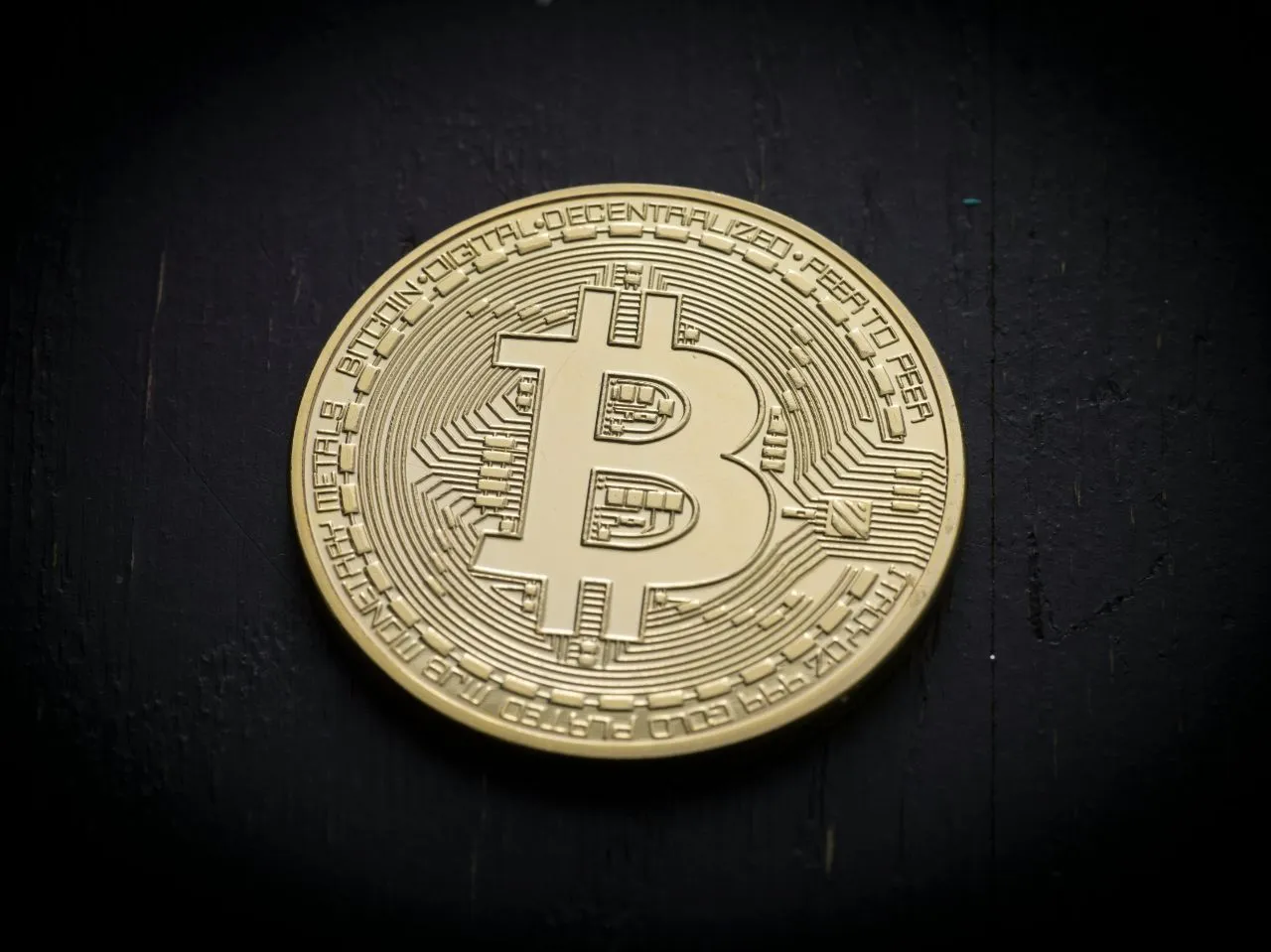
Bitdeer Technologies, led by Jihan Wu and based in Singapore, has unveiled the very latest development in the world of Bitcoin mining technology with the announcement of the successful testing of its proprietary Bitcoin mining chip, slated for integration into its forthcoming mining rig. In addition, the firm has followed up on March 4 with the publication of financial results for Q4 2023.
https://asset.coinness.com/en/news/81701fddf7c01f3af8b322ed63024a30.webp
Photo by Thought Catalog on Unsplash

Sealminer A1

The company revealed on X that its inaugural crypto mining chip, known as the SEAL01, destined to drive the Sealminer A1 mining rig, was engineered utilizing four-nanometer process technology, a feat achieved in collaboration with a semiconductor fabricator. Bitdeer boasts that this chip exhibits a power efficiency ratio of 18.1 J/TH.


At the heart of Bitdeer's latest achievement lies the SEAL01 chip, the culmination of years of dedicated research and development. By harnessing state-of-the-art technology and meticulous planning, Bitdeer aims to tackle the pressing challenges confronting Bitcoin miners, including skyrocketing operational costs and environmental implications.


The company claims that the efficiency of the SEAL01 chip not only promises a shift towards more sustainable mining practices but also holds the potential to significantly reduce energy consumption, thereby bolstering profitability and return on investment for miners.


"This powerful chip offers enhanced Bitcoin mining performance with minimized power consumption, leading to lower operating costs and a reduced environmental footprint for miners," Bitdeer affirmed in the X post. The firm stopped short of disclosing the launch timeline for its upcoming mining rig.


On the financial front, Bitdeer disclosed its financial results for Q4 2023, on March 4. The company reported a total of 111,966,634 outstanding ordinary shares as of Dec. 31, 2023, including class A and class V ordinary shares.


Additionally, Bitdeer revealed key operational metrics for Q4 2023, including total Bitcoin mined, power usage across its mining data centers, average cost of electricity and miner efficiency.


Bitdeer's shares closed up 2.11% at $6.76 on Nasdaq on Friday, indicating a positive market response to its recent newly developed Bitcoin mining chip. However, trading outside regular hours, going into March 4, have seen the share price peak at $7.52, yet having retraced to $6.9 at the time of writing. That may indicate that investors are not particularly enthralled by the firm’s Q4 2023 results.


Bitdeer emphasizes that the SEAL01 chip is engineered to meet the evolving demands of the cryptocurrency mining industry. As mining activities continue to gain traction and market dynamics evolve, the adaptability of hardware solutions becomes paramount. Bitdeer's strategic emphasis on innovation with the SEAL01 chip aims to pave the way for future advancements in cryptocurrency mining technology, ultimately fostering the growth and sustainability of the industry.


Moreover, Bitdeer asserts that the newly developed chip enables it to optimize efficiency, stability and performance in anticipation of the upcoming Bitcoin halving event slated for April.


Last month, the company’s founder Jihan Wu was installed as CEO, in a move that is understood to better position the company as it transitions to a growth phase.

More to Read
View All
Web3 & Enterprise·

Nov 14, 2023

Upbit D Conference participants share insights on Web3 and blockchain

Upbit D Conference participants share insights on Web3 and blockchainBlockchain specialists from 29 countries gathered on Monday (local time) at Upbit D Conference (UDC) 2023 in Seoul to explore capital markets in the forthcoming Web3 era. This era is characterized by user-controlled, communal data management, a notable shift from the Web2 space where major tech corporations held dominant control over data.Organized by Dunamu, the operator of South Korea’s Upbit cryptocurrency exchange, the conference featured 39 experts, focusing on the transformative potential of blockchain technology in this new internet phase.Photo by Shubham Dhage on UnsplashAsset tokenization and investment opportunitiesAccording to a report by the Asia Business Daily, one of the key speakers at the conference, Wally Yu, a Solutions Architect at San Francisco-based Chainlink Labs, delved into how cross-chain solutions and asset tokenization could add to the financial industry. He explained that Chainlink’s Cross-Chain Interoperability Protocol (CCIP), designed to connect various blockchains, is only beginning to reveal its capabilities in integrating with traditional financial markets. Yu pointed out the growing interest from banks in tokenizing their conventional assets and transferring them to the blockchain. This move, he suggested, could lead to increased liquidity and open up new investment opportunities.Yu also compared the current DeFi market to traditional sectors like stock, real estate, and derivatives, noting DeFi’s relatively smaller scale. However, he underlined blockchain’s transparency as a key advantage over traditional markets, where transparency is often lacking. According to Yu, the adoption of blockchain by traditional financial firms could address longstanding issues more effectively.Looking ahead to the Web3 era, Yu envisioned a scenario where different tokens are interconnected, potentially bringing an estimated $900 trillion worth of assets onto the blockchain. This, he believes, would significantly enhance liquidity in the financial markets.From Web2 to Web3During the conference, Korean mobile network provider SK Telecom’s (SKT) Vice President, Oh Se-hyun, outlined the company’s forward-looking strategy to transition its 30 million subscribers from Web2 to Web3. She highlighted SKT’s search for high-value markets to expand its business scope, underscoring the company’s active efforts in constructing Web3 infrastructure. This strategic pivot aligns with their vision for the upcoming Web3 era.SKT, which established its Web3 division in 2017, initially engaged in developing a private mainnet. However, the company has since shifted its focus towards services aimed at boosting customer engagement, such as custody, web and app services. Oh emphasized the need for Web3 wallets to support a diverse range of assets and decentralized applications (dApps), but she stressed that ease of use is paramount. She views that these wallets will serve as gateways for customers entering the blockchain space.SKT has developed and is improving its own Web3 wallet, dubbed Wallet T. Oh shared her belief that the future of financial business models will pivot from traditional and big-tech banks to those based on public chains. In preparation for this shift, SKT is contemplating strategies to embrace blockchain-based Web3 services.Crypto regulationThe conference also touched on the potential integration of virtual assets within regulatory frameworks. There’s growing anticipation in the market for the approval of spot bitcoin exchange-traded funds (ETFs) by the United States Securities and Exchange Commission, especially following the inclusion of asset manager BlackRock’s proposed spot bitcoin ETF in the Depository Trust and Clearing Corporation’s (DTCC) clearing-house eligibility file.Emily Parker, Executive Director at CoinDesk, mentioned that a spot bitcoin ETF is on the horizon in the U.S. She anticipated that such a development would not only boost cryptocurrency prices but also positively impact the market for non-fungible tokens (NFTs). Echoing this sentiment, Oh Se-hyun from SKT predicted that the approval of a spot bitcoin ETF could unlock access to a $30 trillion market.SKT’s Oh also addressed the complexities surrounding the regulatory landscape for cryptocurrencies. She acknowledged the challenge facing authorities in developing these regulations all at once, highlighting the gradual progress in this area. She cited the outcome of Ripple’s lawsuit in the U.S., which resulted in Ripple’s XRP tokens being classified differently for different investors: as a security for institutional investors but not for retail investors. Additionally, Oh pointed to the upcoming Markets in Crypto-Assets Regulation (MiCA) in the European Union, slated for implementation in December 2024. She emphasized that the establishment of such regulatory guidelines brings clarity and reduces uncertainty, which can be reassuring for businesses operating in the crypto space.Providing further insights into this matter, Kim Gap-rae, a senior researcher at the Korea Capital Market Institute (KCMI), spoke about the importance of regulatory clarity in the cryptocurrency sector. He pointed out that it’s more crucial for governments to have clear regulations rather than focusing on the extent of regulation. Understanding new regulatory or legislative trends is essential for governments as they look to develop new infrastructures.According to Kim, a potential spot bitcoin ETF approval in the U.S. could prompt South Korea to consider a similar approval. However, he noted that Korea currently lacks a regulatory framework for Bitcoin custody, which could lead to a competitive environment among crypto companies in the country. Kim believes that a deeper understanding of custodian regulations will enable better adaptation to new types of ETFs and foster their growth in Korea.

news
Web3 & Enterprise·

May 06, 2024

Animoca Brands partners with Saakuru Labs to bolster Web3 gaming

Metaverse gaming company Animoca Brands has recently announced a strategic partnership with Saakuru Labs, aiming to drive the adoption and integration of blockchain technology within Saakuru Labs' ecosystem. The collaboration is expected to bolster the expansion of the Web3 gaming industry, particularly in Southeast Asia, where the partnership officially kicks off. The initiative involves the incorporation of Web3 games developed with the Saakuru Protocol into the Animoca Brands ecosystem. Gasless transactionsAnimoca Brands will play a crucial role by providing gaming titles to its partners, while Saakuru Labs will facilitate Animoca Brands' expansion efforts in Southeast Asia. Developers stand to benefit from access to accelerated development processes and gasless transactions. Gasless transactions are particularly significant in regions like Southeast Asia, known for lower-income demographics. The market has shown a keen interest in blockchain technology and Web3 games, indicating promising growth potential. With gasless transactions, developers can seamlessly integrate critical functionalities into their gaming titles, including infrastructure components.Photo by Bastian Riccardi on UnsplashTransition to Web3 gamingThe Saakuru Protocol, known for its consumer-centric L2 infrastructure, enables major integrations of Web3 components into traditional gaming segments. This ensures a smooth transition from traditional gaming to Web3 gaming, enhancing the overall gaming experience. Yat Siu, Executive Chairman of Animoca Brands, emphasized the pivotal role of gaming in the evolution of the Internet and open metaverse, highlighting Southeast Asia's potential to lead in Web3 technology adoption. Jack Vinijtrongjit, CEO of Saakuru Labs, underscored the platform's capability to offer seamless engagement with multiplayer gaming titles without latency or transaction fees. The partnership between Saakuru Labs and Animoca Brands aligns with Saakuru Labs' recent collaboration with cloud computing infrastructure platform Aethir, aimed at enhancing blockchain gaming through GPU infrastructure. Notable partners of Animoca Brands, including GameGPT, W3GG and GameFi.org, have already expressed their commitment to adopting the gasless protocol. Experts believe that gaming presents an ideal avenue to accelerate blockchain technology adoption and advance Web3 gaming principles. With gaming becoming a mainstream form of entertainment, seamless integration of technology is crucial for user acceptance. The outcome of the Animoca Brands and Saakuru Labs partnership is anticipated to manifest results in the coming quarter or by the end of the year. 

news
Policy & Regulation·

May 22, 2023

Cebu Meeting of FSB Highlights Crypto Risks

Cebu Meeting of FSB Highlights Crypto RisksThe Regional Consultative Group for Asia of the Financial Stability Board (FSB) has highlighted the risks implicated by crypto assets in a series of meetings held on Thursday and Friday in Cebu, the Philippines.The FSB is an international body with a mandate to monitor the global financial system, as well as make recommendations in respect of that system. The agency was established by the G20 group of countries in April 2009, replacing its forerunner, the Financial Stability Forum.Photo by John Alvin Merin on UnsplashA regulatory framework for cryptoThe two-day event focused on non-bank financial intermediation (NBFI) in Asia and the development of an effective global regulatory framework for crypto-assets. It discussed recent developments in financial markets, together with their regional impact.In opening remarks, Philippine Central Bank Governor, Felipe Medalla, stated: “Crypto, the biggest issue there is, whether we like it or not is quite a lot, especially younger people who are actually gambling. They have huge losses, our view right now. Well, you’re there, it’s your problem and the regulation becomes strict the moment crypto meets banking.”International participants highlighted the need for the development of an effective global regulatory framework for crypto-assets. Particular concern exists with regard to the potential for systemic risk in relation to crypto and a potential overflow into the traditional financial system.Earlier this year, the FSB proposed a complete regulatory framework for cryptocurrencies, with the report having been originally submitted in October of last year. Among its key components is the imposition of tighter controls. It proposed the guiding principle of “same activity, same risk, same regulation” for crypto assets, mirroring the approach taken for traditional financial assets.Global approach to taming cryptoThis approach has proven to be problematic for people working within the digital assets space. Many of the core facets of cryptocurrencies are entirely different to anything we see in traditional finance. Trying to frame crypto within an existing approach and standard has been perceived by many to be akin to trying to fit a square peg in a round hole.It’s not the FSB's role or place to affect policy directly. That responsibility lies with policymakers and regulators in each individual country. However, the organization is seeking to influence those individuals and entities in the hope that they will employ its suggested regulatory framework.Klaas Knot, Chair of the FSB and President of the Dutch Central Bank, provided this view on crypto: “We will come up with a global regulatory framework. It also only makes sense to regulate this from a global perspective. Because, nowadays you can take a server and put it anywhere in the world and start issuing these digital assets.”From Knot’s take, it’s clear that governments and central bankers are cottoning on to the fact that individual nation-state regulation is futile to an extent where decentralized innovations like cryptocurrency are concerned. Others such as European Central Bank (ECB) President Christine Lagarde and Mark Branson, President of German financial markets regulator BaFin, similarly have called for a globally enforced regulatory approach over the course of the past year.Ongoing struggleWhile regulation can be helpful, particularly when it comes to the points at which crypto meets the traditional system, there’s no doubt that this emerging innovation will disrupt the conventional system to some degree or other. That may place an incentive before central bankers and governments to try and stymie the further development of digital assets.While a truly global approach to regulating digital assets could retard development of the sector, there is rarely total consensus among world governments on a single issue. Therefore, by its very nature, crypto, and the digital assets sector will likely continue to develop regardless. It’s more a question of how long that process takes.

news
Loading