Top

Coinbase Wallet and TransFi partnership expands crypto accessibility in Asia

Web3 & Enterprise·May 13, 2024, 3:14 AM

TransFi, renowned for its global payment solutions, is collaborating with Coinbase Wallet to streamline the process of purchasing cryptocurrencies, with a particular focus on enhancing user experience in Asia.
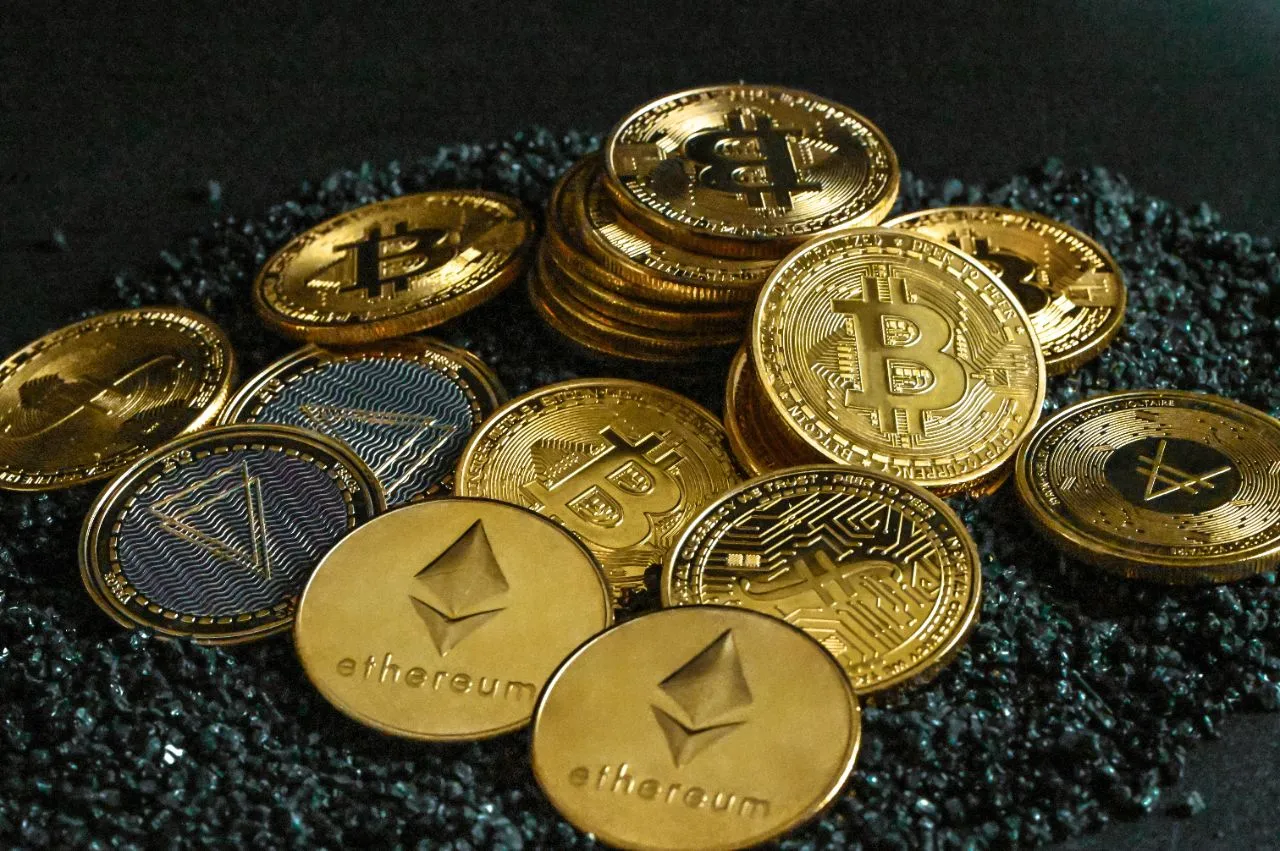
https://asset.coinness.com/en/news/4c73b012741997d2f315548f65c968dc.webp
Photo by Traxer on Unsplash

Facilitating seamless onboarding

By integrating with Coinbase Wallet, TransFi aims to simplify the onboarding process for businesses and individuals, ultimately fostering greater adoption of cryptocurrencies in the region. This strategic integration is designed to eliminate barriers to entry and make cryptocurrency transactions more efficient and accessible.


Enhanced payment options across Asia

In a significant move, users in the Philippines, Vietnam and Indonesia now have access to expanded payment options through Coinbase Wallet. In the Philippines, GCash and PayMaya, popular digital payment platforms, have been integrated, while Vietnam sees the addition of Viet QR, Momo and Viettel Pay. Indonesian users can utilize OVO and Dana, leading payment apps in the country. These partnerships leverage existing, widely-used payment infrastructures to provide users with more convenient avenues for purchasing cryptocurrencies.


The expansion into the Asian market reflects the growing demand for cryptocurrencies in the region and highlights Coinbase's commitment to broadening its reach by collaborating with local payment services. This trend underscores the increasing integration between crypto platforms and local payment solutions, signaling a positive trajectory for cryptocurrency adoption across Asia.


 

More to Read
View All
Policy & Regulation·

May 08, 2024

Korean Democratic Party to urge FSC to change its stance on spot BTC ETF

Korea's Democratic Party of Korea (DPK) plans to re-request the Financial Services Commission (FSC) for an authoritative interpretation of spot Bitcoin ETFs in June, seeking the legal interpretation of such products, according to The Korea Economic Daily.  The FSC currently does not classify virtual assets as financial investment products, as they do not function as underlying assets for ETFs as stipulated by the Capital Market Act. Thus, the issuance and listing of spot cryptocurrency ETFs have not been permitted in the country, limiting trading opportunities for Korean investors. Photo by Pixabay on PexelsDespite the situation, interest around the spot Bitcoin ETFs has surged in South Korea following the approval of such ETFs in the United States and recently in Hong Kong. This heightened expectation of spot Bitcoin ETF approval has coincided with the 22nd general election held on April 10.  DPK’s attempts to keep its promise The DPK’s decision to seek clarification on spot Bitcoin ETFs from the financial regulator comes after the party’s landslide win at the general election, securing a total of 175 seats out of 300 in the National Assembly. Among the party’s key pledges were to allow the trade of spot BTC ETFs and ease regulations on crypto products.  In the run-up to the election, the DPK and the ruling People Power Party (PPP) vied for introducing pro-crypto pledges to win votes from young Koreans in their 20s and 30s, who make up a significant portion of crypto investors within the country.  Bold move to amend Capital Market ActThe spokesperson of the DPK said the party will first seek an authoritative interpretation regarding spot Bitcoin ETFs from the FSC and continue to closely monitor how the situation unfolds. The prevailing view from experts, however, is that the agency is likely to remain sturdy in its view.  If the FSC insists on its current stance on spot BTC ETFs, the party would go as far as to amend the Capital Market Act, the spokesperson said, which would take at least a number of months to follow all due processes. 

news
Policy & Regulation·

Jan 03, 2025

INDODAX snags full licensing in Indonesia

INDODAX, Indonesia’s largest virtual asset trading platform by trading volume, has acquired full licensing in Indonesia from the local regulator. That’s according to a report published by local media outlet VOI. The license, a Physical Crypto Asset Trader (PFAK) license, has been awarded to the company by Indonesia’s Commodity Futures Trading Supervisory Agency, better known as BAPPEBTI.  The license will place INDODAX in a complaint position within the Indonesian market, relative to local regulations. The business has been issued certificate number 10/BAPPEBTI/PFAK/12/2024 by the regulator, its approval certificate as a Physical Crypto Asset Trader.Photo by Mark König on UnsplashMandatory registration requirementIn December 2023 the authorities in Indonesia set out a mandatory requirement for crypto trading entities to register with the Commodity Future Exchange (CFX). CFX is Indonesia’s national crypto bourse, while INDODAX is a member. As of April 2024, 35 crypto exchanges had been registered with the regulator. CFX has been given the mandate to monitor crypto exchange operations, to safeguard investors by ensuring exchanges abide by local regulations. Fendy Tan, chief financial officer (CFO) at INDODAX commented on the firm’s recent licensing milestone, stating: "We are grateful to BAPPEBTI and CFX for the trust given through this full license. The long process that must be passed reflects our commitment to providing the best protection for users. The license number 10 also has a special meaning, which symbolizes perfection, and symbolizes the 10-year journey of INDODAX in leading the crypto industry in Indonesia."  Liquidity and SOP requirementsIn order to acquire this license INDODAX had to comply with BAPPEBTI Regulation Number 8 of 2021 and Number 13 of 2022. It has also had to ensure a minimum paid-up capital of 100 billion Indonesian Rupiahs ($6,158,000), and a minimum equity of IDR 50 billion ($3,079,000). Furthermore, the company has had to implement a set of standard operating procedures (SOPs), together with achieving ISO certification in accordance with global security standards, with specific emphasis on complying with regulations to safeguard customer funds according to the balances held on account of fiat currency and digital assets by INDODAX customers. INDODAX is understood to have 7.1 million customers while a transaction volume of 109 trillion Indonesian rupiahs was reached for the period January to November 2024. BAPPEBTI had extended a deadline for the crypto licensing of exchanges late last year, a move welcomed at the time by INDODAX CEO Oscar Darmawan. Darmawan said that the move would strengthen the industry by ensuring that market participants were compliant with recently introduced regulations. While this licensing milestone is a positive for INDODAX, the firm had faced challenges in 2024. In September it emerged that the platform had been compromised with the loss of around $18 million in digital assets. Meanwhile, the authorities in Indonesia had planned to switch crypto market oversight from BAPPEBTI to the Financial Services Authority (OJK) by Jan. 12. However, a recent report published by the Jakarta Globe suggests that the Indonesian government has yet to finalize this regulatory transfer.

news
Policy & Regulation·

Sep 17, 2025

Understanding South Korea’s won-backed stablecoin debate

South Korea is weighing a fiat-backed stablecoin, balancing monetary sovereignty against the fact that global stablecoins are dominated by the U.S. dollar while domestic payments are already near-instant.Photo by DrawKit Illustrations on UnsplashThin domestic need despite sovereignty aimsThe case for a won-pegged token is facing challenging headwinds. As a recent Korea Economic Daily report highlighted, skeptics argue the won's limited global demand and lack of reserve currency status would curb its adoption internationally. Domestically, the need is even less apparent. A study by NH Investment & Securities noted that with retail payments settling in seconds via biometrics or passwords, and with world-leading credit card and bank account penetration, the efficiency gains from a stablecoin are marginal at best. Despite this, the appeal of digital currencies is growing. Transactions in dollar-backed stablecoins USDT and USDC on Korea’s five main exchanges totaled nearly $71 billion between January and August, according to CryptoQuant. This rising adoption presents both an opportunity and a threat. While some analysts believe stablecoins could smooth exchange-rate volatility, the Bank of Korea (BOK) has expressed concern. In a recent working paper, Son Min-kyu of the central bank commented that the widespread use of dollar-backed stablecoins could entrench the dollar's dominance, while also amplifying run risk and market volatility in Treasuries during periods of stress. Scarce short-term collateralSeoul also faces a unique structural hurdle: a shortage of short-term government bonds to use as collateral. Unlike the U.S., where stablecoin issuers rely on a deep market for Treasury bills, Korea’s bond market is dominated by long-dated paper. Kim Pil-kyu of the Korea Capital Market Institute (KCMI) described short-term sovereign bills as vital for a stablecoin’s value preservation, a resource Korea currently lacks. As South Korea deliberates, other major economies are forging ahead on divergent paths. Japan is moving to authorize privately issued stablecoins this fall, while the European Union has brought them under its comprehensive Markets in Crypto-Assets (MiCA) regulation. UK’s cap plan clashes with pro-innovation pushThis regulatory balancing act is also playing out in the U.K., where a policy rift is emerging. According to the Financial Times, the Bank of England has proposed capping individual holdings of widely used stablecoins at £10,000–£20,000, with a £10 million limit for businesses. Industry groups argue the plan would be expensive to implement and could blunt the U.K.’s competitive edge in digital finance. The central bank's caution also contrasts with the government's pro-innovation stance, with finance minister Rachel Reeves recently pledging to promote the use of stablecoins and tokenized securities. For Seoul, the global shift toward tokenized money is undeniable. With seemingly limited domestic demand and various structural challenges, a won-backed stablecoin is, for now, an idea worth watching as the broader financial landscape evolves. 

news
Loading