Top

Amber Group calls for crypto project transparency & accountability

Web3 & Enterprise·August 06, 2024, 6:51 AM

At the end of last month, social derivatives trading platform ZKX, a protocol that runs on the Ethereum-centric Starknet layer-2 network, shut down blindsiding the project’s stakeholders. That event has led to Singapore-headquartered digital assets firm Amber Group speaking out, calling for cryptocurrency projects to be more accountable and transparent going forward.


Not economically viable

News of the project shutdown emerged when ZKX founder Eduard Jubany Tur took to X on July 30 to outline the discontinuation of the protocol. Tur claimed that the project was “unable to find an economically viable path for the protocol.” In a long-form post, the ZKX founder outlined that user engagement had been minimal, resulting in disappointing trading volumes. By extension, Tur claimed that revenues didn’t come anywhere close to covering cloud server expenses. “The market is undervaluing the work done and infrastructure built by appchains and dApps coming from ecosystems like ours,” Tur added.


Pseudonymous blockchain sleuth ZachXBT had a different take on the matter, claiming that the shutdown represented a rug pull. Amber Group chimed in on the subject on X on Aug. 3. Amber suggested that it wouldn’t break any contractual non-disclosure obligations it had with regard to ZKX but that aside, the firm took the opportunity to share its perspective more broadly in an effort to promote transparency.

https://asset.coinness.com/en/news/f6af5b8e78ed4419f39f198aba4a6e2c.webp
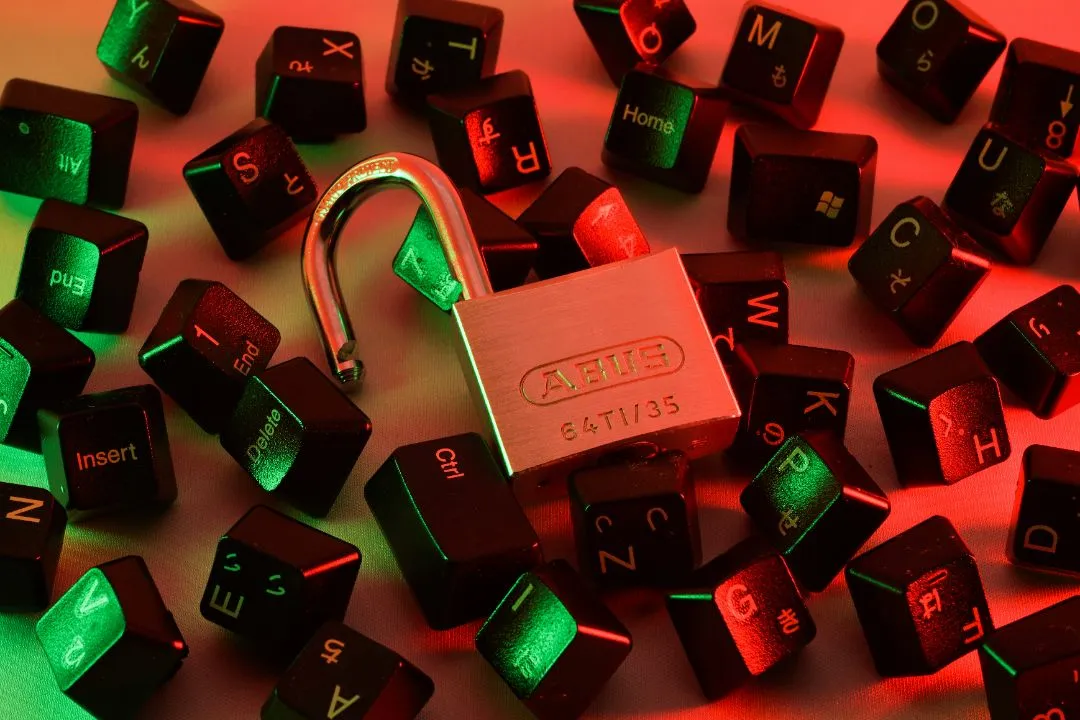
Photo by Markus Spiske on Pexels

Amber Group criticism

Amber Group criticized the ZKX team on the basis of a lack of transparency. It stated:


“The last update we received was on July 30, when the project announced the cessation of operations. This decision was made without prior communication, highlighting the importance of transparency in our industry.”


Staying with that theme, it claimed that clear communication and transparency are essential for fostering trust and collaboration within the crypto community, and that such principles would guide future projects.


Amber Group had acted as a market maker relative to the ZKX project. It borrowed and purchased ZKX tokens in support of the launch of the token and in an effort to support token liquidity post-launch. It had secured two million ZKX tokens from the open market, with its overall holding totaling three million ZKX tokens.


Project investor HashKey Capital also took to the X social media platform on the subject. Like Amber Group it too criticized the ZKX project for its lack of accountability and transparency. It described the project’s reluctance to communicate as “disappointing,” while it asserted that Tur’s handling of the situation had been “regrettable.”


Ye Su, founding partner at ArkStream Capital, expressed a similar complaint, stating on X that “when ZKX shut down, as investors, we got zero heads-up.” He also singled out Tur, claiming that “Edward took the money from early supporters without any communication, showing no moral standards and losing his right to future entrepreneurship in the industry.”



More to Read
View All
Web3 & Enterprise·

Jul 17, 2023

SKYPLAY Secures $10M from LDA Capital to Promote Growth of P2E Gaming

SKYPLAY Secures $10M from LDA Capital to Promote Growth of P2E GamingSKYPLAY, a blockchain gaming platform based in South Korea, has announced securing a $10 million commitment from American-based investment group LDA Capital, as stated in a press release. This funding will be utilized to launch additional games and attract new users, thereby accelerating the platform’s growth trajectory.Photo by blurrystock on UnsplashP2E gamesWith an active monthly user base of 300,000, SKYPLAY aims to expand its virtual space and motivate play-to-earn (P2E) gamers to contribute to the excitement within its ecosystem. P2E games enable players to earn cryptocurrency tokens as rewards for activities such as completing tasks and meeting goals.Various genresSKYPLAY is known for offering a diverse range of game genres, ranging from casual games like CoinGrid to strategy games like ClashRow. Users have the opportunity to earn in-game rewards that can be exchanged for SKP, the platform’s governance token. SKP will also serve as a medium of exchange in forthcoming NFT marketplaces. At present, SKP is listed on cryptocurrency exchanges ProBit Global and MEXC, according to CoinMarketCap.Expansion plansSKYPLAY currently provides its services in 170 countries worldwide, catering to a global gaming community. The company is also developing artificial intelligence-based (AI) avatars within a metaverse platform, with the target of exceeding 10 million users by the close of 2024.Anthony Romano, Managing Partner at LDA Capital Ltd, commented on this investment opportunity, stating, “SKYPLAY’s expansive ecosystem offers users a variety entertainment across sports, arts and crafts, appealing to the different preferences amongst the gaming community. This multifaceted approach, along with a forum-oriented community they’ve built is extremely difficult to replicate and gives them a leg up as they publish more games and diversify their entertainment offerings.”SKYPLAY CEO Richard Chang expressed his confidence in the partnership with LDA Capital. He said, “The investment from LDA Capital will serve as a significant driving force for the future growth of SKYPLAY. I am confident that together, we will pioneer the future and become invaluable partners in our journey of growth.”

news
Policy & Regulation·

Apr 07, 2023

Korean Financial Regulator to Inspect Non-Fiat Crypto Trading Platform

Korean Financial Regulator to Inspect Non-Fiat Crypto Trading PlatformThe Financial Intelligence Unit (FIU) under the Korean Financial Services Commission (FSC) plans to launch a comprehensive inspection on crypto trading platform Fobl (previously known as Foblgate) from March 11.©Pexels/김 대정Unlike other major Korean crypto exchanges, such as Upbit or Bithumb, which allow trading between fiat currencies and cryptocurrencies, Fobl only offers trading between cryptocurrencies.Inspection on non-fiat exchangesThe FIU’s inspection of Fobl is a follow-up to the regulator’s inspection of GDAC, another Korean non-fiat crypto exchange. This suggests that the FIU will focus on inspecting non-fiat exchanges in the first half of this year.Many in the cryptocurrency industry have been paying attention to the FIU’s move after its first inspection of GDAC, as it could signal the direction in which the regulator would take. Earlier this year, the FIU announced that it would conduct inspections not only on non-fiat crypto exchanges but also on wallet solutions, custodians, and staking service providers. It is known that the FIU has been reviewing anti-money laundering (AML) systems and asset management statuses of these crypto enterprises.Fobl’s possible addition of fiat tradingThe Korean crypto industry suspects Fobl might transform itself into a fiat crypto exchange, considering the FIU’s notice that it will prioritize examining non-fiat exchanges that are preparing to support fiat trading.Fobl CEO’s take on the marketPrior to this news, Fobl CEO Ahn Hyun-joon said in a recent interview with Etnews that the platform is in talks with multiple banks to acquire real-name bank accounts and is complying with all the regulations required by the authorities. During the interview, he also raised concerns about the uncertainty that faces non-fiat crypto trading platforms, pointing out that 97% of the crypto trading in Korea is being carried out in crypto exchanges that support trading of Korean won.In Korea, the financial regulator requires virtual asset service providers (VASPs) offering trading in Korean won to hold real-name registered accounts at domestic banks as a measure to prevent money laundering.

news
Policy & Regulation·

Sep 25, 2024

Philippine government agency aiding youth in exploring blockchain and NFTs

The Department of Science and Technology-Advanced Science and Technology Institute (DOST-ASTI) in the Philippines has launched an initiative to educate the Southeast Asian country’s young people in relation to blockchain technology and non-fungible tokens (NFTs). The DOST published a blog article on its website on September 23 titled “Opening opportunities for the youth: DOST-ASTI highlights blockchain applications across various sectors.” It highlighted that technologies such as blockchain are “key forces reshaping how public and private institutions operate.” It’s on that basis that the government agency believes that there is a need to familiarize the country’s youth with blockchain technology, digital assets and NFTs. Photo by Choong Deng Xiang on UnsplashTech forum With that objective in mind, DOST-ASTI held a tech forum titled  “ASTIg Tech Talks Season 2: Blockchain for Young Innovators” on September 20 in Pasay City to fulfill that objective of aiding Filipino youngsters in becoming better acquainted with blockchain technology. The event formed part of the second National Youth Science, Technology and Innovation Festival (NYSTIF). In that effort, the agency is placing a focus on the real-world applications associated with blockchain technology, and with that, an emphasis on the fostering of this innovation going forward. DOST-ASTI placed blockchain in the same category as other emerging innovations such as the Internet of Things (IoT) and artificial intelligence (AI), pointing out that these are tangible innovations rather than hyped buzzwords. Job opportunities DOST-ASTI Senior Science Research Specialist Roxanne Aviñante spoke at the event, introducing the concept of blockchain to those participating students in attendance. Aviñante outlined that the emerging technology is building momentum and with that, increasingly there are job opportunities opening up within the sector. While acknowledging that blockchain’s first application was cryptocurrency, Aviñante pointed out that other use cases are being found. With that, she referred to “Self-Sovereign Identity Empowerment: Reinventing Rights and Attributes” (SIERRA), a blockchain-based system for managing intellectual property that is being developed by DOST-ASTI. Marc Jerome Tulali, a science research specialist at DOST, discussed the use of blockchain in voting systems and how it addresses deficiencies in traditional voting systems. Tulali claimed that blockchain can enhance traceability and transparency, as it provides a clear flow and record of product movement. Additionally, its characteristics make it ideal in addressing fraud and counterfeiting risks. Tulali recommended participating students to enroll in online educational courses in order to learn more about the field. He also provided details of four sample careers in blockchain, including blockchain developer, blockchain architect, NFT artist and blockchain researcher, as potential job opportunities for the students in the future. The Philippines has featured consistently within the top twenty of nations on Chainalysis’ Global Crypto Adoption Index in recent years. It has long been considered an ideal market for furthering crypto-based payments, given the large Filipino diaspora sending millions of dollars back home from overseas each year. With that remittance market in mind, Australian startup Stables Money recently partnered with Philippines-based digital assets platform Coins.ph to use a Philippine peso-based stablecoin for remittances.

news
Loading