Top

UBS extends crypto ETF access to clients in Hong Kong

Web3 & Enterprise·November 11, 2023, 1:08 AM

Multinational investment bank UBS Group AG has followed suit with competitors like HSBC, enabling its wealthy clients in Hong Kong to engage in the trading of select crypto-linked exchange-traded funds (ETFs).
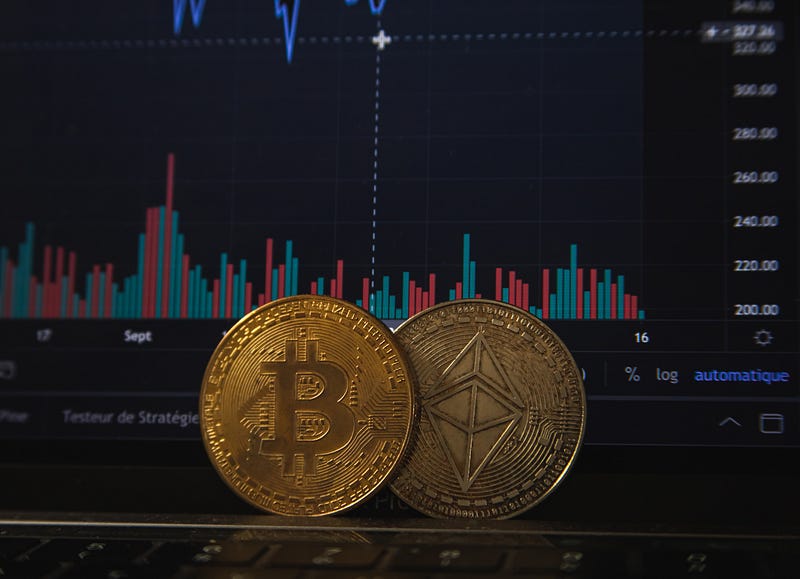
Photo by Pierre Borthiry — Peiobty on Unsplash


Regulatory approval to offer three ETFs

This move, reported by Bloomberg on Thursday, aligns with Hong Kong’s efforts to establish itself as a prominent digital asset hub. Citing an undisclosed source, Bloomberg outlined that three crypto ETFs, namely the Samsung Bitcoin Futures Active, CSOP Bitcoin Futures and CSOP Ether Futures, have received approval from the Securities and Futures Commission (SFC) and will be available on UBS’s Hong Kong platform starting this Friday.

The inclusion of these ETFs allows UBS clients to diversify their investment portfolios, offering exposure to the dynamic crypto market. Educational materials will also be accessible to clients, aiding in their understanding of associated risks. While UBS declined to comment on this development, it marks a strategic move by the Swiss bank to tap into the growing demand for crypto-related investment products.

In June, Hong Kong’s largest bank, HSBC, moved to expand its offering to include crypto ETFs. It has made available the very same crypto ETFs as UBS is about to offer.


Hong Kong’s crypto credentials

Hong Kong introduced a comprehensive digital asset regulatory regime on June 1, aiming to safeguard investors while fostering the Chinese autonomous territory’s emergence as a digital financial center. The SFC permits retail investors to trade major tokens on licensed exchanges under these regulations.

Despite these regulatory advancements, Hong Kong faced setbacks, notably with the recent issues surrounding the unlicensed JPEX exchange, which led to increased scrutiny. The establishment of a joint task force between the SFC and the police aims to monitor and prevent suspicious activities within the crypto industry.

Globally, financial institutions remain cautious about compliance risks in the crypto sector. However, signs of increased engagement are emerging. DBS, Singapore’s largest bank, has expressed its intention to seek a license to offer crypto services to Hong Kong customers. ZA Bank, the largest virtual bank in Hong Kong, plans to provide token-to-fiat currency conversions over licensed platforms. Furthermore, SEBA Bank, backed by the Julius Baer Group, has obtained a license for its unit to offer crypto services in Hong Kong.


Unlocking ETF potential

A report published by the Hong Kong Stock Exchange in April claimed that crypto ETFs possess the potential to unlock the next phase of digital asset expansion in Asia. Earlier this week, it emerged that regulators were open to the notion of allowing retail access to spot crypto ETFs in Hong Kong, provided that the necessary regulatory approvals and checks were in place.

The inclusion of the CSOP Bitcoin Futures and CSOP Ether Futures funds on UBS’s platform highlights the gradual recovery of the crypto sector from the market rout experienced in 2022. Despite the previous market challenges and collapses, the prospect of the U.S. allowing its first spot Bitcoin ETFs has contributed to a resurgence in the largest token’s price this year. The move by UBS aligns with the broader trend of financial institutions cautiously embracing the crypto economy, indicating a shifting attitude toward these digital assets in the financial mainstream.


More to Read
View All
Web3 & Enterprise·

Aug 03, 2023

KuCoin Halts Bitcoin and Litecoin Mining Pools Amidst Strategic Shift

KuCoin Halts Bitcoin and Litecoin Mining Pools Amidst Strategic ShiftIn an announcement on Tuesday, Seychelles-based cryptocurrency exchange KuCoin revealed its decision to temporarily suspend its Bitcoin and Litecoin mining pools, effective from 16:00:00 on August 15, 2023 (UTC).Photo by Traxer on UnsplashChanging business strategyThis move is attributed to KuCoin’s evolving business strategy, although specific details remain undisclosed. The exchange expressed its regret for any inconvenience caused and extended gratitude for users’ continued support.It appears that the company wants to focus on core business activities and for that reason, it’s terminating its mining pool activity. That said, the discontinuation was described in its statement as being “temporary” although that has been left open-ended with no indication of if or when it would bring the service back into operation.The company is open to the idea of revisiting the facilitation of mining pools in the future. “We will see if it is needed to restart based on the market and users’ demand in the future,” a spokesperson for the company told The Block.To ensure miners’ uninterrupted earnings during the suspension, KuCoin advised users engaged in cryptocurrency mining to transition their Bitcoin (BTC) and Litecoin (LTC) miners to alternative mining pools before the specified suspension date. Additionally, the exchange emphasized the importance of backing up and preserving mining records and related data, recommending users complete these actions before August 27.Presently, the KuCoin Bitcoin mining pool maintains a hash rate of 9.08 exahash per second (EH/s), while the Litecoin pool operates at 3.90 terrahash per second (TH/s). These figures contribute to the broader hash rate landscape, where the entire Bitcoin network boasts a hash rate of 349.19 EH/s, compared to the Litecoin network’s 792.16 TH/s.Workforce reductionIt is clear that the company is in the process of adjusting to current market conditions. Last week, rumors surfaced of a plan to effect a workforce reduction. That prompted KuCoin’s CEO Johnny Lyu to respond, clarifying that the exchange’s operations are running smoothly. Dismissing layoff speculation, Lyu highlighted the exchange’s steady expansion and strong growth as demonstrated by the H1 2023 report. The report showcased an increase in users and new listings, underscoring the platform’s vitality and development.Mandatory KYCIn recent months, KuCoin has also implemented mandatory Know Your Customer (KYC) requirements, obligating users to undergo verification processes. Existing customers who fail to complete KYC procedures will be unable to make deposits. With over 20 million registered accounts, the exchange felt that it needed to improve on its level of regulatory compliance and security measures.It’s highly likely that an action taken by authorities in New York in the United States in March prompted KuCoin’s decision to tighten up on KYC. At that time, the New York Attorney General said that action was being taken against KuCoin due to its failure to register as a securities and commodities broker-dealer.As KuCoin undergoes these changes, the suspension of its mining pools raises questions about the broader implications for its business strategy and the potential impact on miners within its ecosystem. That said, the firm is not alone in making changes, with most crypto exchanges having had to adjust to a business and regulatory environment that has changed considerably since the 2021 crypto bull run.

news
Web3 & Enterprise·

May 13, 2024

Coinbase Wallet and TransFi partnership expands crypto accessibility in Asia

TransFi, renowned for its global payment solutions, is collaborating with Coinbase Wallet to streamline the process of purchasing cryptocurrencies, with a particular focus on enhancing user experience in Asia.Photo by Traxer on UnsplashFacilitating seamless onboardingBy integrating with Coinbase Wallet, TransFi aims to simplify the onboarding process for businesses and individuals, ultimately fostering greater adoption of cryptocurrencies in the region. This strategic integration is designed to eliminate barriers to entry and make cryptocurrency transactions more efficient and accessible. Enhanced payment options across AsiaIn a significant move, users in the Philippines, Vietnam and Indonesia now have access to expanded payment options through Coinbase Wallet. In the Philippines, GCash and PayMaya, popular digital payment platforms, have been integrated, while Vietnam sees the addition of Viet QR, Momo and Viettel Pay. Indonesian users can utilize OVO and Dana, leading payment apps in the country. These partnerships leverage existing, widely-used payment infrastructures to provide users with more convenient avenues for purchasing cryptocurrencies. The expansion into the Asian market reflects the growing demand for cryptocurrencies in the region and highlights Coinbase's commitment to broadening its reach by collaborating with local payment services. This trend underscores the increasing integration between crypto platforms and local payment solutions, signaling a positive trajectory for cryptocurrency adoption across Asia. 

news
Web3 & Enterprise·

Jun 14, 2023

DWF Labs Enters Into Strategic Partnership with TRON

DWF Labs Enters Into Strategic Partnership with TRONDWF Labs, a Singapore-headquartered global digital asset market maker and Web3 investment firm, has announced a strategic partnership with TRON, the leading blockchain network focused on decentralizing the Internet through decentralized applications (dApps).Photo by Ketut Subiyanto on PexelsProviding liquidityThe partnership was announced via a press release published on Tuesday. As part of this collaboration, DWF Labs has become a liquidity provider for TRON, aiming to strengthen the ecosystem support of the blockchain.Andrei Grachev, the Managing Partner of DWF Labs, expressed confidence in the TRON ecosystem, highlighting its impressive adoption in the Web3 space. Grachev stated: “TRON stands as one of the fastest-growing dApps ecosystems in the space at the moment, and the consistent rollout of innovative tools and services proves that TRON has a leading role in paving the trail in blockchain.” He further emphasized DWF Labs’ commitment to supporting the ecosystem through additional investments in the near future.DWF Labs, known for its active support and investments in Web3 protocols, had previously allocated $15 million to the Web3 Industry Recovery Initiative, led by Binance Labs, to aid struggling protocols in the industry’s recovery. The company has also formed strategic partnerships with other prominent players in the crypto industry.Global market makerDWF Labs, as a global digital asset market maker and multi-stage Web3 investment firm, supports portfolio companies throughout various stages, from token listing to market making to OTC trading solutions. With offices in multiple locations worldwide, including Singapore, Switzerland, the United Arab Emirates (UAE), Hong Kong, South Korea, and the British Virgin Islands (BVI), DWF operates as an affiliate of Digital Wave Finance (DWF), known for its proprietary technology in high-frequency trading and consistently ranking among the top 5 trading entities by volume in the cryptocurrency world.The firm has been on a spending spree in recent months. In April, it invested $10 million into Singapore-based payments provider Alchemy Pay. In the same month, it led a Series A funding round into Crypto GPT, an AI-powered blockchain platform. A $60 million investment in layer one blockchain EOS followed.A spokesperson for TRON expressed delight in partnering with DWF Labs, acknowledging their expertise and excellence in further strengthening the TRON ecosystem. Together, the aim is to advance TRON’s vision of a decentralized future, empowering decentralized commerce and community for every individual worldwide.By joining TRON as a liquidity provider, DWF Labs intends to contribute to the growth and development of the TRON ecosystem. This partnership aims to enhance the accessibility of the blockchain network for all TRON users and community members.TRON, founded in September 2017 by Justin Sun, has achieved significant milestones since the launch of its Mainnet in May 2018. Notably, the integration of BitTorrent, a decentralized Web3 services pioneer with over 100 million monthly active users, into the TRON ecosystem in July 2018. TRON has gained significant traction, with over 166.5 million total user accounts, more than 5.85 billion total transactions, and over $11.52 billion in total value locked (TVL) as of June 2023, according to TRONSCAN.

news
Loading